REVIEW · ROME
Rome Unforgettable Highlights by Golf Cart Tour
Book on Viator →Operated by Loving Rome · Bookable on Viator
Rome in three hours feels impossible, until you ride a golf cart. This small-group highlights tour strings together big-ticket sights with stops close enough to skip long walks, guided in English by a driver who narrates what you’re looking at. What I love most is the mix of famous monuments (hello Colosseum and Trevi Fountain) plus calmer viewpoints, and the fact that you get an insider’s running commentary without feeling rushed. The one thing to consider: if you sit farther back, street noise can make it tougher to catch every word, so you may want to adjust your seat during the ride.
You start at Piazzale del Museo Borghese and end right back there, so it’s simple to plug into your day. It’s also a good first-night option if you want to get your bearings fast and pick where to return later on foot.
In This Review
- Key things to know before you go
- Rome’s top sights, stitched together in a tight 3-hour loop
- The meeting point: Piazzale del Museo Borghese (and why it matters)
- Golf cart logistics: comfortable ride, but sound can be uneven
- Villa Borghese: gardens, art vibes, and a calm start
- Piazza del Popolo: an Egyptian obelisk and Baroque symmetry
- Spanish Steps: 135 steps, the fountain at the base, and when it gets crowded
- Trevi Fountain: the coin toss tradition and how to handle the crowds
- Colosseum area: seeing the scale without the ticket line
- Piazza Venezia and the Forum corridor: a strategic Roman crossroads
- The Pantheon: the dome trick you’ll remember later
- Piazza Navona: fountains, Bernini, and a perfect evening stroll setup
- Castel Sant’Angelo: a mausoleum turned fortress with big river views
- Price and value: $60.07 for access plus on-the-street context
- Who should book this golf cart highlights tour?
- The people factor: guides make or break a 3-hour loop
- FAQ
- What is the duration of the Rome Unforgettable Highlights golf cart tour?
- How much does the tour cost per person?
- What language is the tour offered in?
- Does this tour include entry tickets to the attractions?
- Where does the tour meet and where does it end?
- Is hotel pickup or drop-off included?
- What does the tour include for equipment?
- What should I bring, and what’s not allowed?
- Should you book this golf cart tour?
Key things to know before you go
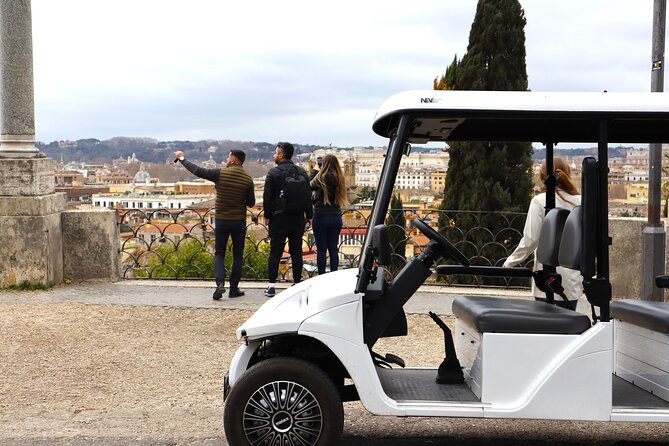
- 7-seat electric carts mean easier access on tighter streets than big buses
- English driver-guide with headsets if needed helps you follow the story at each stop
- External access only: you’ll see sights up close, but you won’t enter them on this tour
- Photo stops are built in, including time to swap seats if sound is an issue
- Small group (max 7) keeps the vibe more personal, not like a cattle-call bus
Rome’s top sights, stitched together in a tight 3-hour loop
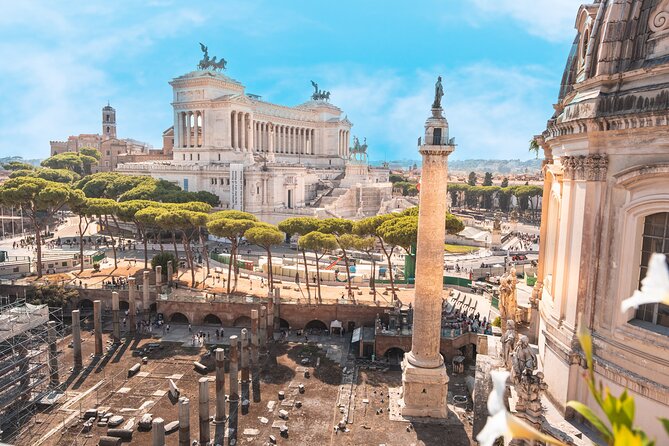
Rome has a way of making you choose. You either spend hours zigzagging across neighborhoods, or you see fewer places in more detail. This tour is designed for the “I only have one short window” traveler, because the electric golf cart helps you cover major landmarks with minimal walking between stops.
You’re paying for convenience and context, not for entry tickets. That’s an important value check: the tour is strong at getting you from A to B, and at telling you what you’re looking at, but you still plan to buy separate tickets (or decide to skip entry) for the big interior sites.
The other big win is the small group. With a maximum of 7 travelers, you’re more likely to hear your guide clearly and get answers to questions, including what to do next after the tour.
You can also read our reviews of more tours and experiences in Rome.

The meeting point: Piazzale del Museo Borghese (and why it matters)
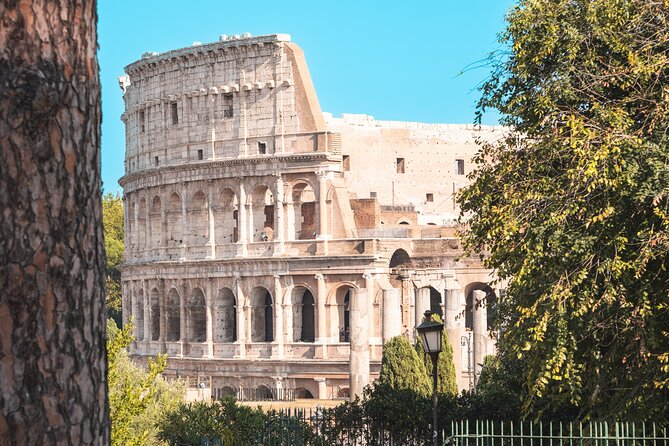
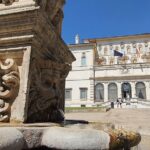
The tour begins and ends at Piazzale del Museo Borghese, 00197 Roma RM. There’s no hotel pickup, so you’ll want to build in extra time to get there smoothly—Rome traffic and walking paths can be confusing the first day.
If you’re worried about sound or finding your group, take it seriously. One negative experience in the feedback mentioned trouble with the correct pickup spot and needing time to locate the group. My practical advice: arrive early, and double-check you’re at the exact starting point before the tour departs.
Good shoes matter, even with the cart. Most stops are still outdoors and involve some short walks to viewpoints, plus standing still for photos.
Golf cart logistics: comfortable ride, but sound can be uneven
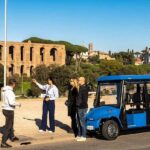
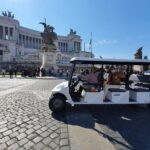
This is an electric 7-seater cart. That’s part of why it works so well in Rome: it can get you closer to the sights and into smaller streets that larger vehicles can’t use as easily.
Comfort is another consistent theme in the feedback. People liked how easy it was to move without feeling drained, especially when they were juggling multiple tours in the same trip. If you’re traveling with limited stamina, this is a smart way to see the “greatest hits” without turning the day into a long slog.
Sound is the main trade-off. If you sit in the back, traffic noise can drown out the guide. The fix is simple: rotate seats when possible, or shift toward the side where sound carries better. Also, the tour may include headsets if needed, which can help a lot in busier areas.
Villa Borghese: gardens, art vibes, and a calm start
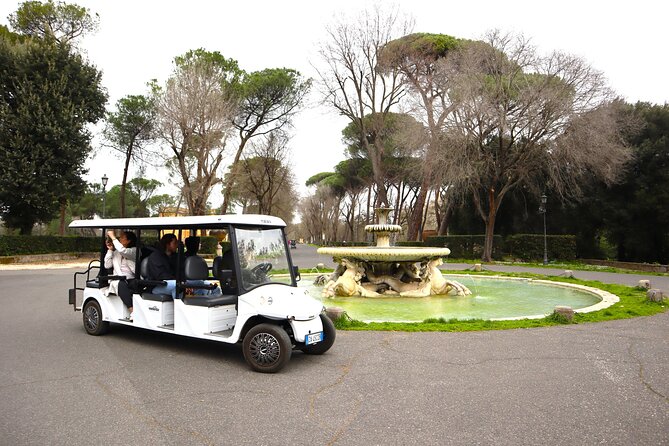
You kick things off at the edge of Villa Borghese, one of Rome’s best places to reset your senses. Even from outside, the setting feels like a breather from the city streets—think gardens, open views, and a classic Roman mix of nature and grand design.
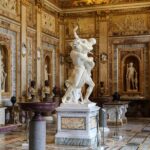
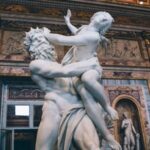
The tour narrative also connects the area to the Borghese family and to the art you’ll recognize once you start looking at Caravaggio, Bernini, and Raphael later in your trip. You’re not entering on this stop, but you get enough context to make your time in the museum (if you add it) feel more intentional.
What to watch for: the viewpoint energy. If you’re the type who likes photos with a sense of place, this is a good early chance because the surroundings help you understand where Rome’s historic skyline sits relative to the city center.
Piazza del Popolo: an Egyptian obelisk and Baroque symmetry
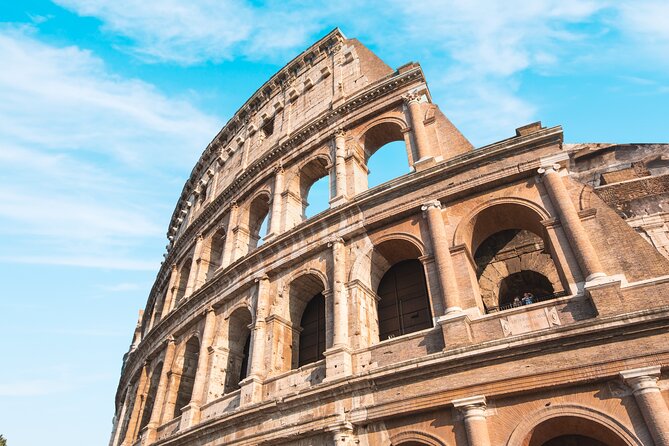
Next up is Piazza del Popolo, with its grand composition at the northern edge of the historic core. This is one of those squares where the design does half the explaining for your guide. The central element is an ancient Egyptian obelisk, set in a way that makes it feel like an anchor for the entire space.
The square is also famous for the way two Baroque churches frame the scene, creating that classic Rome symmetry that makes photos easy. If you’re planning your first-day “orientation walk,” this stop helps you understand the layout—where major streets head next and how different eras overlap in one view.
One practical note: because it’s open and busy at peak times, it can feel noisier than quieter viewpoints. Still, it’s worth soaking in for a few minutes before you move on.
Spanish Steps: 135 steps, the fountain at the base, and when it gets crowded
You’ll hit the Spanish Steps area, also known as the Scalinata di Trinità dei Monti. These 135 steps are not just a photo spot—they’re a connection point between levels of the city, with shops, cafés, and classic street life spilling into the space around them.
The best part of this stop is the “shape” of it. You get the chance to understand how the steps and nearby church sit above street-level Rome, and you see the Barcaccia Fountain by Bernini at the base. If you come back later on foot, you’ll know where to stand for the angles that show both architecture and street context.
In spring, the area’s azaleas add color, though timing depends on the season. If your dates line up, it’s a bonus, not a requirement for a good visit.
Trevi Fountain: the coin toss tradition and how to handle the crowds
Then it’s on to Trevi Fountain (Fontana di Trevi), one of the most recognizable sights in Italy. The fountain’s Baroque drama is obvious even before your guide finishes the story: sculpted figures, cascading water, and a centerpiece scene designed to pull your eyes straight into the myth-like details.
You’ll also hear about the tradition of tossing a coin over your shoulder—meant to assure your return to Rome. Whether you do the coin toss or not, it’s part of the ritual atmosphere here.
Crowd reality check: this is one of those places where the scene is always busy. The good news is that the tour approach helps—you get a structured stop so you’re not stuck trying to time your visit with everything else.
If you want better photos, position yourself slightly from the densest knot of people once the cart stop settles. You’ll still get the full fountain view, just with less obstruction.
Colosseum area: seeing the scale without the ticket line
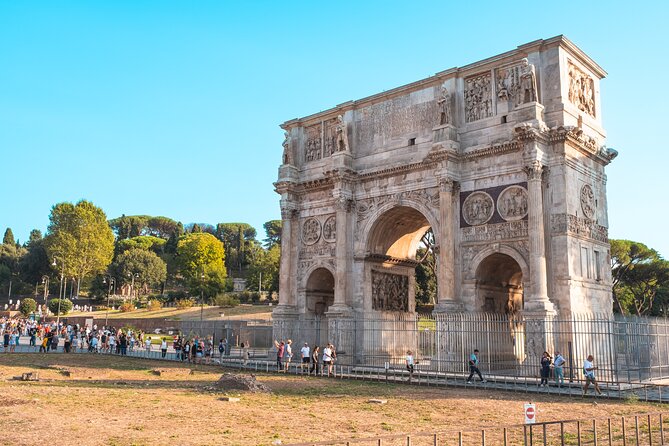
Next comes the Colosseum, the big one. Even from outside, it hits like a wall of stone—elliptical, multi-level arches, and that unmistakable scale that’s hard to grasp until you’re standing near it. Your guide ties the building to the Roman idea of public spectacle, and it helps you understand how the space could fit huge crowds in its day.
This tour is built around external access, so you’re not using this as your Colosseum ticket day. If you want to go inside, you’ll plan that separately. But as an introduction, it’s excellent because it gives you the “why” and “how” before you decide whether to spend more time at the site later.
Tip for your day planning: if you want the interior experience, schedule it for a time when you’re not on a tight loop. This cart tour is best used as your setup, not your replacement.
Piazza Venezia and the Forum corridor: a strategic Roman crossroads
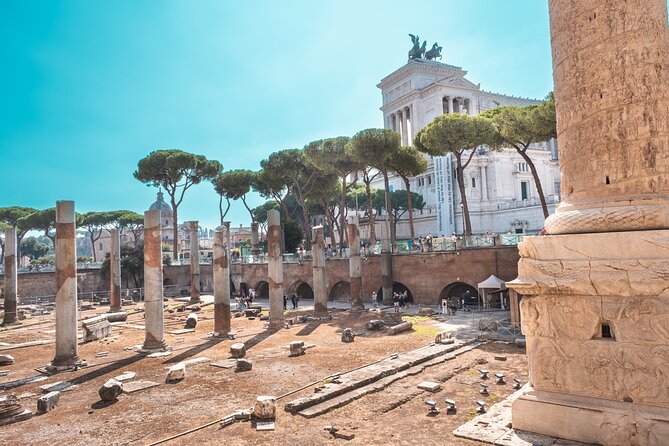
You also pass through Piazza Venezia, anchored by the Altare della Patria. This is a powerful square for understanding Rome’s modern national identity layered over older city geography.
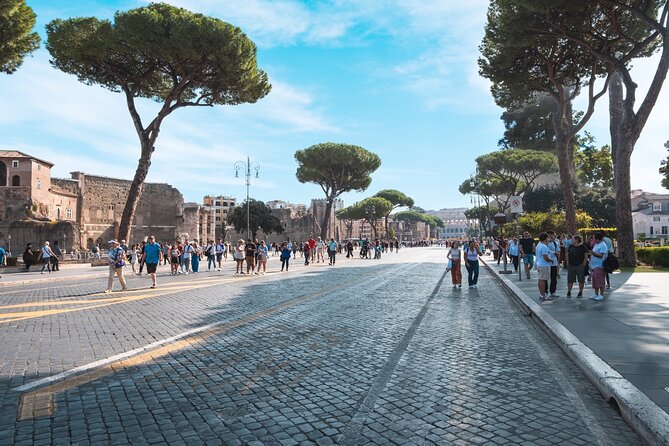
What makes this stop useful is the connection. From here, streets lead toward major historic areas like the Roman Forum and the Colosseum direction, plus the shopping hub of Via del Corso. Even if you don’t go inside anything, the tour helps you map where you’ll want to walk next.
If you’re the type who plans a second-day itinerary right after your first, this is where the tour earns its keep. You leave with routes in mind.
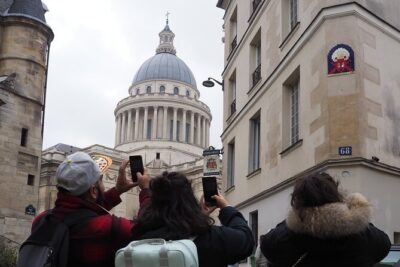
The Pantheon: the dome trick you’ll remember later
The Pantheon is the stop that often makes people pause. The famous dome and the central oculus are the kind of features you’ve seen in photos—but standing closer is when it becomes real.
Your guide’s narration connects the building to Emperor Hadrian’s era and explains how the dome represents Roman engineering at full strength. Again, you’re not entering with this specific tour, but the external view and context are enough to make your eventual ticket decision much easier.
If you do add entry later, you’ll already know what you’re hunting for: the geometry of the dome and how daylight enters through the oculus.
Piazza Navona: fountains, Bernini, and a perfect evening stroll setup
Then it’s Piazza Navona, built on the footprint of an ancient stadium. You’ll notice the elongated oval layout right away, and then your eyes go straight to the fountains.
The highlight here is Bernini’s Fontana dei Quattro Fiumi (Fountain of the Four Rivers) in the center, along with other sculptures that reflect allegorical river figures. It’s a great stop for architecture lovers and for anyone who likes to watch how people use public space.
The tone of the square is also practical for your trip planning. Even if you don’t eat here that day, Piazza Navona is the kind of place you’ll want to return to for an evening walk, because it’s made for lingering and re-checking photo angles.
Castel Sant’Angelo: a mausoleum turned fortress with big river views
The final major stop is Castel Sant’Angelo. This structure has a long identity shift story: started as Emperor Hadrian’s mausoleum, later used as a fortress, papal residence, and prison. The tour framing helps you see the building not as one era, but as layers of Roman and medieval power.
You’ll also get the iconic skyline element: a statue of the archangel Michael at the top, sheathing his sword. Standing near the Tiber gives the castle presence, because the river corridor makes the structure feel even more commanding.
It’s a strong ending point, since it gives your brain a “Rome, from above and from the water” perspective—useful if you plan to explore along the river afterward.
Price and value: $60.07 for access plus on-the-street context
At $60.07 per person for about 3 hours, this tour is priced like a convenience product. You’re not paying for museum-style entry, and you’re not paying for hotel pickup. Instead, you’re paying for a route that gets you from monument to monument with less walking and clearer interpretation.
To judge the value, ask yourself one question: do I need help turning Rome into a coherent map? If you do, this tour pays off. Guides in the feedback—people named Francesco, Julius, Ivano, Dario, Matteo, Luca, and Robin—were repeatedly praised for clear communication, humor, and helpful tips like restaurant recommendations and advice on spots beyond the usual checklist.
If you’re only looking for photo opportunities and you already know where you’re going, you might not need a guided cart. But if you want a first-night primer plus a lighter day physically, this is a solid buy.
Also keep the schedule in mind. The tour tends to be booked around 53 days in advance on average, so if your travel dates are fixed, you’ll want to lock it in early.
Who should book this golf cart highlights tour?
This is a great fit if:
- You have a short time in Rome and want the biggest monuments covered in one go
- You want less walking between far-apart sights
- You like a guide who explains what you’re seeing, including where to go next
- You’re planning to return to a few landmarks later, and you want a map-based starting point
It might be less ideal if:
- You hate crowds and you’re very sound-sensitive (since some stops are busy and traffic noise can be real)
- You need interior entry tickets included (this tour uses external access only)
The people factor: guides make or break a 3-hour loop
This tour’s quality seems tied closely to the guide experience. Names that came up with strong praise include Julius, Ivano, Dario, Francesco, Matteo, Luca, and Robin. Across the feedback, a clear pattern showed up: guides who speak in clear English, answer questions, and help with practical “what to do next” ideas.
One caution from a lower rating: if you’re not sure you’re at the correct pickup spot, clarify early. Another caution: if you’re sitting where sound doesn’t carry, ask about switching seats so you don’t miss the narration.
In a three-hour tour, missing a chunk of explanation is frustrating. A quick seat adjustment can fix most of that.
FAQ
What is the duration of the Rome Unforgettable Highlights golf cart tour?
The tour is listed at about 3 hours.
How much does the tour cost per person?
The price is $60.07 per person.
What language is the tour offered in?
It’s offered in English.
Does this tour include entry tickets to the attractions?
No. Internal access and entry tickets are not included. The tour includes external access.
Where does the tour meet and where does it end?
It starts and ends at Piazzale del Museo Borghese, 00197 Roma RM, Italy.
Is hotel pickup or drop-off included?
No. Hotel pickup and drop-off are not included.
What does the tour include for equipment?
You’ll use an electric golf cart, and there’s an English-speaking driver guide. Headsets are included if needed.
What should I bring, and what’s not allowed?
Bring passport or ID, comfortable shoes, and weather-appropriate clothing. Large bags/luggage, weapons/sharp objects, unaccompanied minors, strollers, and pets are not allowed.
Should you book this golf cart tour?
If you want an efficient first overview and you care about understanding what you’re seeing, I’d book it—especially if your Rome days are already packed. The cart format plus small group size makes the day feel manageable, and the guide-led narration is the real value driver.
If you’re the type who plans to enter major sites anyway, treat this as your warm-up: it helps you choose where to spend extra time later. Just show up a bit early at Piazzale del Museo Borghese, sit where you can hear, and you’ll get a lot more from the short window you have.