REVIEW · SANTA MARIA
Sal island: Private Santa Maria City Tour, Street Art and Tapas
Book on Viator →Operated by Sal Experiences · Bookable on Viator
Santa Maria is small, but it has stories. This private 2-hour city tour pairs history at the Pontão with color on the walls, plus a real break for Cape Verdean snacks and tapas. It’s one of the easier ways to get your bearings on Sal and understand what locals do day to day.
I love that the route balances big landmarks with street-level details. You get the pontoon and old-port story, then you’re walking through neighborhood streets to see how culture shows up in everyday life.
One thing to plan for: you’ll do about 30 to 50 minutes of walking, so comfy shoes matter, and it can be warm even at 4pm.
In This Review
- Key highlights at a glance
- Arriving at Santa Maria at golden-hour pace (4:00 pm)
- Pontão and the working waterfront: more than a pretty bridge
- Santa Maria’s street art: reading murals like local culture
- Historical monuments and the “why Santa Maria” context
- The photo-and-utensil exhibition: small details, big understanding
- Where the tapas happen: an aperitif with Cape Verdean flavor
- Souvenirs and Cape Verdean arts: learning what to buy (and what to skip)
- Price and value: what $153.14 buys you on Sal
- Who should book this private Santa Maria walk
- Should you book this Santa Maria City Tour?
- FAQ
- Where does the tour take place?
- What time does the tour start?
- How long is the tour?
- Is this a private tour?
- Is pickup included?
- Does the tour involve walking?
- What’s included for food and tastings?
- Can it accommodate vegetarian needs?
- Is cancellation possible?
- What if weather is poor?
- Is the tour suitable for mobility issues?
Key highlights at a glance
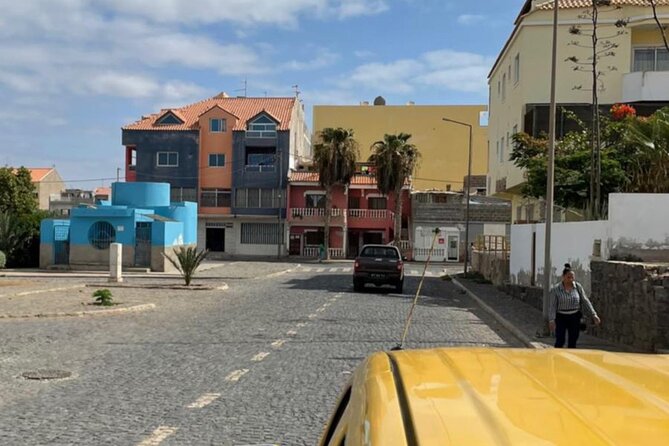
- Pontão stop with the island’s salt-export story and the feel of the working fish scene
- Street art walk that connects wall murals to local culture and daily life
- Local snack and aperitif pause with Cape Verdean flavors and tapas tastings
- Old photos and utensils exhibition for context, not just photo ops
- Viewpoint moment to look back over Santa Maria
- Private format so your guide can slow down, answer questions, and adapt snacks if needed
Arriving at Santa Maria at golden-hour pace (4:00 pm)
There’s something about starting in the late afternoon. At 4:00 pm, Santa Maria feels less like a checklist and more like a lived-in town. The light is nicer, people are easier to talk to, and you can actually enjoy the walk instead of rushing through it.
You’ll be picked up from your hotel and driven into town, which is a big plus if you’re staying at the beach-strip hotels and don’t want to figure out getting around. From there, the plan is simple: see the waterfront and history first, then wander streets with street art, and end with a snack-and-tapas break plus a few culture stops before heading back.
This is a private tour for your group only, up to 2 people, which makes it feel more like having a friend show you the town rather than herding people through stops.
Pontão and the working waterfront: more than a pretty bridge
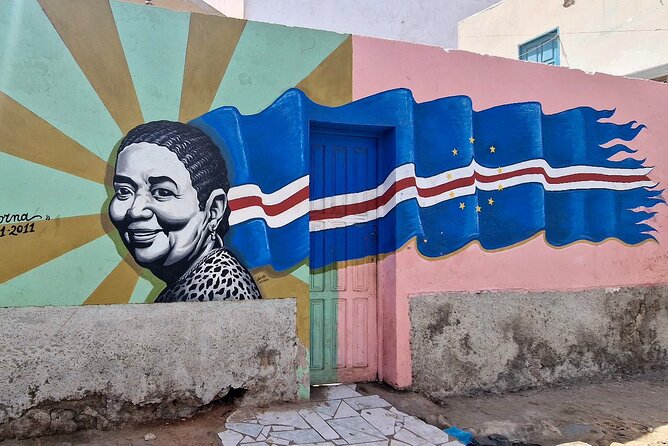
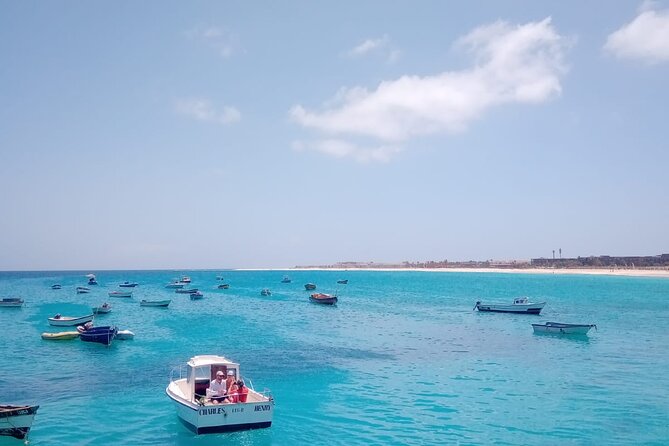
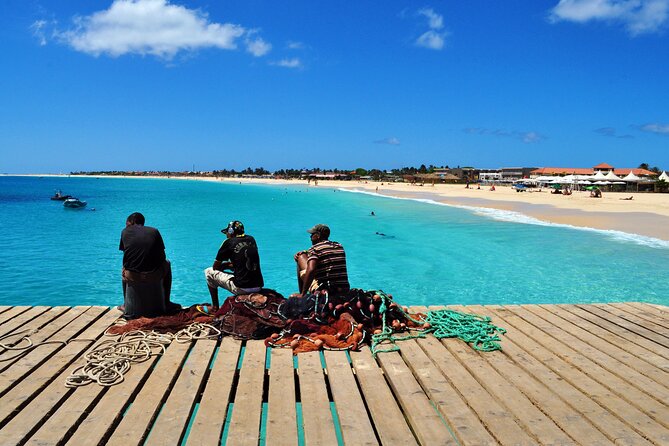
Your first major stop is the Pontão, a key landmark in Santa Maria. This is the kind of place where the scenery and the story go together. The pontoon used to be part of the export of salt, and today it’s tied to fishing—artisanal boats come in and fresh fish sales happen in view.
What I like here is that you’re not just looking at the water. You’re watching how the town functions. The tour includes time to admire the clear turquoise water and the way locals use the bridge area—there’s even mention of people jumping off the bridge. If you like travel moments that feel real (and slightly daring), this delivers.
A practical note: if you’re sensitive to wind or glare off the water, bring sunglasses. Also, waterfront areas can get crowded if a boat comes in at the same time—nothing dramatic, just be ready to pause and watch.
After soaking in the waterfront scene, the tour connects the dots from salt to sea to everyday life. It’s a good way to understand why Santa Maria looks the way it does and why locals move the way they do.
Santa Maria’s street art: reading murals like local culture
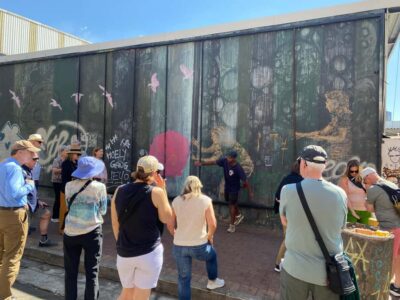
Next comes the part that turns this from a sightseeing tour into a culture tour: walking the streets and admiring colorful street art on building walls.
The tour’s emphasis is on meaning, not just aesthetics. The murals reflect culture and daily life, so you’re not only getting pretty photos—you’re learning what the town chooses to show publicly. That matters because street art can be a quick shortcut to local humor, values, and identity.
This segment also includes stops to learn about the town’s best places—described as the hottest bars and restaurants plus local favorites worth checking during your stay. In other words, your guide is not just pointing; they’re helping you plan the next couple of nights.
Keep in mind the tour includes city walking—about 30 to 50 minutes total. There’s enough movement to justify good shoes, but it’s still a manageable pace for most people. And if you have mobility concerns, there’s an option to personalize the private tour.
Historical monuments and the “why Santa Maria” context
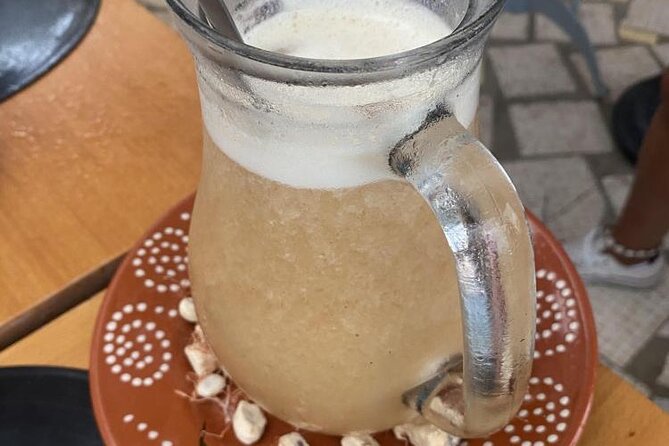
You’ll also see city historical monuments along the way. This part works best if you’re the type of traveler who likes a little context before you start wandering on your own. Santa Maria can be easy to treat as a resort town, but these stops help you connect the present to the older foundations.
The tour isn’t heavy on lecture. It’s more like: here’s the place, here’s what it used to do, here’s how that connects to life now. That’s why the waterfront and monuments pairing works well—the history isn’t abstract.
If you’re visiting for a short stay, this section is especially valuable. It gives you a mental map of what matters, so when you later walk around the town yourself, you notice more than just the obvious.
The photo-and-utensil exhibition: small details, big understanding
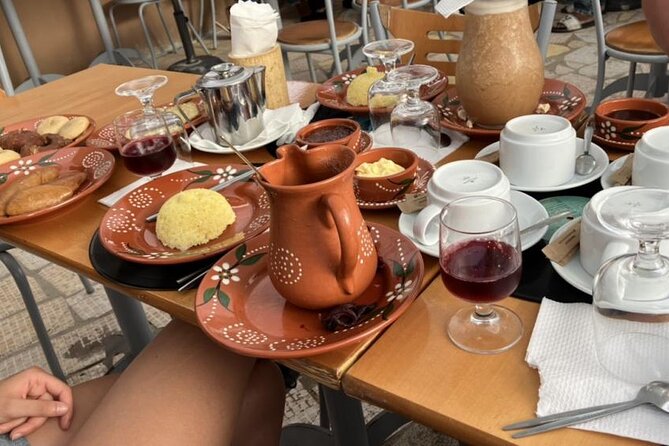
One of the less obvious but most useful stops is the exhibition of old photos and utensils. This is the kind of place that can be overlooked when you’re chasing beach time, but it adds depth.
Why it works: photos and everyday objects show you daily life in a way that general descriptions can’t. You see how people lived, what they used, and how the town has changed. It also gives you something to ask about with your guide—questions you’ll only think to ask once you’ve seen this kind of everyday-history display.
Then you get a splendid view of the city from there. Even though it’s a short segment, it’s a great reset. You’ll look out over Santa Maria with the context you just picked up—so the streets and waterfront stops start making more sense.
Where the tapas happen: an aperitif with Cape Verdean flavor
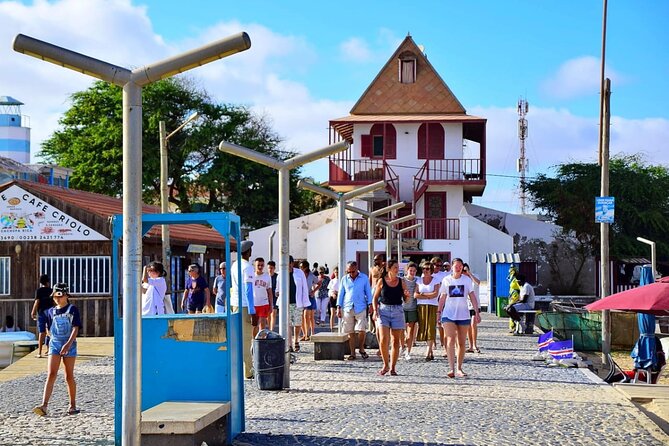
This tour includes an intentional break at a local restaurant, where you’ll enjoy an aperitif with drinks and typical Cape Verdean snacks as part of the tapas experience.
This is one of the best values of a guided city tour: someone else chooses the spot, so you don’t waste half your evening second-guessing what’s worth it. And because it’s scheduled, you’re less likely to end up hunting for food at the wrong time.
A standout detail from the experience: if you’re vegetarian, the stop can adapt, and the snacks can still be delicious. That’s a big deal. Food on holiday should feel easy, not like you’re managing a compromise.
What to expect from the meal itself:
- It’s described as an aperitif-style break, so don’t treat it like a full dinner
- It’s designed to taste local flavors and snacks
- It pairs well with the walk—so you’re fueled for the final return
If you drink alcohol, pace yourself. With a couple of hours of walking and sun, you’ll enjoy everything more if you treat the drinks as part of the experience rather than the main event.
Souvenirs and Cape Verdean arts: learning what to buy (and what to skip)

Near the end, you’ll spend time seeing authentic Cape Verdean arts and souvenirs, with your guide explaining how to distinguish them.
This is practical advice disguised as shopping. The goal isn’t to push purchases—it’s to help you recognize what’s genuinely local and understand what you’re bringing home. When you learn the basics, you stop feeling like every stall is the same.
If you’re the sort who likes a small takeaway—something to remind you of Santa Maria beyond photos—this is the best time to ask questions. Your guide already understands the local scene, and they’ll help you interpret what you’re seeing on the street.
Also, this final shopping-and-souvenir phase works as a gentle wind-down before you head back to your hotel.
Price and value: what $153.14 buys you on Sal
The price is $153.14 per group for up to 2 people. On paper, that might look like a lot compared with a group bus tour. But for this format, it can be a smart use of time.
Here’s why:
- You’re paying for private guidance through specific areas, including the Pontão and key street sections
- The tour includes a tasting stop with Cape Verdean snacks and tapas flavors—so you’re not paying separately for a curated food moment
- It saves you the stress of planning: pickup, route order, and the “where to go next” questions are handled
If you’re traveling with a partner or friend and want a smoother introduction to Santa Maria—especially if it’s your first time on Sal—this is the kind of experience that can pay off quickly. You’ll leave with recommendations, context, and a feel for the town that you don’t get from a fast self-guided stroll.
Who should book this private Santa Maria walk
I think this tour is ideal if:
- You want a first-night orientation to Santa Maria that feels grounded in local life
- You enjoy street art and culture stops more than only beach views
- You want a guide who can connect landmarks to meaning—Pontão to salt story, murals to daily identity
- You’re traveling as a small group (up to 2) and prefer privacy over crowds
It’s also a good fit if you have food preferences. The tapas/snacks stop can adapt for vegetarian needs, which makes the whole schedule feel more comfortable.
If you hate walking at all, or you expect a mostly seated tour, this may not be your match because it includes 30–50 minutes of walking.
Should you book this Santa Maria City Tour?
Yes—if your goal is to understand Santa Maria quickly and enjoy it properly. The combination of Pontão waterfront history, a street art walk with cultural context, and a tapas-style local snack break makes this more than a simple sightseeing loop.
Book it especially if:
- You want to feel confident exploring the rest of the week using your guide’s pointers
- You care about the salt-to-sea story and how fishing shapes daily life
- You’d rather spend 2 hours with a guide than waste evenings figuring out what to do
Skip it if you only want beach time or you don’t like walking. For a 2-hour private city experience that mixes culture, food, and smart local recommendations, this is a solid pick.
FAQ
Where does the tour take place?
It’s in Santa Maria, Cape Verde on Sal island, with stops around the town.
What time does the tour start?
The tour starts at 4:00 pm.
How long is the tour?
It runs for about 2 hours.
Is this a private tour?
Yes. It’s private, and only your group participates (up to 2 people).
Is pickup included?
Yes. Pickup from your hotel is offered.
Does the tour involve walking?
Yes. It includes a 30 to 50 minute walk, so moderate fitness is required.
What’s included for food and tastings?
The tour includes tapas tastings and Cape Verde local flavors, with a restaurant stop for an aperitif and typical Cape Verdean snacks.
Can it accommodate vegetarian needs?
Yes. The snack portion can be adapted for vegetarian requests.
Is cancellation possible?
You can cancel for a full refund if you do it at least 24 hours before the start time.
What if weather is poor?
This experience requires good weather. If it’s canceled due to poor weather, you’ll be offered a different date or a full refund.
Is the tour suitable for mobility issues?
It can be personalized if you have mobility issues, and the tour does mention it involves walking.