REVIEW · SANTA MARIA CAPE VERDE
Sal island: Santa Maria city tour, street art and tapas
Book on GetYourGuide →Operated by Sal Experiences · Bookable on GetYourGuide
Santa Maria shows its heart fast. This tour starts at Pontão and then turns into an easy stroll for street art, fish-port life, and local flavors. The only catch is value: at $147 per group (up to 2), it’s best if you’re happy with a short, snack-focused outing rather than a long, full-day adventure.
I like that you get more than photo stops. The experience leans on a licensed local guide who explains how the place works, and you also get Cape Verdean tapas and drinks so you don’t waste your evening hunting.
Logistics are straightforward: hotel pickup from Santa Maria, Murdeira, or Espargos, then a 30 to 50 minute walk through the town. Just remember it’s not suitable for wheelchair users, and you can’t bring luggage or large bags.
In This Review
- Key highlights to know before you go
- Pontão: the salt-export bridge that feeds the town
- Santa Maria’s beach and pier views (and why they matter)
- A guided street-art stroll through daily Cape Verde life
- Tapas and drinks: how the local food stop fits the tour
- Old photos, old utensils, and a city view that lands the lesson
- Souvenirs that make sense: what to look for in Cape Verde craft
- The guide factor: friendly, story-driven, and practical
- Price and logistics: is $147 per group up to 2 worth it?
- Who this tour suits best (and who should pick another plan)
- Should you book this Santa Maria street-art and tapas tour?
- FAQ
- Where does hotel pickup happen for this tour?
- How much does the tour cost?
- What’s included in the price?
- Is there walking involved?
- What should I bring with me?
- Are luggage or large bags allowed?
- Which languages are available for the guide?
- Is it suitable for wheelchair users?
- What’s the cancellation policy?
Key highlights to know before you go
- Pontão first: learn how a salt-export landmark became a fish-boat hub
- Street art walk: colorful walls tied to daily life and local culture
- Best spots by locals: your guide points out the hottest bars and restaurants worth your time
- Tapas stop included: typical flavors with beverages and snacks, no extra search
- Old photos and utensils: a quick exhibit plus a view over the city
- Souvenir guidance: learn what’s genuine and how to tell good craft from just stuff
Pontão: the salt-export bridge that feeds the town
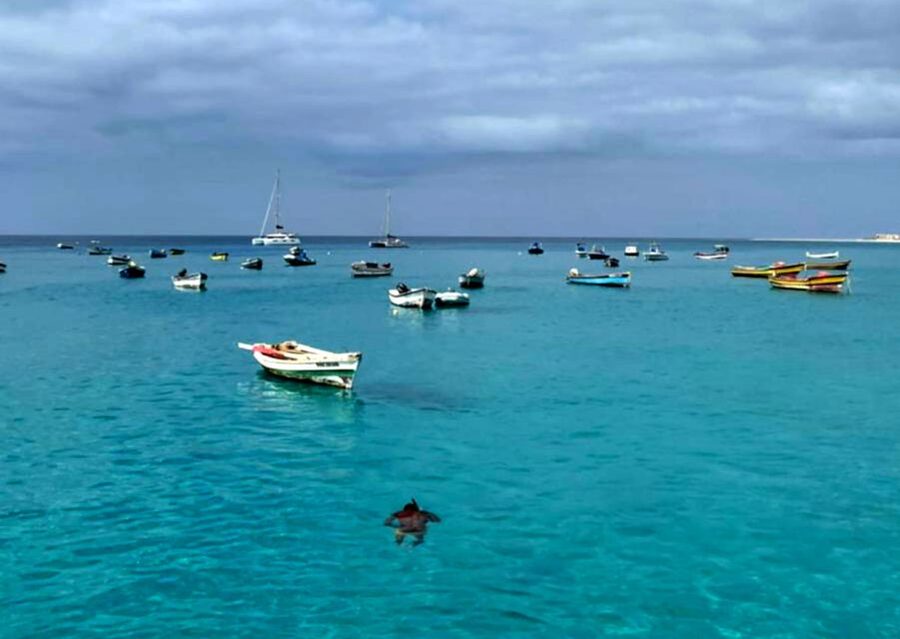
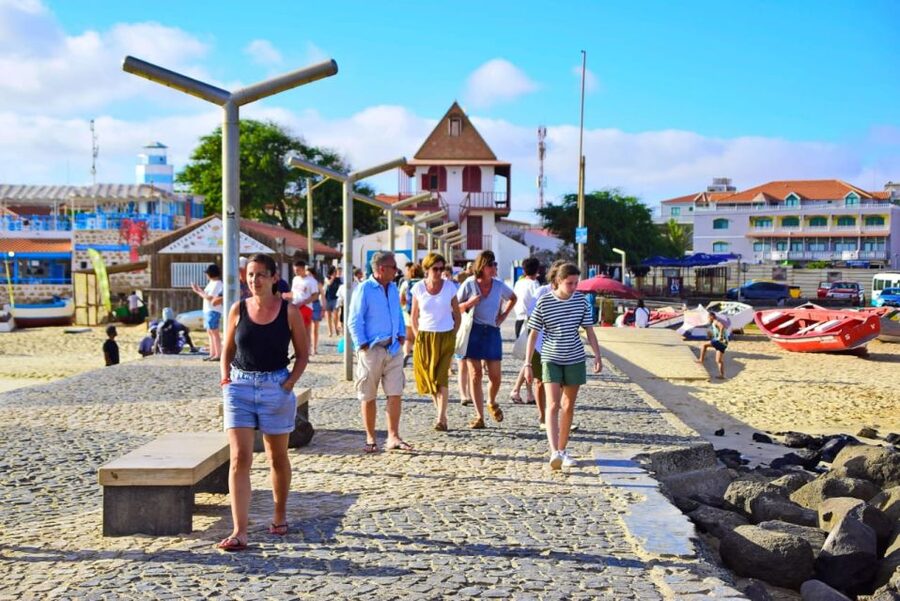
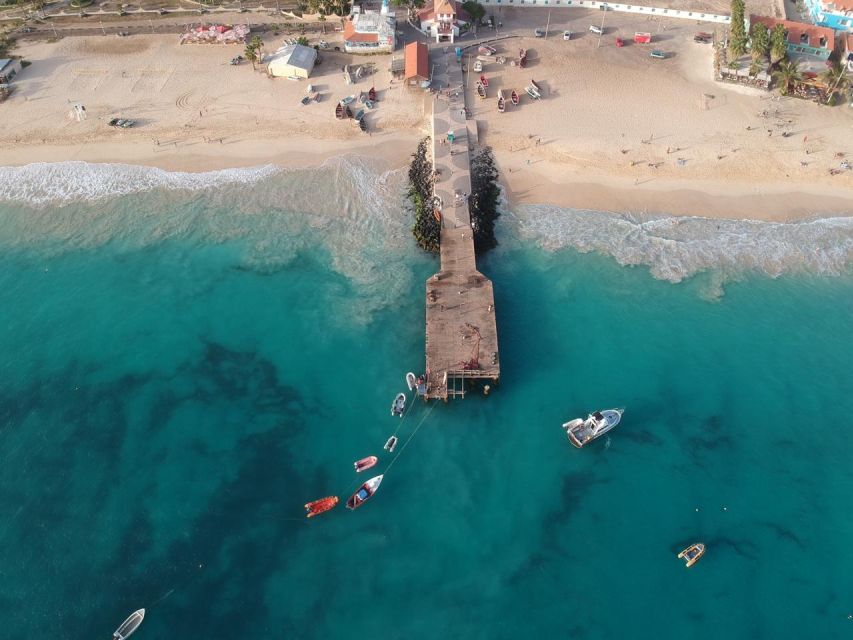
If you want one stop that sets the tone for Santa Maria, it’s Pontão. You start here because it’s the kind of place where Cape Verde feels real, not staged. Pontão was once used for the export of salt, and today it serves as the port of arrival for artisanal boats bringing in fresh fish.
What makes it fun (and worth the camera time) is the mix of activity you’ll see around the pier. There’s the movement of fish sales, and you’ll spot locals using the bridge area—often jumping in right off it. It’s a small slice of island rhythm, and the turquoise water makes the whole scene pop.
This is also a good mental warm-up for the rest of the walk. After Pontão, you’ll have context for what you’re seeing in town: sea work, street life, and why so many souvenirs and stories revolve around everyday needs.
A practical tip: bring comfortable shoes you can trust on uneven pavement. You’ll spend time looking up, walking slowly, and taking photos, and flip-flops usually don’t win.
Santa Maria’s beach and pier views (and why they matter)
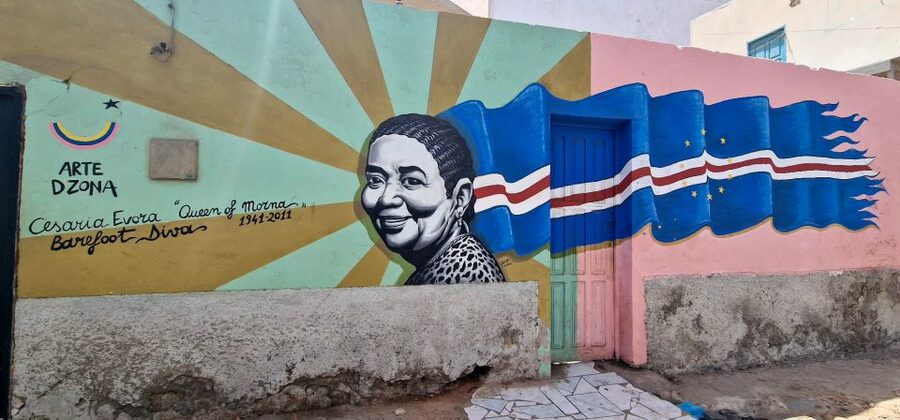
Santa Maria is the most touristy town on Sal, but that doesn’t mean it’s shallow. Right after Pontão, you’ll get a look toward the sandy beach and pier area—the kind of view that makes people understand why this part of Cape Verde draws attention.
The tour includes time to admire the water’s clarity and the overall coastal look. It’s not about lounging. Think of it as orientation: you get bearings fast, and you’ll better understand what parts of town you’ll walk through next.
If you’re sensitive to sun, you’ll want to bring water and keep an eye on your pace. The walking time through city streets is limited, but the heat can still sneak up on you, especially when you’re doing photo stops back-to-back.
A guided street-art stroll through daily Cape Verde life
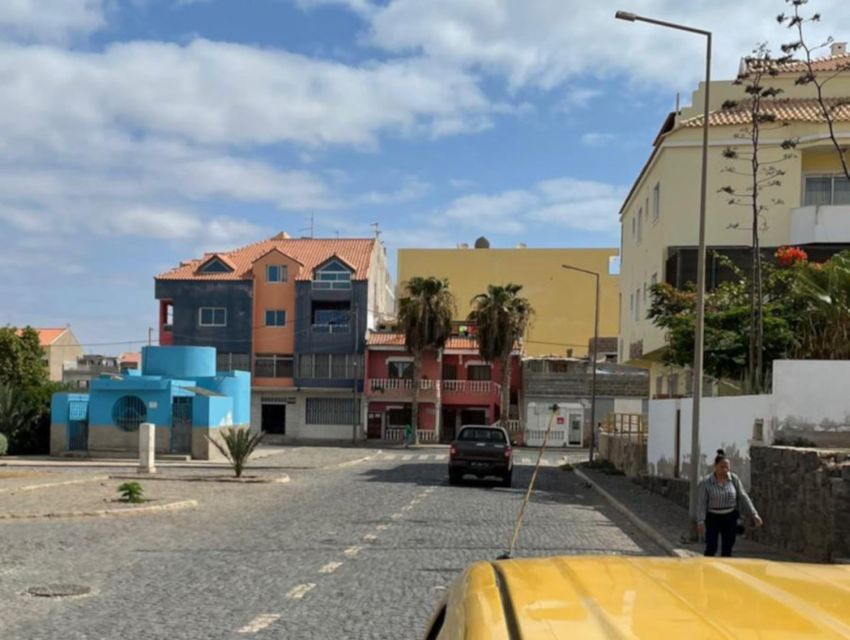
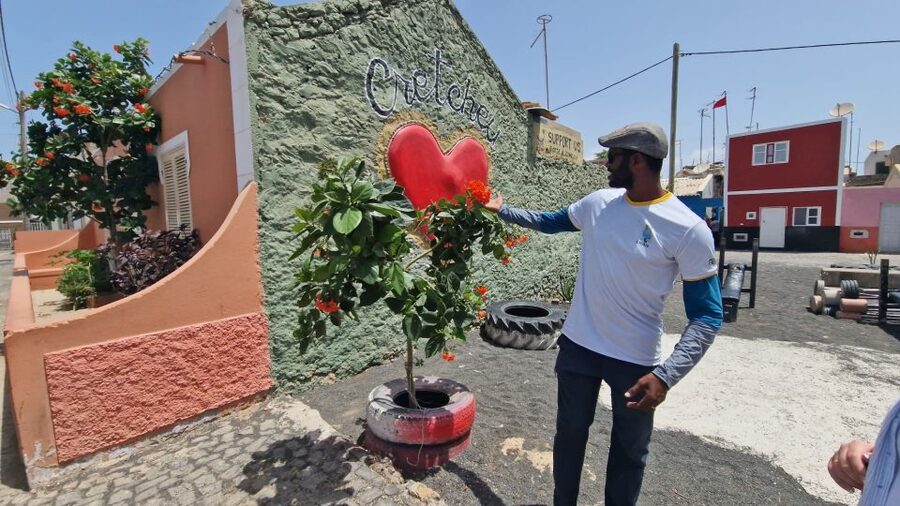
Once you leave the pier area, the tour shifts from coastline to culture. You’ll stroll through Santa Maria’s streets while admiring colorful street art painted on walls around town. The key point is that the art isn’t treated like decoration only. Your guide connects it to culture and daily life—so it feels like a living story, not a mural scavenger hunt.
This portion is where you’ll notice how Santa Maria moves. People are going about normal routines. Shops and small hubs are visible from the sidewalk. And since you’re with a local guide, the street art becomes a shortcut to understanding what the community values.
One more thing: you’ll likely pass by areas where the guide can point out the best places to eat or drink. The description calls out the idea of the hottest bars and restaurants and the local spots worth visiting. Even if you don’t stop in during the walk, these recommendations are useful for planning the rest of your trip.
In short: this stop turns your walk into something with direction.
Tapas and drinks: how the local food stop fits the tour
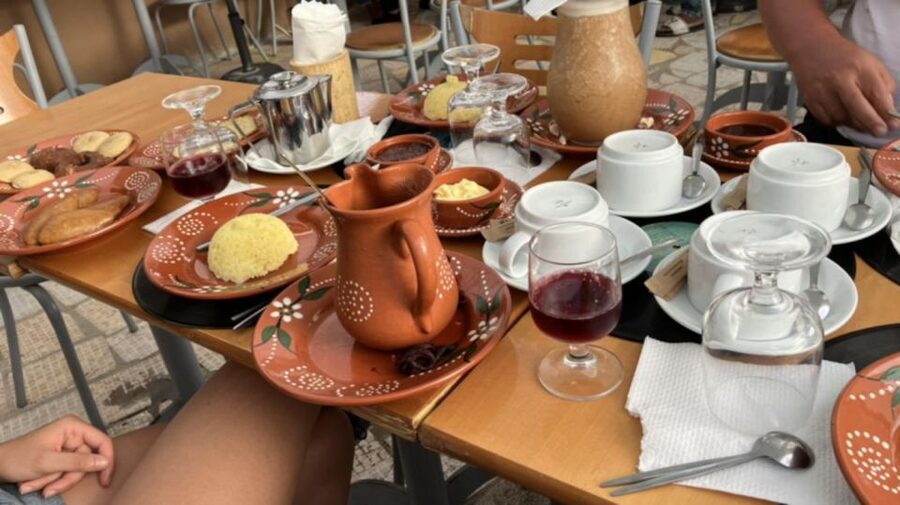
A good tour is built around rhythm. This one does that with a lunch-like break, often in the form of typical Cape Verde flavors and what’s described as tapas. The included taste comes with beverages and snacks, so you’re not stuck deciding what to eat when you’re already tired from walking.
What I like about this food setup is that it solves two problems at once:
- You get local dishes without spending time searching menus in a new place.
- You get a break during the tour when energy usually dips.
This is also where your guide can make the experience feel less like sightseeing and more like meeting the island through taste. In the vibe described by guide behavior, the tapas stop tends to be a high point—people consistently say the tapas are delicious, and that the guide keeps the story moving in a friendly way.
Small drawback to consider: since the tour is not an all-day affair, the tapas portion is meant as a tasting, not a full feast. If you judge value only by how much food you get, you might feel short-changed.
Old photos, old utensils, and a city view that lands the lesson
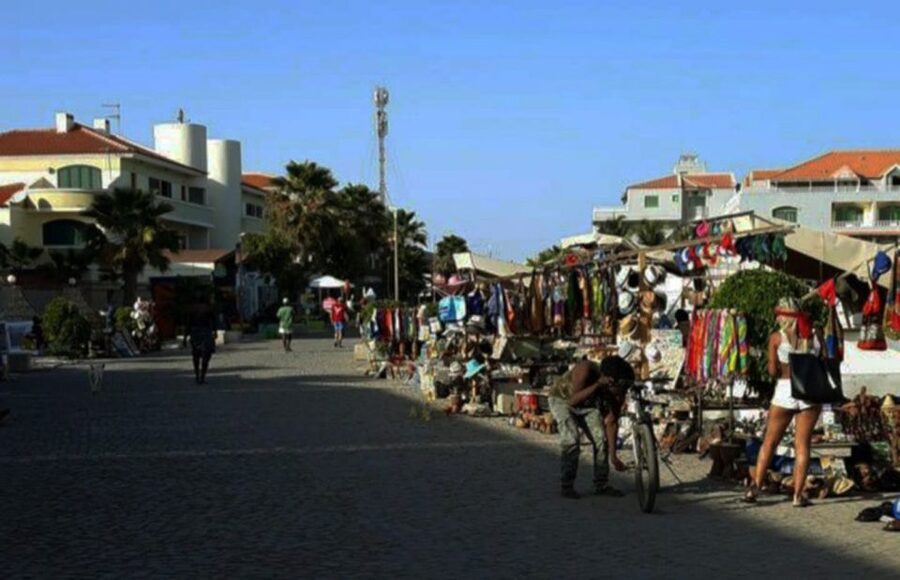
After the food break, you’ll head toward a small exhibition of old photos and utensils. It’s brief, but that’s the point. It gives context to what you’ve already been seeing in streets, murals, and the port area.
Then you get a splendid view of the city from there. That view helps you tie everything together: coast, town layout, where the streets lead, and how Pontão fits into the bigger picture.
I find this kind of stop underrated. A lot of tours either go heavy on facts with no atmosphere, or heavy on photos with no meaning. This one gives you a quick history-culture glance, then rewards your brain with a visual perspective.
Pro move: when you reach the viewpoint, take a moment to look without filming first. It makes your later souvenir shopping more intentional, because you’ll remember what you saw from above.
Souvenirs that make sense: what to look for in Cape Verde craft
The final stretch is the shopping-smart part. You’ll see authentic Cape Verdean arts and souvenirs, and your guide is there to teach you how to distinguish what’s real from what’s just mass-produced.
This matters because Cape Verde is popular with travelers, which means tourist-friendly items can show up anywhere. When you have local guidance, you can ask better questions and spot craftsmanship more confidently—whether that means attention to materials, details, or the way the pieces are presented.
Also, the tour timing helps. You’re not shopping on empty legs. By the time you reach this section, you’ve already walked through the places that inspired the art, so the souvenirs won’t feel random.
One more note: the tour description doesn’t encourage carrying heavy bags anyway—no luggage or large bags. Plan for a day bag that can handle small purchases and keep your walk comfortable.
The guide factor: friendly, story-driven, and practical
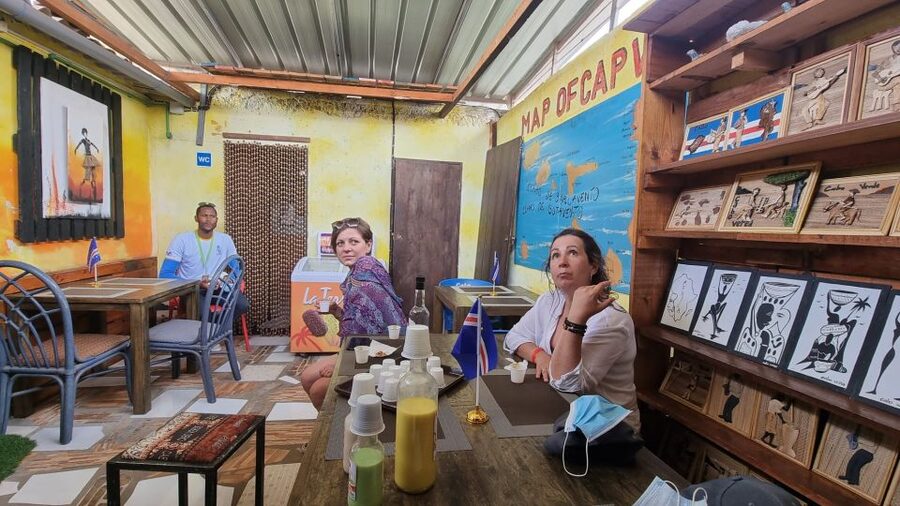
One of the most praised aspects is the guide style. The descriptions focus on an expert local guide who keeps things lively and story-driven—connecting history, street life, and the island’s everyday culture.
In particular, one guide name that comes up is Sean, described as friendly and pleasant, with a strong ability to share history and culture in a way that feels personal rather than like a lecture. Even when you don’t have the same guide, the pattern is clear: you’re not just moved from stop to stop—you’re given explanations that make the walking feel worthwhile.
For you, the practical benefit is simple: you leave with a better sense of where to go next in Santa Maria. Guides in this format often share what to prioritize and what’s mostly for tourists.
Price and logistics: is $147 per group up to 2 worth it?
Let’s talk value without sugarcoating it.
$147 per group up to 2 is not a bargain price, and one of the frustrations that comes up is that for a relatively short outing, the money can feel high if you expected a longer, more intensive day with more stops.
So how do you decide? I’d base it on what you want from a tour:
Book it if you want:
- A focused introduction to Pontão + street art + food tasting
- A guide-led route that saves you from figuring out the town from scratch
- Included snacks and drinks so you get value without extra costs
Skip it (or set lower expectations) if you want:
- A full-day itinerary packed with lots of major sights
- A big meal or a heavy activity schedule
- A lot of time for hanging out beyond photo-worthy moments
Also check your comfort with walking. The tour includes 30 to 50 minutes of walking through town. That’s moderate, but it’s still real time on your feet.
My take: this is priced for convenience and guidance, not for maximum hours. If you’re the type who likes to learn fast and then explore on your own later, it can be a great fit. If you want a day-trip marathon, you might feel the price before you finish the tour.
Who this tour suits best (and who should pick another plan)
This one is a strong match for:
- First-timers in Santa Maria who want an orientation plus culture
- Travelers who enjoy street art and local food more than big-ticket monuments
- People who like being told what to do next, not just where to stand for photos
It’s less ideal for:
- Anyone who dislikes walking in the heat (even though it’s moderate)
- People who need wheelchair access, since it’s not suitable for wheelchair users
Good news if mobility is a concern: the information says a private tour can be personalized for mobility issues. If you’re considering that option, ask ahead so your guide can plan a route that fits you.
Should you book this Santa Maria street-art and tapas tour?
If your ideal day in Sal is short, guided, and flavorful, I’d say yes. The combination of Pontão’s fish-and-sea life, street art that connects to local culture, and an included tapas-style food stop is a practical way to learn the town fast. The guide-driven storytelling is also a big win, with multiple mentions of friendly, energetic explanations (and a guide name like Sean showing up in the mix).
But be honest about what $147 is buying you: it’s buying direction and included tasting, not a long, sprawling itinerary.
So I’d book if you want a smart kickoff to your Santa Maria stay. I’d reconsider if you want hours of marching, or if you’re very price-sensitive compared with longer day trips.
FAQ
Where does hotel pickup happen for this tour?
Hotel pickup and drop-off are available in Santa Maria, Murdeira, and Espargos.
How much does the tour cost?
The price is listed as $147 per group, up to 2 people.
What’s included in the price?
It includes hotel pickup and drop-off, private transportation, a licensed local guide, liability insurance, and typical Cape Verde flavors with beverages and snacks.
Is there walking involved?
Yes. The tour involves a 30 to 50 minute walk through the city, so a moderate fitness level is recommended.
What should I bring with me?
Bring comfortable shoes, water, and comfortable clothes.
Are luggage or large bags allowed?
No. Luggage or large bags are not allowed.
Which languages are available for the guide?
The tour is offered in English, Spanish, Portuguese, and French.
Is it suitable for wheelchair users?
No, it’s not suitable for wheelchair users. The private tour can be personalized for guests with mobility issues.
What’s the cancellation policy?
You can cancel up to 24 hours in advance for a full refund.