REVIEW · UFFIZI GALLERY
Florence: Private Uffizi Gallery Tour
Book on GetYourGuide →Operated by Inside Out Italy · Bookable on GetYourGuide
One museum, two hours, and suddenly Florence feels manageable. The private Uffizi Gallery tour is built for people who want major Renaissance art without getting stuck in a slow-moving line shuffle. You’ll be guided through standout works tied to names like Michelangelo, Botticelli, Caravaggio, Leonardo da Vinci, Raffaello, and Donatello.
What I like most is the private, personalized pace. A guide is essentially at your disposal, and that matters in a museum where crowd density can make it hard to see what you actually care about. I also like that you get skip-the-line through express security, so your time starts sooner and you’re not just watching other people enter the building.
One thing to consider: this option isn’t suitable for people with mobility impairments. Also, like most Uffizi visits, security checks can still happen, even with the express entry setup, so plan to arrive a few minutes early.
In This Review
- Key things that make this Uffizi tour work
- Why a private Uffizi tour feels smarter than doing it solo
- Getting in fast: the meeting point you should find before you worry
- The 2-hour plan: what you actually do in the Uffizi
- Botticelli and the Renaissance crowd-pleasers you’ll recognize instantly
- Michelangelo’s Tondo Doni: when the tour slows you down on purpose
- Caravaggio and the dramatic edge in The Shield with the Head of Medusa
- Leonardo da Vinci’s The Announcement and why the Uffizi context matters
- The supporting cast: Giotto, Vasari, Raffaello, and Donatello on your route
- Guides on the mic: what the best Uffizi tours do with your attention
- How to get the most out of your 2 hours (and not burn out)
- Special note: first Sunday free entry can be worth it, but it’s risky
- Who this private Uffizi tour is best for
- FAQ
- Is the Uffizi tour in Florence a private experience?
- How long is the Florence: Private Uffizi Gallery Tour?
- Can I skip the line at the Uffizi?
- Where exactly is the meeting point?
- What languages are available for the guide?
- What ID do you need to enter?
- Can I stay in the museum after the tour ends?
- Is this tour refundable if plans change?
- Should you book this private Uffizi tour?
Key things that make this Uffizi tour work
- Private group with a guide on your schedule so you can slow down or move on quickly
- Express security check to cut down the early waiting game
- Major masterpieces in a focused 2-hour format instead of getting lost in the full museum
- Multiple languages offered (English, German, Italian, Portuguese, Russian, French, Spanish)
- Headsets included and required back at the end, so you hear every explanation
- You can stay in the gallery afterward for as long as you like
Why a private Uffizi tour feels smarter than doing it solo
The Uffizi is famous for a reason, but fame creates crowds. Without help, you can end up moving fast through rooms you don’t fully understand and missing the works you’d actually want to see twice.
That’s where the private format earns its keep. In a guided setting, you’re not hunting for the “right” route. You’re getting help deciding what to look at first, what matters in the bigger story of Renaissance art, and how to connect different masters without turning your visit into a homework assignment.
Another practical win is time. This is a 2-hour guided experience, and you can still stay longer after the tour. That combo is ideal if you want both structure and freedom: you get your key highlights with a plan, then you choose what deserves extra minutes once you’re inside.
You can also read our reviews of more tours and experiences in Uffizi Gallery.

Getting in fast: the meeting point you should find before you worry
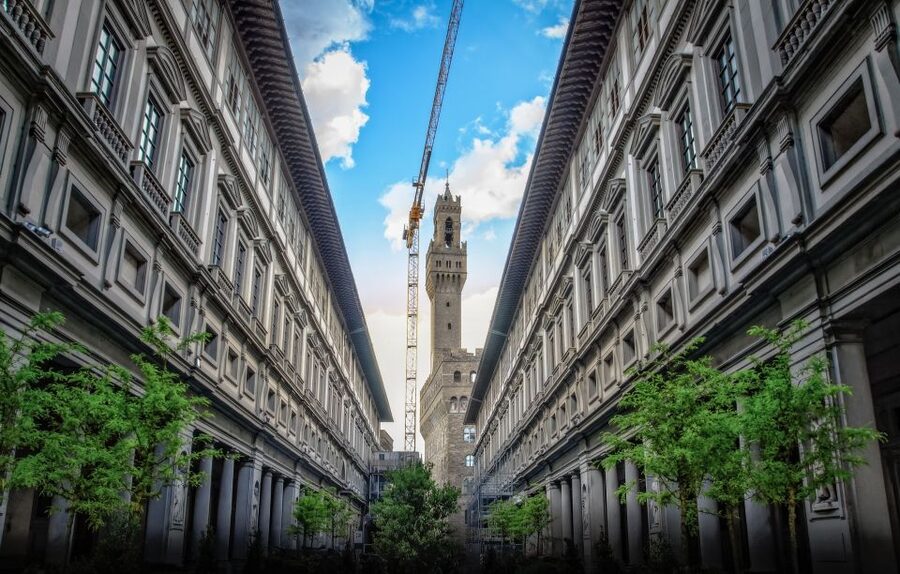
Your guide meet-up is at a very specific spot: look for the local partner’s office next to Via De’ Castellani 14, precisely at Via De’ Castellani 18/red, in front of the general exit of the Uffizi Gallery. The coordinates are 43.7681999, 11.2565050.
I like meeting points that are clear enough to find without a full mental breakdown. This one is, and it helps you arrive calm instead of sprinting through streets while holding your phone at arm’s length.
Also remember: the tour includes skip-the-line via express security check, but you may still be subject to security checks. Arriving early matters because security flow can change.
The 2-hour plan: what you actually do in the Uffizi
Inside, this tour is designed around the Uffizi’s biggest Renaissance touchstones. You’ll spend your guided time with a curated selection centered on iconic works and major artists, including Botticelli, Michelangelo, Caravaggio, Leonardo da Vinci, Raffaello, and Donatello. The goal isn’t to see everything. It’s to see the right things and understand why they’re the center of gravity for Italian Renaissance art.
Your guide’s job is to help you look. That might sound basic, but in a museum like this, “look” is where the value lives. A guide helps you notice patterns, connect themes across artists, and interpret what you’re seeing in a way that’s easier than reading labels alone.
And because it’s private, your pace is your choice. If you’re the type who wants to linger in front of one painting for ten extra minutes, you can. If you’d rather move quickly to the next “big name,” you can do that too.
After your guided portion ends, you’re allowed to remain in the gallery as long as you like. That’s a big deal. It turns a guided highlight tour into a flexible museum day instead of a strict stop-and-go experience.
Botticelli and the Renaissance crowd-pleasers you’ll recognize instantly
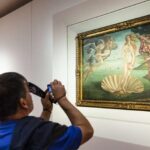
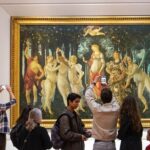
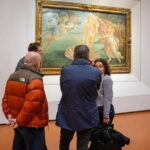
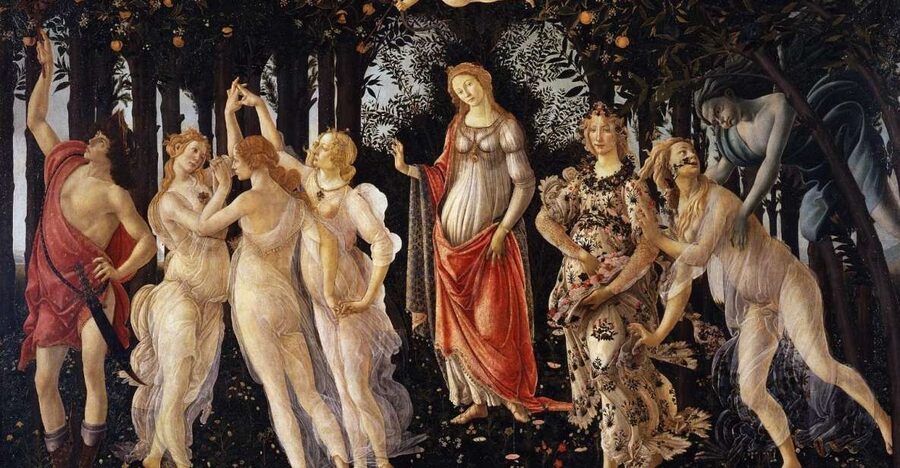
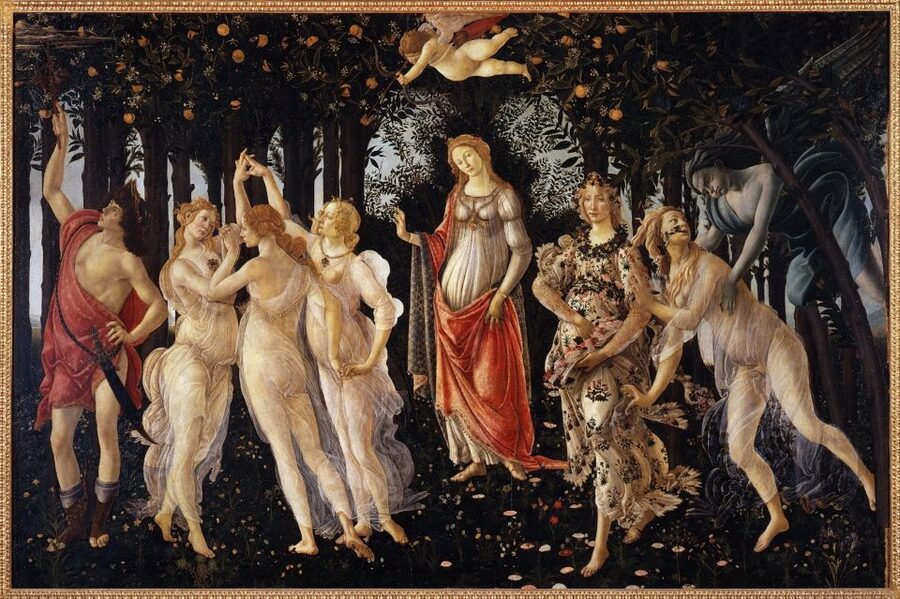
Some artworks grab you even if you’ve never studied art history. On this tour, you’ll see major works connected to Botticelli, including The Birth of Venus and The Spring.
What I like about including Botticelli here is that these are paintings people often already know from books and posters. Seeing them in person is a reality check—in the best way. Scale, detail, and the simple fact of standing close to a master’s work changes how you feel about the image.
A good guide can also help you avoid the common trap: spending your whole visit staring at the most famous area and missing the rest of the painting. In a guided format, you can get direction for what to pay attention to without feeling rushed.
Michelangelo’s Tondo Doni: when the tour slows you down on purpose
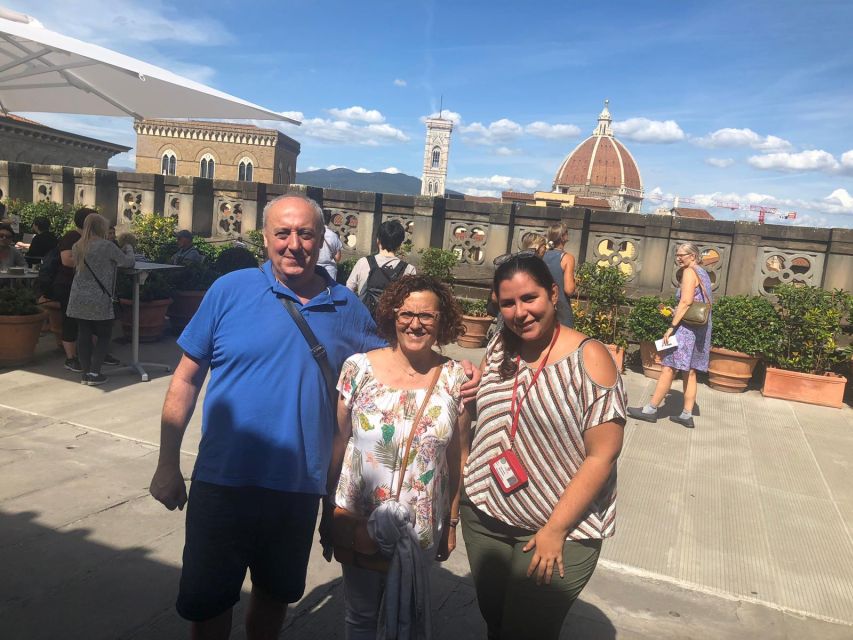
Michelangelo’s contribution on this tour includes Tondo Doni. It’s the kind of work that rewards paying attention rather than just taking a quick photo and moving on.
In a group tour, you sometimes lose your chance to linger. In a private setup, you’re more likely to get the time you need in front of the piece. That’s especially helpful in a museum with heavy foot traffic, where the crowd pressure can push you along even if you want to stop.
This is also a smart stop for first-timers. Michelangelo is a name you hear everywhere in Italy, and seeing one of his works in the Uffizi context helps the Renaissance feel like a connected era instead of disconnected masterpieces.
You can also read our reviews of more museum experiences in Uffizi Gallery



Caravaggio and the dramatic edge in The Shield with the Head of Medusa

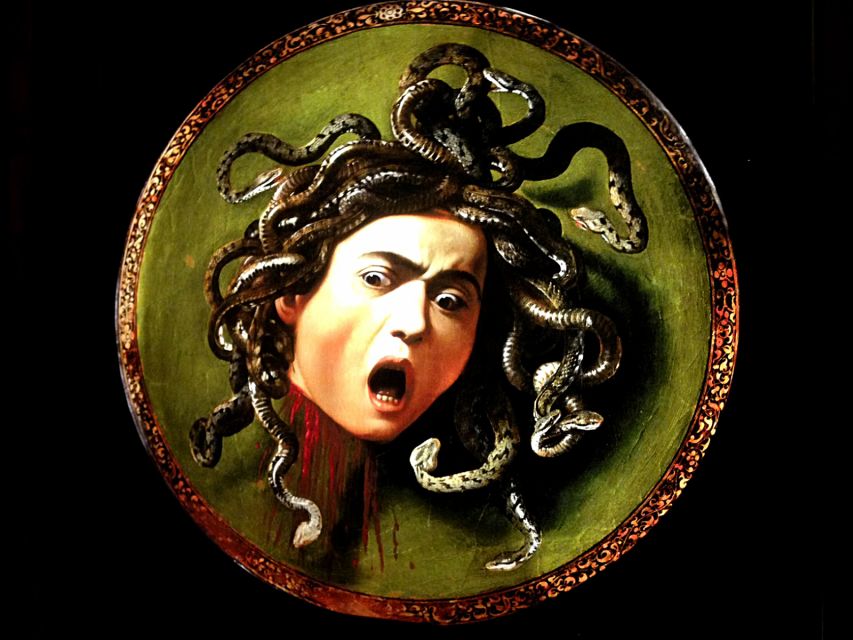
Caravaggio is on the highlight list, with The Shield with the Head of Medusa. Caravaggio’s reputation is often tied to drama and intensity, and that reputation makes people curious fast.
In my view, the value of a guided stop with Caravaggio is that it helps you look at why a painting grabs you—beyond just the famous backstory you might have heard elsewhere. A guide can steer you toward what’s visually effective, and that’s more satisfying than scrolling past the image later.
Also, Caravaggio tends to be the kind of artist that people either love immediately or need a minute to understand. A private guide can respond to your reaction in real time, adjusting the way the explanation lands.
Leonardo da Vinci’s The Announcement and why the Uffizi context matters
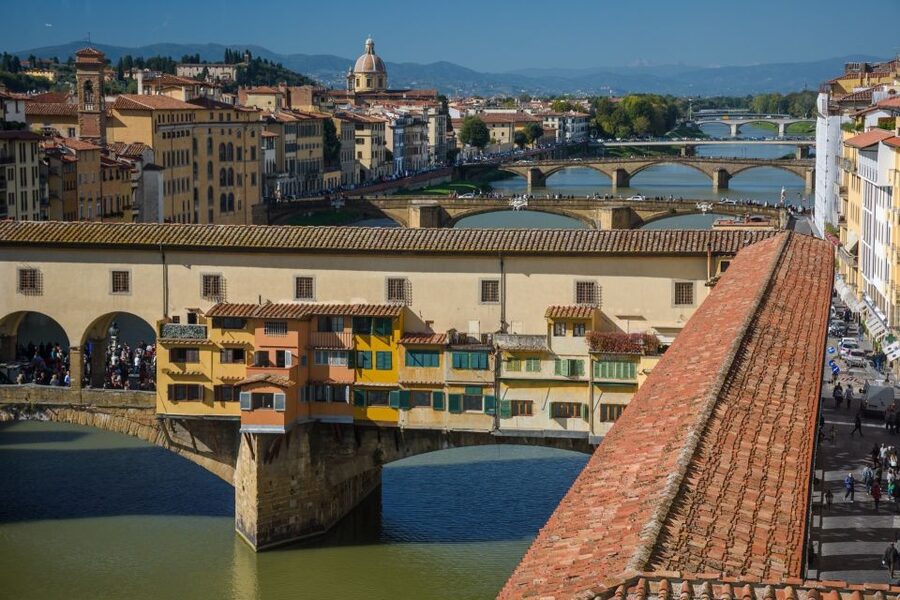
Leonardo’s listed highlight is The Announcement. Leonardo often intimidates people a bit because the name comes with big expectations.
This tour helps you handle that pressure by focusing on one of the Uffizi’s Leonardo works instead of trying to build a full Leonardo thesis in one visit. If you’re curious but not sure what to look for, this is a friendly way in.
The Uffizi itself acts like a translator between eras. Even if you don’t know every term, seeing Leonardo in the same museum setting as artists like Botticelli, Michelangelo, and Caravaggio helps you understand how Renaissance art evolved as a conversation, not a set of separate masterpieces.
The supporting cast: Giotto, Vasari, Raffaello, and Donatello on your route
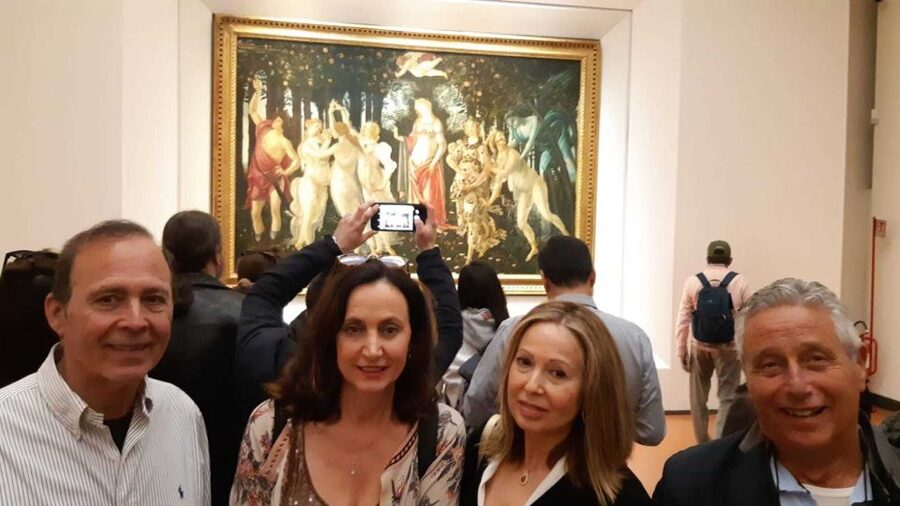
The tour highlights don’t stop at the biggest household names. You’ll also see masterpieces credited to Giotto, Vasari, Raffaello, and Donatello.
This matters because the Renaissance isn’t just one superstar. It’s a chain reaction of influence, style, and evolving technique. Even without going deep into technical analysis, having a guide point out key connections helps you build a mental map of what you’re seeing.
And you’ll notice something practical: when a guide mentions an artist and then gives you a reason to look, you stop treating the museum like a checklist. You start treating it like a story you can actually follow.
Guides on the mic: what the best Uffizi tours do with your attention

This tour uses live guiding and includes headsets, which must be returned at the end. The headset detail sounds small, but it’s a real quality-of-life feature in a busy museum. It helps you hear explanations without leaning on your neighbor or yelling across a room.
The language options are also strong: you can book English, German, Italian, Portuguese, Russian, French, or Spanish. If you’re the type who loses details when you’re translating in your head, choosing your language is one of the best investments you can make.
The reviews associated with this experience highlight guides like Manuela and Steffi. One guide stood out for excellent German delivery, and another was noted for being a great fit even when children were part of the group. That’s exactly what you want: teaching that matches your group, not just reciting dates.
How to get the most out of your 2 hours (and not burn out)
Two hours in the Uffizi is enough for the big wins, but only if you plan to do less than you think. Don’t try to see every room. Instead, treat your guided time like the backbone of your visit.
Here’s how to make it work:
- Pick a few artists you already love, then let your guide fill in the bridges.
- If you feel your attention sliding, pause and ask your guide to point out what to notice next.
- After the guided portion, choose one or two works for a second look. That’s when the museum starts to feel personal.
Also, don’t underestimate the value of staying afterward. Once the guide is done, you can slow down without pressure. You’ll have already gotten the key context, so your own exploring feels guided rather than random.
Special note: first Sunday free entry can be worth it, but it’s risky
On the first Sunday of each month, entrance is free of charge. However, tickets can’t be reserved ahead of time, and entry is not guaranteed.
If your goal is certainty, this tour’s express entry approach is safer. If you’re flexible and love the thrill of trying your luck, first Sunday can be tempting—but you should be prepared for uncertainty.
Even on free days, you may still face security checks, so the museum day is still a museum day.
Who this private Uffizi tour is best for
This is a great match if you want:
- a private experience instead of a fixed group schedule
- a 2-hour art hit that doesn’t steal your whole day
- big-name Renaissance highlights, guided by someone who can explain as you go
- a clear plan with the option to stay longer after
It’s also a solid choice for language comfort, since you can select among many guide languages. And if you have kids, the tour format has shown it can work well when the guide adapts to family attention spans.
FAQ
Is the Uffizi tour in Florence a private experience?
Yes. This is a private group tour with a live tour guide.
How long is the Florence: Private Uffizi Gallery Tour?
The duration is 2 hours.
Can I skip the line at the Uffizi?
You get skip-the-line through express security check. You may still be subject to security checks.
Where exactly is the meeting point?
Meet next to Via De’ Castellani 14, at Via De’ Castellani 18/red, in front of the general exit of the Uffizi Gallery.
What languages are available for the guide?
The guide is available in English, German, Italian, Portuguese, Russian, French, and Spanish.
What ID do you need to enter?
Bring a passport or ID card. For children, passport/ID card is required. A copy is accepted.
Can I stay in the museum after the tour ends?
Yes. After the tour, you may remain in the gallery as long as you like.
Is this tour refundable if plans change?
You can cancel up to 24 hours in advance for a full refund.
Should you book this private Uffizi tour?
If you want Renaissance highlights without the stress of figuring out a route, this is an easy yes. The combo of private pacing, express security entry, and the ability to stay afterward gives you both efficiency and freedom.
I’d especially recommend it if you’re short on time in Florence, you care about specific artists like Botticelli, Michelangelo, Caravaggio, Leonardo da Vinci, Raffaello, or Donatello, or you don’t want your visit controlled by other people’s attention spans.
The main reason to think twice is mobility needs—this is not suitable for people with mobility impairments—or if you’re comfortable doing the Uffizi self-guided and don’t value a live guide to help you decide what to focus on.