REVIEW · UFFIZI GALLERY
Florence: Uffizi Gallery Masterpieces Small Group Tour
Book on GetYourGuide →Operated by Through Eternity Tours · Bookable on GetYourGuide
Renaissance art moves fast when someone guides you. I like that this tour gives skip-the-lines access and keeps things intimate with a small group of up to 9, so you spend more time looking and less time stuck in lines. The trade-off is that the visit is only 2.5 hours, so you’re seeing key masterpieces and themes, not every single room.
My favorite part is how the guide strings the paintings into a clear timeline, from late-Medieval thinking to new ideas about perspective and light. You’ll also end with a walk outside connected to the Medici—an excellent change of pace from the gallery rooms. One practical consideration: the museum involves some steps and stairways, so comfortable shoes matter.
In This Review
- What I’d Focus on First (Quick Key Points)
- Getting There: Meeting at Piazza della Signoria and Starting Smart
- Express Entry and Headsets: Why a Small Group Changes Everything
- The Renaissance Storyline: From Cimabue and Giotto to Masaccio’s Space
- Botticelli’s Birth of Venus Through a Timeline Lens
- Leonardo and Raphael: Genius Explained Without the Fog
- Titian and Michelangelo: Color, Form, and the Doni Tondo Moment
- Caravaggio’s Chiaroscuro: Seeing Light as a Weapon
- The Vasari Corridor Walk: A Medici Crossing With Views Over the Arno
- Price and Value: Is $156.33 Worth It for 2.5 Hours?
- Who This Tour Fits Best (And Who Might Prefer Something Else)
- Should You Book This Uffizi Small-Group Tour?
- FAQ
- How long is the Florence Uffizi Gallery Masterpieces small-group tour?
- Where do I meet the guide for the Uffizi Gallery tour?
- Is the group size small, and do we get headsets?
- Does the tour include skip-the-line access?
- Does the tour include food or beverages?
- Is the tour wheelchair accessible?
- Can I cancel and get a refund?
What I’d Focus on First (Quick Key Points)
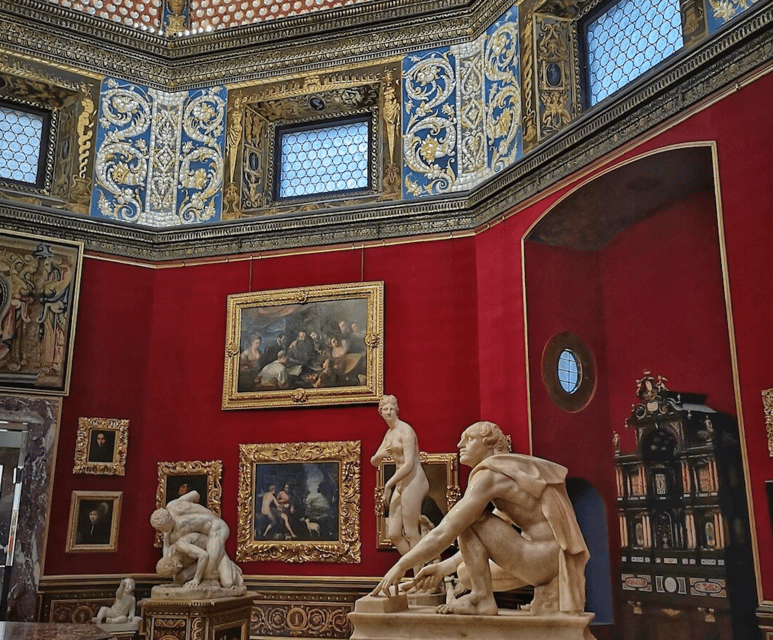
- Skip-the-lines security helps you get into the Uffizi experience sooner
- A Renaissance timeline that moves from Cimabue/Giotto through Masaccio and beyond
- Major masterpieces on the route like Botticelli’s Birth of Venus and Michelangelo’s Doni Tondo
- Caravaggio’s chiaroscuro explained so the drama makes more sense
- Outdoor finish by the Vasari Corridor with a view down toward the Arno and Ponte Vecchio
Getting There: Meeting at Piazza della Signoria and Starting Smart
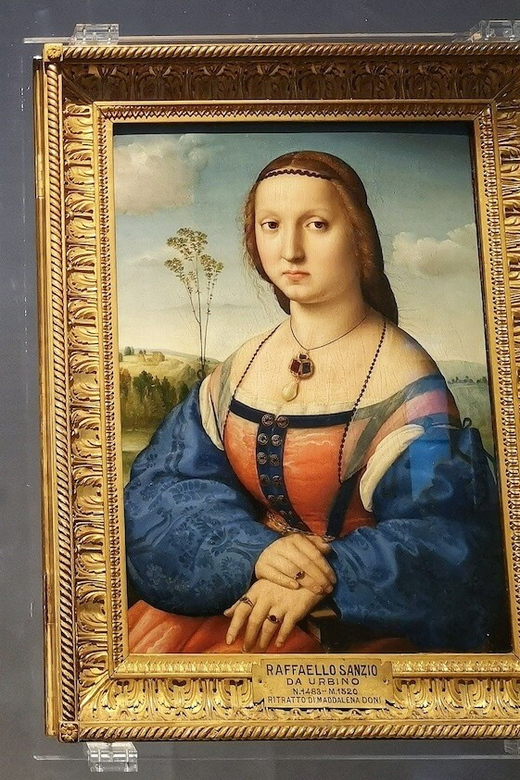
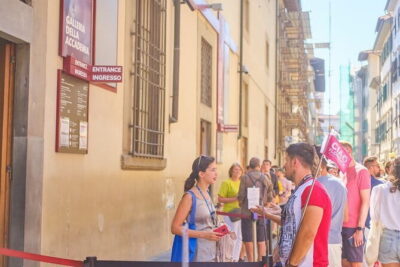
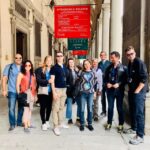
You meet your guide at the equestrian statue of Cosimo I, in Piazza della Signoria, at number 16R. Look for a Through Eternity sign or flag so you don’t lose time searching. This matters because the group can’t wait for late arrivals.
The tour keeps you moving inside and out, and it’s designed to feel efficient without rushing. You’ll want to arrive around 10 minutes early, then settle in comfortably with your water and shoes ready. If you have any mobility concerns, flag that during booking so the team can guide you toward the best fit for your situation.
This tour is also explicitly set as not suitable for wheelchair users, and it includes museum steps and stairways. If that affects you, plan an alternative that better matches your needs.
You can also read our reviews of more museum experiences in Uffizi Gallery
Express Entry and Headsets: Why a Small Group Changes Everything
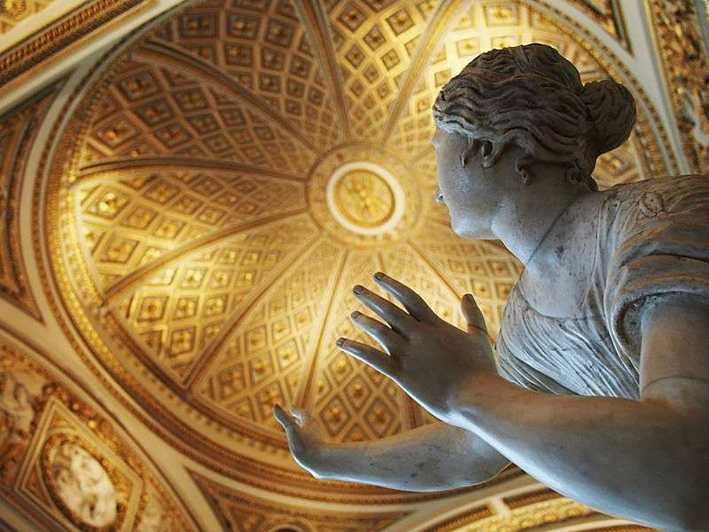
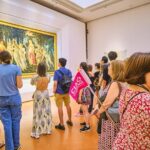
Even if you’ve been to big museums before, the Uffizi can feel chaotic when you’re trying to read labels, spot artists, and understand why each work matters. Here, you’re not alone in the crowd—you’re with a guide and (for groups of 6 or more) you’ll have headsets, which helps when the group clusters near the paintings.
That headset detail is quietly important. In art museums, it’s easy to miss the point if you’re straining to hear. With the audio support, you can focus on the painting instead of chasing your guide’s voice.
And yes, the tour includes skip-the-lines access via an express security check. You’re still inside a museum that’s popular, but you start your session without burning half your time in queues. If your Florence days are packed, that time-saving piece is a real value.
The Renaissance Storyline: From Cimabue and Giotto to Masaccio’s Space
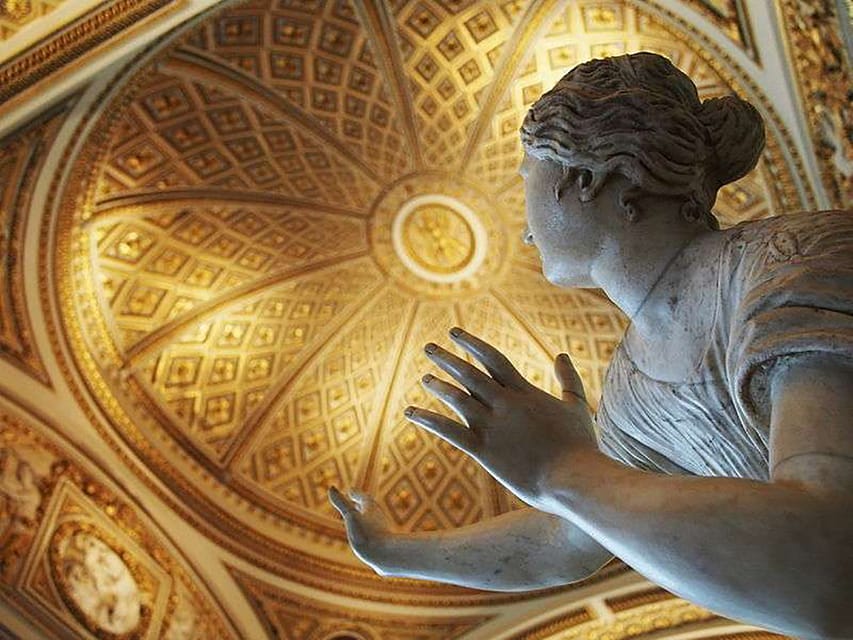
The tour starts by building the Renaissance story from the ground up. It begins with how art changes as society moves slowly out of the Middle Ages. That transition sounds abstract until the guide points out what’s visible in the paintings.
You’ll start with late-medieval examples linked to Cimabue and Giotto, and the key idea is the relationship between the human and the divine. These works help you see that religious art wasn’t just decoration—it carried a specific worldview. When you notice how that worldview shifts, the later Renaissance breakthroughs feel less like magic and more like progress.
Then comes Masaccio, and this is where the tour really earns its keep. You’ll look at his revolutionary experiments with three-dimensional space. Translation: you start seeing depth and form in a way that feels more human and grounded, not flat and symbolic. Once you catch that shift, the rest of the gallery tour clicks into place.
What I like about this setup for your day is that it gives you a mental checklist. Instead of randomly admiring famous names, you can track how artists were changing technique to rethink reality.
Botticelli’s Birth of Venus Through a Timeline Lens
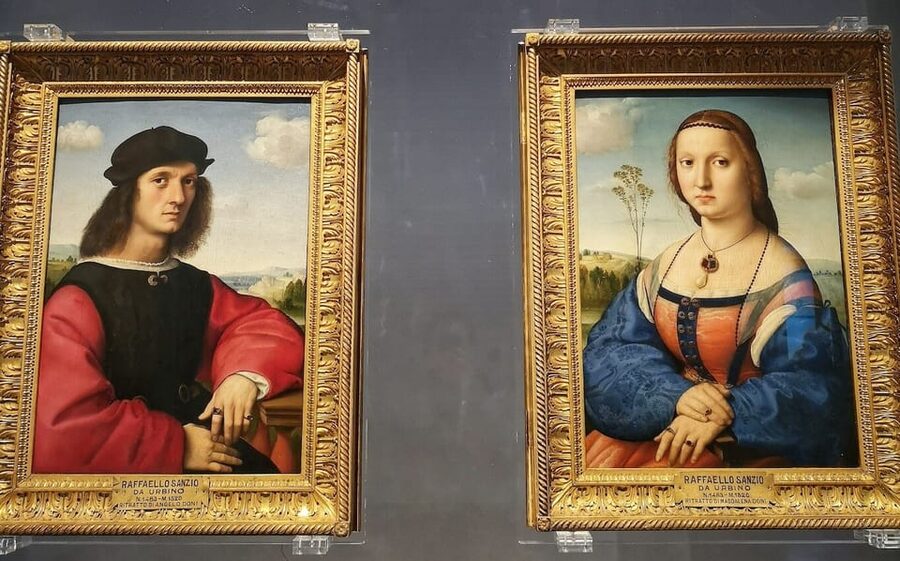
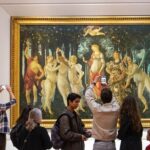
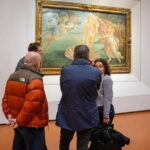
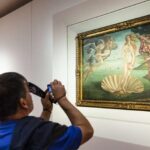
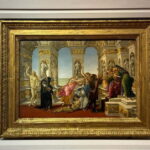
At some point, you’ll reach the painting most people come for: Sandro Botticelli’s Birth of Venus. But the point here isn’t just to say you saw it. The guide’s earlier Renaissance timeline makes the work feel like a product of a changing mind, not just a famous image.
You’re introduced to the broader forces shaping this era—how new thinking about people, form, and classical ideas influences what artists decide to paint. That context matters because Botticelli is easy to admire for beauty alone, but harder to read for meaning when you only stare at the surface.
This is a small-group format, so you’re close enough to actually look. I find that makes a difference with works like Venus: you notice details and edges instead of just taking a photo and moving on.
Leonardo and Raphael: Genius Explained Without the Fog
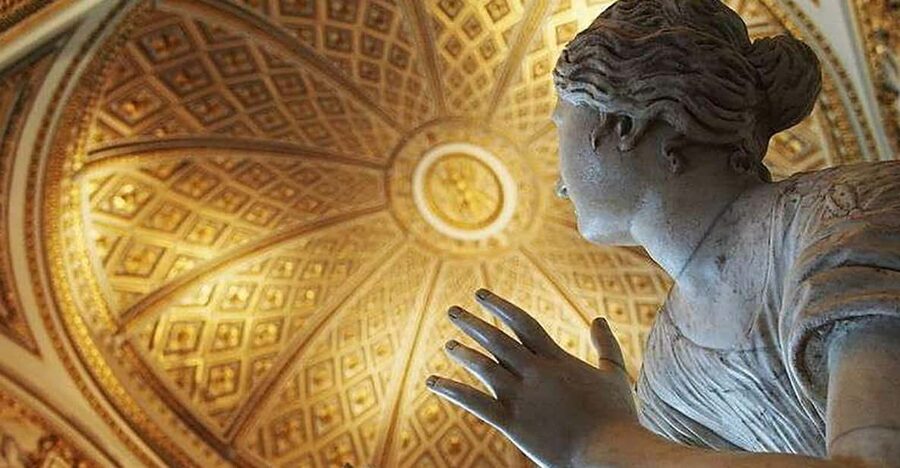
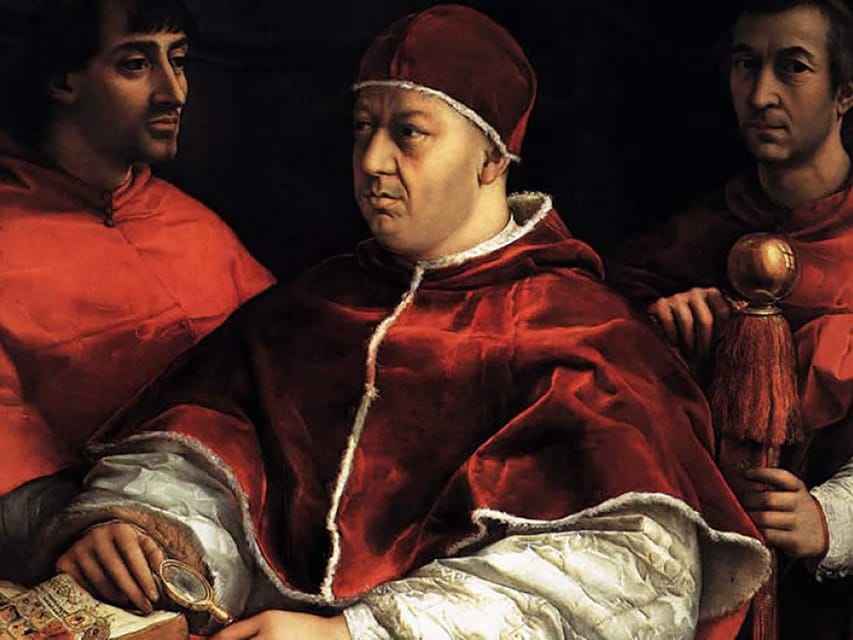
Next, you’ll get an introduction to Leonardo da Vinci and Raphael, with the guide connecting their genius to what was happening in art around them. The big benefit for you is structure. Leonardo and Raphael can feel overwhelming when you walk through a museum without a plan, because their importance is obvious but the “why” can be fuzzy.
On this tour, you’re not left to figure it out alone. You’re given a clear lead-in, so when the paintings come up, you have a sense of what to watch for—how the artists approach composition, idealization, and the feeling of lifelike presence.
That kind of framing is especially helpful if it’s your first time in the Uffizi. Even if you know the names, you’ll likely leave with a better grip on the era’s artistic logic.
Titian and Michelangelo: Color, Form, and the Doni Tondo Moment
From Leonardo and Raphael, the tour shifts to Titian, known here for sensuous, colorful works. Again, the timeline approach matters. When you understand the move toward different ways of representing the human figure and emotion, Titian’s color choices become more than pretty paint.
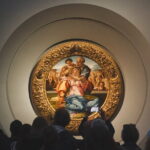
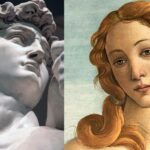
Then you encounter Michelangelo’s Doni Tondo. This is the kind of work that hits differently when you understand what Michelangelo is doing with form and presence. The “Tondo” itself is a spotlight moment, because you’re seeing a powerful example of High Renaissance thinking in a specific format, and the guide helps you notice what makes it feel distinct.
If you’ve ever felt like Renaissance art in museums was either too technical or too vague, this is the sweet spot. You get enough explanation to understand choices, but not so much that you stop looking.
Caravaggio’s Chiaroscuro: Seeing Light as a Weapon
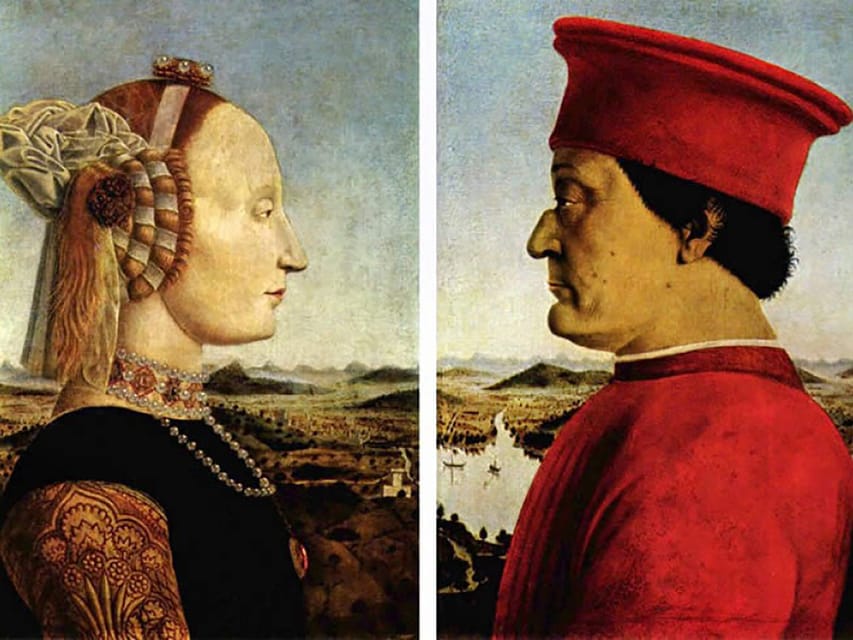
Then the tour turns serious, in the best way. You’ll face Caravaggio’s works and their terrifying approach to chiaroscuro—the dramatic contrast of light and dark.
What I appreciate is that the guide doesn’t treat this as a random style label. You’ll learn how Caravaggio succeeded in inventing a new pictorial language. In other words, light isn’t just lighting. It’s directing your attention, creating emotion, and changing the way the scene feels physically present.
This portion is often the most memorable because it’s so different from the smoother idealization you may associate with earlier Renaissance art. You walk in expecting “great paintings,” and you walk out feeling the shift in how images can hit you.
The Vasari Corridor Walk: A Medici Crossing With Views Over the Arno
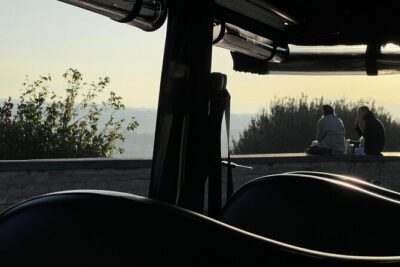
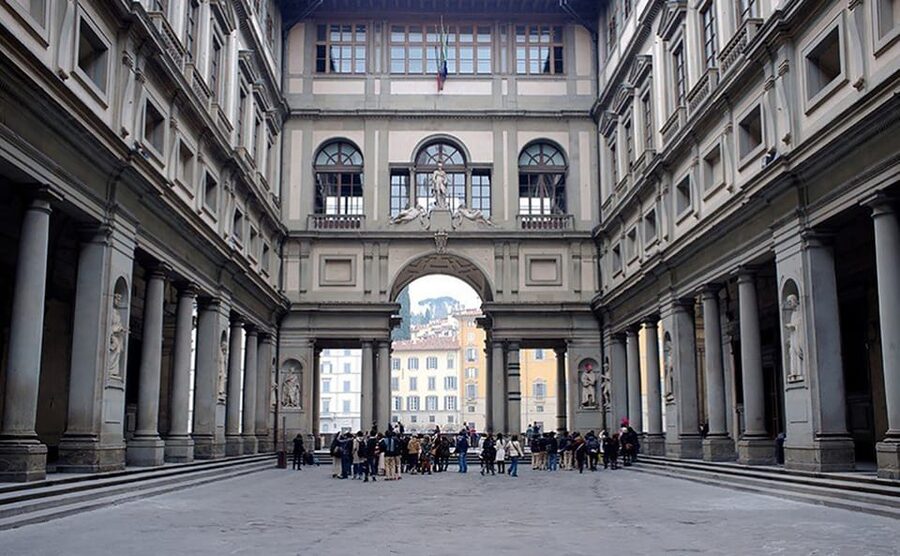
The tour ends with something you might miss on your own: a walk along the outside of the Vasari Corridor. This arcaded walkway was built to let the Medici family cross the city without mixing with the general populace. It’s a fascinating reminder that art and power were tightly connected in Florence.
As you gaze toward the Ponte Vecchio direction and look down at the river Arno, the whole Renaissance story feels broader. These masterpieces weren’t created in a vacuum. They were part of a city where elites shaped cultural life—and where passage, walls, and visibility mattered.
It’s a smart finale too. After hours of indoor looking, the outdoor air gives your eyes a rest. And because it’s tied to the Medici story, it doesn’t feel like a random sightseeing add-on.
Price and Value: Is $156.33 Worth It for 2.5 Hours?

At $156.33 per person for a 2.5-hour small-group tour, you’re paying for four things that add up fast in Florence: (1) the guide’s interpretation, (2) the efficiency of skip-the-lines security, (3) the small group cap of 9 participants, and (4) headsets when the group is large enough for audio clarity.
What you’re not paying for is transportation or food and beverages—so plan to handle meals and getting to/from the meeting point on your own.
To me, the value is strongest if you want more than a photo stop. If you enjoy learning how art evolved—why artists changed techniques and how that shows up in specific works—this format is built for you. If you prefer total independence and long wandering with minimal guidance, you might decide to visit on your own.
Who This Tour Fits Best (And Who Might Prefer Something Else)
This is a great fit if you’re:
- In Florence for a short stay and want the Uffizi highlights with context
- Interested in the Renaissance as a timeline, not just a stack of famous names
- Someone who benefits from a guide tying technique to meaning (space, light, form)
It may be less ideal if you:
- Need a wheelchair-accessible route, since the tour is not suitable for wheelchair users
- Want unlimited time in the gallery without structure (this one is intentionally timed)
Should You Book This Uffizi Small-Group Tour?
I’d book it if you want the Uffizi to make more sense quickly. The mix of Renaissance evolution, big-ticket masterpieces (Botticelli, Leonardo, Raphael, Titian, Michelangelo, Caravaggio), and the thoughtful outdoor ending makes this feel like a complete mini-experience, not just a checklist.
If you’re the type who can stare at artworks for hours and doesn’t need context, you might be happier with a self-guided day. But if you want your time to feel efficient and meaningful, this tour is one of the best ways to get a clear story out of the world-famous collection.
FAQ
How long is the Florence Uffizi Gallery Masterpieces small-group tour?
The tour lasts 2.5 hours.
Where do I meet the guide for the Uffizi Gallery tour?
Meet your guide at the equestrian statue of Cosimo I, Piazza della Signoria, 16R, 50122 Firenze FI, Italy. Look for a Through Eternity sign or flag.
Is the group size small, and do we get headsets?
Yes. The small group is limited to 9 participants. Headsets are provided for groups of 6 or more.
Does the tour include skip-the-line access?
Yes. The tour includes skip-the-lines access through an express security check.
Does the tour include food or beverages?
No. Food and beverages are not included.
Is the tour wheelchair accessible?
No. The tour is not suitable for wheelchair users. You can advise about mobility concerns during booking so the provider can accommodate when possible, but the tour itself is not wheelchair-friendly.
Can I cancel and get a refund?
Yes. Free cancellation is available up to 24 hours in advance for a full refund.