REVIEW · SAN MIGUEL DE ALLENDE
San Miguel de Allende, Art Walking Tour
Book on GetYourGuide →Operated by Mexico Raices · Bookable on GetYourGuide
Art in San Miguel de Allende is a street sport.
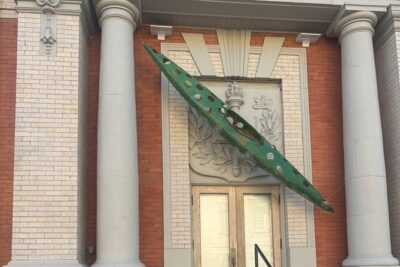
I like tours that make you look instead of just pass by, and this one does that well, with a certified guide steering you through major galleries and cultural spaces. You also get the town’s art story told through the people who make it—so colonial architecture and contemporary creativity don’t feel like separate worlds.
Two things I especially like: the range of formats you’ll see (from modern and contemporary work to abstract pieces, murals, installations, and workshops), and the guide attention that keeps the walk feeling personal. In one version of the tour, I’d expect highlights like ceiling frescoes in a former convent vibe, plus hands-on creativity such as a workshop connected to the iconic Mojiganga puppets.
One consideration: you’re on your feet for about 1 hour 40 minutes to 2 hours, and while it’s not a hardcore workout, parts are uphill. Bring comfortable shoes and be ready for a medium walking pace over uneven historic streets.
In This Review
- Key highlights worth planning for
- Why San Miguel de Allende art feels different on foot
- Starting at Museo La Esquina: setting your eye in the first 15 minutes
- Centro Cultural Ignacio Ramírez El Nigromante: guided context you can feel
- The 30-minute San Miguel de Allende walking segment: where art meets the streets
- Finishing at Instituto Allende (Bodas y Eventos): creativity in an institutional setting
- What kinds of art you’ll actually see (and how to compare them)
- The walking rhythm: how the 2 hours feels in real life
- Price and value: why $39 can make sense here
- Who this tour fits best (and who should skip it)
- Tips to get more from the guide and the galleries
- Should you book this San Miguel de Allende art walking tour?
- FAQ
- What is the duration of the San Miguel de Allende art walking tour?
- Where does the tour start?
- Is the tour guided, and what languages are offered?
- What is included in the price?
- What should I bring?
- Are drones or alcohol allowed?
Key highlights worth planning for
- Major gallery stops that help you understand why San Miguel became a magnet for artists from many countries
- Art history told by makers’ perspectives, not just dates and labels
- A style mix you can actually compare: modern, contemporary, abstract, murals, and installations
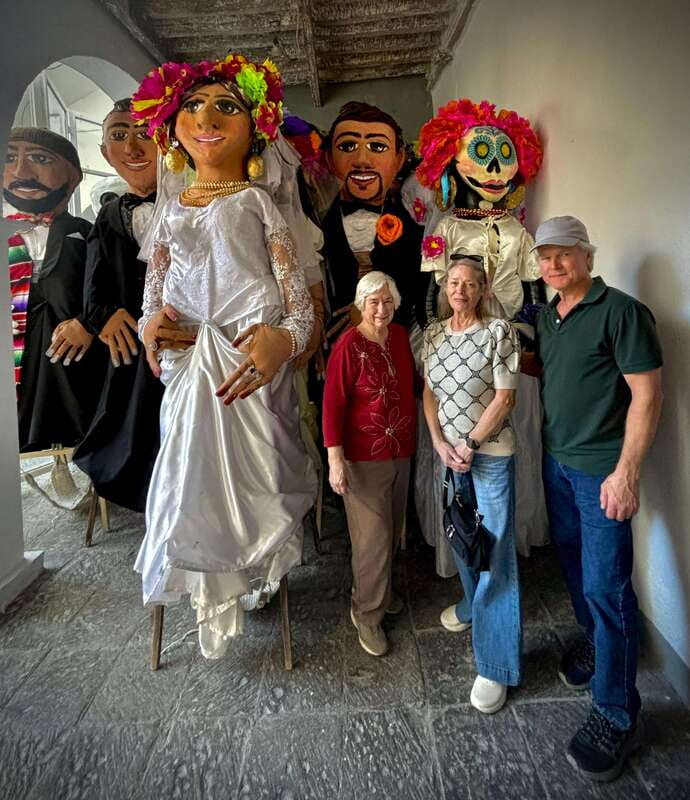
- Workshop moments, including a chance to see creativity tied to Mojiganga puppets
- A friendly, organized guide who adjusts explanations to what you care about (many groups cite Luis or Luis Mario as a standout)
Why San Miguel de Allende art feels different on foot
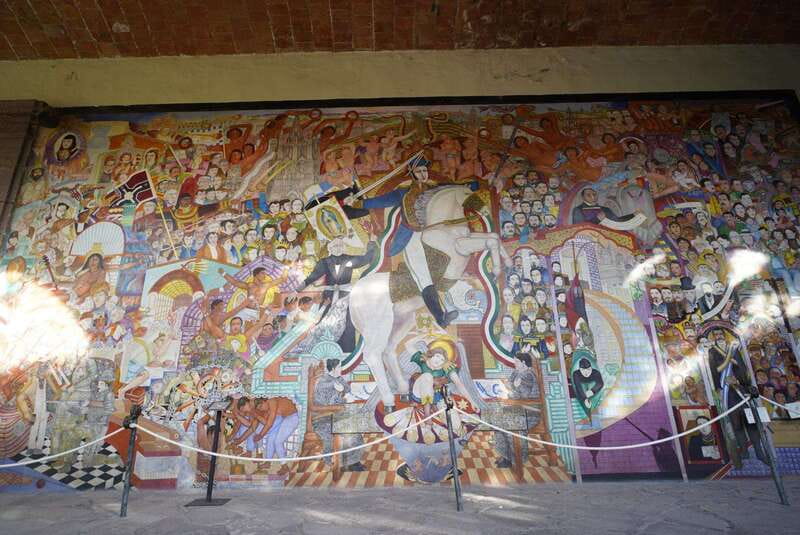
San Miguel de Allende is a place where art doesn’t sit politely behind glass. You’ll see it in gallery rooms, yes—but also in murals, installations, and the way creative people use old spaces as new stages. Walking is the right way to understand that. The streets gradually shift your mood: from quiet courtyards to bright storefront galleries to bigger cultural venues that feel like they’re designed for conversations.
What makes this tour practical is that you’re not just chasing famous names. You’re learning how the art ecosystem works in a town with a folkloric colonial atmosphere. That matters, because San Miguel’s art scene didn’t appear overnight. There’s a clear through-line: artists arrived as early as the 1940s, and each wave brought different styles, techniques, and ideas—then adapted them to the town’s visual language.
You can also read our reviews of more tours and experiences in San Miguel De Allende.

Starting at Museo La Esquina: setting your eye in the first 15 minutes
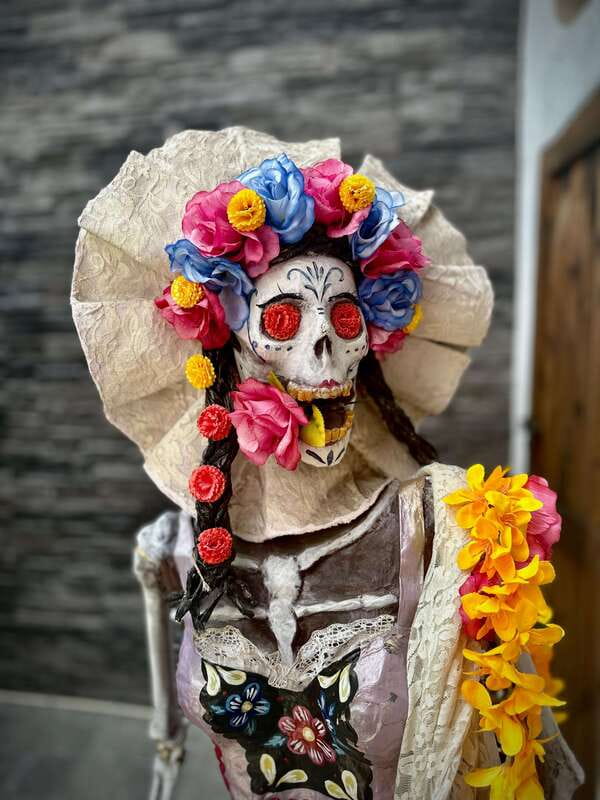
The tour begins at Museo La Esquina, at the museum entrance. This is a smart starting point because it gets you oriented fast. Before you hop into the next stop, your guide helps you start noticing the small cues that make art feel connected to place—materials, color choices, recurring visual themes, and how “history” can show up in contemporary expression.
Even if you already feel confident about art, the benefit is you’ll train your eye for comparisons as the walk continues. You’ll also learn what kind of questions to ask while you’re moving: What is the artist reacting to? How does the work relate to the town? Why is that medium showing up here?
Centro Cultural Ignacio Ramírez El Nigromante: guided context you can feel
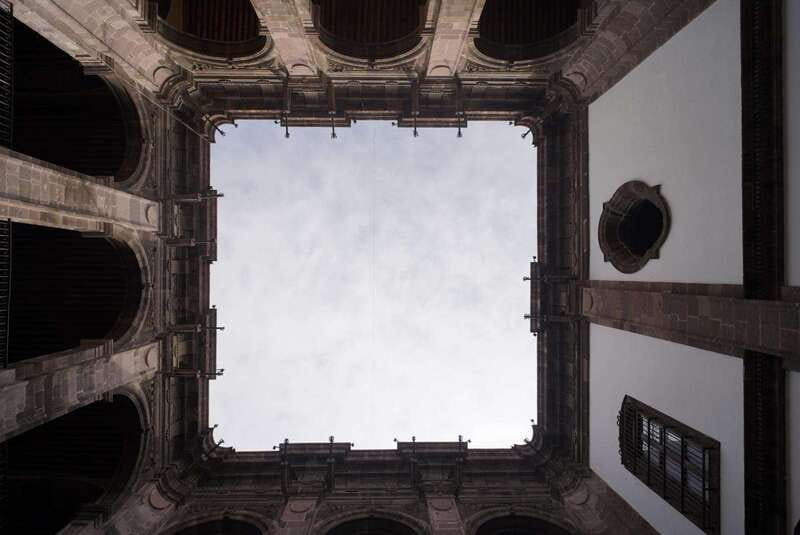
Next comes Centro Cultural Ignacio Ramírez El Nigromante, with a guided visit. This stop is where the tour tends to shift from general appreciation into clearer meaning. You’re not just looking at pieces; you’re being taught how to read the story around them—expositions, challenges artists face, and the way new concepts land in a traditional setting.
This is also where the tour’s format helps. A guide can do what guidebooks usually can’t: slow you down at the right moment. You’ll spend time with the art, then step back and connect it to the broader idea of San Miguel as a creative hub. That connection is the real value. Without it, you’d still enjoy pretty galleries. With it, you understand what you’re seeing.
The 30-minute San Miguel de Allende walking segment: where art meets the streets
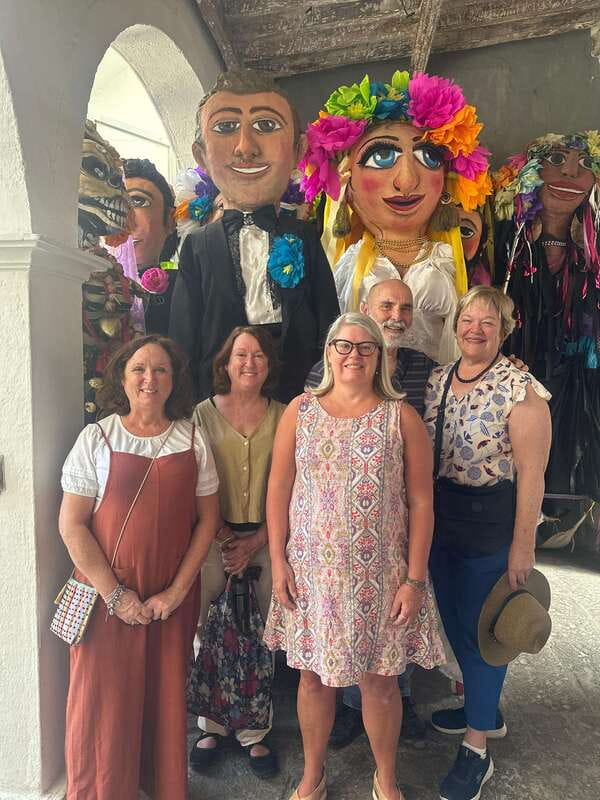
You’ll then have a focused 30-minute guided walk in San Miguel de Allende. This part matters because the town’s visual rhythm isn’t random. It’s part of why artists choose this place. Streets, facades, light, and elevation all shape what feels possible for murals, installations, and even how gallery interiors are designed.
This is also where the tour helps you get your bearings quickly. Instead of wandering alone and guessing what’s important, you’ll move with intention. Your guide’s pacing keeps you from spending your energy on the wrong corners. And because there’s a bit of uphill mixed in, it’s long enough to feel like a real stroll, but not so long that you’re exhausted before the final venue.
If you’re the type who likes to photograph architecture and street scenes, this segment is useful. You’ll know what details to look for, so your camera work becomes more than luck.
Finishing at Instituto Allende (Bodas y Eventos): creativity in an institutional setting

The tour ends at Instituto Allende – Bodas y Eventos. This stop often provides a different kind of “art environment” than a small gallery. It’s a place that feels connected to learning, events, and a larger creative community—so your last impressions aren’t just about aesthetics. They’re about how art becomes part of daily life and structured programs.
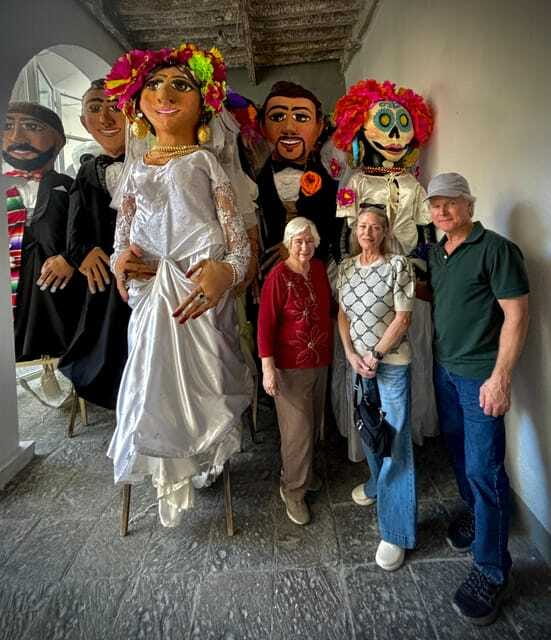
A common highlight here is the chance to see workshop-style creativity. In some groups, people particularly enjoy the segment connected to the iconic Mojiganga puppets, where the figures are designed. Even if you’re not a “craft person,” a workshop moment changes how you understand the rest of what you saw. It reminds you that art isn’t only the final object. It’s decisions, teamwork, tools, and time.
If your guide is Luis or Luis Mario, you’ll likely get clear explanations that connect those workshop details back to the bigger art concepts you’ve been hearing throughout the walk.
What kinds of art you’ll actually see (and how to compare them)
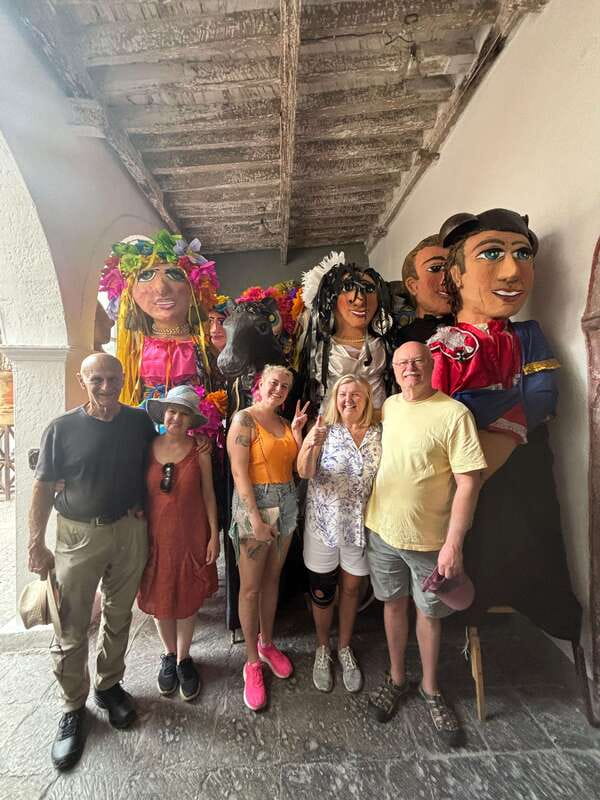
This is not a one-style tour. You’ll run into multiple types, and the guide’s job is to help you tell them apart.
Here’s what you can expect to encounter as you move between stops:
- Modern and contemporary art that may feel more concept-driven than decorative
- Abstract work where meaning might come from form, texture, and emotion rather than direct storytelling
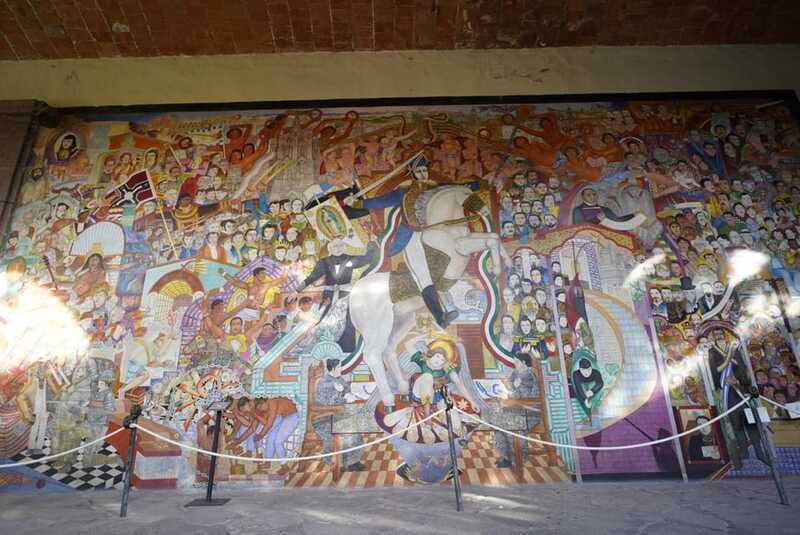
- Murals that connect art to public space and local identity
- Art installations that use environment and arrangement to change how you experience a room
- Workshops connected to local and expat artists who made San Miguel their creative home
The real trick is how you compare them. After the first stop, start forming a simple question in your head: What is this artist trying to make you feel, and what tools are they using to do it? Then, when you reach a different medium, you’ll notice how the artist’s approach shifts. That’s when the tour stops being “a visit” and starts being a lesson you can carry around the rest of your stay.
The walking rhythm: how the 2 hours feels in real life
The tour lasts 2 hours, and the walking time is roughly 1 hour 40 minutes to 2 hours depending on the group and pace. A few locations are uphill, and the route isn’t described as physically demanding—but it’s not a flat stroll either. You’ll want to treat it like a solid neighborhood walk where the ground is uneven.
What to bring is basic, but it’s not optional:
- Comfortable shoes (you’ll thank yourself midway)
- Hat (sun can hit hard in open stretches)
- Water (a bottle is included, but having it accessible helps)
There’s also a clear set of rules: no drones, and you shouldn’t bring alcohol or drugs. If you’re traveling with kids or have accessibility needs, pay close attention to the limits.
Price and value: why $39 can make sense here
At $39 per person, this tour is priced for what you’re getting: multiple entrances plus a guided, structured explanation in English or Spanish, with a water bottle and restroom access included. A gallery ticket alone can add up fast in places like this, and this itinerary strings together several stops so your guide time isn’t wasted.
The value isn’t just that you’ll see art in multiple places. It’s that the guide helps you build context—especially the how and why behind San Miguel’s art growth since the 1940s. If you’ve ever visited a gallery and walked out thinking, I liked it but I don’t know what it was about, you’re the exact person this tour is designed for.
It’s also good value if you’re short on time. Two hours is enough to get a feel for the local art ecosystem without swallowing your whole afternoon.
Who this tour fits best (and who should skip it)
This experience is a strong match if you:
- enjoy art with context (not only aesthetics)
- want to see multiple mediums in one outing
- like walking through historic areas with a guided plan
It may not fit if you:
- have mobility impairments or use a wheelchair
- are traveling with very young children (not suitable for children under 5)
- weigh over 287 lbs / 130 kg
- can’t handle occasional uphill sections on uneven streets
If you’re on the edge, consider your comfort with a walking pace for nearly two hours. The upside is that the tour doesn’t require strenuous effort—just real walking time.
Tips to get more from the guide and the galleries
If you want this tour to land hard (in the good way), do two simple things:
- Tell your guide what you’re drawn to at the start. Some groups get especially good results when questions focus on modern vs. traditional, murals vs. abstract work, or local vs. expat influences.
- Use the workshop moments as your anchor. When you see craft decisions being made—like the Mojiganga puppet design work—you’ll understand the rest of the art with less guesswork.
Also, if your guide is Luis or Luis Mario, you’ll likely appreciate how they keep the tour organized and add humor while explaining what you’re seeing. That kind of pacing matters more than people think. It’s how the tour stays enjoyable instead of turning into a slow march through rooms.
Should you book this San Miguel de Allende art walking tour?
Book it if you want a time-efficient way to understand San Miguel de Allende’s art world—through real galleries, workshop creativity, and a guide who connects the work to the town’s colonial setting and evolving artist community. At $39, the entrances and guide-led context make it easy to justify, especially if you’re only in town for a short window.
Skip it if you can’t do uneven walking or uphill sections, or if you’re looking for something more purely about famous landmarks instead of art-focused interpretation. For most visitors who like art and want better-than-guesswork explanations, this one is a solid afternoon plan.
FAQ
What is the duration of the San Miguel de Allende art walking tour?
The tour runs for 2 hours.
Where does the tour start?
Meet at the entrance of Museo La Esquina.
Is the tour guided, and what languages are offered?
Yes. There is a live guide, and the tour is offered in English and Spanish.
What is included in the price?
Entrance fees to all places are included, along with a guided tour by a certified guide, a bottle of water, and use of restrooms.
What should I bring?
Bring comfortable shoes, a hat, and water.
Are drones or alcohol allowed?
No. Drones are not allowed, and alcohol and drugs are also not allowed during the tour.
If you want, tell me your travel dates and what kind of art you prefer (murals, abstract, installations, folk crafts), and I’ll help you decide if this tour matches your style.