REVIEW · MELBOURNE
National Gallery of Victoria (NGV) guided tour
Book on Viator →Operated by Sandy · Bookable on Viator
Western art can feel intimidating, fast. This NGV guided tour is built for beginners, with Sandy walking you through the big Western art movements and spotlighting about 30 favorite paintings you can actually look at with confidence.
I especially like the take-home laminated sheet. It gives you a practical way to analyze a painting, not just a list of names. The other standout is how the tour ties each work to the why behind it, so you get context for styles from Byzantine to Impressionism without getting lost.
One thing to consider: there’s no time to wander on your own. If you want a long free-roam museum day, this format is more focused than flexible.
In This Review
- Key highlights you’ll feel in real life
- Why This NGV Tour Works for First-Timers
- The 3.5 Hours: how the tour fits into a Melbourne day
- Inside NGV: the approach to learning major Western art movements
- What you’ll cover, movement by movement
- The artists you’ll see along the way
- A guide-led viewing method (not just a lecture)
- Sandy and the laminated checklist: the take-home that actually gets used
- The quiz at the end: why it helps you remember
- What’s not included (and what that means for your day)
- Price and value: is $107.59 worth it?
- Who this tour suits best (and who might want a different plan)
- Practical tips before you go
- Should you book this NGV guided tour?
- FAQ
- Where does the tour start and end?
- What time does the tour begin?
- How long is the National Gallery of Victoria guided tour?
- How much does the tour cost?
- How big is the group?
- What is included in the price?
- Are snacks provided?
- Do I need a printed ticket?
- What kind of art does the tour cover?
- Is it okay for beginners?
Key highlights you’ll feel in real life
- A small group (max 6) keeps questions from getting swallowed
- Sandy’s laminated checklist helps you keep learning after the tour
- ~30 painting stops cover major movements in Western art without a full-day slog
- A fun quiz at the end turns the lessons into something you remember
- Mobile ticket makes entry straightforward
- Family-friendly pacing works well if kids are curious (and a bit restless)
Why This NGV Tour Works for First-Timers
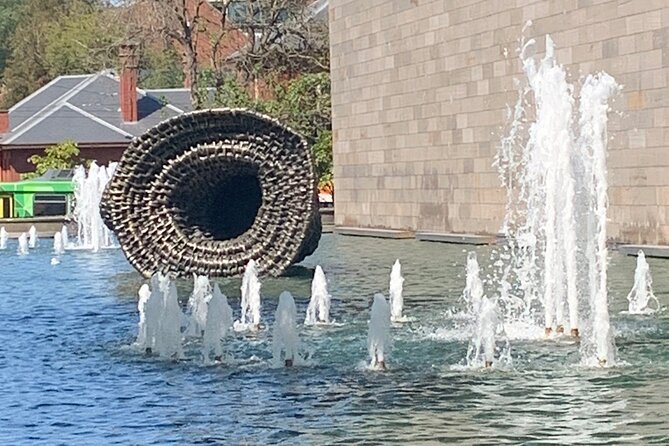
The National Gallery of Victoria is a big deal, but big museums can be rough on beginners. You walk in, you see masterpieces, and then you freeze: Where do I look? What am I supposed to notice? This tour solves that with a simple promise: you’ll learn how to appreciate art while viewing major works, instead of spending hours trying to figure it out alone.
What makes this experience feel efficient is the way it’s organized around movements. You’re not just collecting random famous paintings. You’re learning the patterns—how Byzantine art differs from Renaissance, how Baroque feels compared with Rococo, and what changes when Romanticism shifts toward Realism and then Impressionism. That structure gives you a mental map you can reuse everywhere.
And the guide doesn’t expect you to be an art expert. The format is designed so you can follow along even if you’ve never taken an art class. You’ll get tips on what to look for and why it matters, plus historical context tied to each highlighted work.
You can also read our reviews of more guided tours in Melbourne
The 3.5 Hours: how the tour fits into a Melbourne day
This guided experience runs about 3 hours 30 minutes, starting at 10:00 am. It ends back at the meeting point near 200 St Kilda Rd, Southbank VIC 3006, so you’re not left stranded across town when you’re done.
That timing matters. With a start in the morning, you can still plan the rest of the day afterward—lunch, a walk, or another museum stop—without losing your whole afternoon. The route is structured around NGV, but it’s also paced so you’re not running through galleries at full speed.
Group size also shapes your comfort level. The tour caps at 6 travelers, which means you’re more likely to get real answers instead of hearing questions only from the front row. You’ll also benefit from the minimum group requirement of 4 guests including your booking—it’s a small-group tour, so it stays intimate.
And logistics are low-friction: you’ll use a mobile ticket, and the meeting area is near public transportation. No special gear required.
Inside NGV: the approach to learning major Western art movements
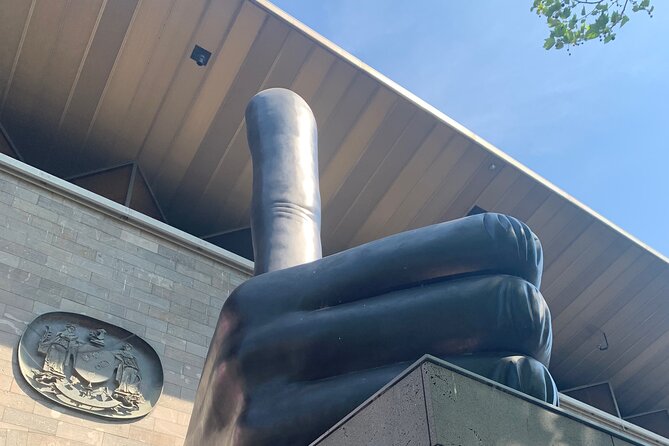
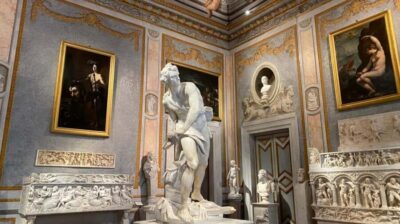
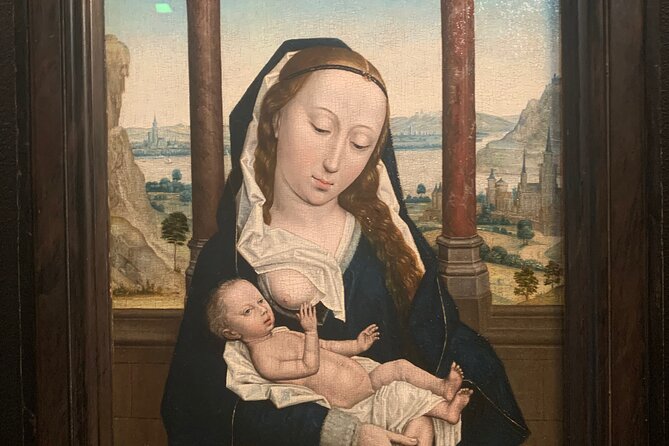
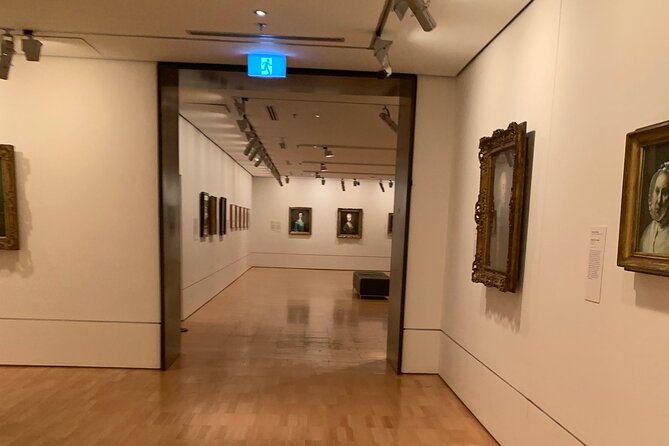
The tour is centered on one main stop at the National Gallery of Victoria, but it’s more than a single gallery pass. Sandy shows and explains about 30 of his favorite Western paintings. Each one comes with artist context, historical background, and practical viewing tips so you can see what you’d otherwise miss.
What you’ll cover, movement by movement
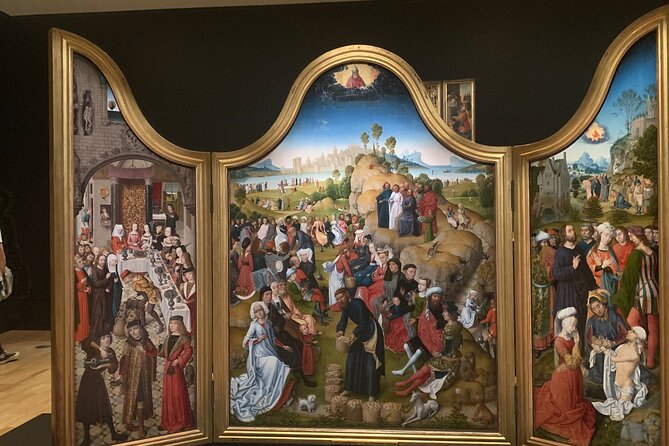
The sweep is impressive because it includes many of the major categories people learn in art history: Byzantine, Renaissance, Mannerism, Baroque, Rococo, Romanticism, Realism, and Impressionism. Rather than treating them like distant textbook labels, the guide connects each style to how artists thought and what audiences valued at the time.
Here’s the real value of this. Once you understand the “rules” of one movement, the next movement stops looking random. You start noticing changes in:
- subject and story (what matters to the artist)
- lighting and color choices
- emotion and drama (especially when you get to Baroque and Romanticism)
- realism and everyday life (the pivot toward Realism and then Impressionism)
The artists you’ll see along the way
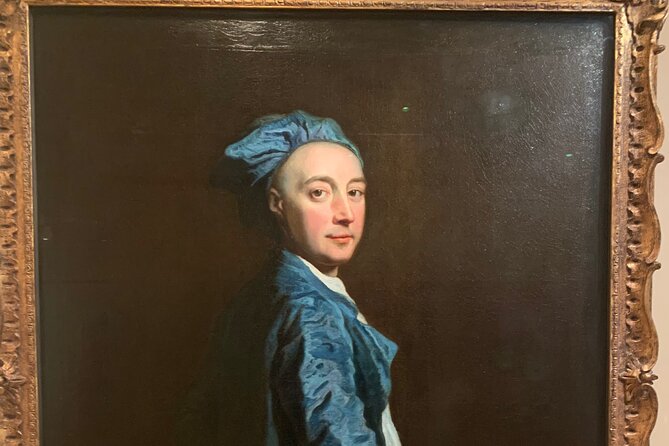
You’ll also get pointed attention to works by major names, including Rembrandt, François Boucher, El Greco, Jan Brueghel, Tiepolo, Monet, Pissarro, Salvador Dalí, and Picasso. That spread gives you two benefits.
First, it keeps things fun. You’ll recognize at least a few names, and it’s a confidence boost when the guide connects recognition to actual observation.
Second, it helps you understand transitions. You can compare how earlier traditions lead into later experiments—especially as styles shift toward modern approaches. Even if you don’t know dates or terms, you can start picking up the visual logic.
You can also read our reviews of more museum experiences in Melbourne

A guide-led viewing method (not just a lecture)
The best part is the tips on how to look. The tour isn’t only facts. It’s about turning attention into something you can practice on the spot. Sandy’s goal is to help you develop a repeatable way to read a painting: notice details, ask what the artist is doing, and connect the look to the time and intention behind it.
That kind of guidance is why beginners usually leave feeling more capable rather than overwhelmed.
Sandy and the laminated checklist: the take-home that actually gets used
This is one of the strongest reasons to book. You get a reusable laminated guide sheet (yours to keep) focused on how to view and analyze paintings. The tour doesn’t end when you step out of the gallery. You take a tool with you.
In plain terms, this checklist helps you do two things:
- Look longer than you normally would.
- Turn vague impressions into specific observations.
That’s huge if you’ve ever stared at a painting and felt stuck at, I like it, but I can’t explain why. A structured approach gives you language and a process. Next time you see a painting—at NGV again or at another museum—you’re not starting from zero.
The handout also acts like a confidence boost. When you’re in a crowded museum, it’s easy to forget what the guide said. Having your own laminated sheet means the method sticks.
The quiz at the end: why it helps you remember
At the end of the tour, you’ll take part in a fun quiz based on what you learned. This isn’t just game-time. It’s a practical memory tool.
Art history knowledge can feel slippery until you do something with it. The quiz forces you to connect:
- the movements you heard about
- the artists you saw
- the viewing tips you practiced
If you learn better by interaction, this is a smart finish. It gives closure and helps you walk away with more than a head full of names.
What’s not included (and what that means for your day)
No snacks are provided. That’s worth planning around, especially because the tour runs 3 hours 30 minutes. If you’re the type who gets hangry—or if you’re traveling with kids—plan a coffee or snack before you start, or line up something nearby afterward.
Also, this is a guided highlight experience, not a full museum marathon. You’ll enjoy NGV more when you accept that you’re here to learn how to look, not to cover every wing.
Price and value: is $107.59 worth it?
At $107.59 per person for roughly 3.5 hours, the price might look steep at first glance—until you compare what you’re actually buying.
You’re paying for:
- a small-group experience (max 6)
- a guide-led selection of about 30 paintings
- artist + historical context tied to major art movements
- a take-home laminated checklist
- a guided viewing method you can use again later
- a quiz that reinforces learning
That’s not the same as buying a museum ticket and wandering. The tour is designed to compress learning into a short time without turning it into a dry lecture. If you want art appreciation skills you can reuse, the laminated sheet and the structured approach can make the cost feel reasonable.
One more value point: you don’t have to be “culture fluent” first. If you’re new to Western art, the tour’s beginner focus saves you from the awkward phase of not knowing what you’re looking at.
Who this tour suits best (and who might want a different plan)
This tour is a great match if you’re:
- a beginner who wants art appreciation tips without needing to know art history
- short on time but still wants to see major Western works
- traveling with kids who do better with a guided flow and interactive moments
- someone who enjoys paintings and wants to sharpen how you notice details
It’s also ideal for locals who want a smarter NGV visit. You get a structured path through movements and artists, which can feel like a shortcut to understanding what you’re seeing.
On the flip side, this may feel limiting if you:
- love slow wandering and want full freedom to choose what to linger on
- want to spend the day in the museum rather than learning a guided selection
Practical tips before you go
- Wear shoes you can walk in comfortably. Even with a guided plan, you’ll move through galleries.
- If you’re sensitive to food timing, grab a snack before the tour since none are provided.
- Bring a curious mindset. The tour works best when you’re willing to pause, look closely, and ask questions.
- After the tour, use the laminated checklist the next time you’re in a gallery. That’s where the learning keeps paying off.
Should you book this NGV guided tour?
If your goal is to feel comfortable looking at art, this is an easy yes. The tour focuses on major Western movements, highlights works by big-name artists, and teaches you a method you can take home in a laminated checklist. Add the small group size and the ending quiz, and you get a guided experience that feels like learning—without being stressful.
Book it if you want value through understanding, not through speed-reading a museum. You’ll likely leave with more than memories. You’ll leave with a way of seeing that travels well.
FAQ
Where does the tour start and end?
It starts at 200 St Kilda Rd, Southbank VIC 3006, Australia. The experience ends back at the meeting point.
What time does the tour begin?
The start time is 10:00 am.
How long is the National Gallery of Victoria guided tour?
It runs about 3 hours 30 minutes.
How much does the tour cost?
The price is $107.59 per person.
How big is the group?
The tour has a maximum of 6 travelers.
What is included in the price?
You receive a reusable laminated guide sheet on how to view and analyze paintings.
Are snacks provided?
No. Snacks are not provided.
Do I need a printed ticket?
No. You’ll have a mobile ticket.
What kind of art does the tour cover?
It focuses on Western art movements, including Byzantine, Renaissance, Mannerism, Baroque, Rococo, Romanticism, Realism, and Impressionism, with selected paintings by artists such as Rembrandt, El Greco, Monet, Pissarro, Dalí, and Picasso.
Is it okay for beginners?
Yes. It’s designed for beginners who want to learn how to appreciate art without needing to be an art expert.