REVIEW · SANTANDER
Santander: El Castillo Caves & Paleolithic Art Tour
Book on GetYourGuide →Operated by EXPLORING CANTABRIA · Bookable on GetYourGuide
Prehistoric art feels close in this cave tour. You’ll go to El Castillo and Las Monedas, UNESCO sites known for original Paleolithic paintings, with a local guide leading the way. I like that the group stays small, and you get a paced, guided look rather than a rushed bus stop.
Another big win is the time outside the caves. In Puente Viesgo, you’ll walk near the Pas River for views over the Pasiega valleys and learn how cave art fits into the wider story of the region at the paleolithic art interpretation center (and also a stop connected to Cantabria’s ethnographic side).
One consideration: you can’t take photos inside the caves, and the museum time can feel short for what you’d like to soak in. Still, that trade-off helps keep access controlled and the cave experience focused.
In This Review
- Key things I’d circle before you book
- UNESCO cave art near Santander: what makes El Castillo and Las Monedas special
- Pickup and the van ride: how the 5 hours really move
- Centro de Arte Rupestre de Cantabria: getting your eyes ready
- Inside El Castillo: your first hour of Paleolithic paintings
- Las Monedas cave: second helpings, different feel
- Puente Viesgo walks, Pas River viewpoints, and the Yera river waterfall
- Guides, translations, and the small-group rhythm that makes it work
- Price and value: is $130 worth it?
- Who this tour suits best (and who might not love it)
- Should you book the Santander: El Castillo Caves & Paleolithic Art Tour?
- FAQ
- How long is the El Castillo Caves & Paleolithic Art Tour from Santander?
- Do I get hotel pickup and drop-off?
- Is the cave tour in English?
- Are photos allowed inside the caves?
- What’s included in the ticket price?
- Is food included?
- Is the group size small?
- What should I wear or bring?
- Is the tour suitable for mobility impairments or pregnancy?
- Can I cancel for a refund?
Key things I’d circle before you book
- UNESCO cave art in its original setting at El Castillo and Las Monedas
- Small group size (limited to 8) for a calmer visit inside the caves
- Spanish cave tours with English support, since your guide can translate when needed
- Puente Viesgo walking time with Pas River viewpoints and Pasiega countryside air
- A paleolithic art interpretation center stop to connect what you’re seeing to what it means
- A quick, no-photo rule inside caves, so plan on using your memory and notes
UNESCO cave art near Santander: what makes El Castillo and Las Monedas special
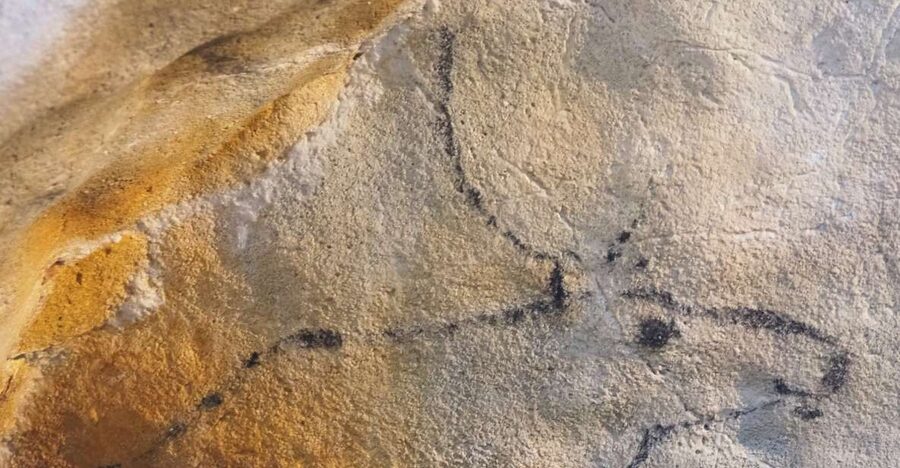
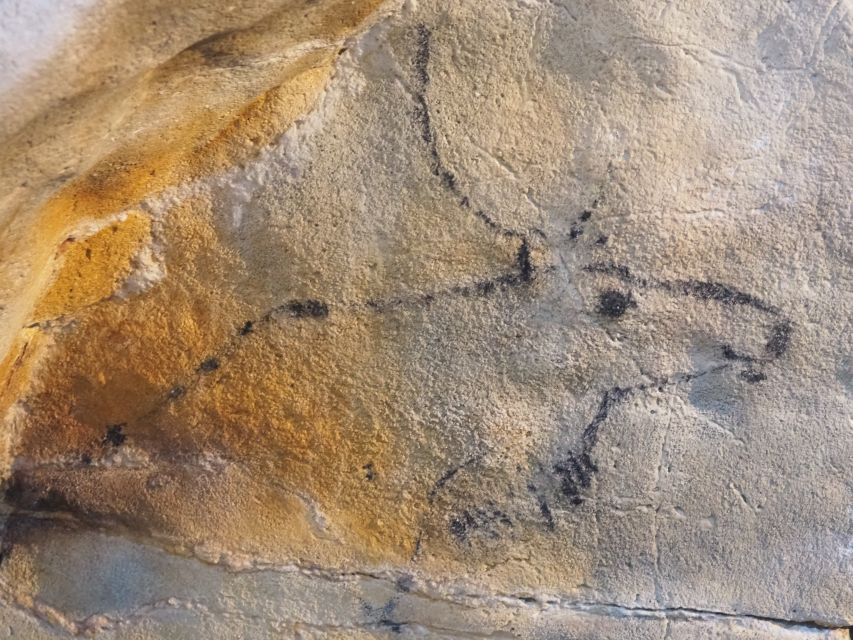
If you like history, you’ll still feel the emotion here even if you’re not a museum person. These caves are UNESCO-listed because the Paleolithic paintings are not copies on a wall—they’re in the caves where the artists actually made them, in a setting that still has that damp, shadowy atmosphere.
El Castillo and Las Monedas are also different enough that you don’t just see the same thing twice. You start with one cave (El Castillo), learn how to look at the marks and symbolism, then you shift to Las Monedas for another set of paintings and cave features. The contrast keeps your brain engaged when you might expect it to shut off halfway through a long day.
One more practical point: cave access is controlled, so a guided slot matters. You’re not wandering in on your own. You’re visiting with a local cave guide at set times, which is part of why this tour tends to feel more “special” than a generic sightseeing outing.
Pickup and the van ride: how the 5 hours really move
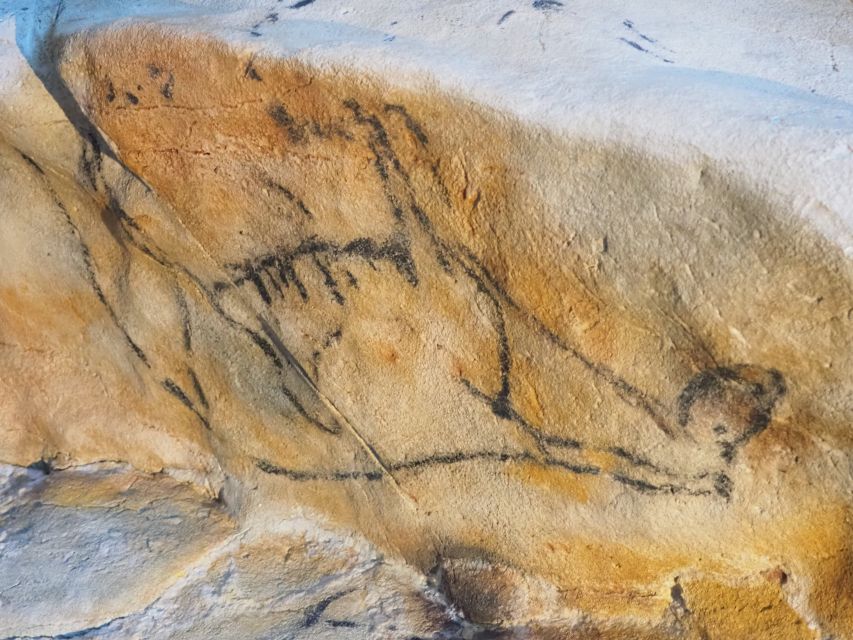
This tour is built around a hotel pickup/drop-off system across Santander. You’ll be collected from one of many options (the tour lists a bunch of hotels and addresses), then you’ll head by minivan toward Cantabria’s cave area.
Expect about 40 minutes by van one way. The rest of the time is the stops: the paleolithic art interpretation center, two guided cave visits, walking stretches between sites, and a photo stop by a river walkway (Pasarela Río Pas). The driving is not the point; it’s just how you reach the caves efficiently.
Because pickup locations can be confusing if you’re relying on your booking confirmation alone, do this: check the message you receive the day before the tour and match it to your exact pickup point. One guest had a stressful morning due to conflicting pickup info, but the fix was choosing the correct pickup location.
Centro de Arte Rupestre de Cantabria: getting your eyes ready
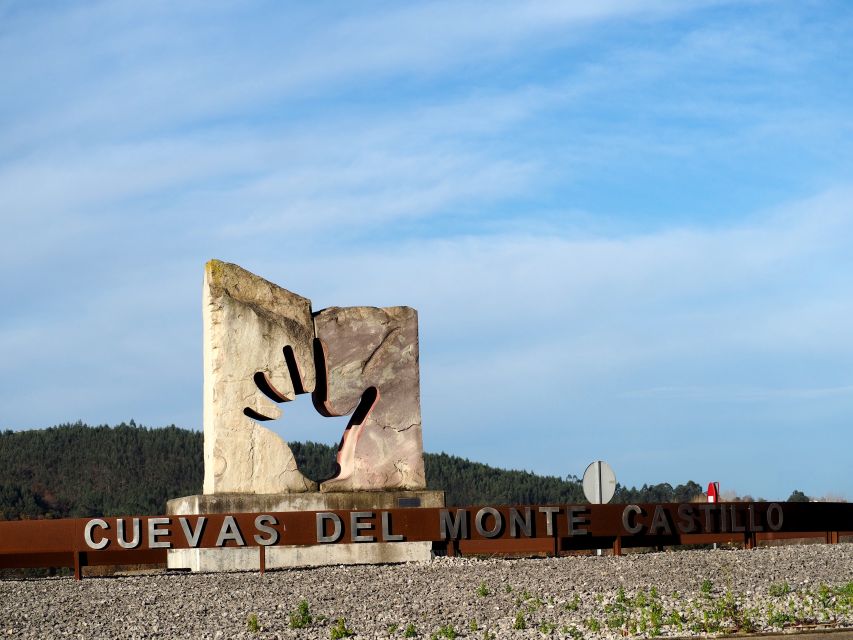
Right after you reach the Puente Viesgo area, you’ll visit the Centro de Arte Rupestre de Cantabria (listed as the Paleolithic Art Interpretation Centre). Plan for about 40 minutes here.
This is where the tour starts turning the cave paintings from “cool marks” into something you can read. Even if your Spanish is limited, the guided context helps you understand why certain motifs matter and how cave art fits into the Paleolithic world. The goal is not an art-history lecture. It’s “look better in the caves that come next.”
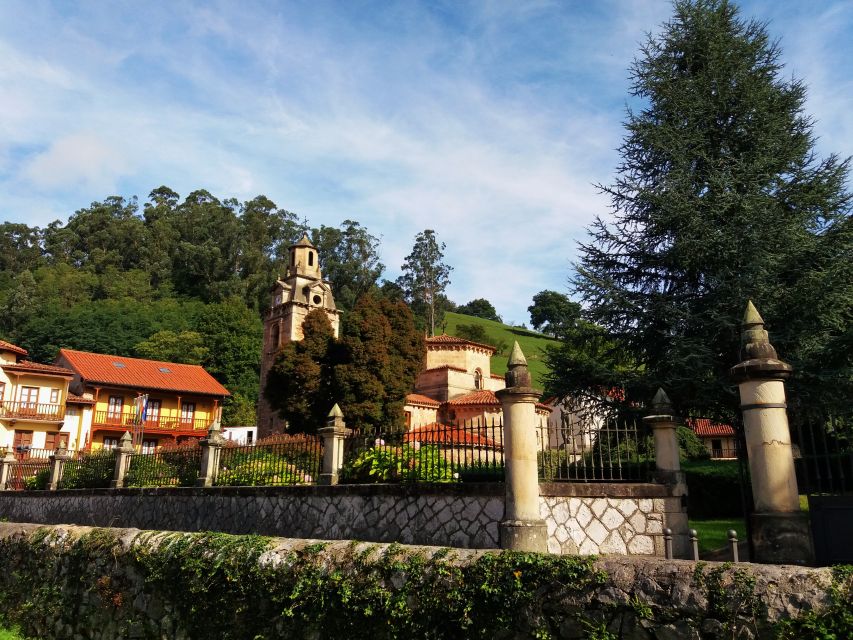
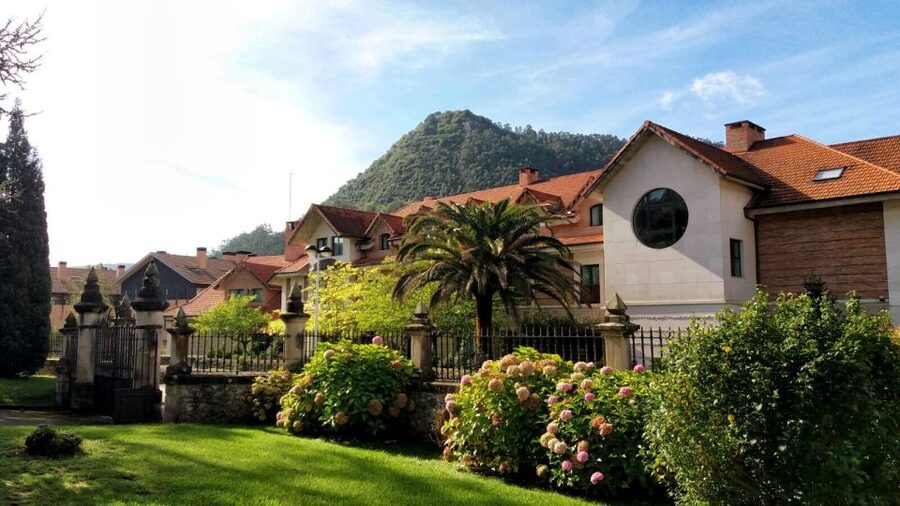
You’ll also get a short window of regional context through the village atmosphere and nearby stops. There’s a walk in Puente Viesgo with views over the Pas River and the Pasiega valleys, which helps break up the heavier, darker cave time.
There’s also a museum component connected to Cantabria’s ethnographic side, but based on the way the day can feel, you should treat the museum stop as a quick add-on rather than a long deep dive. If you’re hoping for a long museum experience, you might wish you had more time here.
Inside El Castillo: your first hour of Paleolithic paintings
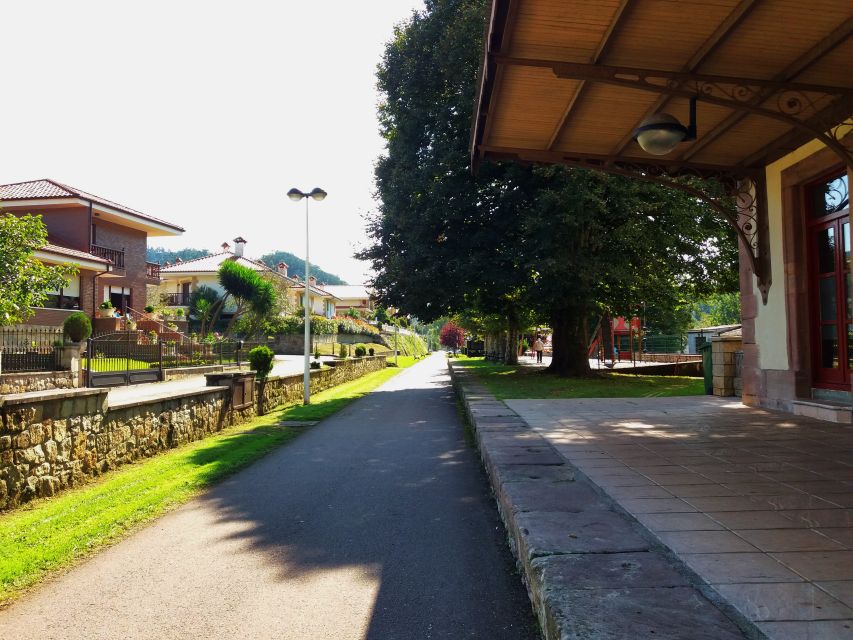
The first cave visit is El Castillo, and it’s about 50–60 minutes with a local cave guide. You do the cave part on foot, and you may also encounter stairs and uneven steps on the approach inside.
This is where the no-photo rule becomes a little more meaningful. You’ll want to focus on what you can actually remember later:
- the scale of the space (it can feel larger than you expect once you’re inside)
- hand-like prints and drawings
- how the paintings are placed in the cave context, not floating like a picture in a gallery
One thing that really helps is timing and group size. Because the tour keeps the group small (limited to 8), you aren’t packed in with a huge line of people. You also spend enough time in the cave to actually register details, rather than catching a few glances and leaving.
Language tip: cave tours are in Spanish, and your tour leader may translate into English during the visit (or step in when needed). Guides like Gabriela and Pepe are specifically noted for translating well so you don’t feel locked out of the meaning.
Las Monedas cave: second helpings, different feel
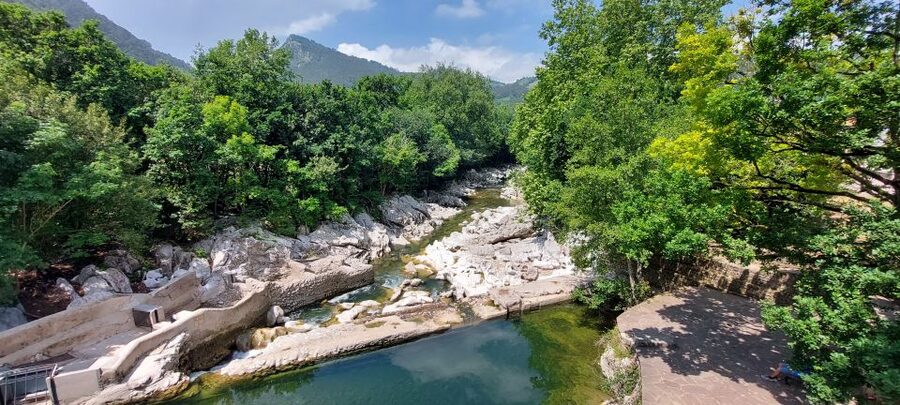
After El Castillo, you’ll make the short transition to Las Monedas and walk between stops. The Las Monedas guided visit is also about one hour.
Las Monedas tends to feel striking because of how the cave art is presented and because you’re now primed to look for patterns rather than just staring at walls. If El Castillo was your orientation, Las Monedas is where the visit can start to feel personal—like you’re catching a conversation from thousands of years ago, even without knowing the full story.
Again, your ability to follow along matters. The best experiences tend to come from a guide who translates consistently. Pepe, Jairo, and Hana are names that show up as guides who make the language gap manageable, including stepping in if the cave guide’s English isn’t enough.
Also, keep in mind that you’ll do some walking between cave areas and along photo spots. This isn’t an all-flat, all-easy day.
Puente Viesgo walks, Pas River viewpoints, and the Yera river waterfall
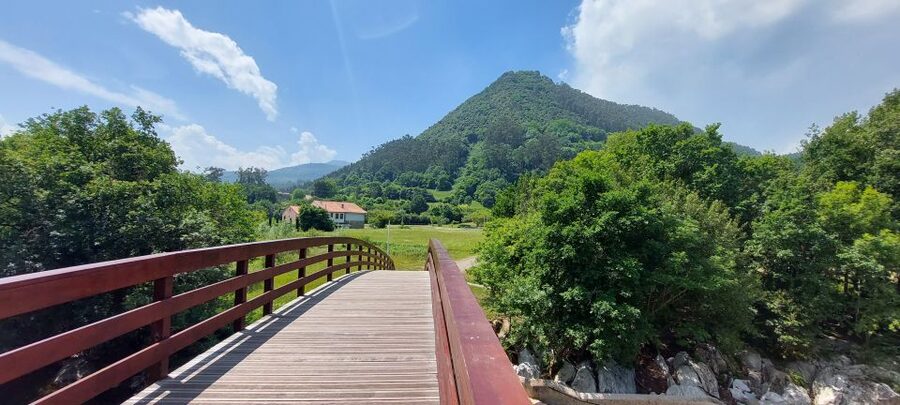
Outside the caves, the tour shifts gears. In Puente Viesgo you’ll do walking time and get time for views. The Pas River walkway stop is around 10 minutes at Pasarela Río Pas for photos.
You’ll also see a waterfall tied to the Yera river. The highlight list calls it out for a reason: it gives you a sensory break from cave darkness and adds a “Cantabria in real life” moment between the formal guided stops.
The countryside is part of why this works as a half-day outing. It’s not just “go underground, come back.” You get a sense of the valleys and rivers that shaped settlement and travel here, plus the modern village atmosphere along the river.
Practical footwear note: if you’re wearing slippery soles, you’ll regret it on the cave stairs and walking sections. Go for shoes that grip.
Guides, translations, and the small-group rhythm that makes it work
This tour lives or dies on the guide. The caves are controlled, the setting is dark, and Spanish is common. What makes the experience land smoothly for English speakers is how the group leader handles translation.
Your tour leader is listed as Spanish/English, and the cave visits are in Spanish with translation support as needed. In real life, that can look like your leader joining the cave guide and translating as explanations happen. That’s exactly what several named guides are praised for, including Gabriela, Pepe, Jairo, and Hana.
Small-group access matters too. With a maximum of 8 participants, you get a steadier pace inside the caves. It’s easier to ask a quick question, easier to hear the explanation, and less time spent waiting outside.
Pacing is the other key rhythm. The day is structured, with limited time for each stop. If you’re the type who wants to linger, you’ll need to switch gears: treat each stop as a “high-value taste” rather than a full-day exploration.
One more consideration: the tour runs rain or shine, so plan for wet ground and cooler conditions even in a mild season.
Price and value: is $130 worth it?
At $130 per person for about 5 hours, the real question is what’s included. This price isn’t just for a driver. You’re paying for:
- hotel pickup and drop-off in Santander
- private transportation by minivan
- the cave entrances for El Castillo and Las Monedas
- entrance to the paleolithic art interpretation center
- a guide plus liability insurance
- translation support into English as needed
The big value piece is access. These caves are not “walk in whenever.” When sites control the timing and capacity, a guided tour that secures the visit slot becomes worth paying for. The small-group cap also pushes the value toward an experience you can actually hear and see.
Food isn’t included, so you’ll want to eat before or after. Budget a snack or plan a meal gap, especially if your pickup is earlier in the day.
Overall: if you want original Paleolithic art in a controlled cave setting and you prefer a guide to handle the logistics and interpretation, this price-to-content ratio makes sense.
Who this tour suits best (and who might not love it)
This is a strong choice if you:
- want UNESCO Paleolithic cave art with on-site explanation
- prefer small groups and guided time over self-guided wandering
- are okay with guided walking and a cave-focused schedule
It’s not a great fit if you have mobility limitations. The tour is explicitly listed as not suitable for people with mobility impairments, and it’s also not suitable for pregnant women.
If you’re sensitive to physical intensity, consider choosing the earlier departure when possible. One guide’s note from the experience: the cave day can feel more physically demanding later in the day, so morning can be kinder to your energy.
Claustrophobia can vary by person. The caves are described as large and cavernous, but you should still be honest with yourself. This is a cave tour, and the environment is enclosed.
Should you book the Santander: El Castillo Caves & Paleolithic Art Tour?
I think you should book it if you want a guided, small-group route to the two UNESCO cave sites near Santander, with translation support and a learning stop at the paleolithic art interpretation center. For $130, the value comes from secured access plus expert explanation—especially because photography isn’t allowed inside, and you’ll need the guide’s context to fully appreciate what you’re seeing.
Skip it (or look for an alternative) if you need step-free access, you’re traveling with mobility needs, or you want a long museum-style schedule. Also double-check your pickup details the day before to avoid morning stress.
FAQ
How long is the El Castillo Caves & Paleolithic Art Tour from Santander?
The tour lasts about 5 hours.
Do I get hotel pickup and drop-off?
Yes. The tour includes hotel pickup and drop-off at your hotel in Santander, with multiple listed pickup options.
Is the cave tour in English?
The live tour guide is Spanish and English. The cave visits are in Spanish, but your tour leader can join and translate into English if you need it.
Are photos allowed inside the caves?
No. Photography is not allowed inside the caves.
What’s included in the ticket price?
Your price includes the tour guide and driver, private minivan transportation, hotel pickup/drop-off, entrance to the paleolithic art interpretation centre, entrance fees to El Castillo and Las Monedas caves, and liability insurance.
Is food included?
No. Food and drinks are not included.
Is the group size small?
Yes. The tour is limited to a small group of up to 8 participants.
What should I wear or bring?
Bring comfortable shoes and warm clothing, and be ready for the tour to run rain or shine.
Is the tour suitable for mobility impairments or pregnancy?
No. It’s not suitable for pregnant women or for people with mobility impairments.
Can I cancel for a refund?
Yes. Free cancellation is available up to 24 hours in advance for a full refund.