REVIEW · SANTONA
Santoña: Anchovy Art Gallery with Fishing Port and Market
Book on GetYourGuide →Operated by Nicolás C. Servicios Turísticos · Bookable on GetYourGuide
A working harbor and an anchovy workshop in one visit. That mix is what makes Santoña’s Anchovy Art Gallery tour so interesting: you get the port story and the production story in the same day. I especially like seeing port auctions up close and then pairing it with hands-on context about anchovy filleting. One drawback to think about: the experience centers on anchovies, so if you don’t eat fish or you’re not curious about food production, it may feel narrow.
I also like that the guide behind the experience, Nicolás C., brings energy and adds extra materials to help everything click. Another nice detail: you finish with a real taste at the gallery shop, not just an explanation. Still, the day moves at a food-and-fish pace, so plan for your nose and appetite to be part of the fun.
In This Review
- Key things to know before you go
- Santoña’s fishing port: where the day starts and the catch moves
- What to watch for while you’re there
- Possible drawback
- Conservas Ana María Anchovy Art Gallery: antique machines and live filleting
- Why the antique machinery aspect is worth your attention
- A practical tip
- The ending taste: what freshly prepared anchovy fillets are actually like
- What you should expect from the tasting format
- If you’re hesitant about anchovies
- Price and value: why $20 makes sense here
- Who the price is best for
- How this tour fits a Cantabria day (and who should pick it)
- You’ll likely enjoy it if…
- You might reconsider if…
- What I’d pay attention to on the day
- Should you book the Santoña anchovy gallery and port tour?
- FAQ
- Where does the tour start?
- How much does the tour cost?
- How long is the experience?
- What is included in the tour price?
- What do you do at the fishing port?
- What happens during the Conservas Ana María visit?
- What languages is the live guide available in?
- Is there free cancellation or a reserve-pay-later option?
Key things to know before you go
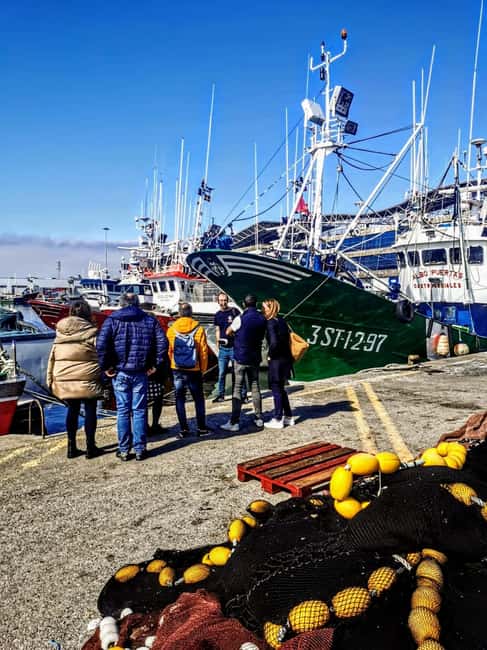
- Port-to-plate flow: You start with the harbor operations, then connect that work to what happens in the anchovy factory space.
- Hands-on focus at the gallery: Antique machinery and a filleting demonstration help you visualize the process.
- You’ll see the auction system: The tour includes the catch-selling moment, which is the heartbeat of a fishing day.
- Sicilian origins explained: You learn how anchovy filleting traditions tie back to Sicily and then land in Cantabria.
- Tasting is built in: You end with freshly prepared anchovy fillets you can actually savor.
Santoña’s fishing port: where the day starts and the catch moves
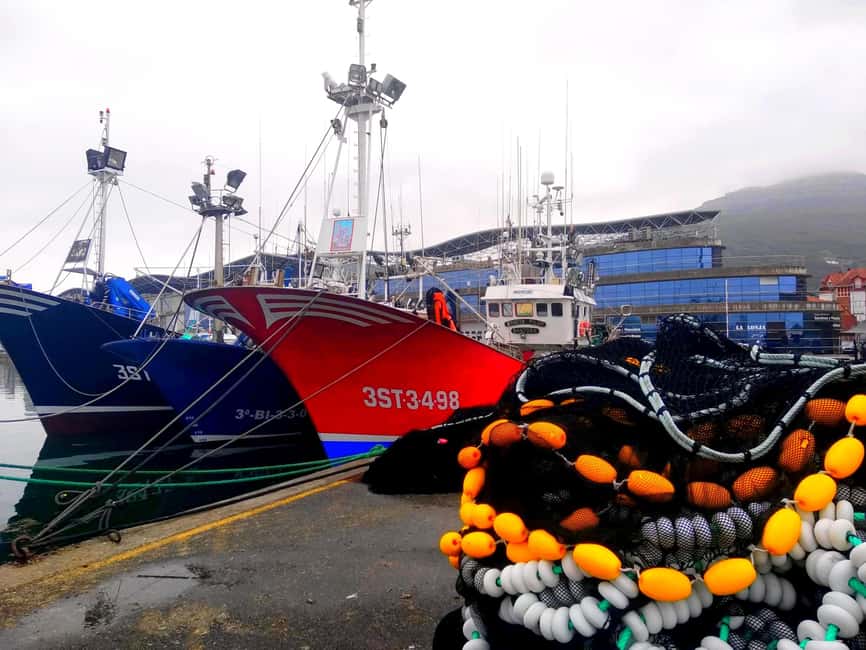
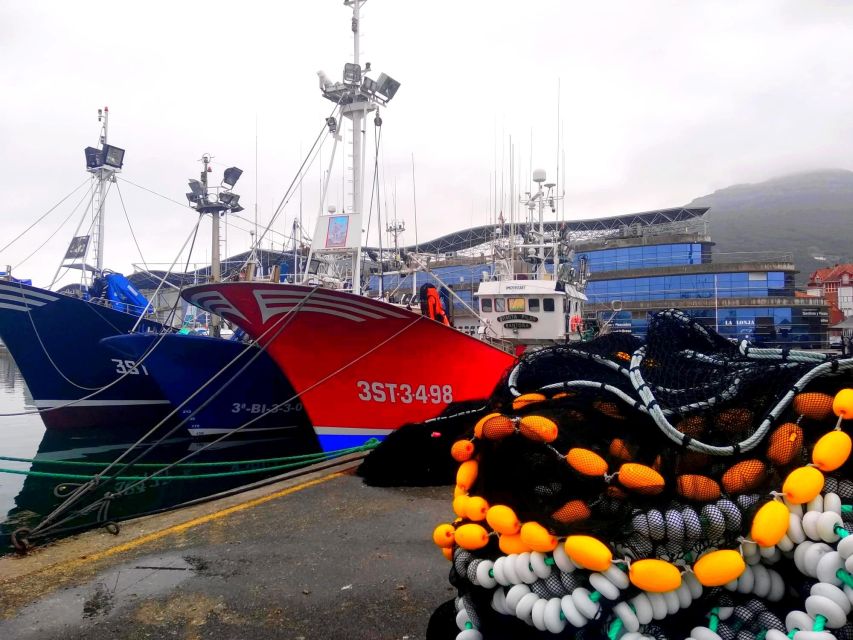
I like port visits that don’t stop at scenery. In Santoña, you begin at the Mirador de las marismas / puerto de Santoña, and the experience quickly turns practical: you’re looking at how a major Cantabrian fishing hub works on a working level.
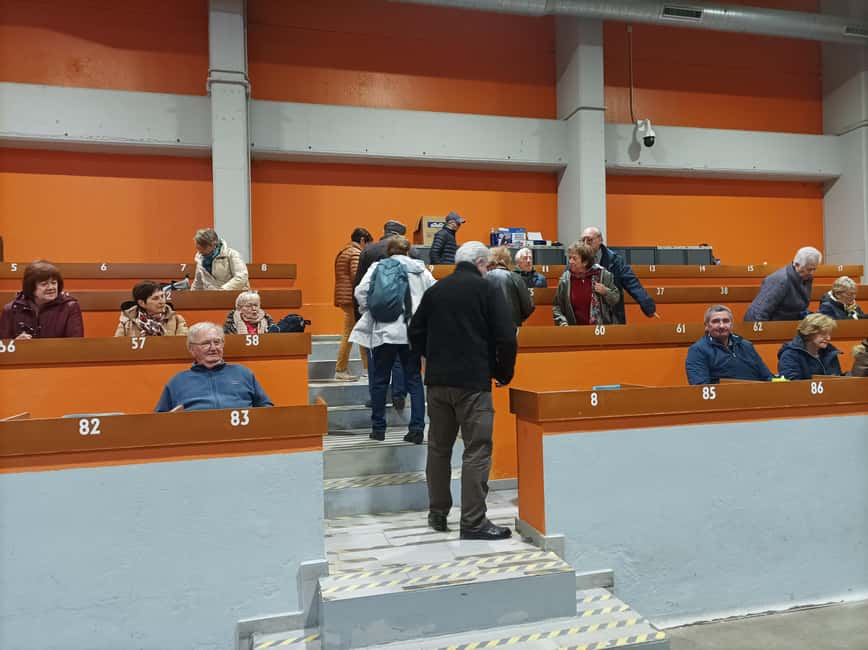
Your walk and guide talk center on three things. First, you’ll get a clear sense of the purse seine vessels that bring in the day’s catch. Second, you’ll learn how ship registrations function, which sounds technical but helps you read the harbor like a map instead of random boats. Third, you’ll see how the auction process works—how the day’s fish is sold and why that rhythm matters to the whole supply chain.
This is valuable because it changes what you think you’re looking at. Without this kind of explanation, a harbor can feel like a background scene. With it, you understand the timing, the urgency, and the logic behind the products you later see in shops and markets.
What to watch for while you’re there
The port part is built for observation. Keep your eyes on:
- How the boats relate to where selling happens
- How the day’s catch is treated as a timed commodity
- How the details (like ship registrations) connect to identity and traceability in a working place
Possible drawback
If you’re hoping for a quiet, leisurely stroll, this part may feel more like learning-on-the-move. It’s still rewarding, but it’s not a slow sightseeing circuit.
Conservas Ana María Anchovy Art Gallery: antique machines and live filleting
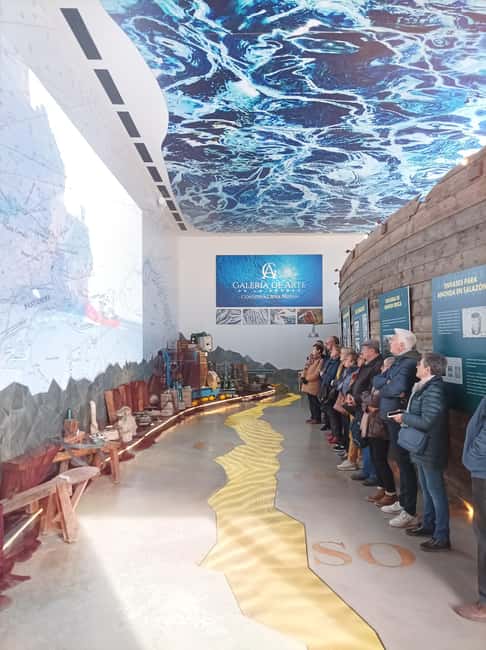
Next comes the Anchovy Art Gallery of Conservas Ana María, and it’s a smart pivot from outdoors to craft. The gallery doesn’t just show “old stuff.” It frames early-20th-century machinery—antique equipment that helps you understand how industrial processing grew from real fishing needs.
One of the most memorable things you’ll hear here is the link between anchovy filleting traditions and Sicilian origins in the Cantabrian Sea. That matters, because it explains why techniques travel. Food methods aren’t born in a vacuum; they move with people, trade, and long working knowledge.
Then you get the part that makes the gallery feel alive: a demonstration by a skilled worker on the art of filleting anchovies. Watching filleting isn’t just visual. It forces you to connect what you saw at the port—fresh supply, workflow, and timing—to what happens during preparation.
Why the antique machinery aspect is worth your attention
Modern food can look instant on a label. Antique machinery puts a time scale back into the story. When you see older equipment described and placed in context, you realize what it took to standardize quality and keep texture consistent. Even if you aren’t a food production nerd, it gives you a better sense of why local brands protect identity.
A practical tip
Bring your curiosity. This stop rewards people who ask themselves simple questions like: What step comes next? What would be difficult to do without care? The demonstration helps you find the answers fast.
The ending taste: what freshly prepared anchovy fillets are actually like
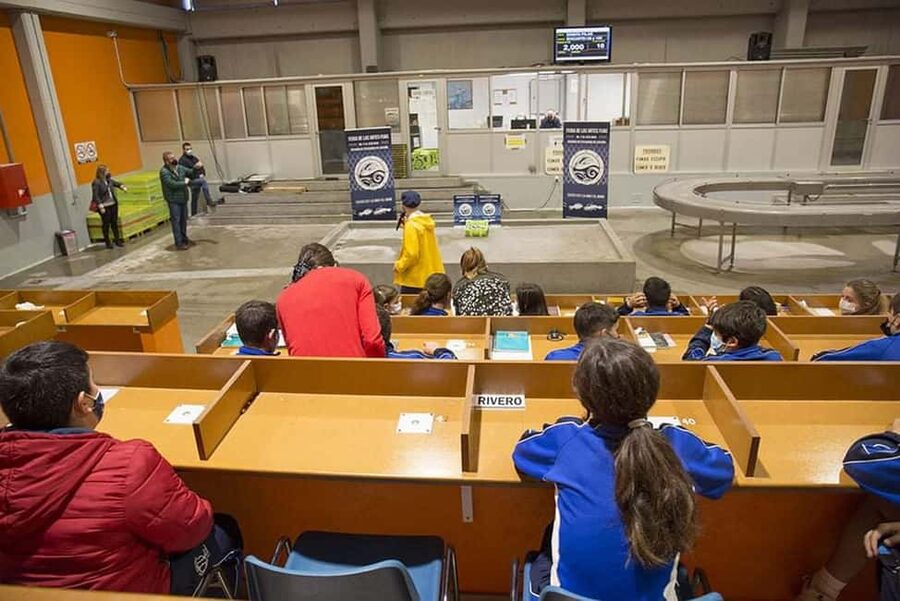
The tour finishes with tasting at the bar/shop within the Anchovy Art Gallery. You’ll savor freshly prepared anchovy fillets made in the artisanal way the place is known for.
This part is where the “I get it now” moment usually lands. Because you just spent time watching port operations and learning about processing, the tasting doesn’t feel like a random sample. It becomes a final check: does the quality story you learned match the flavor you experience?
What you should expect from the tasting format
You’re not just eating a piece and moving on. The tasting is framed as part of the tour—tied to the filleting work and the regional culinary treasure the shop emphasizes. If you like food that tells a story, this feels satisfying.
If you’re hesitant about anchovies
If anchovies are new to you, start with openness rather than expectations. The tour is built around understanding processing and care, so the flavor experience is likely different from what you might associate with generic supermarket versions.
Price and value: why $20 makes sense here
At $20 per person, this tour can feel like a bargain—or like a gamble—depending on what you want from a day in Cantabria.
Here’s why it’s often good value: you’re not paying just for entrance. The experience includes entry to the Anchovy Art Gallery and a fillet tasting. Plus, you’re getting a guided explanation that connects the harbor workflow to the processing steps inside. That “connection” part is the real value. Without it, anchovies can become a one-note souvenir. With it, you leave with a functional understanding of why the product matters.
Also, the time commitment is reasonable for a one-day visit. You’re spending the day in two tightly linked settings—the port and the gallery—so your money goes toward experiences rather than long transfers or filler stops.
Who the price is best for
- Food lovers who like to learn how things are made
- Travelers who enjoy working places (markets, ports, kitchens) more than postcard views
- People who want a memorable bite of Cantabrian identity without planning a full factory day on their own
How this tour fits a Cantabria day (and who should pick it)
This is one-day tourism with a clear theme: anchovy and the fishing economy around it. That makes it easy to plan, because you know what you’ll get—port operations, an anchovy production workshop-style gallery visit, and tasting.
You’ll likely enjoy it if…
- You like short, focused experiences that teach you something practical
- You’re curious about regional food identity and craftsmanship
- You want a guided path through a working area without getting lost in logistics
You might reconsider if…
- You’re not interested in fish processing or you dislike anchovies
- You prefer only outdoor sightseeing and want to avoid anything production-focused
- You want a totally flexible day with lots of free time (this one is guided and structured)
What I’d pay attention to on the day
If you want to get the most from the experience, go in with a few goals:
- At the port: try to understand how the auction rhythm shapes everything after.
- At the gallery: watch for what makes filleting a skill, not just a step.
- At the tasting: compare the flavor with what you just learned about preparation.
And a final small note: the guide’s style matters. The best feedback you’ll see around this experience centers on Nicolás’s passion and clear explanations, plus the way he supports learning with additional material. That’s a big part of why this tour feels more like real understanding than a quick walk-through.
Should you book the Santoña anchovy gallery and port tour?
If you’re in Cantabria and want a day that connects a real fishing port to anchovy craft, I’d say it’s a smart booking. The included tasting and the filleting demonstration make it more than a museum stop, and the guide-led structure helps you notice details you’d otherwise miss.
Book it if you like food that comes with context. Pass if anchovies aren’t your thing—or if you want a purely scenic day with minimal focus on processing.
FAQ
Where does the tour start?
The tour starts at Mirador de las marismas / puerto de Santoña.
How much does the tour cost?
It costs $20 per person.
How long is the experience?
The experience is listed as 1 day.
What is included in the tour price?
It includes entry to the Anchovy Art Gallery and an anchovy fillet tasting.
What do you do at the fishing port?
You get a guided look at Santoña’s fishing port, including details about purse seine vessels, ship registrations, and the auction process where the catch is sold. There’s also a short photo stop.
What happens during the Conservas Ana María visit?
You visit the Anchovy Art Gallery at Conservas Ana María, see antique machinery from the early 20th century, and watch a demonstration of anchovy filleting. The visit includes a food tasting.
What languages is the live guide available in?
The guide offers live commentary in Spanish, French, and English.
Is there free cancellation or a reserve-pay-later option?
Yes. You can cancel up to 24 hours in advance for a full refund. You can also reserve and pay later.