REVIEW · LONDON
British Museum & National Gallery Highlight Tour 8 guests 5h
Book on GetYourGuide →Operated by Babylon Tours London · Bookable on GetYourGuide
Two museums, one smart guided shortcut. You get live commentary that turns famous names into stories as you move through the National Gallery and British Museum without aimless wandering.
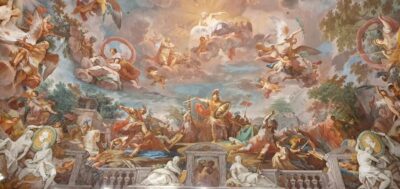
What I like most is the way the guide connects paintings to painters, so the works stop feeling like random “big hits.” Expect to see familiar masters such as Botticelli, Monet, Rembrandt, and Vermeer, and learn enough background to understand why style changes from century to century.
The other big win is the British Museum half: you’re pointed at standout objects like the Rosetta Stone, Parthenon sculpture, and the Lewis Chessmen, with context that makes the scale of 6000 years feel real instead of overwhelming. One consideration: both museums are huge and entry lines can be long, so this works best when you like structure and don’t mind moderate walking.
In This Review
- Key things to know before you go
- National Gallery master painters: the fastest way to get your bearings
- The National Gallery highlights you should expect (and what they teach you)
- Between museums: the lunch gap you’ll want to plan for
- British Museum: 6000 years, explained like a human Rosetta Stone
- British Museum objects that make context click
- Semi-private pacing for 8: why the guide’s personality matters
- Price and value: is $206 worth 5.5 hours?
- Who this tour suits (and who should rethink it)
- Should you book this British Museum & National Gallery Highlight Tour?
- FAQ
- Where does the tour start?
- How long is the British Museum & National Gallery Highlight Tour?
- How big is the group?
- What’s included in the price?
- Is lunch included?
- Do I need ID?
- Are large bags allowed?
- Is the tour wheelchair accessible?
- What’s the cancellation policy?
Key things to know before you go
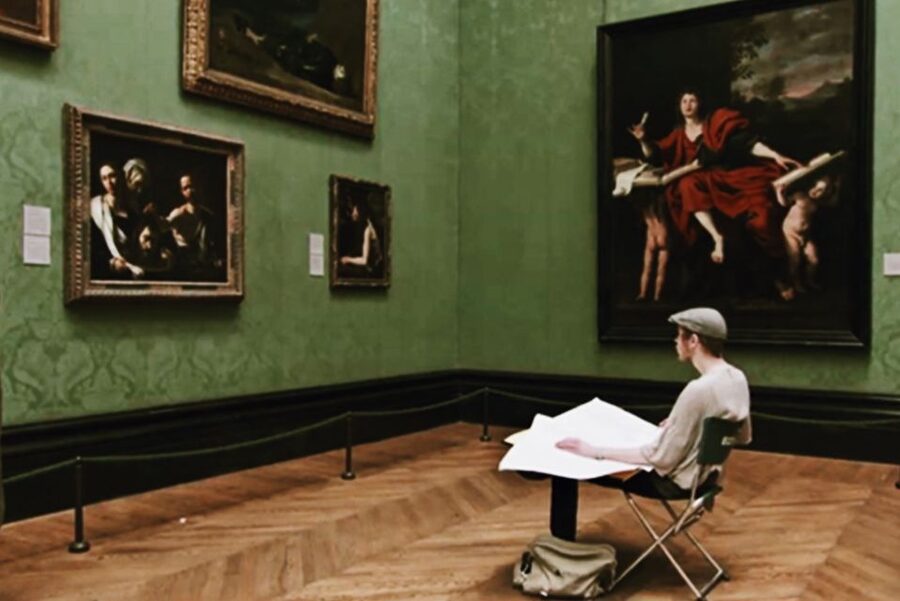
- Two world-class museums in one go: National Gallery first, British Museum after lunch.
- Focus beats wandering: you’re guided to major works you can’t easily prioritize on your own.
- Style changes over time: you’ll connect artists and movements instead of just viewing highlights.
- Family of objects, not just art: the British Museum walk links sculpture, jewelry, and artifacts to stories.
- Semi-private pacing: up to 8 guests means the guide can slow down for questions.
- Guides matter here: guides like Matilda and Becky are singled out for lively, witty delivery.
National Gallery master painters: the fastest way to get your bearings
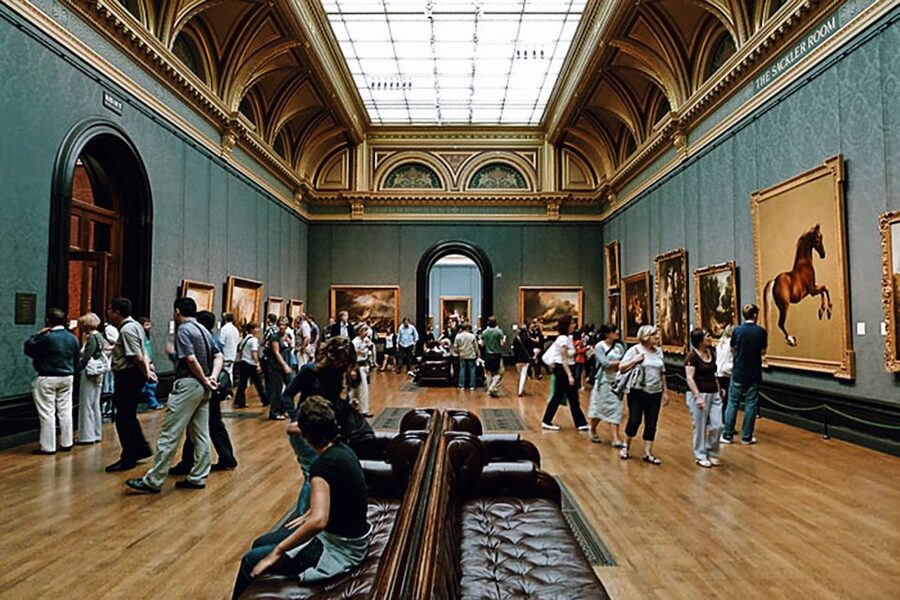
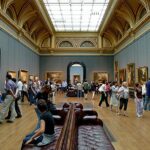
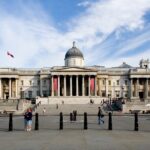
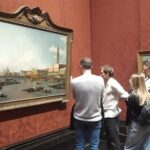
The National Gallery can feel like a maze if you only have a half day. This tour gives you a path, but the real value is the “why” behind the paintings. Instead of treating the collection like a checklist, the guide frames works through the artists’ world and the cultural moment that shaped them.
You’ll start by learning about the master painters whose names fill the galleries. That matters because it changes how you look. A painting becomes a record of choices—pose, light, setting, symbolism—rather than a static image you move past.
This is also where the tour’s promise of “no more name confusion” really pays off. Even if you only recognize one or two artists now, the guide builds the connections so by the end the big names you’ve heard (like Van Gogh and da Vinci) are tied to specific works and artistic shifts across centuries.
You can also read our reviews of more museum experiences in London


The National Gallery highlights you should expect (and what they teach you)
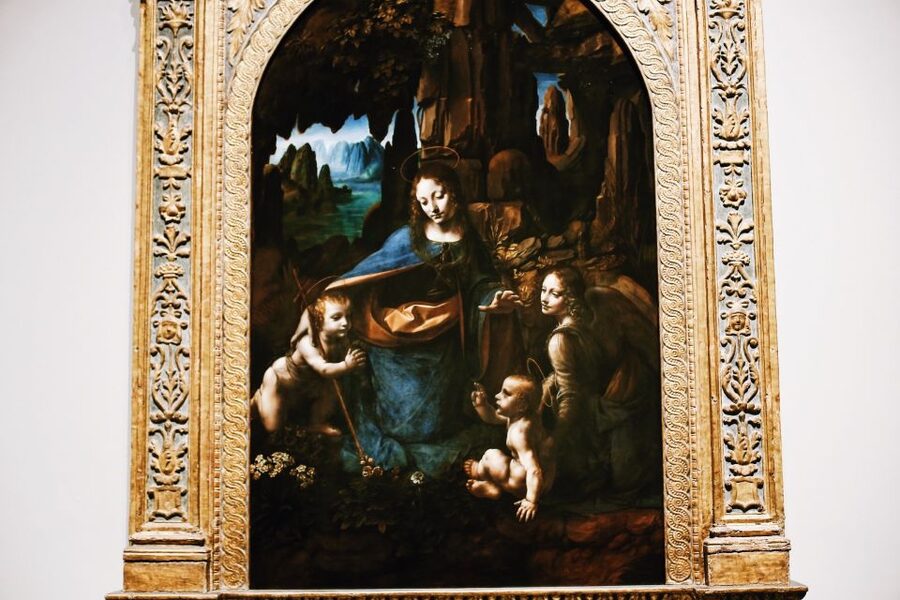
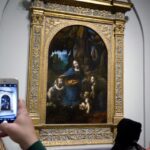
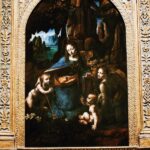
The tour points you toward major works that help you compare styles in a short time. Based on what’s typically included, you might see pieces such as The Virgin of the Rocks, The Ambassadors, Arnolfini Portrait, Venus and Mars, and The Roskeby Venus. If you’re a first-timer, these paintings are often the ones that anchor your memory of the collection.
Some highlights also make great “transfer lessons” for your future museum visits. For example:
- You may begin with works tied to the 1300s onward (so you’re not just staring at one era).
- You’ll likely move through examples that show shifts toward modernity, including Seurat’s Bathers at Asnières, which is a useful contrast to older techniques and subject choices.
- You may also encounter religious works like The Madonna of the Pinks (La Madonna dei Garofani) and mythological figures like The Toilet of Venus (The Rokeby Venus).
Even when you don’t know anything beforehand, this format helps you spot patterns. You start recognizing how painters used detail to communicate meaning—whether it’s in faces, fabrics, landscapes (even when they’re only a backdrop), or the way figures are posed.
Between museums: the lunch gap you’ll want to plan for
You’ll have a break for lunch between the two museum visits, and it’s at your own expense. That’s normal for London tours, but it does change the best strategy: don’t lose time hunting for food.
You’ll walk moderately, and you’ll be moving from one major attraction to another, so keep your lunch simple. If you’re traveling with snacks, a light meal works best for staying alert through the second museum half. If you rely on a sit-down lunch, give yourself extra time so the group doesn’t start the British Museum sprint late.
Also, remember the tour doesn’t include food and drinks unless stated. Bring water if you tend to get thirsty quickly, especially if you’re visiting during warmer months.
British Museum: 6000 years, explained like a human Rosetta Stone
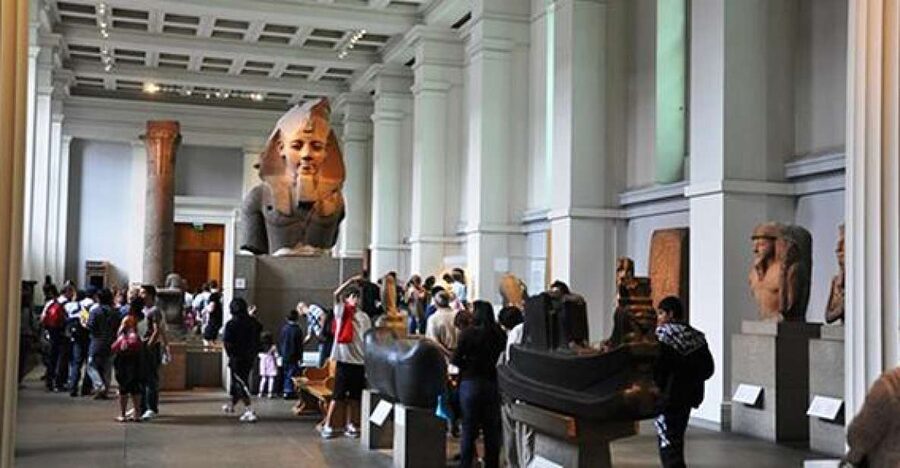
The British Museum part is where the tour broadens from art history into the big idea of civilization itself. The guide treats the museum like a “living Rosetta Stone”—showing you how objects connect across time, not just how they look behind glass.
Expect a curated route through galleries that cover sculptures, jewelry, and artifacts. The point isn’t to see everything (you can’t in 5.5 hours), but to understand enough that the collection stops feeling random. With a good guide, you start making mental labels: this object tells you about power, this one about daily life, and this one about belief systems.
This half also tends to feel more like discovery. You’ll go from famous classical references to things that many visitors never get to notice on their own—like the way ancient societies represented animals, rulers, warfare, and everyday tools.
British Museum objects that make context click
A huge advantage here is that the guide points out specific objects that create anchors for your memory. Based on what’s typically included, you might see:
- The Rosetta Stone: the headline object that helps you understand why writing matters.
- Parthenon sculpture: a strong reminder that “ancient Greek art” is not one style, but many choices tied to public life and religion.
- Lewis Chessmen: an excellent example of how culture shows up through play and craft.
- Assyrian lion hunt reliefs: these can feel intense, and the context helps you read them beyond “cool carving.”
- Oxus Treasure: useful for noticing craftsmanship and how objects travel in stories of empire.
- Royal Game of Ur: a quick way to connect ancient leisure with archaeology.
- Mummy of Katebet: a humanizing contrast to all the royal and military imagery.
- Samurai armour: the tour’s global arc comes through here—artifacts aren’t just European.
If you’re the kind of person who gets tired of museums that feel like they’re asking you to do all the thinking, this format helps. You’re given a framework first, then shown the object. That order makes the museum feel more navigable and less exhausting.


Semi-private pacing for 8: why the guide’s personality matters
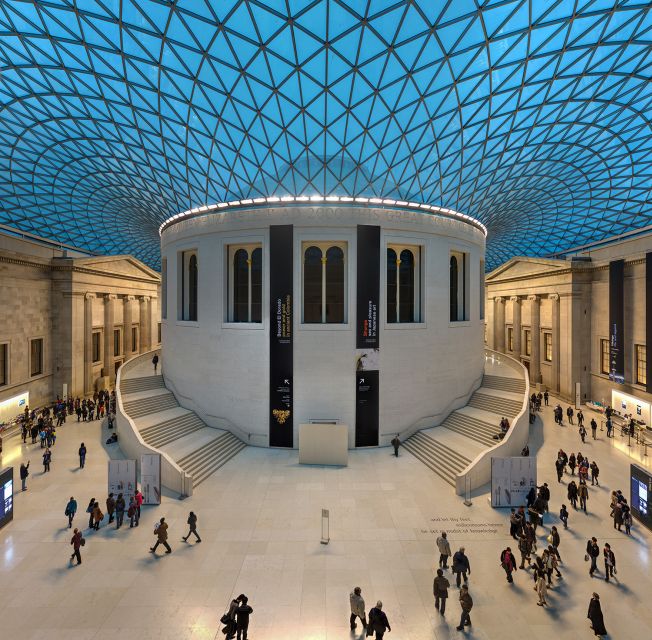
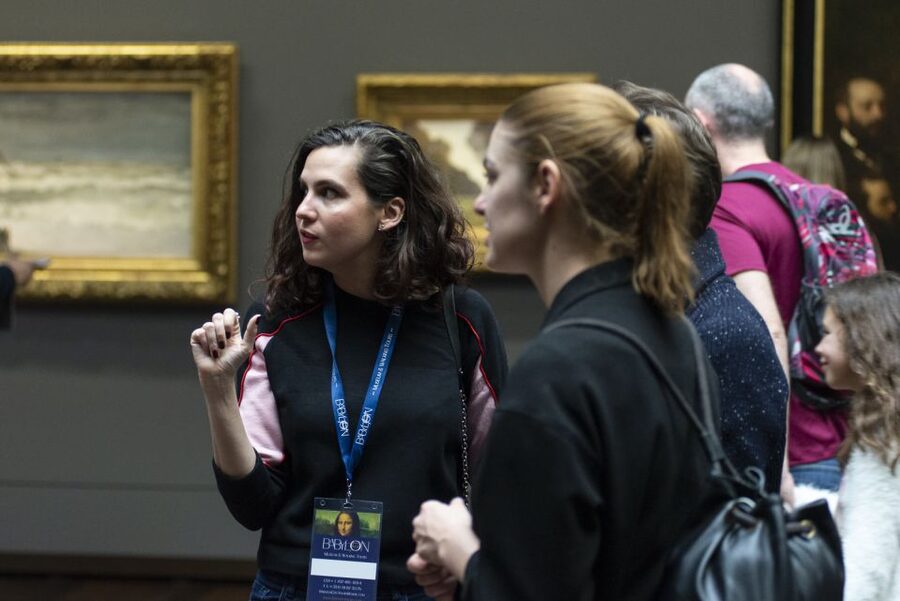
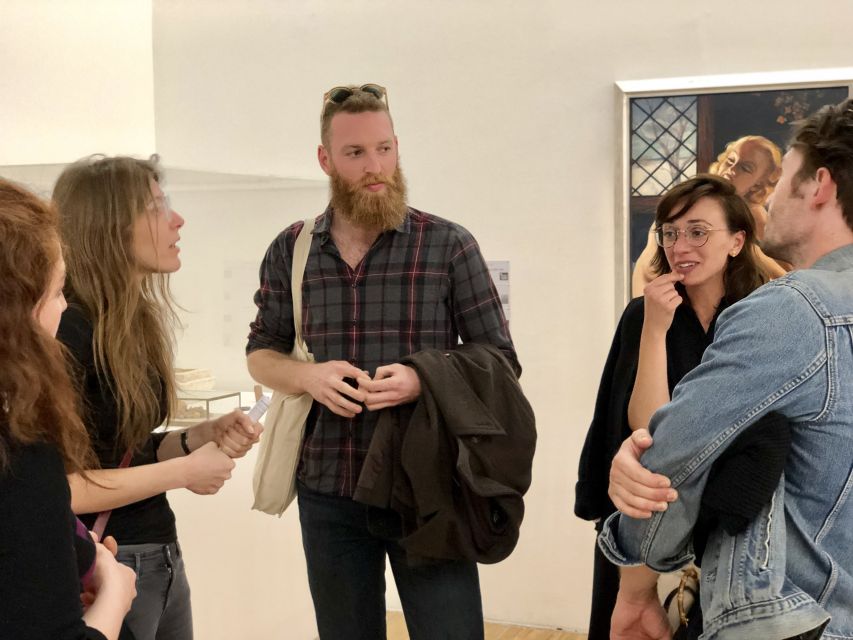
This is a semi-private experience capped at 8 guests, with English live guiding. That size is big enough to feel like a real tour, but small enough that the guide can keep moving without leaving you behind.
More importantly, the reviews emphasize guide personality as a core part of the value. Guides such as Matilda and Becky are praised for being lively and witty while still delivering clear information. For me, that combination is what makes a short museum tour work. If the guide is dry, you’ll burn time “enduring” the art. If they’re sharp and animated, you remember details you wouldn’t have bothered to read on the wall labels.
One more practical point: this kind of tour is especially helpful if you want the highlights but also want to understand them. You won’t just be told what the object is—you’ll learn how to look at it.
Price and value: is $206 worth 5.5 hours?
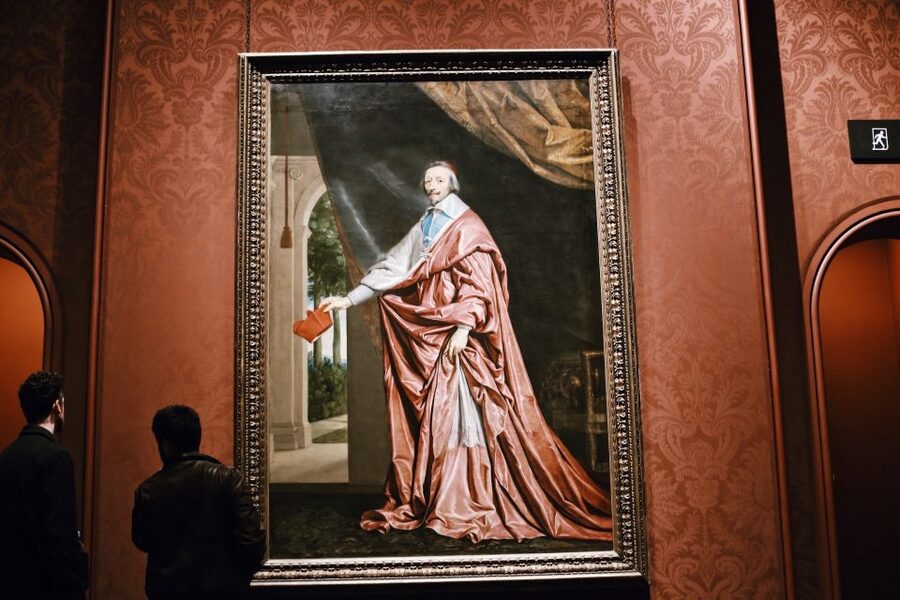
At $206 per person for about 5.5 hours, the value depends on what you want from London’s museums.
This is a good deal if:
- You only have one afternoon and you want both the National Gallery and the British Museum.
- You get more out of a museum with guidance than by self-guided walking.
- You care about context—artist background, symbolism, and how objects fit into larger stories.
It may feel pricey if:
- You’re totally comfortable mapping museum highlights on your own.
- You prefer to browse at your own pace and skip the structured route.
- You’re easily stressed by lines and tight timing, since you’ll need to keep up with the plan for both buildings.
In short: for short stays, it’s often a smart way to “buy time” and reduce decision fatigue. You’re not paying for transportation here; you’re paying for a guide to turn two huge collections into something you can actually process in one sitting.
Who this tour suits (and who should rethink it)
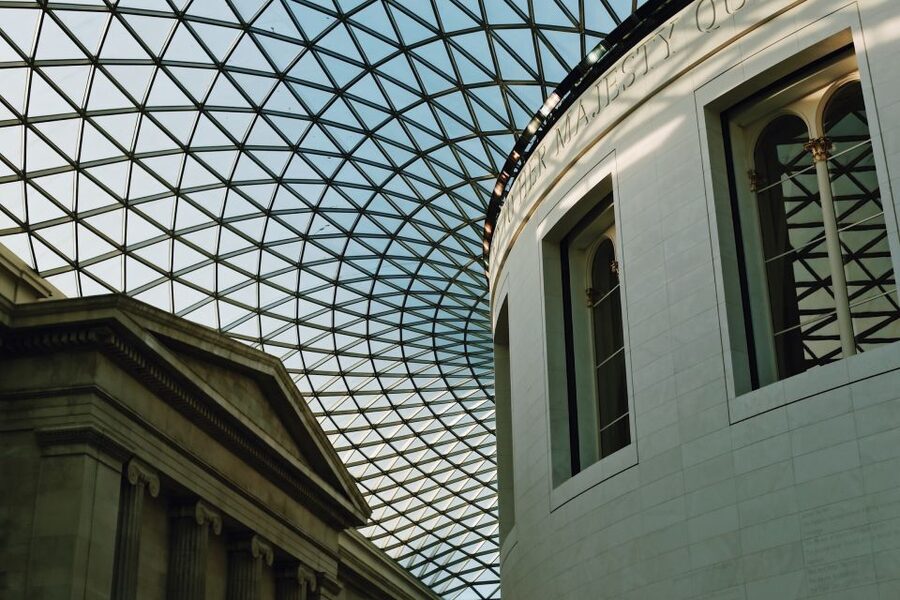
This experience fits well if you’re:
- A first-timer who wants the famous works plus enough background to make them stick.
- An art and culture fan who enjoys comparisons across time periods.
- Traveling with someone who knows nothing about painting history but still wants something worth seeing.
It’s less ideal if you:
- Need step-free access. The information provided notes wheelchair help may be available on request, but the tour is also listed as not suitable for wheelchair users—so confirm carefully before booking.
- Show up with large luggage. The tour notes that luggage or large bags aren’t allowed, so pack light.
- Want a fully flexible, stop-anywhere-and-sit-down style. This tour is structured, with moderate walking and a schedule that includes lunch break.
You should also bring a passport or ID card, since that’s specifically listed.
Should you book this British Museum & National Gallery Highlight Tour?
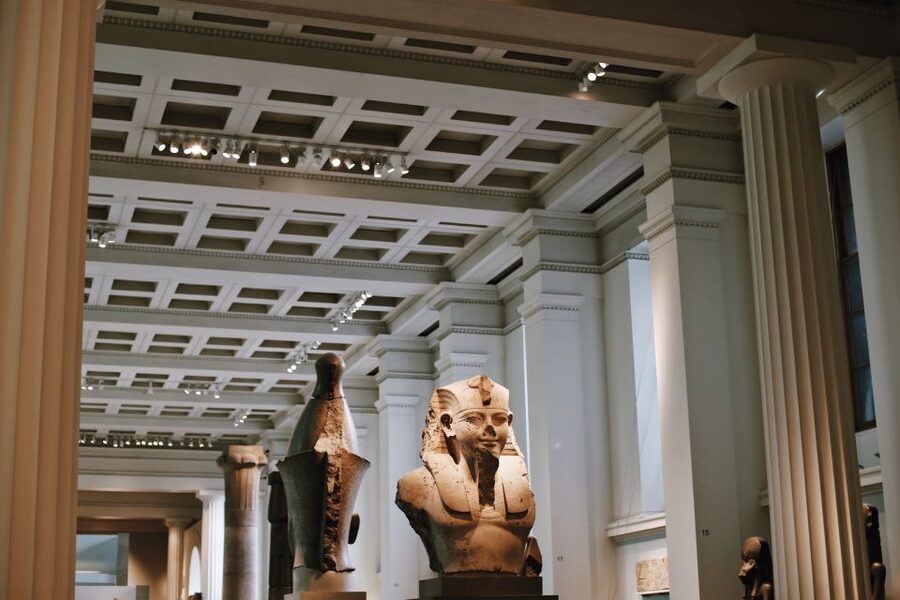
I’d book it if you want a guided route that makes two major London museums feel manageable and meaningful. The biggest strength is the combination of live commentary plus a focus on high-impact objects and paintings—things you’d otherwise miss or struggle to prioritize on your own.
I’d pause and think twice if you’re highly sensitive to logistics. This is a short window in buildings that are vast, and entry lines can be real. If you’re the type who panics when you can’t find the highlight quickly, you might find the structured approach more comforting than intimidating—just go in expecting some crowd friction.
If you do book, put energy into one simple goal: don’t just look—ask yourself what the guide wants you to notice. This tour is designed so that, when you do that, you leave with a mental map of both art and ancient worlds, not just photos.
FAQ
Where does the tour start?
The meeting point may vary depending on the option booked.
How long is the British Museum & National Gallery Highlight Tour?
It runs for about 5.5 hours.
How big is the group?
It’s offered as either private or semi-private, with a maximum of 8 guests for the semi-private option.
What’s included in the price?
A professional local tour guide is included, with private and small-group options available.
Is lunch included?
No. There will be a lunch break between the museum visits, at your own expense.
Do I need ID?
Yes. You should bring a passport or ID card.
Are large bags allowed?
No. Luggage or large bags are not allowed.
Is the tour wheelchair accessible?
The information provided notes tours for wheelchair users are available on request, but it is also listed as not suitable for wheelchair users. Confirm with the provider before booking.
What’s the cancellation policy?
Free cancellation is available up to 24 hours in advance for a full refund.