REVIEW · TUCSON
Tucson Desert Art Museum Admission Ticket
Book on Viator →Operated by Tucson Desert Art Museum · Bookable on Viator
A museum ticket that turns a spare hour into art time. Tucson Desert Art Museum is a compact, smart way to see how desert Southwest culture shows up in textiles, pottery, photography, and more. You’ll get art and artifacts from the desert Southwest, plus rotating exhibits that keep the visit from feeling like a one-note history lesson.
I especially like the museum’s textile and weaving focus—from Navajo weaving to the way color and dyeing are explained. I also love the mix of media: paintings, historic sculpture, pottery, and a photography exhibition all work together without feeling random.
One thing to consider: it’s a relatively short visit at about 1 hour 30 minutes, so if you’re craving a long, museum-mega-day, you’ll want to pair it with nearby activities.
In This Review
- Key Things You’ll Notice Here
- Tucson Desert Art Museum: The Simple Plan That Works
- Inside the Museum: Desert Southwest Art and Artifacts
- Textiles and Weaving: Where Craft Gets the Spotlight
- The History of Color: Dyes, Rugs, and How Explanation Makes Art Click
- Art Across Media: Paintings, Sculpture, Pottery, and Photography
- Rotating Exhibits Like Cruzando la Linea: Borderlands Art With Context
- What a 1.5-Hour Visit Feels Like (and How to Make It Better)
- Don’t Skip the Human Touch: Staff Guidance and an Air-Conditioned Break
- The Gift Shop: Small Purchase, Big Memories
- Price and Value: Why This Admission Ticket Makes Sense
- Who This Ticket Is Best For
- Quick Practical FAQ
- FAQ
- How long does the museum ticket last?
- What does the ticket include?
- How much is the admission ticket?
- Where is the experience located?
- What are the opening hours?
- What language is the experience offered in?
- Is a mobile ticket used?
- Are service animals allowed?
- Is there free cancellation?
- Should You Book the Tucson Desert Art Museum Ticket?
Key Things You’ll Notice Here
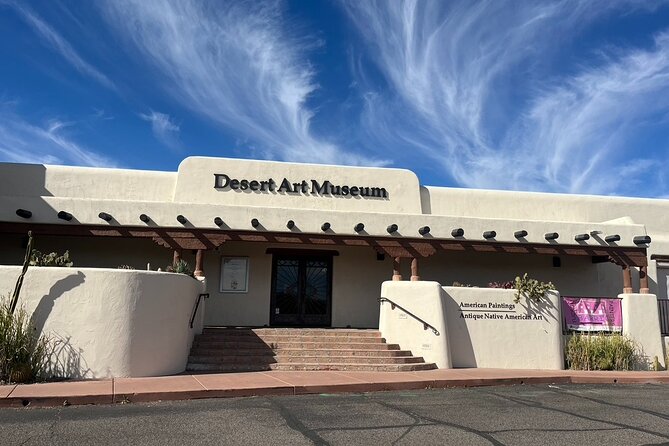
- Desert Southwest textiles and weaving with real attention to materials and craft
- History of dyes that makes the colors on display feel earned, not decorative
- A media mix (paintings, sculpture, pottery, and photography) that keeps you moving
- Rotating exhibits like Contemporary Art in the Borderlands, plus special themed shows
- Air-conditioned comfort that’s a big deal in Tucson
Tucson Desert Art Museum: The Simple Plan That Works
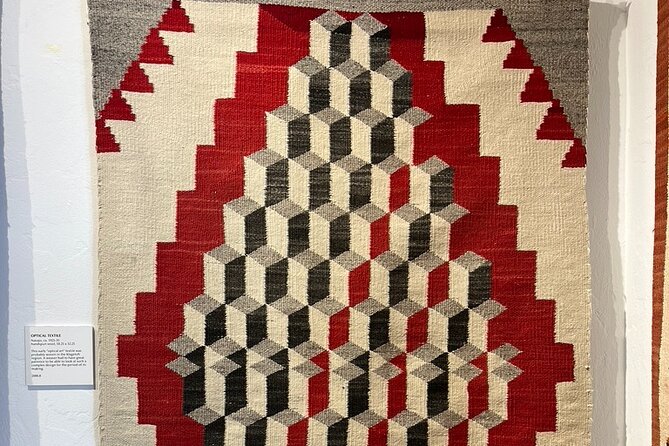
If you like museums that feel human—small enough to understand, focused enough to remember—this one fits. The ticket is for a full entry to the Tucson Desert Art Museum, and it’s designed as an easy stop in your day rather than a half-day project.
The big win is that the museum doesn’t just point at objects. It helps you connect the dots: desert life, craft traditions, materials, and the people behind them. In practice, that means your eyes don’t glaze over the first time you see a wall of art. You keep noticing details because the museum gives you reasons to.
Also, at this price point, you’re not taking a big risk. If you come in curious but unsure, you still leave with clearer understanding of desert Southwest culture—especially through textiles and color.
Inside the Museum: Desert Southwest Art and Artifacts
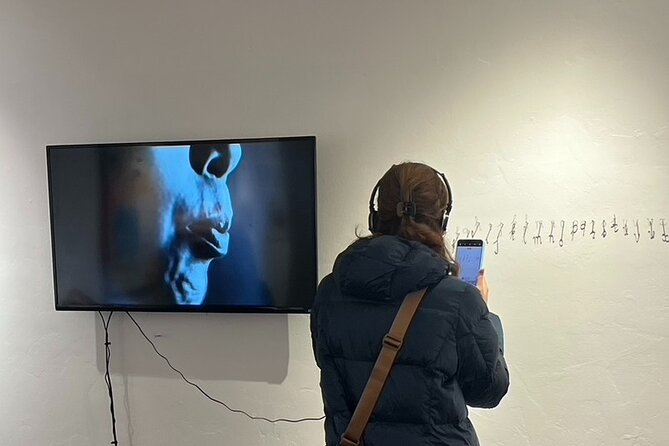
Your visit centers on one place: the Tucson Desert Art Museum itself. Plan on about 1 hour 30 minutes. That timing is perfect for a “learn and look” loop. You’ll be able to read a good portion of the labels, walk through the main exhibits at a comfortable pace, and still have energy left for Tucson in the afternoon.
The museum’s focus is desert Southwest art and artifacts. That can sound broad, but it stays grounded. You’ll see work that connects to the region’s traditions and lived experience—along with historic and contemporary examples that help you see continuity and change.
Because the museum is not trying to be a giant, sprawling archive, it tends to feel approachable. You can get oriented quickly and then slow down where you care most: weaving, dye, pottery forms, or the visual language of photography and painting.
Textiles and Weaving: Where Craft Gets the Spotlight
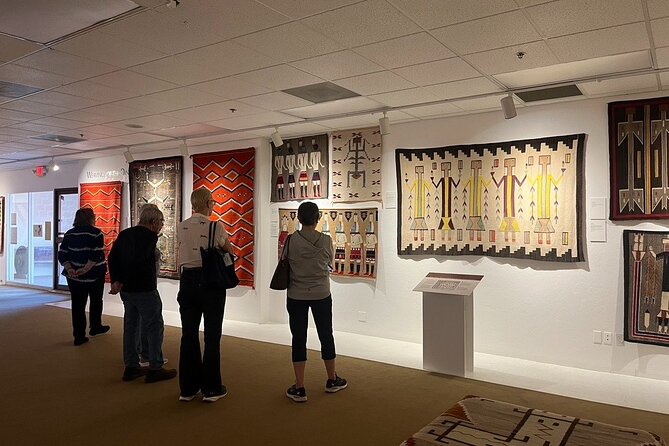
The most praised part of this museum visit is the textile and weaving portion. If you’ve ever admired rugs or woven pieces and wondered what makes one style feel so different, this is where you get answers.
You’ll find attention on Navajo weaving and the way designs relate to tradition. The presentation isn’t just about looking pretty (though yes, it’s beautiful). It also helps you understand the craft choices. That matters because woven art often carries meaning in patterns, materials, and methods—things you miss when you only see the final object.
One smart bonus: the museum also treats weaving as part of a larger story. You see how dyes, tools, and techniques connect to the finished work. That turns textiles from “nice artifact” into “process you can actually picture.”
If you’re the type who loves to get your bearings fast, start here in your visit. You’ll be rewarded with a stronger sense of why the rest of the exhibits feel connected.
The History of Color: Dyes, Rugs, and How Explanation Makes Art Click
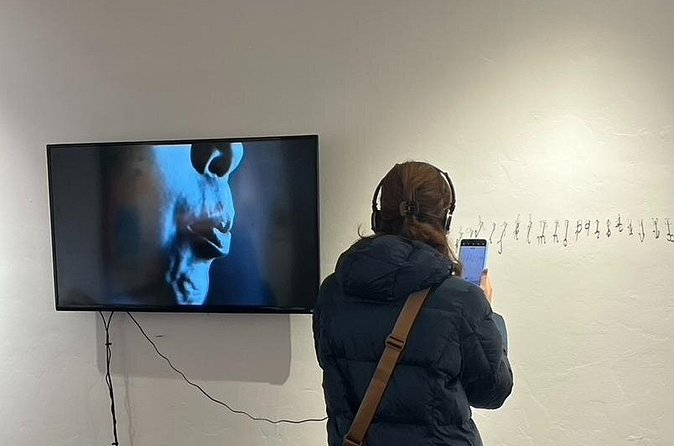
A standout theme is the history of dyes. This is one of those topics that could easily become dry. Here, it works because it’s tied to real objects and real visual results—what you’re seeing on rugs and textiles makes more sense after you learn how color gets made.
You’ll also see related elements in the museum’s storytelling around rugs and regional craft. One review highlights learning about the history of dyes, rugs, and even historical women of the area, which signals that the museum isn’t treating craft as an anonymous background activity. It gives credit to the people and knowledge behind it.
Here’s why that matters for you: color is usually the first thing your eyes grab. When you learn even a little about dye processes and tradition, your eyes start hunting for subtle differences instead of just admiring the overall look. The museum basically gives you a set of “what to notice” cues.
Art Across Media: Paintings, Sculpture, Pottery, and Photography
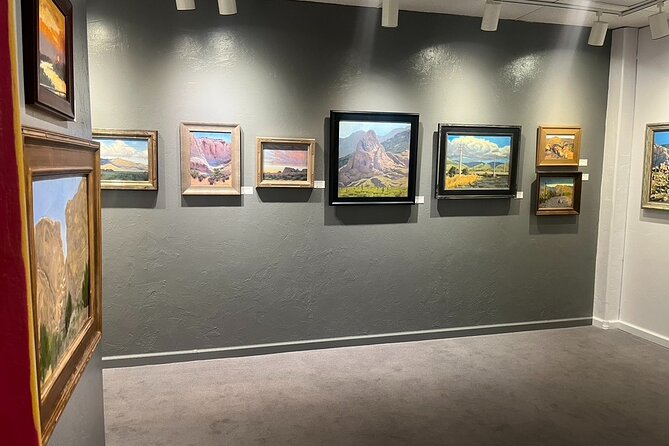
Even if textiles are your main interest, you’ll want to give the rest of the galleries time. One of the strengths here is the cross-media mix. You don’t just see woven pieces in isolation. You get paintings, historic sculpture, and pottery alongside photography and other themed history exhibits with timelines.
That variety helps in two ways:
1) If textiles keep pulling your focus, the other media gives your eyes a break without ending the story.
2) If you’re not a hardcore textile person, the museum still offers entry points through painting, sculpture, and photography.
A photography exhibition is part of the mix too. Photography can feel tricky in a museum—too modern, too generic, too far from daily life. But when it’s placed next to regional art traditions, it can deepen what you already learned. You start seeing how people record, shape, and interpret desert Southwest life through images.
If you’re short on time, don’t speed-run. Pick two or three galleries to go slower in, then skim lightly around the edges of the rest. This keeps the visit coherent.
Rotating Exhibits Like Cruzando la Linea: Borderlands Art With Context
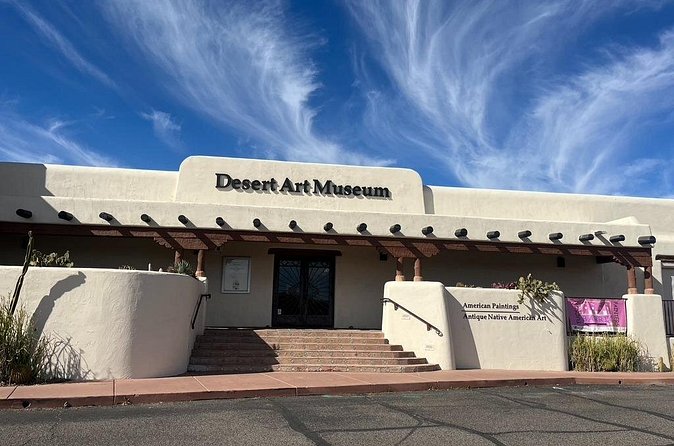
Rotating exhibits are where your visit feels current. One highlighted show is Cruzando la Linea: Contemporary Art in the Borderlands. That’s the kind of title that tells you it won’t stay purely in the past.
This matters because it prevents the museum from becoming a museum of only “old ways.” Instead, you get a sense of how contemporary artists think, respond, and create under real regional pressures and conversations. When the museum pairs contemporary work with traditional craft and historic timelines, the whole place starts to feel like one ongoing conversation.
If you have a leaning toward current culture—especially art that speaks to place—this rotating-exhibit side is worth your attention. If you only want traditional textiles, you’ll still benefit. The contemporary show gives you a wider frame for what desert Southwest art is now, not just what it used to be.
What a 1.5-Hour Visit Feels Like (and How to Make It Better)
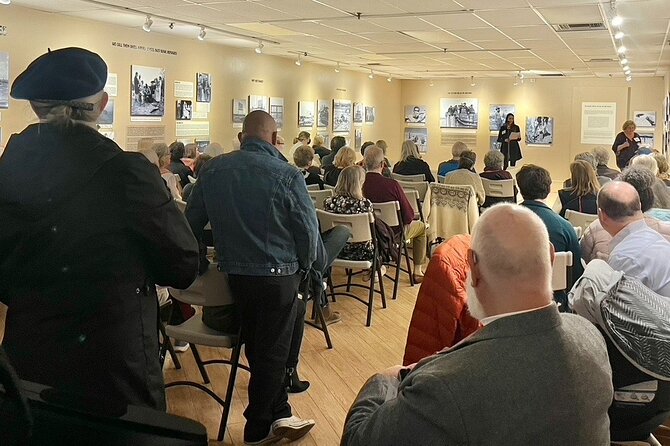
With about 1 hour 30 minutes, your goal is quality movement, not marathon browsing. The museum is open Wednesday through Saturday, 10:00 AM to 4:00 PM (for the stated period shown on the ticket details). That schedule is great if you’re building a day around lunch, a late-morning museum stop, or an afternoon reset with air-conditioning.
Here’s a practical way to plan your flow:
- Start with the textiles/weaving area so you anchor the visit in the museum’s strongest theme.
- Then move through the dye and rugs-related sections so the colors start making sense.
- Finish with the mixed media rooms (paintings, sculpture, pottery, and photography) and then end with rotating exhibits so the visit closes on something fresh.
If you’re traveling with kids or family members who get restless, this layout helps. You can point to “this is how they made it” moments in the textile areas, then broaden out once everyone’s eyes are awake.
Don’t Skip the Human Touch: Staff Guidance and an Air-Conditioned Break
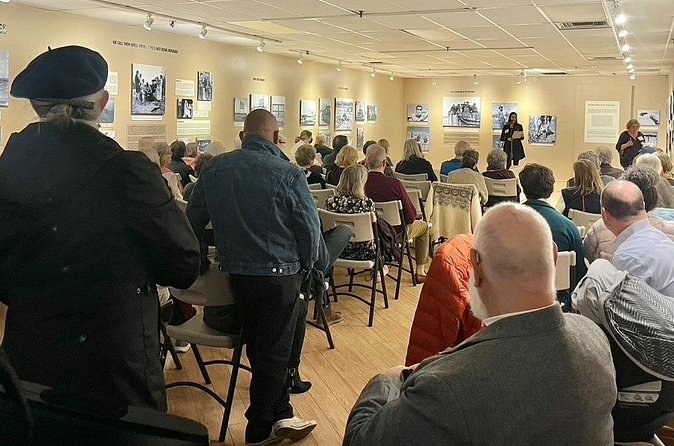
There’s a warm, helpful feel to the museum experience. One review specifically named Krista, the manager, who greeted visitors warmly and shared a summary of the key areas of interest. That kind of orientation can change how you experience a small museum: you understand where to spend time and what details matter most.
Also, Tucson heat is real. One note called out the comfort of air conditioning and the way the museum preserves the experience for visitors. Even if you’re not sweating yet, it’s nice to have that climate-controlled pocket in the middle of the day. It turns “quick look” into “comfortable look,” which is what you want when you’re actually reading and learning.
The Gift Shop: Small Purchase, Big Memories
If you like taking a little piece of a place home, the gift shop is worth stopping in. One review highlights it as a don’t-miss area with beautiful items. That’s not just about souvenirs. It’s also a way to support the museum and extend the textile/dye theme after you leave.
Practical tip: if you’re interested in woven goods, use the museum to learn what you’re seeing first. Even basic understanding of dyes, patterns, and craft approach helps you make a more confident purchase later.
Price and Value: Why This Admission Ticket Makes Sense
The ticket price is $12 per person, with one note indicating $10 for seniors. For a 1.5-hour museum visit with multiple galleries—textiles, dye history, pottery, sculpture, paintings, photography, and rotating exhibits—that’s strong value.
What makes it feel like good value isn’t just the price tag. It’s the way the museum uses that time: you can read enough to learn real context, and you can still finish without feeling stuck. Museums at this size can easily feel like a “walk-by.” Here, the emphasis on textiles and dye history gives your visit a clear center of gravity.
If you’re the kind of traveler who likes authentic regional culture without spending your whole day in transit or in line, this ticket fits well.
Who This Ticket Is Best For
This museum works especially well for you if:
- You like craft, textiles, and the science or art of color-making
- You want desert Southwest culture explained through objects, not just big speeches
- You enjoy a mix of historic and contemporary work
- You want an easy plan that fits into a day in Tucson without stress
You might also enjoy it if you’re traveling with family. The craft-based exhibits tend to be visually engaging, and air-conditioning makes it easier to keep the mood pleasant.
If your museum style is “only big, blockbuster collections,” you may find the scale smaller than you want. But if you like focused, thoughtfully arranged exhibits, you’ll probably appreciate the tighter format.
Quick Practical FAQ
FAQ
How long does the museum ticket last?
It’s designed for about 1 hour 30 minutes.
What does the ticket include?
Admission to the Tucson Desert Art Museum is included.
How much is the admission ticket?
The price is listed as $12.00 per person, and one note indicates $10 for seniors.
Where is the experience located?
It takes place in Tucson, USA.
What are the opening hours?
For the listed dates, it’s open Wednesday through Saturday from 10:00 AM to 4:00 PM.
What language is the experience offered in?
English.
Is a mobile ticket used?
Yes, it’s a mobile ticket.
Are service animals allowed?
Yes, service animals are allowed.
Is there free cancellation?
Yes. You can cancel up to 24 hours in advance for a full refund.
Should You Book the Tucson Desert Art Museum Ticket?
Yes, if your idea of a great Tucson day includes real regional culture you can actually see and understand. This ticket is a smart value for the time you spend: textiles and weaving, dye history, and a rotating exhibit side make it more than a quick glance.
I’d especially book it if you love craft details—like how color gets made and why patterns matter. Even if you’re not a textile expert, the museum’s mix of media and the helpful staff orientation (Krista is one named example) make it an easier, more enjoyable visit.