REVIEW · BANGKOK
Bangkok: Chinatown & Taladnoi Street Art Guided Walking Tour
Book on GetYourGuide →Operated by TRIPZA sightseeing · Bookable on GetYourGuide
Chinatown here is not a checklist. You get a guided loop that mixes temples, markets, and the Chinese stories behind Bangkok’s older neighborhoods. I especially love the visit to Wat Mangkon Kamalawat and how the guides (often like Jenny or Nok) explain what you’re seeing in plain English. One heads-up: you’ll be on your feet a lot in hot sun, and the tour is not suitable for wheelchair users or pregnant women.
The route starts at MRT Wat Mangkon Exit 3 and ends at River City Bangkok on the Chao Phraya River, which is a great landing spot if you want to keep going on your own. For $19 per person, you’re paying for a licensed English-speaking guide plus a bottle of water, while meals are on you. If you hate walking or crowds, this might feel like sensory overload.
In This Review
- Key things I’d plan around
- Yaowarat and Talad Noi: why this Chinatown feels different
- Meeting at MRT Wat Mangkon Exit 3 and setting your pace
- Wat Mangkon Kamalawat: Chinese spiritual life in the real neighborhood
- Morning market energy: street food, incense, and everyday trade
- Tian Fah Foundation Hospital: charity tied to community roots
- Wat Traimit and the Golden Buddha story
- Wat Pathum Khongkha: a calmer, more royal-feeling break
- Talad Noi ironworks alleys: where skilled craft lived
- Talad Noi Community Museum and street art you can actually read
- Finishing at River City Bangkok by the Chao Phraya
- Price and value: what $19 buys you (and what it doesn’t)
- Who should book, and who should reconsider
- Tips to make the day easier in Bangkok heat
- Should you book this Chinatown & Talad Noi walking tour?
- FAQ
- Where is the meeting point for the tour?
- How long is the Chinatown & Talad Noi Street Art Guided Walking Tour?
- How much does it cost?
- What’s included in the tour price?
- Is pickup available?
- Is this tour suitable for everyone?
Key things I’d plan around
- Wat Mangkon Kamalawat first: you start with a major Chinese spiritual center, not a random side street.
- Thai-Chinese stories built into each stop: temples, trade, and immigration themes connect the walk.
- Talad Noi ironworks alleys: you get the craft angle, not just the photo angle.
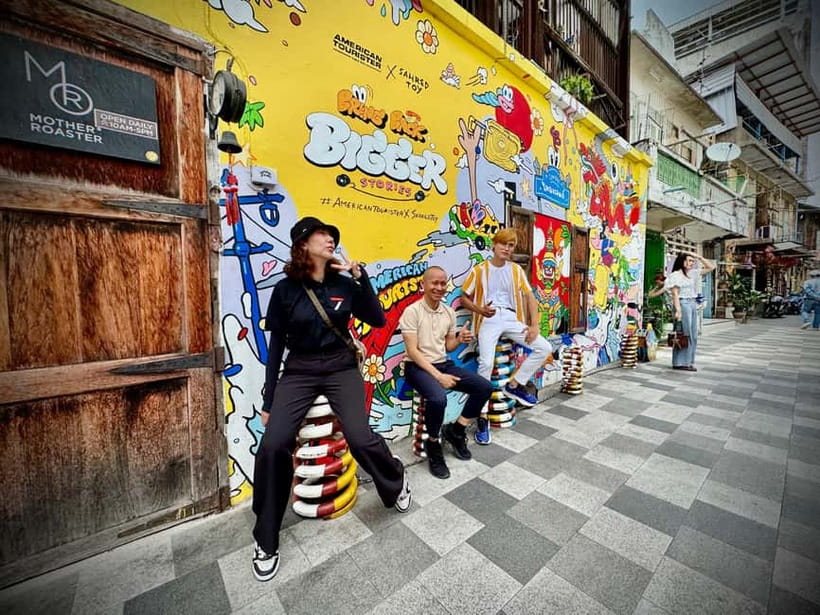
- Street art + the Talad Noi Community Museum: art shows up as part of neighborhood memory.
- End at River City: you finish by the river with an easy option to grab lunch or take a boat ride.
Yaowarat and Talad Noi: why this Chinatown feels different
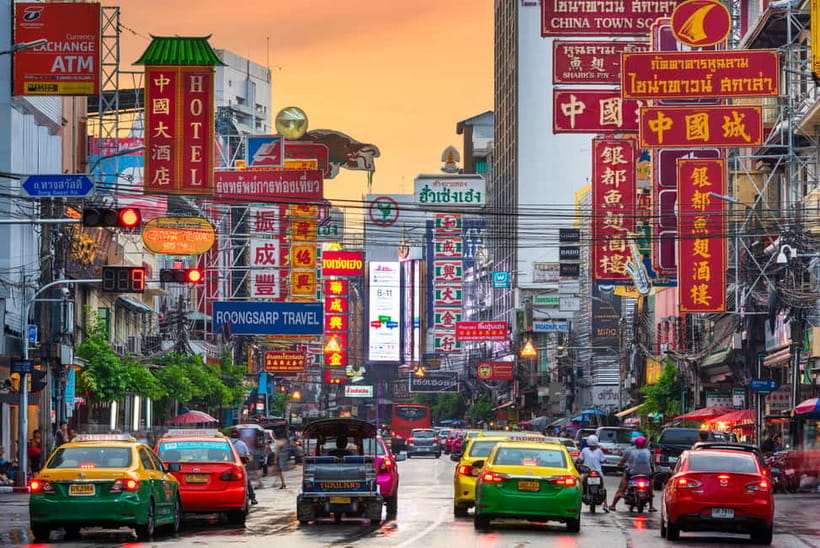
Most Chinatown walks in Bangkok skim the obvious spots and move fast. This one slows you down by focusing on how the neighborhood works: worship, commerce, and community all mixed together.
You’ll see shrines tucked between older buildings, temples that still function like everyday anchors, and back alleys where the past shows up in the details. The Talad Noi portion is especially good because it connects Chinese crafts to the way tools and metalwork shaped daily life.
If you like travel days that feel like you’re meeting a place through its people, this tour fits. It’s also a smart way to learn how Thai-Chinese heritage shaped Bangkok’s rhythm without turning every block into a lecture.
You can also read our reviews of more walking tours in Bangkok


Meeting at MRT Wat Mangkon Exit 3 and setting your pace
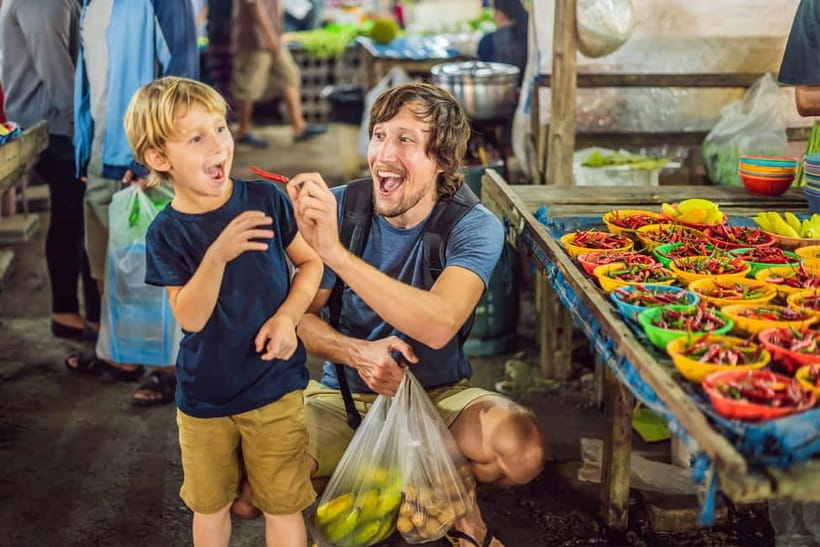
Your morning begins at MRT Wat Mangkon Exit 3. If you choose pickup, you wait in the hotel lobby at least 5 minutes early, and your guide will come looking with a sign and your name. Either way, you’ll start with a group and a guide who keeps the pace moving but not frantic.
At 4 hours, the walking adds up. The good part is that the schedule includes breaks and photo stops, so you’re not just marching the whole time. The practical part is simple: wear comfortable shoes and light clothing, and take shade when you can.
I’d also mentally prepare for sensory input: incense, street food smells, dense streets, and lots of faces. That’s the point. Just don’t plan this tour if you’re trying to have a quiet day.
Wat Mangkon Kamalawat: Chinese spiritual life in the real neighborhood
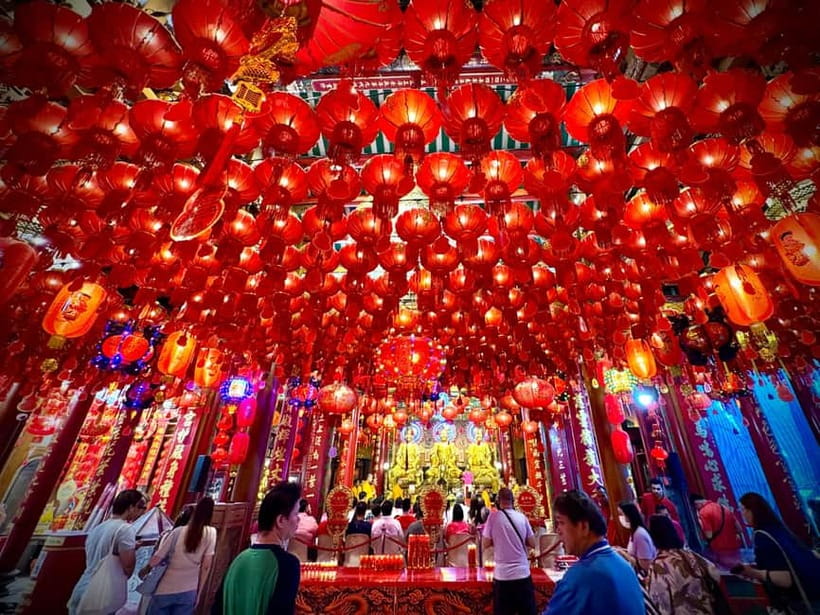
The tour starts at Wat Mangkon Kamalawat, described as a hub of Chinese spiritual life. That matters because it frames Chinatown through belief, not just shopping.
You’ll get a guided look that ties the temple to the wider community. Instead of treating it like a one-off photo stop, you learn how sacred spaces feed daily identity in neighborhoods like Yaowarat. It’s one of those places where you can see why religious traditions carry forward even as the city changes around them.
If you’re new to Thai-Chinese culture, this is a strong first landing. The guide helps you notice what you might otherwise miss: where devotion shows up, how shrines feel integrated into the street life around them, and why the temple is a natural meeting point for locals.
Morning market energy: street food, incense, and everyday trade
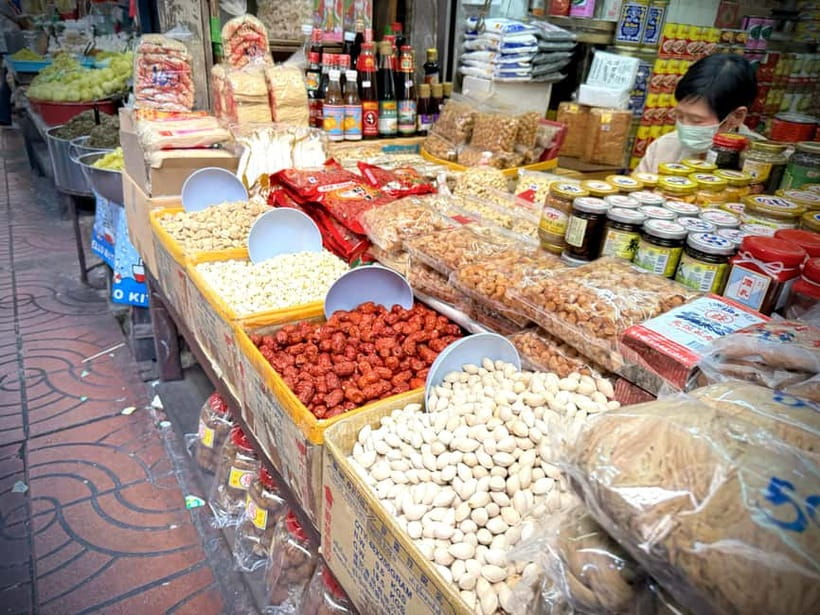
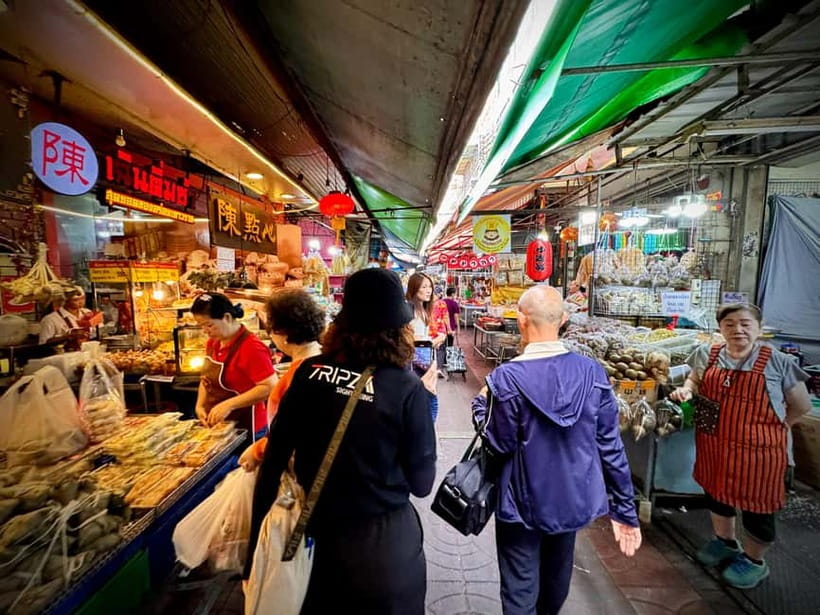
After the first temple stop, you move into a lively morning market area. You’ll walk through that in-between zone where commerce and worship overlap: street food scenes, incense, and people doing normal errands while tourists drift in.
This part is less about buying souvenirs and more about learning the neighborhood’s rhythm. The guide’s role here is huge. With someone explaining what you’re seeing, the market becomes a story instead of just noise and lights.
You should expect plenty of eye candy and plenty of smells. If you have a sensitive stomach, keep it simple and choose what looks clean and busy. Also, keep an eye on your personal space. Yaowarat streets can get tight fast.
One small detail from guest feedback: at least one guide is noted for being thoughtful with treats, like a guest who specifically praised the chocolate they were offered. Don’t count on a specific snack every time, but it hints that guides sometimes add small, practical moments to keep energy up.
Tian Fah Foundation Hospital: charity tied to community roots
From the market, you head to Tian Fah Foundation Hospital, noted as Thailand’s first Chinese charitable hospital. This is a quieter stop, but it’s important because it expands the idea of Chinatown beyond temples and street food.
You’re learning how community support systems grew alongside migration and business. A charitable hospital isn’t just a building; it’s a sign that people built infrastructure for one another when they needed it most.
If you like historical context, this stop gives you a different kind of respect for the neighborhood. It’s not only about what people sell. It’s about how they care.

Wat Traimit and the Golden Buddha story
Next you visit Wat Traimit. The highlight here is the tale of the Golden Buddha. That story is famous for a reason: it adds drama to what would otherwise be a straightforward temple visit.
Even if you’ve heard the outline before, a guided explanation helps you understand why such a discovery matters to a community’s identity. You’re not just looking at a statue. You’re learning how legends travel, how objects become symbols, and how the neighborhood remembers itself.
This is a good moment in the tour flow because it balances market energy with a focus on meaning. It also gives you a chance to slow down your pace, catch your breath, and reset for the more compact alley sections later.
Wat Pathum Khongkha: a calmer, more royal-feeling break
In between the bigger-hit stops, you’ll visit Wat Pathum Khongkha, described as peaceful and royal. This is a nice change of pace.
Chinatown can feel intense, and this temple helps you breathe. It also gives you contrast: not every sacred site in this part of Bangkok feels the same. Seeing different styles of temple atmosphere helps you understand the city’s range.
If you’re paying attention, you’ll notice how the guide frames the differences in worship style and setting. That’s the sort of detail that turns a tour from sightseeing into real understanding.
Talad Noi ironworks alleys: where skilled craft lived
Then you go into the heart of Talad Noi, including the historic ironworks alleys. This is one of the most distinctive parts of the whole tour because it focuses on labor and craft.
You’ll learn that skilled Chinese craftsmen once forged metal tools here. That’s not an abstract statement. As you walk, the alley layout and the old-building feel help you picture how work happened close to home.
If you like industrial history or you simply enjoy places with character, this section delivers. It’s also a reminder that immigrant communities shaped Bangkok through practical skills, not only through cuisine and trade.
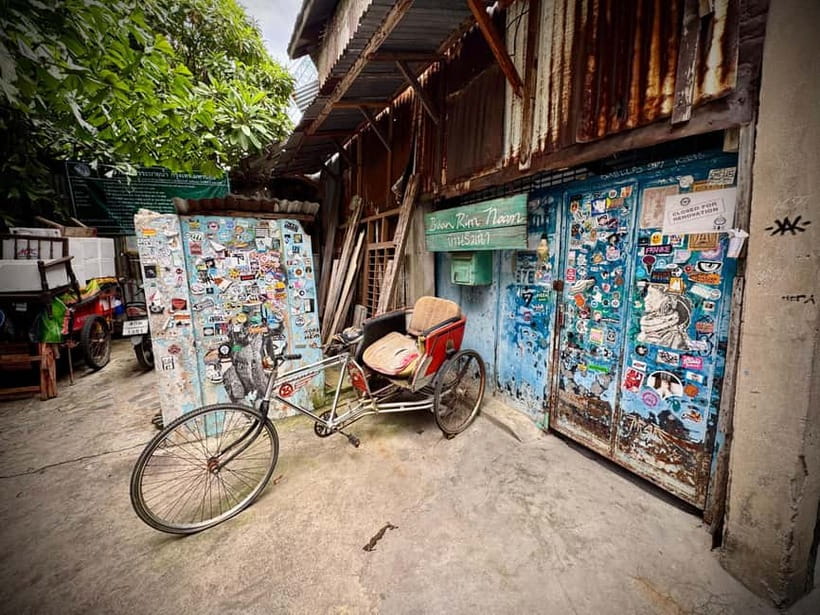
Also, don’t rush this part. The best photos usually happen when you take a second look at doorways, small signs, and the “in-between” corners that most guided tours skip.
Talad Noi Community Museum and street art you can actually read
You’ll step into the Talad Noi Community Museum, tied to colorful street art and neighborhood storytelling. This is where modern expression meets older community identity.
The museum component adds structure. Street art can look spontaneous, but in a context like this you start to see how it reflects immigration, commerce, and local legend themes that the guide has been building all morning.
Along the way, you’ll also find hidden shrines tucked between old buildings. That combination is what makes Talad Noi feel like more than a photo walk. It feels like a living area where people still believe, still remember, and still add new layers.
One practical note: museums and art stops mean you might be standing some time. Bring a bit of patience, and treat it like a mental rest, not a delay.
Finishing at River City Bangkok by the Chao Phraya
The tour ends at River City Bangkok, right on the banks of the Chao Phraya River. This is a smart finish point because you get options immediately.
You can grab lunch nearby, wander on your own, or take a scenic boat ride if that fits your day. Finishing by water also helps your body cool down after all the street heat.
If you want a smooth end, plan for a slow transition. Don’t stack another far-away activity right after, since your legs will be asking questions.
Price and value: what $19 buys you (and what it doesn’t)
At $19 per person for a 4-hour guided walking tour, the value is mostly about the guide time and the learning you get.
What’s included is simple and clear: a fully licensed English-speaking guide and a bottle of water. Meals and personal expenses are not included, so you’re free to eat what you actually want in the market rather than being locked into a set menu.
In my eyes, the best value here is the way the tour links stops with one main theme: Thai-Chinese heritage through real locations. A temple stop on its own is fine. A temple stop connected to hospital charity, ironworks craft, and neighborhood legends is better. You’re not just ticking off sights.
Also, the tour earns points for ending in a convenient area (River City) instead of dropping you in the middle of nowhere. That matters after a walking day.
Who should book, and who should reconsider
This tour is a great match if you:
- want to understand Chinatown beyond the usual tourist trail
- enjoy guided context while you walk (temples, shrines, markets, and local stories)
- like arts and neighborhood history in the same day
- prefer a manageable 4-hour outing over a full-day commitment
It’s less of a match if you:
- need wheelchair-friendly routes, since it’s not suitable for wheelchair users
- are pregnant, since it’s not recommended
- dislike crowded streets and constant foot traffic in warm weather
For families: at least one guest mentioned enjoying it with children. That can be a good sign if your group can handle walking and attention spans. Still, since the tour is focused on streets and stops, plan snacks and breaks in advance.
Tips to make the day easier in Bangkok heat
I’d treat this as a summer workout, even if you think you’re prepared. Bangkok sun is honest, and your body will notice.
Bring:
- comfortable shoes you don’t mind getting dusty
- a hat and sunscreen
- a water bottle (the tour provides one, but having your own can help)
Wear light clothing and expect the day to run on walking time plus occasional breaks. If you’re easily overwhelmed by crowds, step a bit slower in tight alleys and let your guide set the pace.
One more practical trick: take photos during photo stops, then look around when the group moves on. You’ll remember the details better that way.
Should you book this Chinatown & Talad Noi walking tour?
Yes, if you want a guided Chinatown day that feels like a neighborhood story. I like how it mixes big sights (major temples, Wat Traimit and the Golden Buddha tale) with street-level texture (ironworks alleys, hidden shrines, street art, and the community museum). It’s not just about pretty buildings. It’s about why they matter.
Book it with confidence if you’re comfortable walking for about half a day and you can handle busy streets. Skip it if you’re not up for that pace or if mobility is an issue.
If you’re trying to understand Bangkok’s Thai-Chinese roots in a single morning, this is one of the more practical ways to do it.
FAQ
Where is the meeting point for the tour?
Meet your guide at MRT Wat Mangkon Exit 3.
How long is the Chinatown & Talad Noi Street Art Guided Walking Tour?
The tour lasts 4 hours.
How much does it cost?
The price is $19 per person.
What’s included in the tour price?
You get a fully licensed English-speaking guide and a bottle of water.
Is pickup available?
Yes, pickup is optional. If you select pickup, you should be ready and wait in the hotel lobby at least 5 minutes before your scheduled pick-up time, and your guide will hold a sign with your name.
Is this tour suitable for everyone?
It’s not suitable for pregnant women or wheelchair users.