REVIEW · BANGKOK
Bangkok Heritage & Street Art Private Walking Tour
Book on Viator →Operated by WanderSiam · Bookable on Viator
Bangkok shows a quieter face on this walk. You’ll meander through Charoen Krung and Talat Noi, where old trade routes, mixed cultures, and street art all share the same sidewalks. The route links riverside warehouses, historic shophouses, and religious landmarks into one easy-to-follow story of how Bangkok became Bangkok—without the usual crowd crush.
What I like most is the food start and the way the guide connects the dots. You begin with Prachak Roasted Duck (famous since 1909), then you keep moving past temples and churches that explain the city’s multicultural roots. A good bonus: guides like Net bring high energy, and Nikki leans into off-the-beaten-track detail; you’ll feel like you’re being let into local history, not lectured. One drawback to plan around: the tour ends in Talat Noi, and there’s no included transfer back to your hotel.
In This Review
- Key things you’ll notice on the tour
- Where this walk fits in your Bangkok trip
- Stop 1: Prachak Roasted Duck for a local-food start
- Charoen Krung’s backstreets: Wat Suan Phlu’s calm pocket
- Assumption Cathedral: French-era Catholic roots by the river
- East Asiatic Building: an architectural landmark with trading-era style
- Bang Rak’s shifting identity on Charoen Krung
- Holy Rosary Church (Kalawar Church): Gothic Revival along the river
- Talat Noi: the slow, local feel of Chinatown’s small market
- Rong Kuak Shrine: Hakka-Chinese heritage in a quiet corner
- How the guide shapes the experience (Net and Nikki are both a good sign)
- Price and value: what $83.17 really covers
- Practical tips for walking, weather, and photos
- Who should book this tour
- Should you book Bangkok Heritage & Street Art Private Walking Tour?
- FAQ
- FAQ
- How long is the Bangkok Heritage & Street Art tour?
- What time does the tour start?
- Is hotel pickup included?
- Is this a private tour?
- What food is included?
- Are any admission tickets required for stops?
- Do I get a guide who speaks English?
- Where does the tour end?
- Does the tour run in bad weather?
- Is it suitable for people with walking disabilities?
- Can I cancel for a full refund?
Key things you’ll notice on the tour

- Roasted duck at a legendary stall that’s been serving since 1909
- A riverfront heritage stretch along Charoen Krung, full of old façades and trade-era landmarks
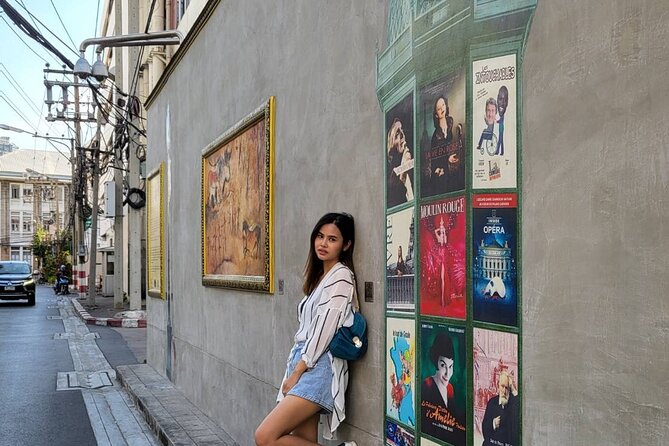
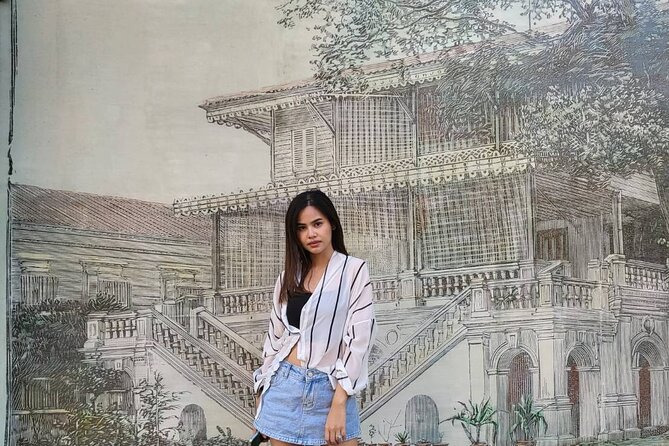
- Street art you find while walking, not just photos from a distance
- Roman Catholic churches side-by-side with Thai temples, showing Bangkok’s mix of faiths
- Talat Noi’s small-market lanes in Chinatown, where old community life still shows
- A Hakka-Chinese shrine moment at Rong Kuak Shrine, worth slowing down for
Where this walk fits in your Bangkok trip
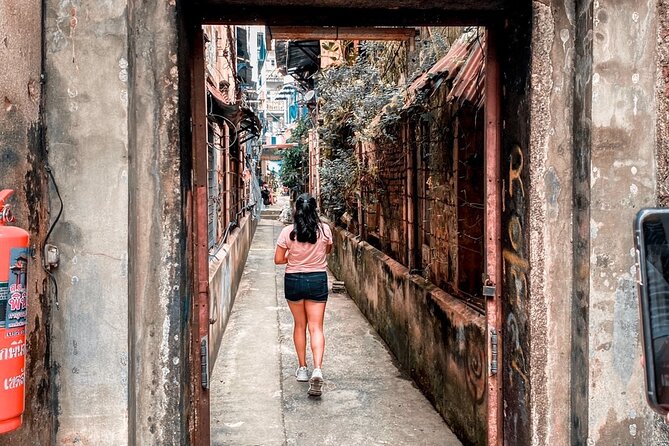
This is a half-day private walking tour built for people who want Bangkok to feel like more than temples on a map. You’ll focus on two neighborhoods that sit near major landmarks, but still have quiet corners and backstreets where you can actually look. The tour also mixes food, religion, architecture, and street art—so you’re never stuck in one mode for too long.
The “private” part matters more than you might think. With hotel pickup and an English-speaking guide, you’re not just following a route—you’re asking questions, pausing for photos, and getting context as you go. And because it’s scheduled for about 4 hours 20 minutes, you get real walking time without turning your day into a marathon.
You can also read our reviews of more walking tours in Bangkok

Stop 1: Prachak Roasted Duck for a local-food start
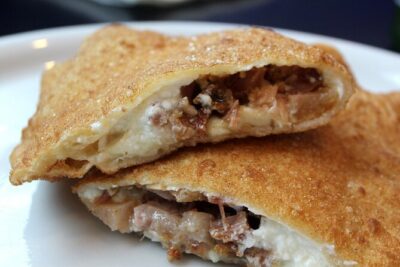
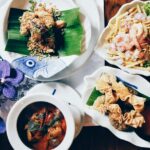
Your morning kicks off with a small meal at Prachak Roasted Duck, a simple, no-frills place that’s been feeding hungry locals since 1909. This is the kind of start that changes how you view the rest of the tour: you’re not just sightseeing—you’re eating like Bangkok does.
What makes this food stop practical is how it sets you up for the walk. After you’ve had something substantial, you’re better prepared to handle temple visits, church viewing, and the longer stretch through Talat Noi later on. Admission isn’t charged for this stop, so you’re not juggling extra costs before you even begin.
If you have diet needs, it’s a good idea to tell the operator ahead of time. In particular, guides such as Net are known for accommodating different dietary requirements, which can make a huge difference when you’re trying Thai food for the first time.
Charoen Krung’s backstreets: Wat Suan Phlu’s calm pocket
Next comes Wat Suan Phlu, tucked into a quieter alley off Charoen Krung Road. Unlike the temples that get photographed from one exact angle, this one gives you a more human-scale feel—space to look closely and notice how temple life sits inside a working city.
The tour’s angle here is the story behind the place. You’ll learn that the temple dates back to the late Ayutthaya era, on land that once was betel-nut gardens. That detail helps you understand Bangkok as layers: older eras leave traces, even when the city around them keeps changing.
This stop is short—about 10 minutes—so treat it like a breather, not a deep temple tour. If you like stepping into places respectfully, taking a moment for photos, and moving on without rushing, you’ll enjoy this pace.
Assumption Cathedral: French-era Catholic roots by the river
Then you shift to Assumption Cathedral, Bangkok’s principal Roman Catholic cathedral, located near Oriental Pier in the Bang Rak district. The time window is brief (around 10 minutes), but it’s enough to see the main structure and get the context that ties it to the early French mission period (built between 1809–1821).
This part of the tour is great if you’ve only ever seen Thai temples on prior trips. Bangkok doesn’t run on one cultural track. You’ll see how Catholic communities shaped parts of the city near major movement routes like the river and trade corridors.
Practical note: churches can be strict about dress and behavior. Wear clothing that covers shoulders and knees where you can, and keep your phone use low while you’re walking through.
East Asiatic Building: an architectural landmark with trading-era style
After the cathedral, you visit the East Asiatique Building, an iconic riverfront landmark on Charoen Krung Road. It was built in 1901 in an Italian Renaissance style, which is a fun contrast to the Thai religious sites you’ve already seen.
This stop matters because it shows how foreign influence and local commerce intersected on the riverfront. It’s not just a pretty building; it’s a reminder that Bangkok’s growth depended on people and goods moving in and out.
Again, this is a short stop (about 10 minutes), so you’ll want to keep your camera ready but don’t treat it like a drive-by. Look at the details on the façade, and you’ll get more out of it than a quick exterior photo.
You can also read our reviews of more private tours in Bangkok

Bang Rak’s shifting identity on Charoen Krung
You also spend time in Bang Rak, with a focus on how Charoen Krung Road changed over time. The tour frames it as a once-strong area for diplomats and traders in the 19th century, later becoming less visited, and then re-emerging in more recent years.
I like this stop because it helps you read the city. When you walk streets like this with an explanation, you start seeing why some buildings feel grand and others feel forgotten. You’re also reminded that neighborhoods aren’t fixed—they evolve based on trade, politics, and where people find value.
Expect about 15 minutes here, which works well between the bigger landmark stops. It’s enough time for a feel of the area, not enough to get bored.
Holy Rosary Church (Kalawar Church): Gothic Revival along the river
The tour then takes you to Holy Rosary Church, also called Kalawar Church. This one’s known for its Gothic Revival architecture and its long-standing Catholic presence near the Chao Phraya River.
Like Assumption Cathedral, this stop is brief at about 10 minutes, but it gives you a quick “compare and contrast” moment. Two Catholic landmarks in one tour route, with different architectural styles and different eras of influence. If you enjoy noticing how design communicates identity, this is an easy win.
Tip: if you’re visiting during a hot part of the day, you’ll be glad the tour keeps many stops short and moves you along. Just keep water handy—drinking water is included.
Talat Noi: the slow, local feel of Chinatown’s small market
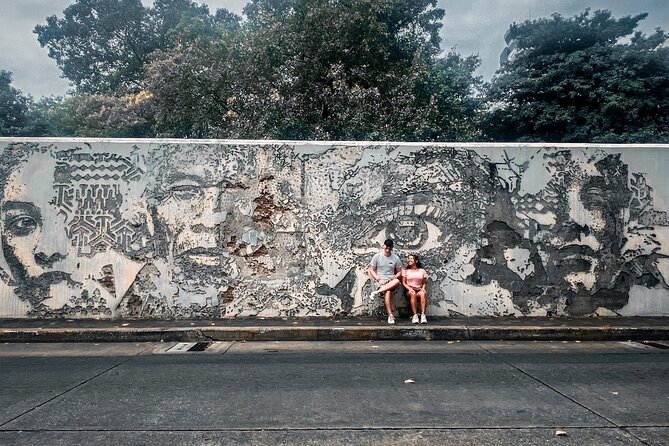
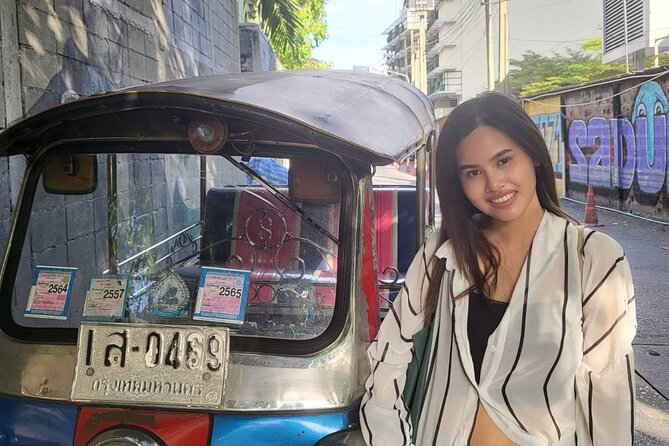
Now the tour pivots into Talat Noi, often described as a timeworn neighborhood within Chinatown. The meaning of Talad Noi—small market—sets the tone. This isn’t about big-ticket sights. It’s about side streets, everyday businesses, and community history that still feels present.
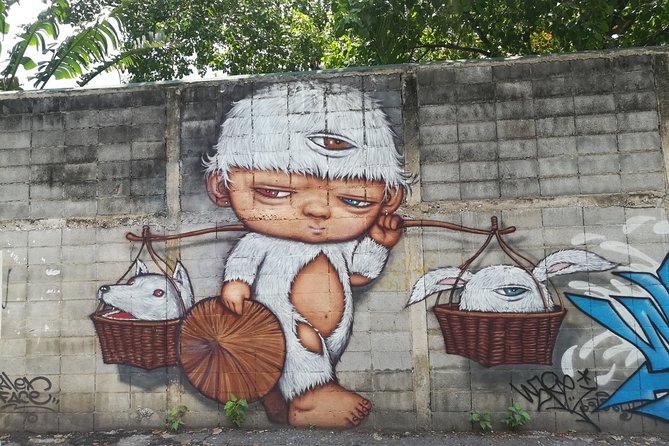
You’ll spend about 1 hour 30 minutes here, and that longer block is what makes the day work. It gives time to slow down, ask questions, and actually look around. It’s also where the street-art portion starts to feel real, because you see art on walls you’d otherwise ignore while chasing temple landmarks.
The tour also includes room for cultural stops beyond street art—like small galleries and coffee spots along the way. From what I’ve seen, this is the part where many people end up spending extra seconds snapping photos or rereading the guide’s explanations.
Rong Kuak Shrine: Hakka-Chinese heritage in a quiet corner
In Talat Noi, you get one more meaningful religious stop: Rong Kuak Shrine (also referred to as the Chao Hon Wong Kung Shrine). This is one of those places that rewards attention, even if you’re only there for 10 minutes.
The tour frames it around Hakka-Chinese heritage from the early Rattanakosin era. You’ll learn that it enshrines Hon Wong Kung, a deity venerated within the local tradition. It’s a good reminder that Bangkok’s multicultural identity isn’t only about Western architecture—it’s also about Chinese-Thailand communities and their belief systems.
If you like the small details—names on plaques, symbolic colors, the way worship spaces are maintained—you’ll probably enjoy this stop more than you expected.
How the guide shapes the experience (Net and Nikki are both a good sign)
This is the type of walking tour where your guide can make or break the day. The tour uses an English-speaking guide, and the overall vibe depends on their pacing and storytelling style.
Guides such as Net are described as energetic and fun, which helps when you’re doing a lot of short stops close together. Nikki is also known for taking people off the beaten track, with a strong focus on heritage buildings and art galleries. If you care about street art, architecture, and food, a guide who can link them into one narrative is worth your attention.
Because the tour is private, you can ask more targeted questions. If you want more street art time, ask. If you prefer more architecture detail at one stop, tell your guide early.
Price and value: what $83.17 really covers
At $83.17 per person, this isn’t a budget “wander on your own” option. But it’s also not overpriced for what you get. You’re paying for a private experience with hotel pickup, an English-speaking guide, and a structured route that covers multiple neighborhoods instead of one tourist strip.
Included value you’ll feel:
- Hotel pick up (saving time and hassle)
- English guide (the real driver of value here)
- Small meal plus snacks and drinking water
- Mobile ticket
- Street-art and heritage context stitched into the walk
What’s not included:
- Gratuities for the guide (optional)
- Transfer back to your hotel, since the tour ends in Talat Noi
For value-minded travelers, the key is how efficiently you spend your morning. A route like Charoen Krung + Talat Noi is tough to recreate well on your own without missing the meaning behind what you’re seeing. This tour helps you get the “why” along with the “what.”
Practical tips for walking, weather, and photos
This tour runs rain or shine. Tropical downpours often pass quickly, and the plan is to seek shelter if rain gets heavy and then continue when it improves. Still, you’ll be happier with a raincoat or poncho.
Walking footwear is your friend. You’re in older neighborhoods with uneven sidewalks and short alley crossings. The tour also isn’t recommended for travelers with walking disabilities, so bring that into your planning if you need a step-free route.
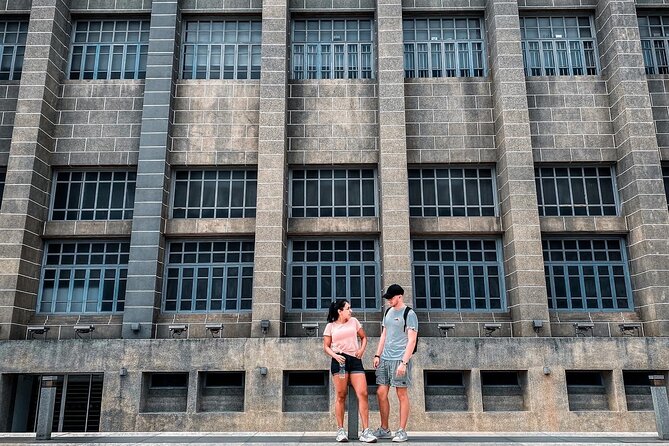
For photos, you’ll get plenty of opportunities: church façades, old shophouses, street art, and the architecture of the East Asiatic Building. Just remember that religious sites have etiquette rules—keep voices down and avoid blocking walkways.
Who should book this tour
I think this tour is a great fit if you want:
- Street art mixed with real heritage context, not just Instagram stops
- A route through Charoen Krung and Talat Noi that you might skip if you only chase the big-name sights
- A food start that feels local and practical
- An English-speaking guide to help you read what you’re seeing
It’s also ideal for couples, small friend groups, or solo travelers who don’t want to piece together multiple neighborhoods and meals themselves. And if you’re traveling in a small group, look into group discounts.
This might be less ideal if you hate walking, need step-free access, or really want a tour that ends back at your hotel (since this one finishes in Talat Noi).
Should you book Bangkok Heritage & Street Art Private Walking Tour?
If your ideal Bangkok day includes food, architecture, religion, and street art in one connected route, I’d book it. The price makes sense when you factor in pickup, a guided route across two neighborhoods, and included snacks and a meal. The best part is the mix: you see how Thai life, Catholic heritage, and Chinese community culture show up in real places, then you spot street creativity on the same streets.
Book it if you’re curious and flexible with your afternoon plans, since you’ll end in Talat Noi instead of back at your hotel. Don’t book it if you need a less walk-heavy day or step-free access.
FAQ
FAQ
How long is the Bangkok Heritage & Street Art tour?
It’s about 4 hours 20 minutes.
What time does the tour start?
The start time is 9:00 am.
Is hotel pickup included?
Yes, hotel pickup is included.
Is this a private tour?
Yes. Only your group participates.
What food is included?
A small meal is included, along with snacks and drinking water.
Are any admission tickets required for stops?
The tour information lists free admission tickets for the listed stops.
Do I get a guide who speaks English?
Yes, the tour includes an English speaking guide.
Where does the tour end?
The tour ends in Talat Noi. A transfer back to your hotel is not included.
Does the tour run in bad weather?
It operates rain or shine. If it rains heavily, the operator tries to find shelter and continue when weather improves.
Is it suitable for people with walking disabilities?
It’s not recommended for travelers with walking disabilities.
Can I cancel for a full refund?
Yes—cancellations made at least 24 hours before the tour start time are eligible for a full refund.