REVIEW · ROME
Borghese Gallery Small Group Tour: Home to Bernini’s Masterpieces
Book on Viator →Operated by Rome Walkers · Bookable on Viator
Bernini’s world, minus the chaos. This small-group Galleria Borghese tour is interesting because it pairs reserved priority entrance with a licensed guide who helps you understand what you’re looking at. You’ll love the tighter experience and the focus on major works, but if you prefer a slow, independent museum wander with zero structure, the 2-hour format may feel a bit guided.
What makes it work for real-life visitors is the group size cap (up to 15) and the chance to set your pace with a guide in English. Still, keep one practical thing in mind: tour quality depends heavily on your guide and how well the explanation lands for your group, so it’s worth going in ready to ask questions.
In This Review
- Key things to know before you go
- How priority entrance changes your Borghese Gallery experience
- Your 2-hour museum plan: what you’re actually doing
- The villa backstory that explains the collection
- What you’ll see: sculptures, paintings, and major names
- How Bernini fits your viewing
- Listening to your guide: when audio and English matter
- Meeting point and getting inside without losing time
- Second-floor renovations: how to plan around closures
- Small-group size: why max 15 feels better than big tours
- Practical tips for enjoying the masterpieces (not just rushing past them)
- Who this tour is best for
- Should you book this Borghese Gallery small-group tour?
- FAQ
- How long is the Borghese Gallery small-group tour?
- Is the tour in English?
- How big is the group?
- What’s included with the tour?
- Is the second floor always available?
- Can I cancel for a full refund?
Key things to know before you go
- Priority entrance means less time waiting at the door and more time inside.
- Licensed guide, in English helps you connect the dots across sculptures, paintings, and the villa’s story.
- 2 hours is real-time: you’ll move through highlights, not the whole collection at leisure.
- Small group (max 15) keeps the experience easier to manage than big buses.
- Second-floor access can be closed from March 19, 2024 until June due to renovations.
How priority entrance changes your Borghese Gallery experience
If you only do one “ticket plus brains” museum tour in Rome, this is a strong contender. The Borghese Gallery runs on timed admission, and the biggest pain point is always the same: crowds and lines eat up the minutes you actually want to spend staring at marble and paint.
This tour improves that equation with reserved admission for priority entrance. In plain terms, it helps you get inside faster and start your viewing while you still have energy and attention. And because your guide is there from the beginning, you don’t waste the first stretch of time figuring out what’s worth seeing.
I also like how the tour doesn’t pretend you can learn everything in 2 hours. Instead, it gives you a guided path through the museum’s most famous moments, then helps you understand why those works matter. That’s the difference between seeing objects and actually appreciating art.
Possible drawback: if your guide isn’t a great match for your group, you can feel like you’re rushing through a museum you’d rather enjoy at your own speed. For that reason, show up on time and be ready to ask questions early.
You can also read our reviews of more museum experiences in Rome


Your 2-hour museum plan: what you’re actually doing
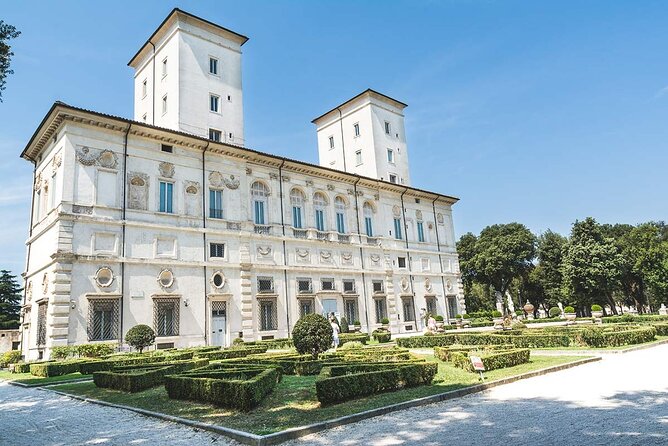
This is a 2-hour experience centered on one main stop: the Galleria Borghese inside the Villa Borghese grounds. So you’re not hopping across multiple sites. You’re putting your time into one place, with a guide steering you toward the collection’s biggest “stop and stare” works.
Here’s how that usually plays in your head once you’re inside:
- You’ll start in the core museum rooms where the collection’s main focus is displayed.
- Your guide will point out standout works and explain the story behind them.
- You’ll keep moving at a pace that aims to cover the most memorable pieces without turning the tour into a sprint.
In the best-case scenario, the tour doesn’t just name artists; it gives you a mental lens. You’ll start noticing details you might miss when you’re reading placards by yourself.
Also, note the practical reality: the Borghese is famous, and timed access means you’ll feel the pull of the clock. You’re getting priority access, but you still have a 2-hour window. Go in with the mindset that this is a highlights-and-context tour.
The villa backstory that explains the collection
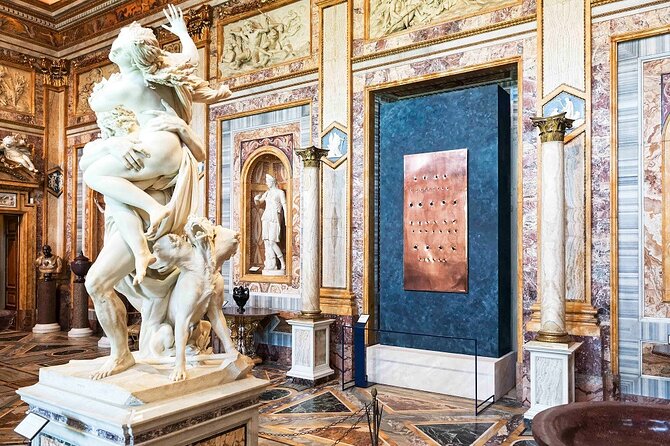
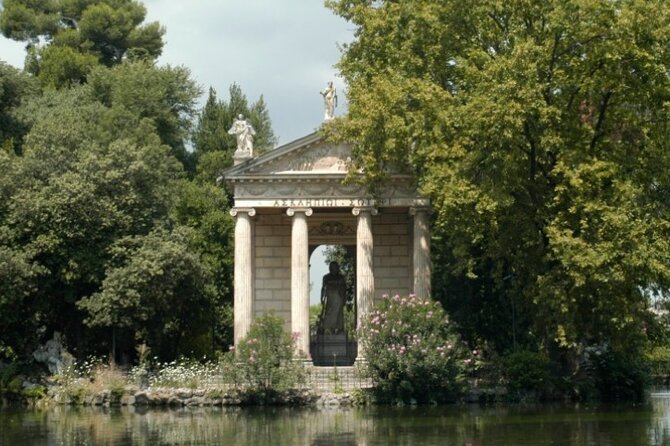
You can’t really understand the Galleria Borghese without knowing the player who built the collection’s center of gravity. The museum exists because Cardinal Scipione Borghese was deeply involved in the cultural power structure of the early 1600s. He was the favorite nephew of Pope Paul V Borghese, and that family connection mattered. It helped Scipione protect his wealth and status while he shaped a major private art program.
So when you look at the museum, you’re not just looking at artworks. You’re looking at a carefully planned trophy room for prestige and taste.
Your guide’s job here is to translate that into what you see in front of you. If you walk in cold, it’s easy to treat the gallery like a checklist. With context, you start to recognize the logic: why these artists, why these genres (sculpture, painting, bas-reliefs, even ancient mosaics), and why certain names keep showing up.
That’s one of the big wins of a guided visit: it makes the museum feel like a coherent world, not a random series of rooms.
What you’ll see: sculptures, paintings, and major names
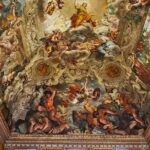
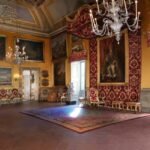
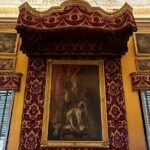
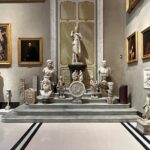
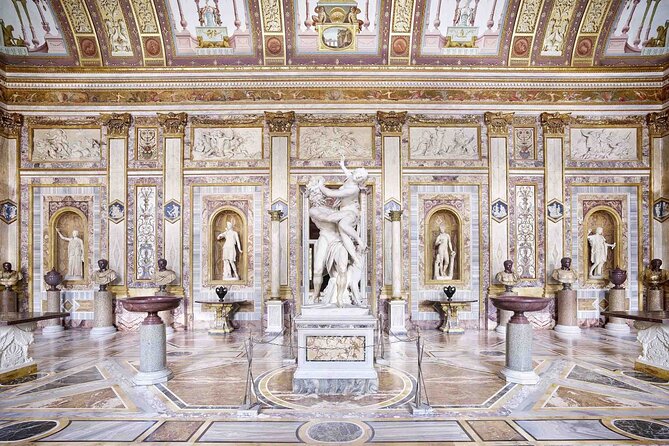
The Galleria Borghese holds a mix of media: sculptures, bas-reliefs, ancient mosaics, plus paintings and sculptures from the 15th to the 19th century. That range is part of what makes the museum feel alive. It’s not only marble saints or only dramatic canvases.
In terms of famous artists, this is where your attention is likely to land:
- Caravaggio
- Raphael
- Titian
- Correggio
- Antonello da Messina
- Giovanni Bellini
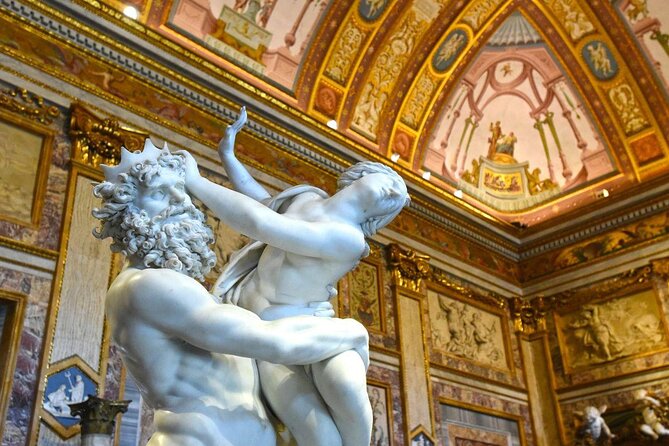
- Gian Lorenzo Bernini (the star of the show for many visitors)
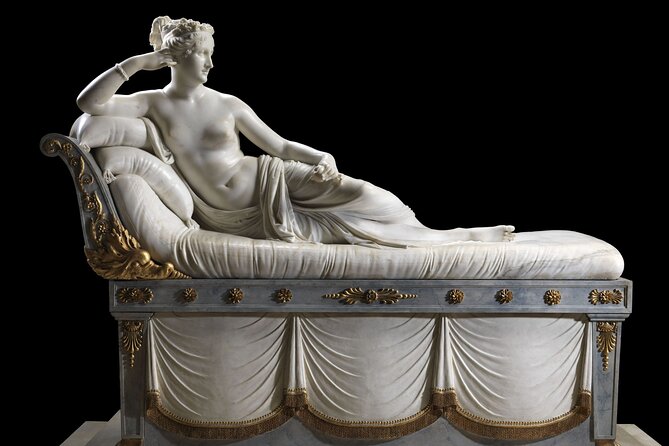
- Canova
Even if you’re not an art expert, your guide can help you notice what sets each artist apart. The goal isn’t to turn you into a scholar in 2 hours. It’s to help you recognize the “why should I care” behind the famous pieces.
How Bernini fits your viewing
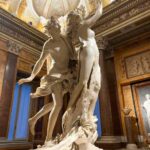
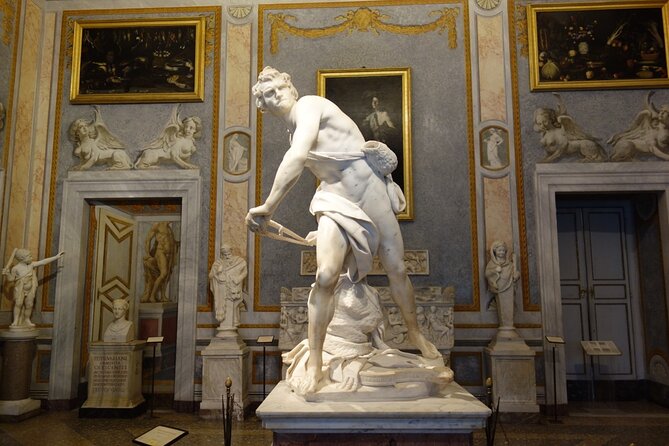
Bernini isn’t just another name on a wall in this museum. He’s the main reason many people build a Rome trip around the Borghese. A good guide helps you see the difference between sculpture that looks impressive at a glance and sculpture that rewards closer looking.
That’s also where time management matters. If you stop too long at one piece without context, you can spend 25 minutes stuck at the beginning and feel like the rest of the tour is rushed. If you pace it right, the guide’s explanations can make each stop feel less like a time sink and more like a payoff.

Listening to your guide: when audio and English matter
This tour includes a licensed tour guide and is offered in English. In practice, that means you’re relying on the guide to connect the dots for you fast enough to keep the momentum.
I’ve seen both ends of that spectrum from other visitors’ experiences: some people found the explanations super engaging and patient with questions, while others felt the English level wasn’t strong enough to fully understand what was being said.
So here’s your practical play:
- Arrive early enough that you can settle before starting.
- If you’re given an audio device, check it right away. If it doesn’t sound clear, say something early rather than waiting.
- Bring at least one question. Even a simple one, like what to look for in a particular artwork, can unlock the whole room.
If you’re visiting with kids or you just want a more interactive experience, this kind of guide-led art tour can work well. If you’re a pure self-guided type, you may find it harder to relax—especially if the guide’s pacing doesn’t match your style.
Meeting point and getting inside without losing time
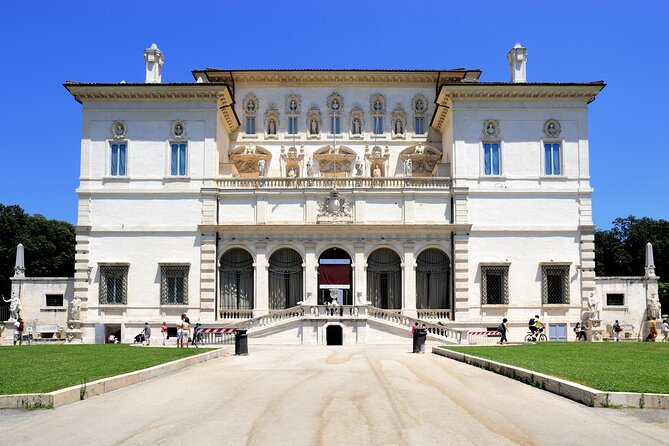
You’ll meet at Galleria Borghese, Piazzale Scipione Borghese 5, 00197 Roma RM, Italy, and the tour ends at the same place. It’s also near public transportation, which is a big plus in Rome when crowds and traffic can mess with your timing.
Priority entrance helps, but your arrival timing still matters. If your group is late or if the guide has to coordinate multiple parties, you can end up waiting outside before entry. The practical fix is simple: aim to be there early and stay calm. Sun and waiting do not improve anyone’s mood.
Also plan for museum rules on items. One common tip from visitors: bags and drinks often need to be handed in at the cloakroom, and the cloakroom use can be free. Bring a daypack you can manage easily, and keep any essentials accessible.
Second-floor renovations: how to plan around closures
There’s a specific accessibility note you should take seriously: from March 19, 2024 until June, access to the second floor of the museum will not be possible due to renovation works.
This affects what you can expect to see, depending on the exact dates of your visit. If you’re planning around a particular room or artwork that you’ve read about on the second floor, check your travel dates against that window and adjust your expectations.
If you’re unsure, use the guide time to ask what’s still available and what the top substitutes tend to be in the rooms you can access. A good guide can help you avoid disappointment by steering you toward the remaining highlights.
Small-group size: why max 15 feels better than big tours
A cap of 15 travelers is the sweet spot for a museum that’s cramped by design. With fewer people, it’s easier for the guide to:
- manage movement between rooms
- pause long enough for questions
- keep the group from turning into a conga line
In many art museums, the biggest frustration is not the art. It’s the logistics of watching your guide’s body language while trying to see around everyone else. Here, the smaller group size helps you keep your eyes on the art instead of on other tourists.
It also helps if you like dialogue. Some guides are praised for being animated, patient, and good at answering follow-up questions. Names that showed up in positive experiences include Faith and Eviss, both recognized for making the exhibits feel more alive through their explanations and engagement.
Just remember: even within the same tour format, guide style can vary. If you want a strong conversation, ask questions early and signal what kind of art you want to focus on.
Practical tips for enjoying the masterpieces (not just rushing past them)
Here’s how to get the most from your 2 hours.
1) Decide your personal top 5 before you arrive.
You don’t need to memorize artwork names, but pick the artists or themes you care about. That way, you can steer your guide toward what matters to you.
2) Pace your first room.
The Borghese can pull you in, especially if you land on a major work first. Set yourself a rough rule: don’t spend so long at stop one that you run out of time later. A guided path works best when you cooperate with the flow.
3) Be ready for a “high concentration” museum.
This gallery stacks big names and major works. You’ll see a lot of standout moments close together. That can be energizing, but it can also blur in memory if you don’t anchor each room with a quick takeaway.
4) Manage your belongings early.
Plan for cloakroom use for bags and drinks. Keep what you need for the next 2 hours in your hands or an easy-to-access pocket.
5) If audio equipment is provided, test it immediately.
If you can’t hear clearly, say something. Waiting until later turns a fixable issue into frustration for the whole tour.
Who this tour is best for
This experience fits best if you want:
- highlight-focused access to the Borghese Gallery with less time wasted waiting
- a guide to explain the meaning behind major works
- a small-group pace that’s easier than large bus groups
It’s also a good match if you’re someone who loves learning context but doesn’t want to get lost in a self-guided maze of rooms.
On the other hand, if you’re the type who likes quiet, slow looking with only brief placard reading, you might find a guided tour restrictive. In that case, you’d want to be extra sure the guide’s communication style works for you.
Should you book this Borghese Gallery small-group tour?
Book it if you want the Borghese experience to feel purposeful. The combination of priority entrance, a licensed English guide, and a 2-hour highlights route is exactly how you squeeze value out of a timed-entry museum.
I’d skip this style of tour only if you strongly prefer self-paced wandering and you’re comfortable planning your own route without help. In every other case, a guided visit here is one of the smartest ways to meet Rome’s art with your eyes open.
If your goal is Bernini and the big-name masterpieces, this tour is built for that moment.
FAQ
How long is the Borghese Gallery small-group tour?
The tour lasts about 2 hours.
Is the tour in English?
Yes, it is offered in English.
How big is the group?
The tour has a maximum of 15 travelers.
What’s included with the tour?
You get a licensed tour guide, plus Galleria Borghese tickets and fees.
Is the second floor always available?
No. From March 19, 2024 until June, access to the second floor is not possible due to renovation works.
Can I cancel for a full refund?
Yes. You can cancel up to 24 hours in advance for a full refund. If you cancel less than 24 hours before the start time, it isn’t refunded.