REVIEW · DRESDEN
Dresden: Semperoper and Old Masters Picture Gallery
Book on GetYourGuide →Operated by Semperoper Erleben - Avantgarde · Bookable on GetYourGuide
A spectacular opera house and great art in one tight plan. This Semperoper + Old Masters combo is built around what you’d actually care about on a first visit: the Semperoper’s famous interiors and acoustic story, then major works in the renovated museum spaces at the Zwinger. I especially like how the timing is efficient for a 2-hour outing, and how the second stop combines paintings with sculptures up to 1800. One thing to weigh: it’s a German-language guide, so if you don’t feel comfortable in German, you may want to look for an alternative language tour.
If you’re sensitive to schedule friction, there’s a small catch: this is a combined-ticket experience, but the Old Masters Picture Gallery redemption has a Monday window where it’s not valid between 10:00 and 17:00. That’s manageable, just plan your day around it.
In This Review
- Key highlights to look for
- Why this 2-hour combo works so well in Dresden
- Semperoper: the interiors and the sound story you’ll actually remember
- After the walls: why the Zwinger’s renewed Semper Building matters
- Inside the Old Masters Picture Gallery: paintings and sculpture with a clearer path
- The works that anchor the experience (and how to choose your favorites)
- Timing, entry points, and how to not lose time
- Practical rules you should know before you go
- Who should book this tour, and who should think twice
- Should you book the Semperoper and Old Masters Picture Gallery tour?
- FAQ
- How long is the Semperoper and Old Masters Picture Gallery tour?
- What’s included in the price?
- Where do I meet the guide?
- Is there a live tour guide, and what language is it in?
- Can I use the combined tickets on different days?
- Are the Old Masters Picture Gallery tickets valid on Mondays?
- Do I need to exchange a voucher for a ticket?
- Is the tour wheelchair accessible?
- Are pets, smoking, or food allowed?
- FAQ (continued)
- Is there a photo license included?
Key highlights to look for
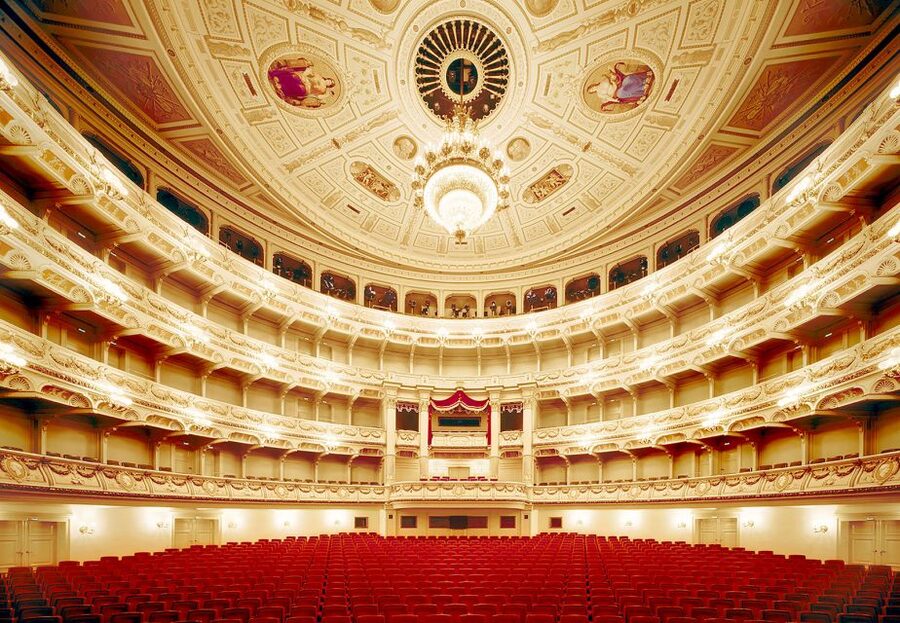
- Semperoper architecture in Italian High Renaissance style: richly decorated interiors you can actually take in, not just quick glances.
- The acoustic backstory: you get guided explanations tied to the design of the auditorium and how sound behaves there.
- Post-closure Zwinger “Semper Building” glow: the 19th-century Semper Building at the Zwinger is presented in its renewed state.
- Old Masters + Sculpture Collection up to 1800 together: for the first time, paintings and sculptures share the same renovated museum setting.
- Big-name works as fixed points: you’ll see anchors like Raphael’s Sistine Madonna, Rembrandt’s Ganymede, and Bernardo Bellotto’s Dresden Vedute.
Why this 2-hour combo works so well in Dresden

Dresden can feel big and spread out fast, especially if you’re trying to cover the Saxon highlights in a short window. This tour is smart because it doesn’t try to “do everything.” It focuses on two places that complement each other: the Semperoper (performance space, design, sound) and the Old Masters Picture Gallery (masterpieces and sculpture in the same broader museum story).
The other reason I like this format: it gives you a guided experience where the details matter, then leaves you time to take your own time with the art. You’re not just walking into a museum and hoping you know what to look for.
Price-wise, it’s listed at $35 per person for a combo that includes the Semperoper guided tour plus entry to the Old Masters Picture Gallery. For Dresden, that’s a reasonable value when you consider you’re paying for both a guided component and museum access, all bundled into one ticket package.
And yes, there’s a performance reality check. The Semperoper is an opera house, so what you experience depends on whether events are happening. Still, when performances aren’t taking place, visits are possible nearly every day, which keeps your flexibility decent.
You can also read our reviews of more museum experiences in Dresden
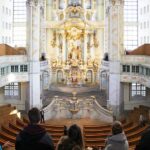
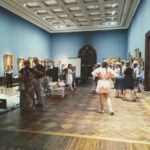
Semperoper: the interiors and the sound story you’ll actually remember
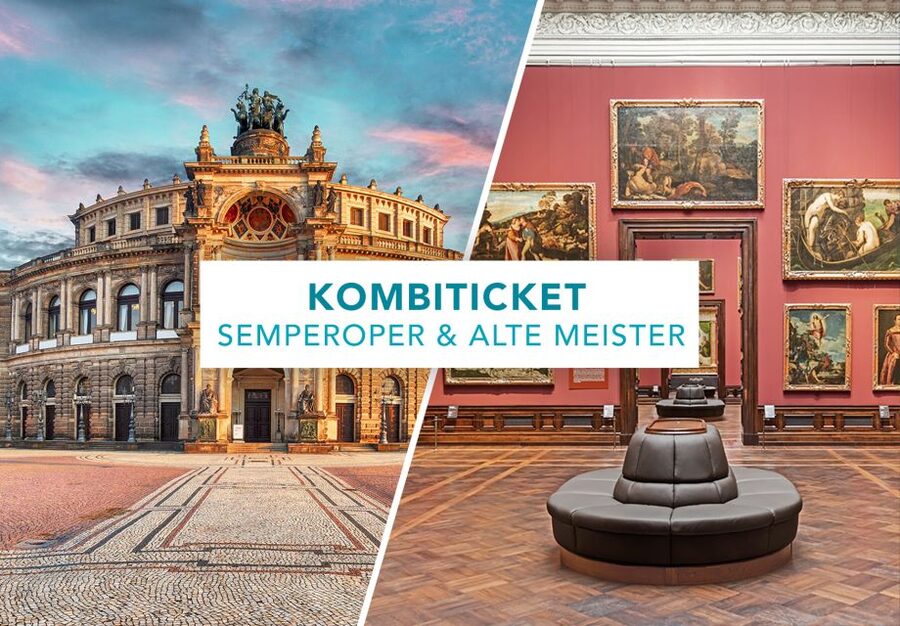
The Semperoper is the star here, and the tour is structured to help you see past the “pretty building” label. You start at the ticket office area at Schinkelwache, Theaterplatz 2 (stop: Theaterplatz), then your guide leads you into the building to explain its story and what makes it special.
Two things I’d call out right away:
- Architecture you can read
The Semperoper is described as being in Italian High Renaissance style. That matters because guides can point out design choices that feel like “art direction,” not random decoration. You’re guided to notice how the interiors create a sense of grandeur and rhythm as you move through spaces.
- Acoustics with meaning, not magic
The tour doesn’t treat sound as a mystery. It gives you a look at the auditorium design and a background on why the acoustics are so famous. Even without getting technical, you come away with a better mental map of how the room is designed to handle voices and music.
Now for the one possible drawback to keep in mind: this is a German-led tour. If German is tough for you, you’ll still see everything, but you might miss some of the explanation that makes the experience connect.
After the walls: why the Zwinger’s renewed Semper Building matters

The tour’s second big theme is the Zwinger. After seven years of partial closure, the famous 19th-century Semper Building at the Zwinger is back in full shine. That’s not just cosmetic. For museums, renovations change how you experience flow, lighting, and the way collections are arranged.
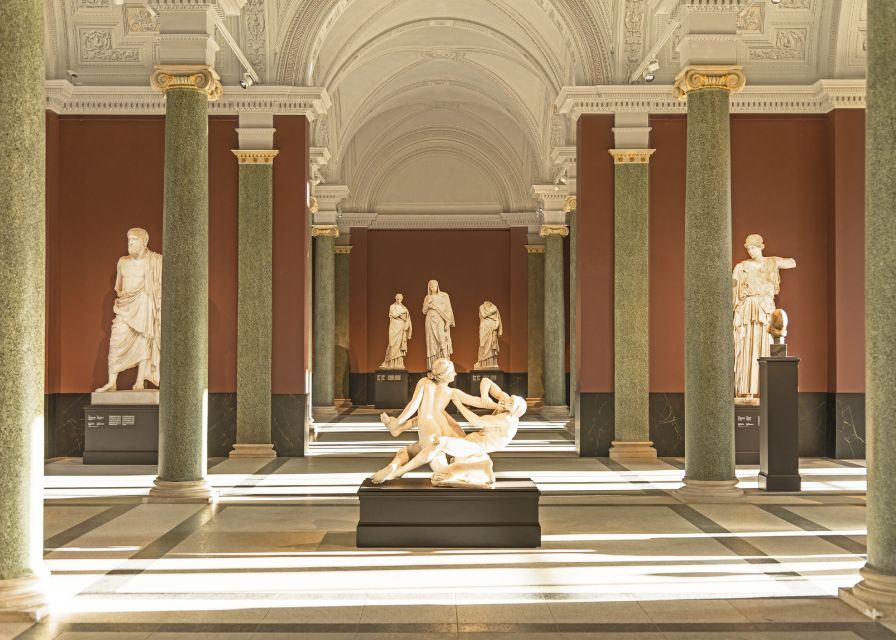
In this case, the big improvement is how the museum presents the collections together. The Old Masters Picture Gallery and the Sculpture Collection up to 1800 are shown in the same renewed museum setting, and it’s described as the first time they’re presented together there.
Why you should care as a visitor: when paintings and sculptures share a building and a display concept, your brain starts building comparisons. You can shift from a painting’s composition and mood to sculpture’s form and physical presence without constantly reorienting yourself to a completely different museum “language.”
So even if you’re not a hardcore art historian, the renovation gives you an easier way to connect the dots across centuries and media.
Inside the Old Masters Picture Gallery: paintings and sculpture with a clearer path
Once you’re into the Old Masters Picture Gallery portion, the tour becomes your guide for what to prioritize and how to interpret what you see.
The display concept is described as following a geographical division by schools, and it focuses on main themes of each period. That matters because it changes how you should move through the space. Instead of scanning randomly, you’re essentially encouraged to think in “eras and regions,” which makes the collection feel more organized and easier to enjoy.
The visit is also paired with the sculpture hall for works up to 1800. If you tend to focus only on paintings, this is a helpful nudge. Sculpture forces you to notice details in a different way—pose, weight, surface, and how form carries emotion—so your experience of the paintings doesn’t happen in a vacuum.
Also, the tour is guided, then you’re free to keep looking. The best way to get value out of this stop is to let the guide show you a few key “fixed points,” then spend your own time with the works that genuinely grab you.
The works that anchor the experience (and how to choose your favorites)
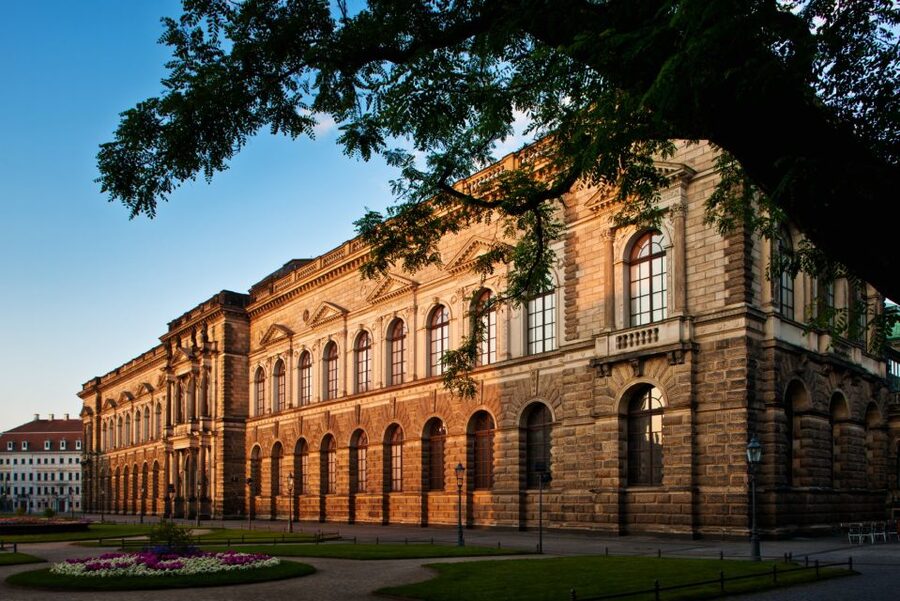
This part of the museum is built around recognizable masterpieces. The info highlights several fixed points you can expect to see:
- Raphael’s Sistine Madonna
This is the kind of painting that makes you pause because it’s so visually confident. The easiest way to enjoy it is to give it a minute, then come back and look again. The longer you stare, the more the details start to organize themselves in your mind.
- Rembrandt’s Ganymede
Rembrandt tends to reward close looking. If your eyes get tired, use the guide’s cues for what to notice first—then keep it simple and let light, posture, and expression do the work.
- Bernardo Bellotto’s Dresden Vedute
This one is special because it’s tied to Dresden itself. It’s art as local memory, which makes it more than a “great work” label. If you want to understand the city through someone else’s eyes, this is one of the best ways.
There’s also an important sculpture component in the sculpture hall. The tour points you toward this collection, so you’re not stuck choosing between paintings and sculptures. If you’re short on time in Dresden, that choice is the kind of tradeoff you don’t want to make, and this visit avoids it by design.
One practical note: no photo-license is included. That doesn’t mean all photography is forbidden everywhere, but it does mean you should assume there are rules for taking pictures and that any additional permissions aren’t included in your ticket price.
Timing, entry points, and how to not lose time
This is a 2-hour activity, so pacing is key. You’ll have a guided Semperoper segment and then the museum portion tied to the Old Masters Picture Gallery. The description also notes that you can visit nearly every day when performances or other events aren’t happening, which helps explain why this experience can work for lots of travel schedules.
Meeting point: ticket office at Schinkelwache, Theaterplatz 2, 01067 Dresden, at the stop Theaterplatz.
You’ll also need to exchange your voucher for a valid ticket at the regular ticket office at Schinkelwache. The instructions add an important detail: during ticket office closing times, you should use the cash desk at the main entrance of the Semperoper to exchange your voucher.
This is the kind of logistics that can quietly ruin a morning if you ignore it. So arrive a little early, even if your brain insists you’re on time.
A heads-up on Monday timing for the museum: Old Masters Picture Gallery tickets can be redeemed on all days except Mondays between 10:00 and 17:00. If your trip includes a Monday, plan your museum time around that window.
On timing and value, I like that the combined tickets can be used on different days. That turns a strict tour day into a flexible art plan: you can do the Semperoper segment one day and catch the museum portion another day if you want.
Practical rules you should know before you go
A few restrictions apply, and it’s good to know them up front so you don’t get stopped at the door:
- No pets
- No smoking
- No food and drinks
Also, the tour includes a guided tour of the Semperoper and entry to the Old Masters Picture Gallery. Transfers aren’t included, so you’ll be on your own for getting there and back.
If you care about photos, remember: the ticket includes admission, but a license for taking photos isn’t included.
Who should book this tour, and who should think twice
I think this experience is a strong fit if:
- you want one easy plan that combines a world-class performance building with major art
- you like architecture and design explanations, not just “look at the pretty room”
- you want to see paintings plus sculpture up to 1800 without guessing where to spend your time
It’s also a good option if you’re the type who enjoys getting your bearings from a guide first, then finishing the visit independently.
I’d think twice if:
- you don’t feel comfortable in German, since the live guide is German
- your schedule is tight around Mondays due to the Old Masters Picture Gallery redemption restriction
- you strongly depend on taking photos and want a ticket that includes a photo license (it doesn’t)
One more small realism check: there’s been a complaint about a double booking. That’s not something you can control, but you can reduce the risk by double-checking your confirmation details and dates before you go.
Should you book the Semperoper and Old Masters Picture Gallery tour?
If you’re visiting Dresden and want a high-return use of your time, I’d book it. You’re paying for two meaningful stops: guided Semperoper access plus entry to a museum that’s been newly renovated and newly arranged for how collections are presented. The tour length works well if you don’t want your day swallowed by museums.
I’d especially recommend it if you care about why a building is famous, not just that it’s famous. The acoustic explanation and auditorium focus are the kind of details that make the Semperoper feel like more than a postcard.
If German isn’t your thing, you can still enjoy the Semperoper and museum visually—but you may feel the value dropping without the spoken context. If that’s you, consider whether you’ll be able to follow enough of the guide’s explanation to get that “this makes sense” feeling.
Bottom line: for most visitors, this is a practical, well-shaped combo that helps you experience Dresden’s art and design in just a couple hours.
FAQ
How long is the Semperoper and Old Masters Picture Gallery tour?
The duration is listed as 2 hours.
What’s included in the price?
It includes a guided tour of the Semperoper and entry to the Old Masters Picture Gallery.
Where do I meet the guide?
Meet at the ticket office in the Schinkelwache at Theaterplatz 2, 01067 Dresden, at the stop Theaterplatz.
Is there a live tour guide, and what language is it in?
Yes, the tour has a live guide, and it’s German.
Can I use the combined tickets on different days?
Yes. The combined tickets can be used on different days.
Are the Old Masters Picture Gallery tickets valid on Mondays?
They can be redeemed on all days except Mondays between 10:00 and 17:00.
Do I need to exchange a voucher for a ticket?
Yes. You must exchange your voucher for a valid ticket at the regular ticket office in Schinkelwache, Theaterplatz 2, or at the entrance of the Semperoper.
Is the tour wheelchair accessible?
Yes, it’s listed as wheelchair accessible.
Are pets, smoking, or food allowed?
No. Pets, smoking, and food and drinks are not allowed.
FAQ (continued)
Is there a photo license included?
A license for taking photos is listed as not included.