REVIEW · DRESDEN
Dresden: Ticket + Tour Gallery Old Masters
Book on GetYourGuide →Operated by Showme Around Dresden · Bookable on GetYourGuide
X-rays change how you see old masters. I love the hands-on science of X-ray images and even touch samples of historic pigments. The main catch is the tour is German only, so non-German speakers may feel left out.
You start with a quick orientation in the gallery so you know the big idea—classic painting techniques and what they reveal. Then you move through a tight set of works, from early oil experiments to major Renaissance names like Raphael, Titian, and Botticelli.
A strong feature here is how the guide (including German guides like Thomas) connects artists and explains why certain details were built into the paintings. Even though the tour is only 2 hours, it’s designed to be entertaining without turning art history into homework.
In This Review
- Key things that make this tour worth your time
- Old Masters Picture Gallery: getting your bearings fast
- The first stops: five quick paintings that teach you what to see
- Raphael, Titian, and the Renaissance stars you’ll actually connect
- The science in the gallery: X-rays, pigments, and why paint layers matter
- Special focus: the Sleeping Venus of Dresden and seeing it from the inside
- Where the tour pacing helps (and where it won’t)
- Price and value in Dresden: what you’re really paying for
- Who this tour suits best (and who should consider alternatives)
- Should you book this Old Masters Picture Gallery tour?
- FAQ
- How long is the guided tour?
- What language is the tour in?
- Where do I meet the guide?
- What is included with my ticket?
- Can I bring luggage or large bags?
- Are the exact paintings guaranteed to be included?
- Is the tour wheelchair accessible?
Key things that make this tour worth your time
- X-rays and inside views: you don’t just look at paint, you see layers and changes.
- Pigment touch samples: a rare chance to feel old color materials rather than only read about them.
- Short, structured looking: quick stops train your eye before the deeper work.
- Major Old Masters names: you’ll encounter Raphael, Titian, Rembrandt, Vermeer, Rubens, and more.
- A guide who connects the dots: the explanations link techniques, subjects, and related painters.
Old Masters Picture Gallery: getting your bearings fast
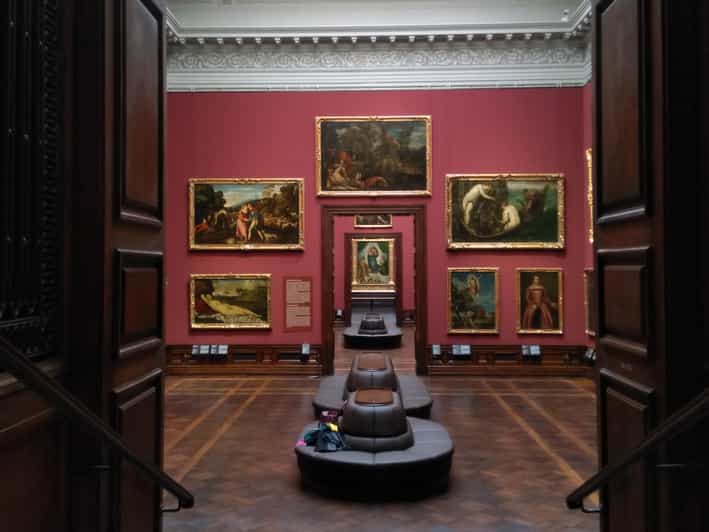
This tour begins inside Dresden’s Old Masters Picture Gallery, with an orientation so you understand the museum’s approach and what to watch for. You’ll get a sense of how the collection is organized and what makes this type of art tick—especially how pictures were engineered to communicate religion, power, and story.
One small practical thing that helps: you meet in the cloakroom. The instructions are clear—go downstairs from the ticket area, take a right through the door, and use the stairs on the right-hand side. Arriving about 10 minutes early helps you settle in before the guide starts setting up the theme for your visit.
You’re also told up front what will be emphasized: technical basics and the “mechanics” behind a painting. That matters because old master art can look mysterious if you only admire it like a poster. Here, the goal is to show you what’s actually happening inside the work—how images are constructed, not just what they depict.
You can also read our reviews of more tours and experiences in Dresden.
The first stops: five quick paintings that teach you what to see
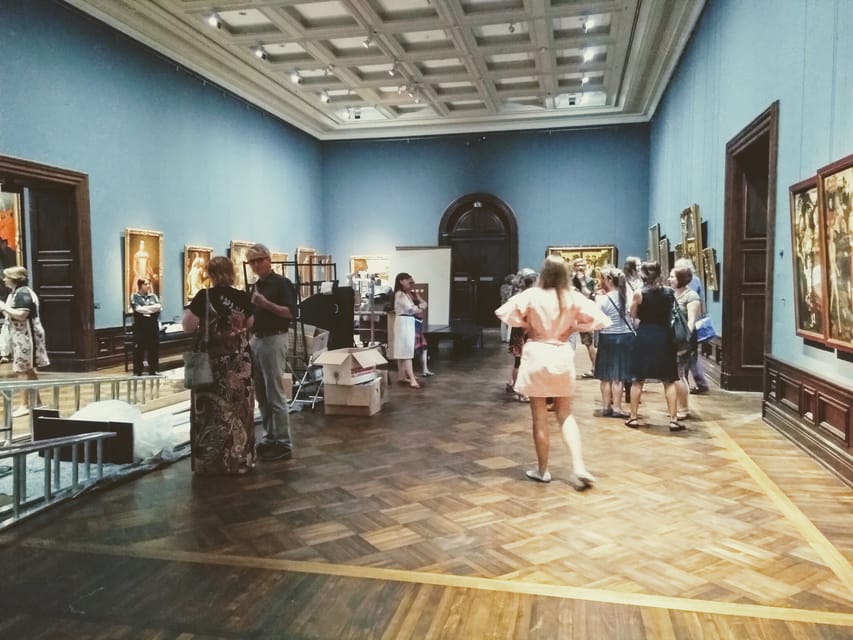
After the orientation, the tour takes you through a sequence of paintings where each one gets only a couple of minutes. The point isn’t to rush past masterpieces—it’s to show you how different works represent different categories or types of painting.
You’ll use this early section to learn a way of looking, not just collect facts. The guide sets you up with tools for spotting exciting elements in religious painting—things like how the subject is staged and how details support the message. You’ll also see early oil painting milestones, including some of the first paintings ever made in oil, plus works that use gold in ways you might not notice if you’re only staring at the figures.
Even if you’re not an art expert, this approach is surprisingly effective. When someone tells you what to look for—edges, surface effects, underlayers, color build—you suddenly stop seeing “a painting” and start seeing decisions. Those decisions explain why a face looks alive, why an event feels staged, or why symbolism lands so strongly.
Raphael, Titian, and the Renaissance stars you’ll actually connect
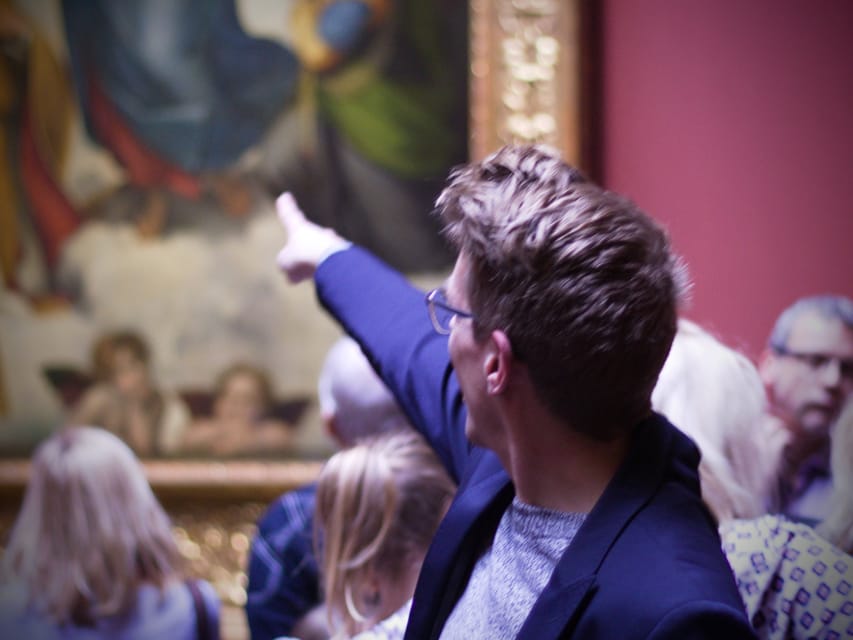
Once the tour trains your eye, it shifts into more detail. This is where the big-name works come in, and where you can begin to feel how Renaissance and Northern European painting share—and differ in—their visual language.
You’ll examine the Madonna by Raphael and then move into Renaissance megastars such as Titian and Giorgione. You’ll also encounter artists across regions and styles, including Botticelli, Jan van Eyck, and famous names from Northern Europe such as Rembrandt and Vermeer.
The tour’s best trick is how it helps you connect the dots instead of treating each painting like a separate island. The guide’s explanations can link subjects across painters so you understand why similar themes show up again and again. That means you don’t just leave with a list of artists—you leave with a sense of relationships: how techniques migrate, how religious and mythological subjects are staged, and how painters solve the same visual problems in different ways.
This kind of “connection-making” is also where humor tends to matter. Guides like Thomas are praised for presenting art history with energy, humor, and strong storytelling flow, so the technical parts don’t feel cold or academic.
The science in the gallery: X-rays, pigments, and why paint layers matter
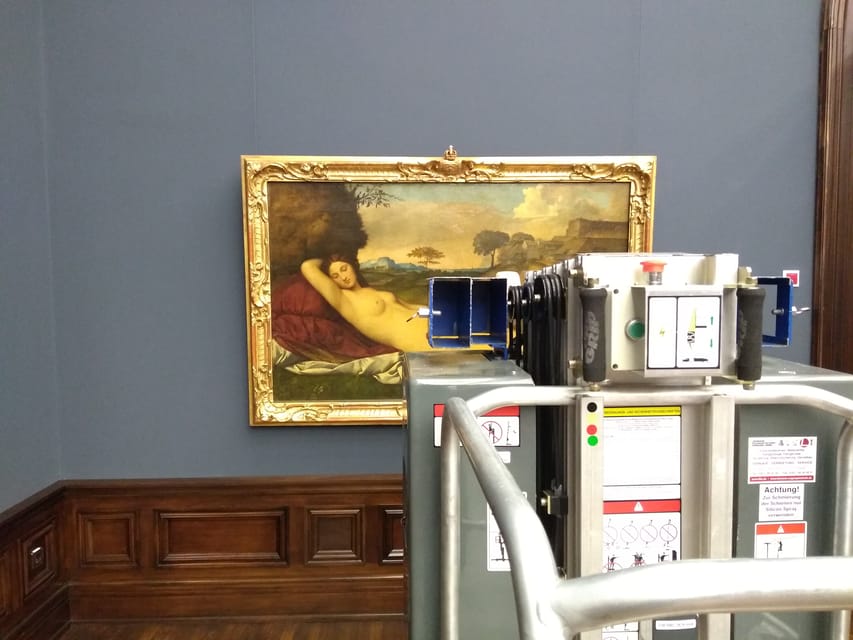
If you’ve ever wondered how a painting can look so finished while still feeling old and layered, this tour gives you the answer. A highlight is the combination of digital imagery and videos, plus direct scientific methods used to study artworks.
You’ll see X-ray images of paintings, which is a major shift from the normal museum experience. Instead of only seeing the surface image, you get a chance to understand that paintings often changed over time. Underpaint, revisions, and planning can all be visible, and that helps you appreciate the work as a process, not a magical single moment.
Even more unusual: you’ll also get touch samples of rare historic colour pigment. Feeling pigment is a different kind of “wow” than just looking at a photo. It turns color into something physical—something made from real materials, shaped into paint, and handled with intent. You learn that color isn’t just a visual effect; it’s tied to chemistry, craftsmanship, and the technology available at the time.
This is one of the reasons the tour works for a wide range of people. If you love art, the science adds depth. If you’re more curious than artistic, the technical angle gives you a clear path into the work. Either way, you stop thinking that art is only about taste and start thinking about technique.
Special focus: the Sleeping Venus of Dresden and seeing it from the inside
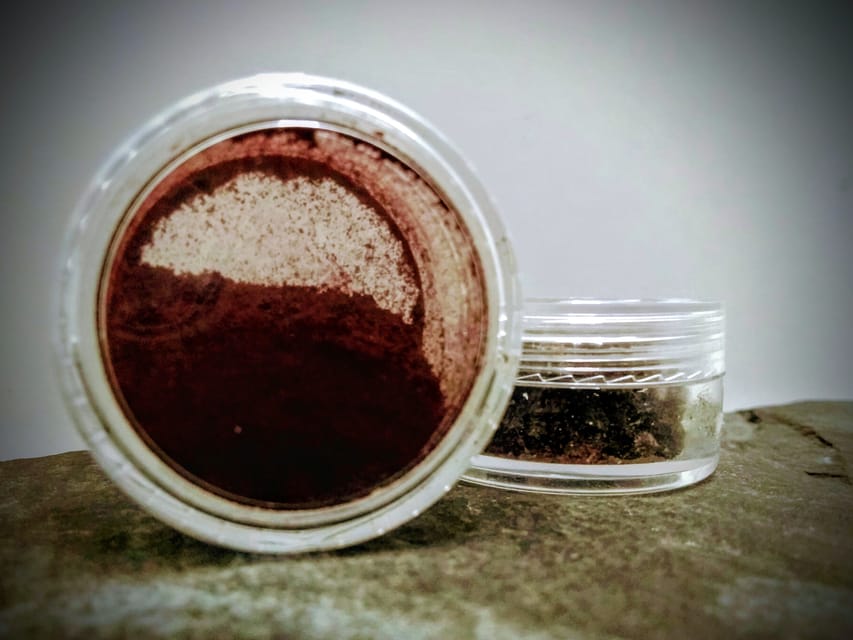
One work gets special attention: the Sleeping Venus of Dresden, often described as the first and finest nude painting of a woman in modern art. That claim can sound dramatic, but the tour explains why it’s surprising—not only in subject matter, but in how the painting’s design communicates tone, anatomy, and atmosphere.
The guide doesn’t keep it abstract. You’ll hear about the background of the work and then see how X-ray imagery changes what you think you’re looking at. The “inside” view is the point: you learn that the finished image sits on top of earlier choices and layers, and those layers can tell you how the painting developed.
This is also a great example of what this tour does well: it treats mythological and religious images as engineered stories. Even the nude becomes a study in composition, surface effects, and visual persuasion, rather than only a subject meant to shock or titillate.
If you like art that combines meaning with method, this section is the kind that can quietly change your whole museum habit. You start noticing how artists build forms and guide your eye—sometimes with subtle decisions that you’d never guess from a quick glance.

Where the tour pacing helps (and where it won’t)
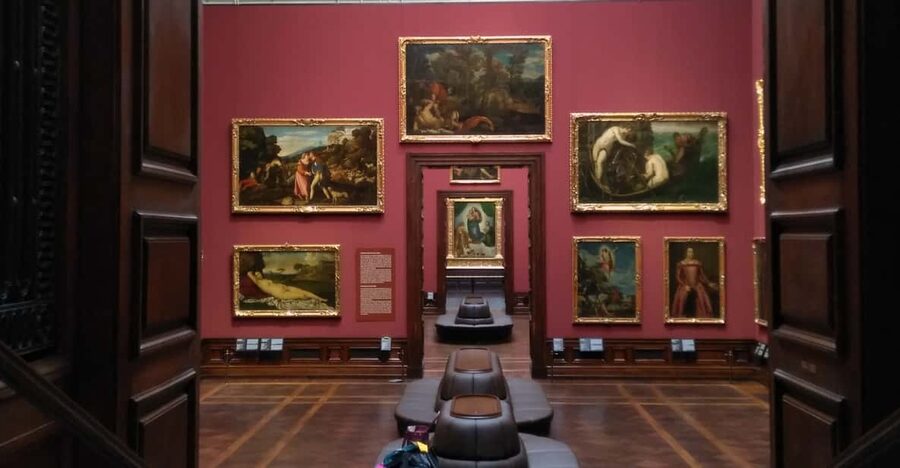
The format is structured. You get an overview, then quick passes—each painting for just a couple of minutes—then deeper examination of key works. That design is intentional for a 2-hour tour.
The upside is momentum. You see a spread of styles and techniques rather than getting stuck in one mood or one period. You also learn how to look in general, which pays off immediately during the rest of your museum visit.
The main consideration is the language. This tour runs in German only, so you’ll want to confirm your comfort level before booking. If you read some German and can follow short explanations, you might still enjoy it. If not, you’ll likely spend more energy translating in your head than enjoying the close-looking experience the tour is built to deliver.
Price and value in Dresden: what you’re really paying for
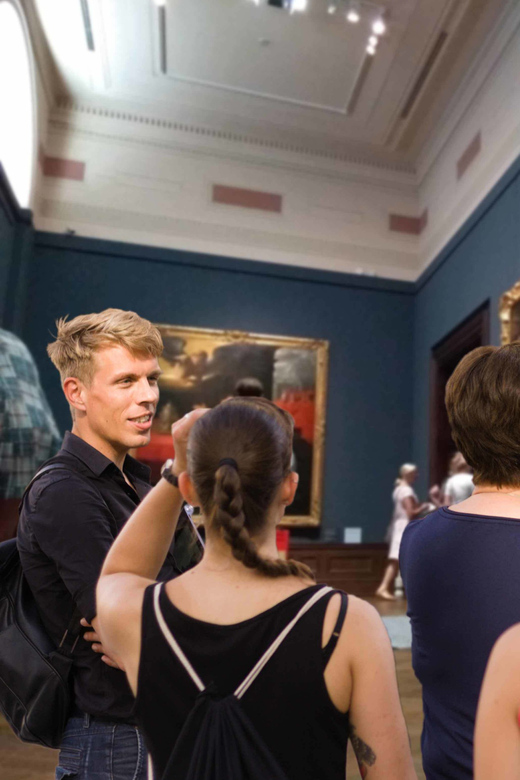
At about $44 per person for a roughly 2-hour guided visit, you’re paying for three things that don’t usually come together:
1) Admission included
You get gallery entry bundled into the experience, not something you have to plan separately.
2) A German-speaking guide with a technical teaching style
You’re not just watching art. You’re learning how to read it—especially via painting mechanics.
3) Extras that cost real time and expertise
The combination of X-ray views, digital imagery/videos, and touch samples of historic pigment makes the tour feel like a hands-on lesson, not just a slideshow with plaques.
For many people, that’s the best kind of value: you buy fewer hours, but those hours are dense with understanding. If you’re staying in Dresden only briefly, this format can help you leave with more insight per minute than a standard self-guided stroll.
One note that protects your expectations: the museum may swap works in and out. The course can be adjusted because paintings might be taken off display for restoration or loan commitments, and the guide may substitute equivalent items based on current conditions.
Who this tour suits best (and who should consider alternatives)
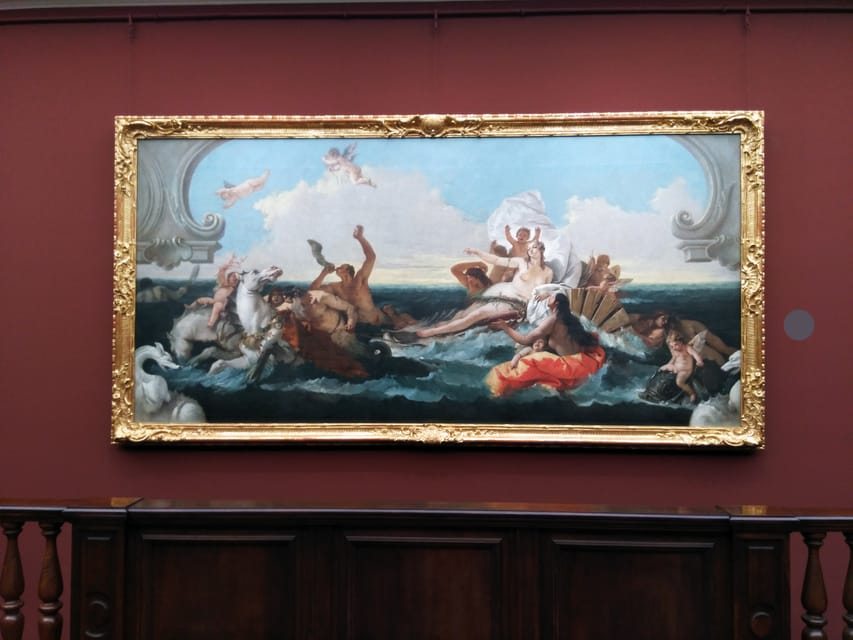
This is a great fit if you enjoy any of the following:
- Art you want to understand through technique, not just admiration
- People who like structured museum experiences with clear takeaways
- Anyone curious about how paintings are built—especially through X-rays and materials like pigments
- First-time Dresden art visitors who want to hit major names without guessing where to start
It’s less ideal if:
- You need an English tour to fully follow the explanations (the tour is German only)
- You want long, quiet time in front of each painting with no movement (this tour is built for multiple works in a short span)
Should you book this Old Masters Picture Gallery tour?
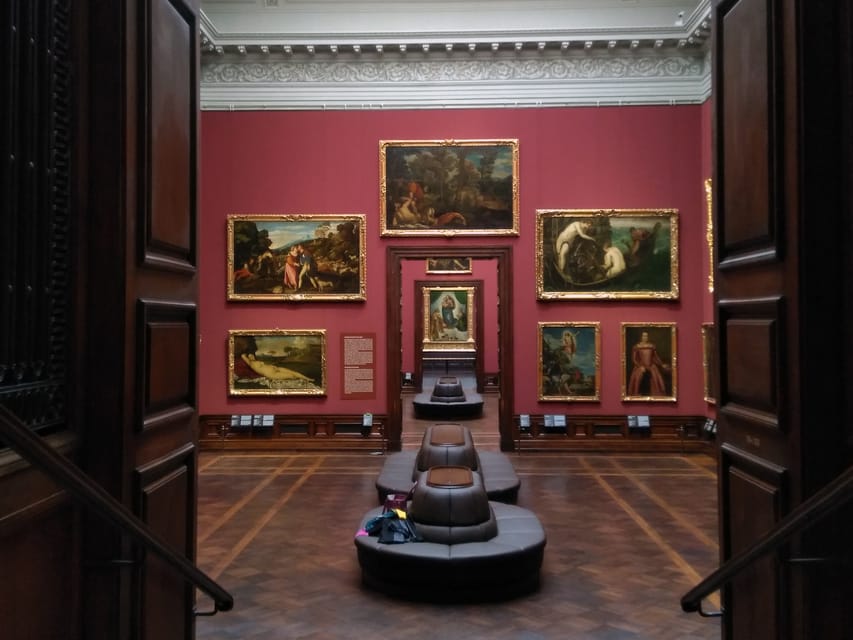
I think this tour is worth booking if you want more than a checklist of famous paintings. The science piece—X-ray images—plus the material side—pigment samples you can touch—is the kind of combo that turns a museum stop into a memorable learning experience.
If you read German well enough to follow the guide, or if you’re comfortable using context and visuals, you’ll likely get a lot out of the way the guide (including past guides like Thomas) explains connections across artists and teaches you how to spot meaningful details.
If German is a barrier, plan carefully. The tour doesn’t come with an English option in the details provided, and that will directly affect how much you take in.
FAQ
How long is the guided tour?
The guided tour lasts about 2 hours.
What language is the tour in?
The tour is in German only.
Where do I meet the guide?
You meet your guide in the cloakroom. Go downstairs from the ticket point, take a right through the door, then use the stairs on the right-hand side. Arrive about 10 minutes early.
What is included with my ticket?
Your ticket includes admission to the gallery, all license fees, and a German-speaking guide.
Can I bring luggage or large bags?
No. Luggage or large bags are not allowed.
Are the exact paintings guaranteed to be included?
Not necessarily. The museum may remove paintings from display for restoration or loans, and the guide will adjust the course by adding equivalent or additional items.
Is the tour wheelchair accessible?
Yes, the tour is wheelchair accessible.