REVIEW · JOHANNESBURG
Johannesburg: Street Art and Culture in Maboneng!
Book on GetYourGuide →Operated by City Skate Tours Pty Ltd · Bookable on GetYourGuide
Street art in Maboneng comes with a brain. You’ll walk past murals by ESPO Powers and learn the mural meanings in plain language, tied to Johannesburg’s bigger story.
I love the way the guide connects each piece to the people, the neighborhood, and the shifts the city has gone through. Names like Ayanda, Bonny, Kaiser, and Michael show up in prior groups, and you can see the benefit of having someone who knows the streets.
I also like that this tour is built around real stops, not just street-corner photo ops. You start at Home of the Bean for coffee, then you head into places such as Maboneng Arts Village and the alleged Hide-Out Bar at Curiocity Backpackers.
One consideration: you cover a lot in 2 hours, so the pace stays moving, and you’ll be passing plenty of street selling along the way. Bring cash/card if you want to buy art or small items.
In This Review
- Key highlights to know before you go
- Why Maboneng makes a great Johannesburg street-art introduction
- Getting started at Home of the Bean under the bridge
- The street-art walk: ESPO, DBongz, and the stories you can actually use
- Maboneng Arts Village: where artists sell and the neighborhood breathes
- The alleged Hide-Out Bar at Curiocity Backpackers
- The viewpoint and the final walking stretch
- Price and value: $40 for a guided street-art story with site entry
- Safety, traders, and money: what to do so the walk feels comfortable
- Who should book this Maboneng Street Art and Culture tour
- Should you book it or DIY Maboneng?
- FAQ
- Where does the tour start?
- How much does the tour cost?
- How long is the tour?
- What language is the guide?
- Is the tour wheelchair accessible?
- What is included in the price?
- What is not included?
- Is there free cancellation?
- Can I reserve without paying right away?
- What should I bring for the walk?
Key highlights to know before you go
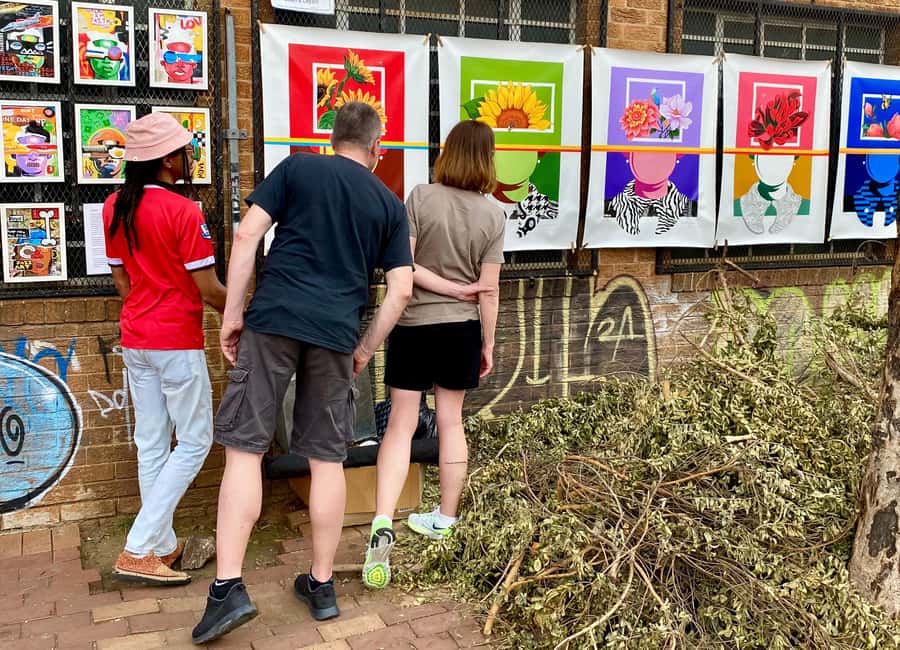
- Street art, with artists named: international and local mural work, including ESPO Powers and DBongz
- You get context, not just photos: your guide explains what the murals are saying
- Real creative spaces: Maboneng Arts Village is part of the walk, not a side quest
- A history-flavored stop: the alleged Hide-Out Bar at Curiocity Backpackers adds an apartheid-era thread
- A scenic break: you reach a viewpoint for views on the way
- Short, focused, and guided: 2 hours with entry to sites included and an English-only guide
Why Maboneng makes a great Johannesburg street-art introduction
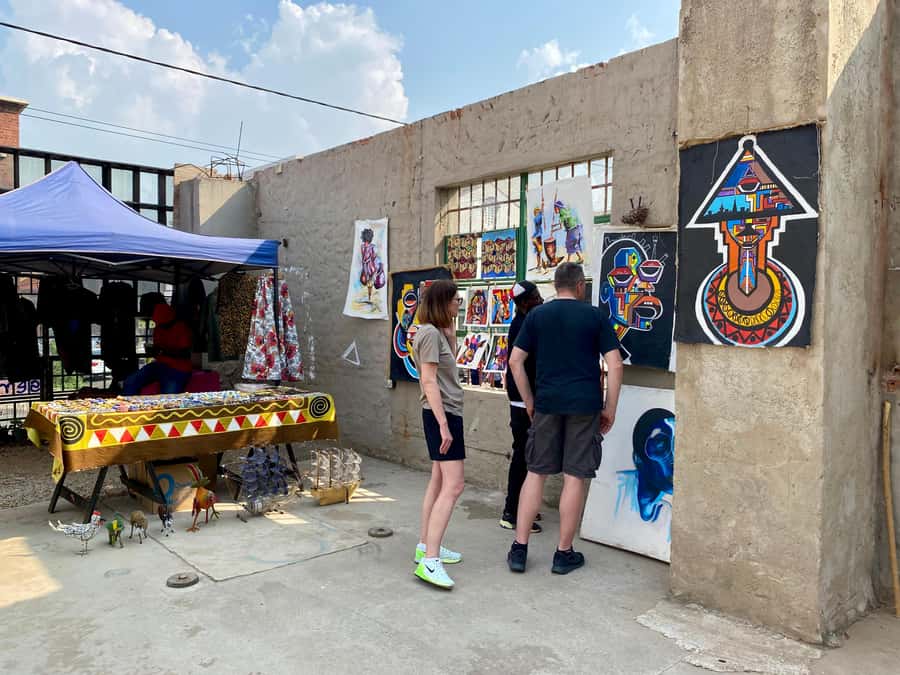
Maboneng means Place of Light, and it really does feel like Johannesburg’s inner city trying to reframe itself through creativity. The neighborhood evolved from an old industrial area into what it is today, with that shift happening from around 2009 to the present.
The street art is the hook, but the real value is how the tour ties murals to what came before: mining-era roots, shifting demographics, and the ongoing tension between past hardship and current rebuilding. You’re not just seeing paint on walls. You’re learning how artists use public space to talk back to the city.
A few more Johannesburg tours and experiences worth a look
Getting started at Home of the Bean under the bridge
Your meeting point is Home of the Bean, right at the corner of Fox and Berea Street under the bridge. It looks like an old industrial building from the outside, so don’t panic if it feels a little industrial at first glance.
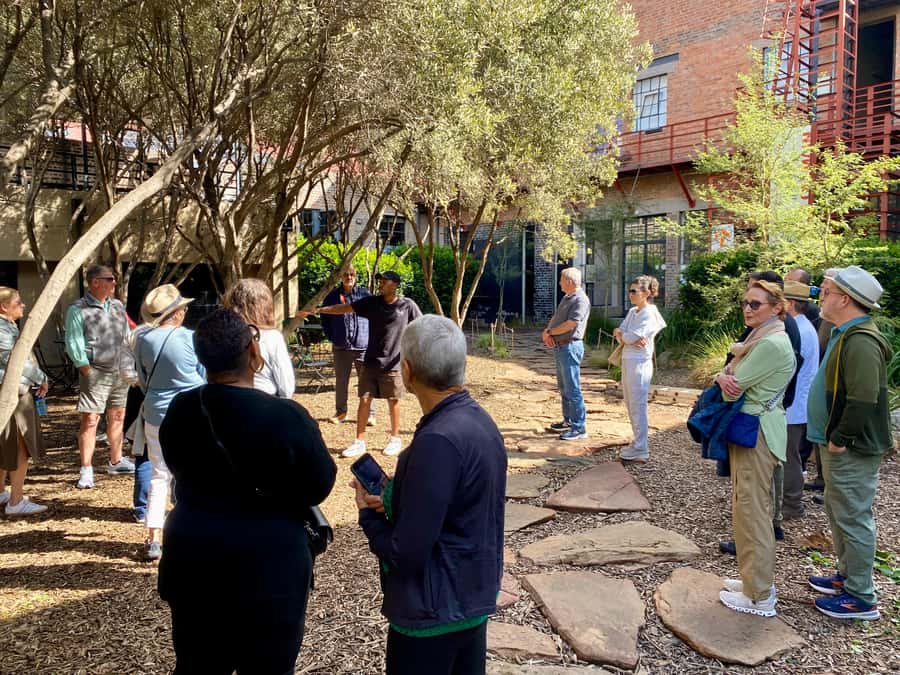
If you arrive early, wait inside the coffee shop. That timing matters because you want a calm start before you move into streets with lots of informal activity. The tour also begins with a short safety briefing (about 15 minutes), which sets the tone for how your guide wants you to walk, look, and ask questions.
One smart part here is that you can get your caffeine before the tour starts, and coffee is at your own expense. It’s a practical choice: you’ll be walking, so you’ll want to feel human.
The street-art walk: ESPO, DBongz, and the stories you can actually use
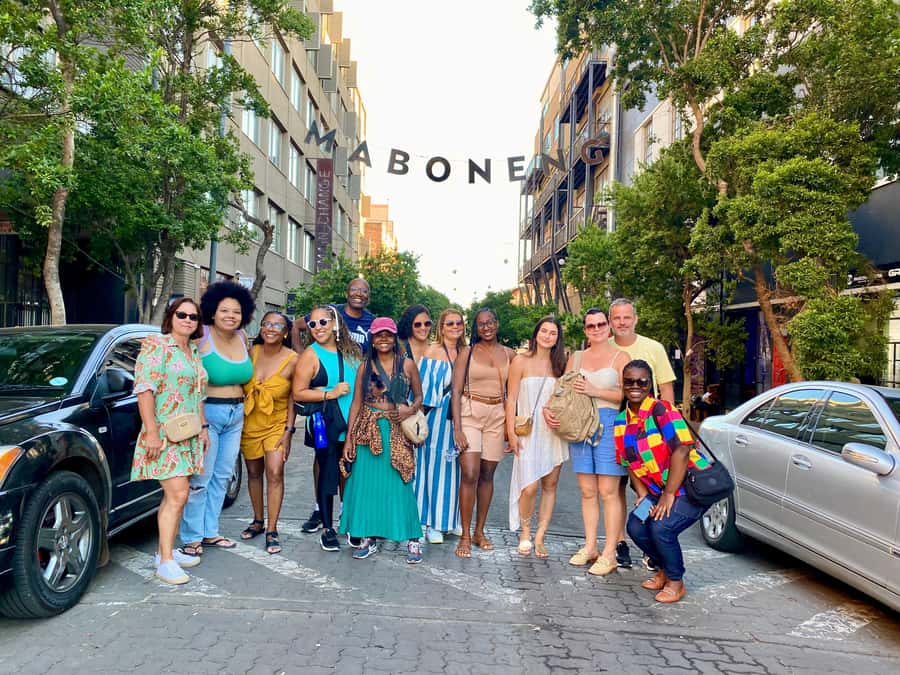
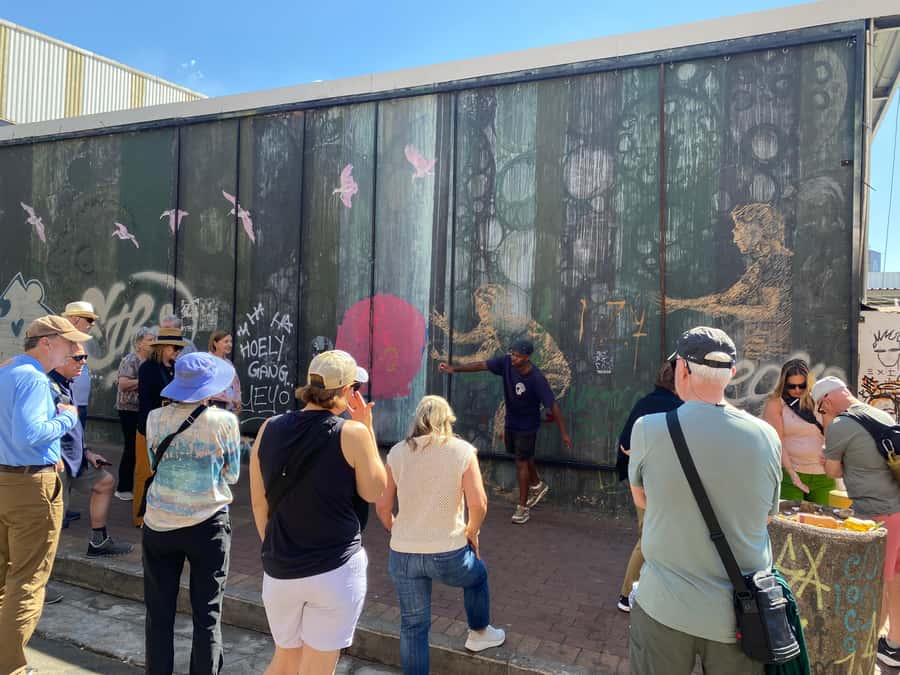
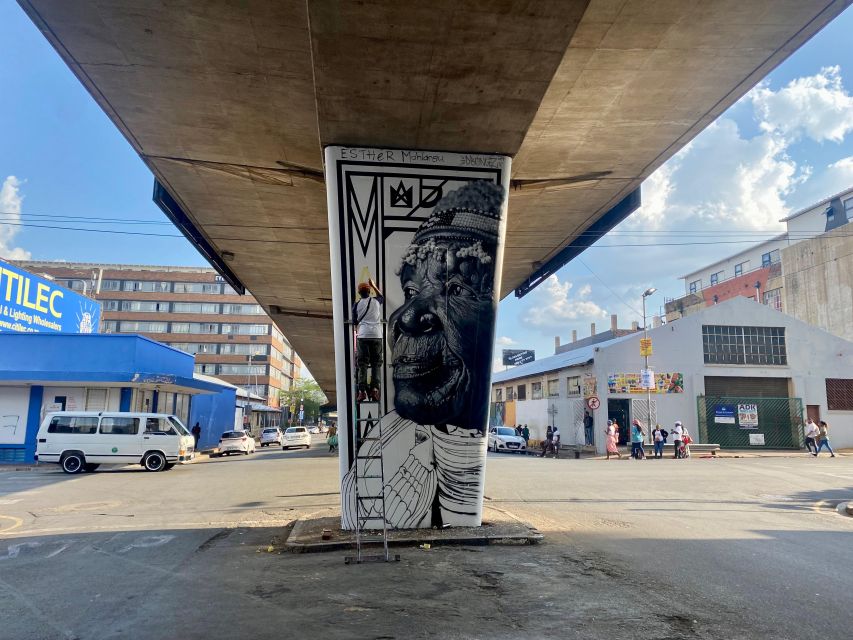
The core of the experience is a walk through Maboneng where you spot street art across the precinct and talk about the meaning and the artists behind iconic murals. The tour includes both international and local artists, with names like ESPO Powers and DBongz highlighted in the tour description.
Here’s what I like about this format: you don’t have to be a graffiti scholar. Your guide explains what you’re looking at and why it matters. That turns a mural from a pretty wall into a readable piece of city commentary. You’ll also start noticing patterns—styles, themes, and how images respond to South Africa’s social and political history.
You’ll have a first main sightseeing stretch (about 30 minutes), plus additional shorter walking segments later. That pacing is useful. It gives you a chance to absorb a few murals deeply, then see how the visual conversation continues as you move through different corners of Maboneng.
Practical tip: if you like taking photos, ask your guide which walls are worth a slower pause. With a timed walk, you’ll get more out of planning your stops than trying to do everything on your own.
Maboneng Arts Village: where artists sell and the neighborhood breathes
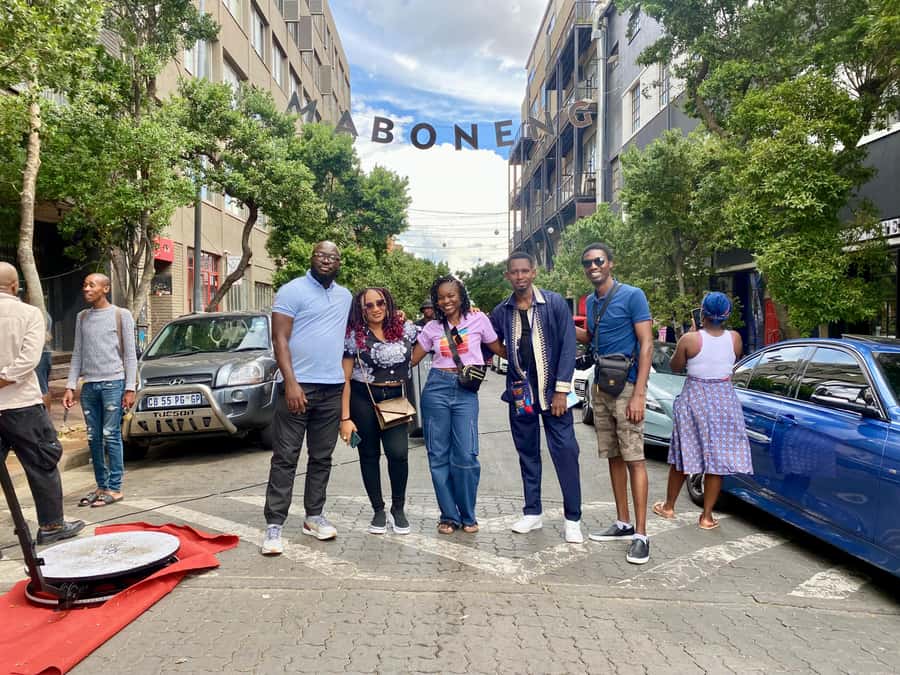
One of the best reasons to join a guided walk is that you end up in places that locals actually use. Maboneng Arts Village is part of the route, described as a space for artists and creatives to sell their work.
This stop matters because it helps you connect two things: the murals you’re learning about and the people who make a living through creative work. It’s also where your shopping decisions feel less awkward. You’re not just wandering into a market zone with no context—you’re in the right mindset, because your guide has already built the story of why art belongs here.
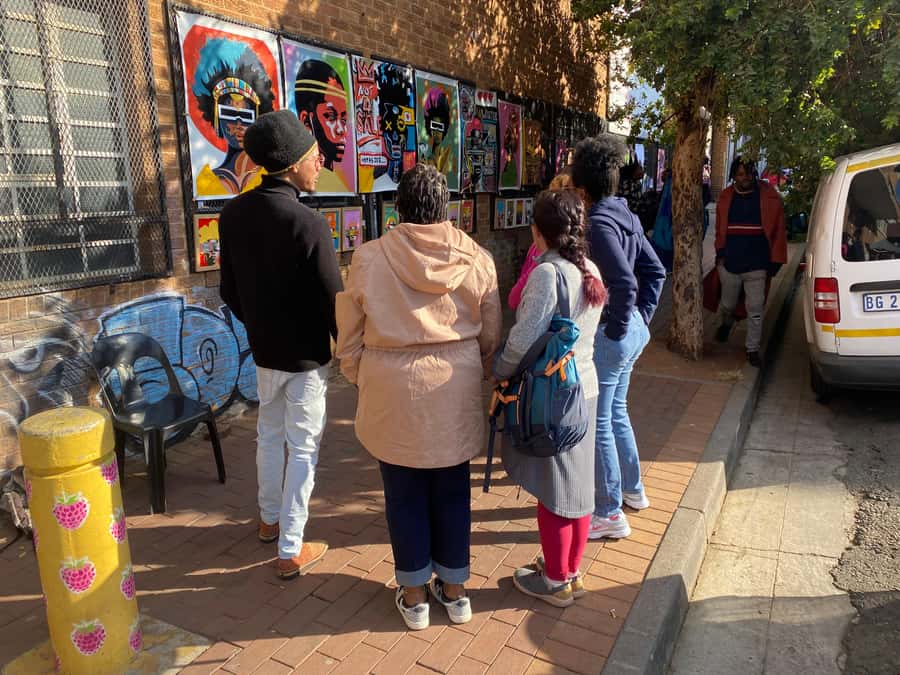
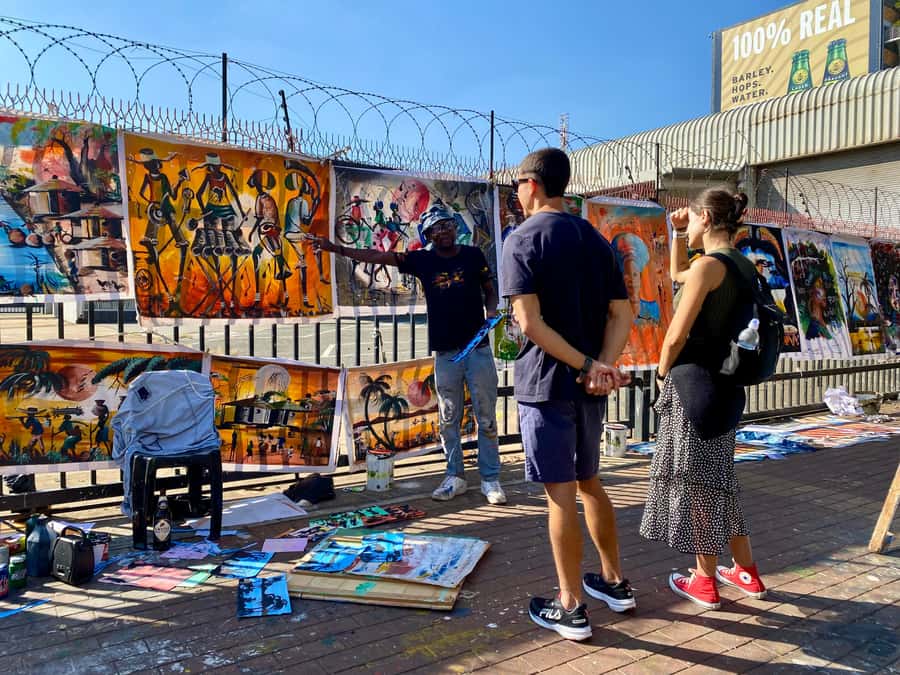
Also, remember that the streets have street artists and informal traders. If you’re interested in buying anything during the tour, bring cash or use a card if that’s available. Having the right payment method prevents the classic travel moment of seeing something you love but not being able to get it.
If you’re not into buying, that’s fine too. Browsing is still part of understanding the vibe of the neighborhood and the way creative work supports the community.
The alleged Hide-Out Bar at Curiocity Backpackers
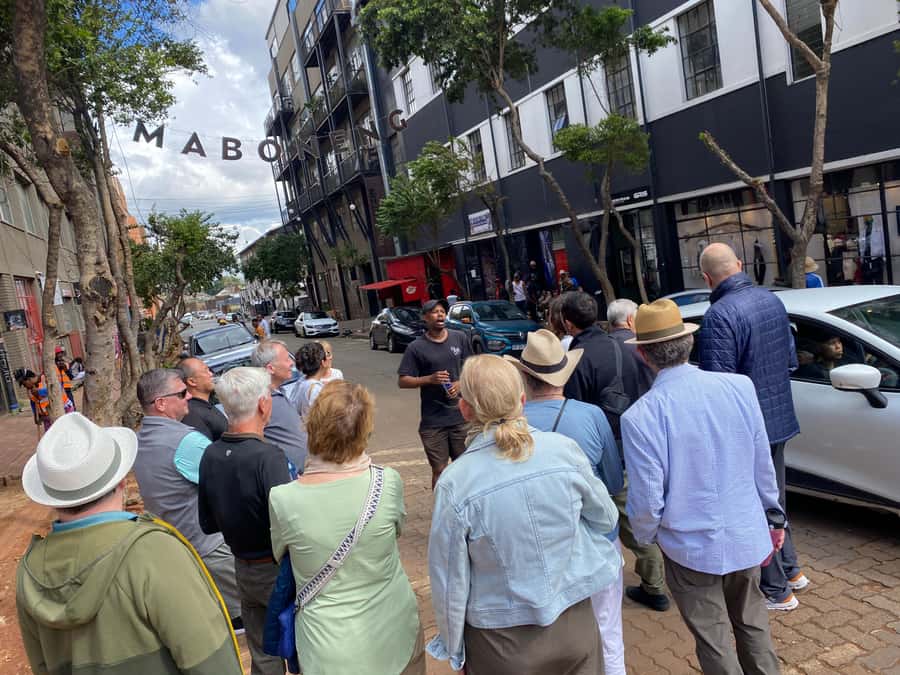
The tour includes a stop at the Hide-Out Bar at Curiocity Backpackers. It’s described as an alleged hideout for anti-apartheid activists, including Mandela and others during apartheid.
Treat this kind of stop as history with a local story attached. The tour doesn’t ask you to pretend you’re reading a textbook. Instead, it uses the rumor and the reputation of a place to point you toward a larger conversation about resistance, memory, and how cities keep their past alive in everyday locations.
What makes this moment valuable is contrast. You’ll move from art panels and street messages into a place tied to political struggle. That shift makes the murals hit harder, because you start seeing how public imagery can carry fear, hope, and defiance across generations.
If you like context-driven sightseeing, you’ll probably ask a lot of questions here. The guide’s job is to connect the dots without overcomplicating it.

The viewpoint and the final walking stretch
After you spend time on murals and the Arts Village stop, the tour includes a viewpoint segment with scenic views on the way. That’s your chance to reset your eyes. After wall-to-wall visuals, a view gives your brain a wider frame of reference for the neighborhood layout and how the inner city sits together.
Then there’s another Maboneng sightseeing and walk segment before you return to Home of the Bean. That final stretch is where you often notice what you didn’t notice earlier—small details in street art placement, how artists use corners or long walls, and where the neighborhood energy feels strongest.
A short walk can feel quick, but 2 hours is actually an advantage if you’re on a tight schedule. You get guided learning without ending the day exhausted.
Price and value: $40 for a guided street-art story with site entry
The price is $40 per person for about 2 hours. For that cost, you get a live English-speaking guide and entry to all sites visited. Food and drink are not included, so coffee and anything else you buy stays on you.
Here’s how I’d judge the value: you’re paying for interpretation. Street art in any city can be enjoyable, but it’s also easy to miss the meaning if you don’t know what to look for. The guide’s role is to translate art into story—who made it, what it’s responding to, and how Maboneng fits into Johannesburg’s evolution.
On a practical level, guided walking also saves you time. Instead of trying to figure out where the murals are and which creative spaces are worth your attention, you follow a plan that hits key areas and stops.
And from the review pattern you can read between the lines: guides like Ayanda are repeatedly praised for local connection and for answering questions, which is exactly what you want at this price point.
Safety, traders, and money: what to do so the walk feels comfortable
The tour description is upfront that there will be street artists and local informal traders on the streets. That’s not inherently a safety issue, but it does change how you should travel.
Use the guide’s pace. Stick close to the group. If you want to shop, be ready with cash/card. If you don’t want to shop, polite eye contact and a quick, firm no works better than lingering.
One review highlight that’s worth taking seriously: several people say they felt safe the whole way when walking with the guide. A good guide makes walking feel normal, not risky. Still, you’re in Johannesburg’s inner city, so basic common sense applies: keep valuables out of sight and don’t wander off to investigate a side street on your own.
Who should book this Maboneng Street Art and Culture tour
This is a great match if you want:
- an introduction to Johannesburg downtown without doing it blindly
- street art that comes with context, including the artists and themes
- a walk that connects modern creativity to apartheid-era memory
- a short, guided outing that still feels meaningful
Because the tour is English only, it’s best for English-speaking visitors. It’s also wheelchair accessible, so it’s one of the more inclusive walking options in the area.
This can work for different ages too. The walking time is manageable, and the content is flexible: you can focus on art, history, or just how people live and sell things in the neighborhood.
Should you book it or DIY Maboneng?
Book it if you want the “why” behind the murals. This tour is built to help you read the neighborhood instead of just walking through it. The combination of explained street art, Maboneng Arts Village, and the alleged Hide-Out Bar gives you variety in a tight 2-hour window.
DIY might work if you already know street art terminology, you’re comfortable navigating on your own, and you don’t mind guessing which murals matter. But for most first-time visitors, a local guide is the shortcut to understanding.
If you do book, do two things that improve the experience fast: bring cash/card for possible purchases, and come ready to ask questions. Guides like Ayanda are repeatedly praised for answering them clearly, and that turns the walk from passive sightseeing into real learning.
FAQ
Where does the tour start?
The meeting point is Home of the Bean coffee shop, at the corner of Fox and Berea Street under the bridge. If you arrive early, wait inside the coffee shop.
How much does the tour cost?
It costs $40 per person.
How long is the tour?
The tour lasts 2 hours.
What language is the guide?
The tour is offered in English only.
Is the tour wheelchair accessible?
Yes, the tour is wheelchair accessible.
What is included in the price?
Entry to all sites visited is included.
What is not included?
All food and drink on the tour are at the guest’s own expense.
Is there free cancellation?
Yes. You can cancel up to 24 hours in advance for a full refund.
Can I reserve without paying right away?
Yes. The option listed is reserve now & pay later, so you can book your spot and pay nothing today.
What should I bring for the walk?
The tour notes that there are street artists and informal traders. If you might want to buy something, bring some cash or a card.