REVIEW · JOHANNESBURG
Johannesburg: Maboneng Street Art & Culture Tour
Book on Viator →Operated by One Day Africa · Bookable on Viator
Street art in Maboneng comes with real context. This Johannesburg tour walks you through Maboneng murals, street art, and galleries while a local guide explains what the artists were thinking and why it matters. I like that it’s not just photos of walls. You get the human stories behind the artwork.
The second thing I like is how easy it is to do well on your feet: the tour runs about 2 hours and keeps the group small (up to 10). Guides such as Refiloe and Mulalo (and others named Milalo Mphuma in the feedback) are repeatedly praised for being engaging and professional, which helps the whole walk feel smooth and safe.
One possible drawback: it’s a walking experience, so if you want lots of long stops inside cafés or museums, you may feel the pace is tight. Also, the tour lists no included extras, so plan to pay for any coffee or purchases on your own.
In This Review
- Key points to know before you go
- Why Maboneng’s street art feels personal, not postcard art
- Meeting at Maboneng Society (Van Beek St) without stress
- Stop-by-stop: what you’ll actually do on the Maboneng walk
- Stop 1: Murals, galleries, and the stories behind the walls
- Stop 2: Johannesburg art through local context
- Stop 3: A newly constructed neighborhood and the tension of change
- Stop 4: Home of the Bean on Fox and Berea Street under the bridge
- What makes the guides a big part of the value
- Price and timing: is $37.51 actually good value?
- Group size, comfort, and how to have a smooth 2 hours
- Safety and neighborhood confidence: what to expect
- Who this tour suits best
- Should you book this Johannesburg street art tour?
- FAQ
- What is the price of the Johannesburg Maboneng Street Art & Culture Tour?
- How long does the tour last?
- Where does the tour start and end?
- Is there a mobile ticket?
- How large is the group?
- Is the meeting point near public transportation?
- What is included in the tour price?
- Are meals, coffee, or shopping included?
- What should I do if I arrive before the tour starts?
- Can I get a full refund if I cancel?
Key points to know before you go
- Maboneng street art with stories, not just sight-seeing
- A small group format (max 10) for a more personal walk
- Artist inspiration and community impact are part of the route
- Stop at Home of the Bean on Fox and Berea Street under the bridge
- Professionals guide the neighborhood, helping you avoid getting turned around
Why Maboneng’s street art feels personal, not postcard art
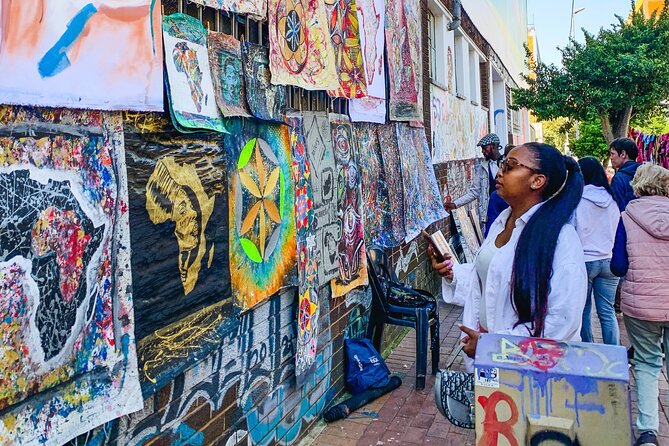
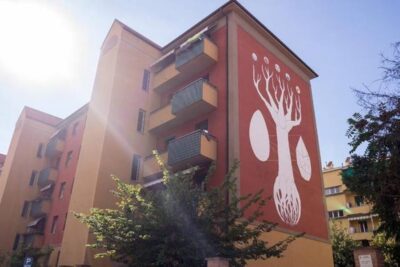
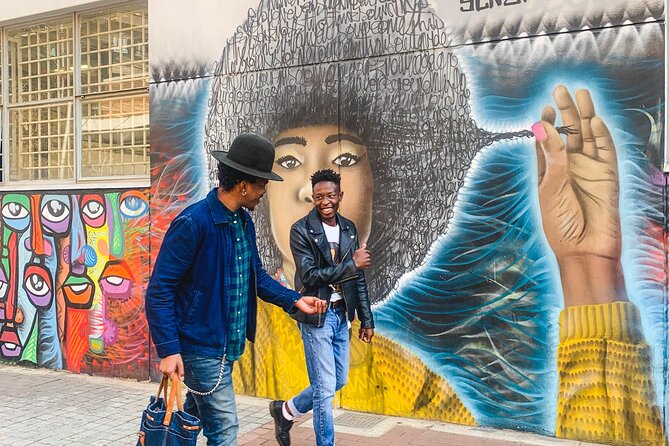
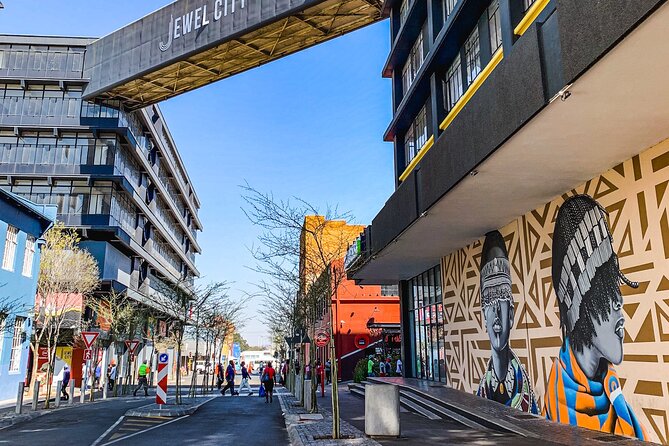
Maboneng is one of those places where the walls talk. You’ll see murals and graffiti side by side with galleries and creative spaces, and the guide helps you read what you’re actually looking at. The key difference on this tour is that you’re not left guessing.
Instead, you’ll hear how the art connects to local life—what inspired the artists, what they want people to notice, and how street art can shift the way communities think and speak about themselves. That’s the kind of context that turns a cool photo into something you remember.
And yes, you’ll still come away with plenty of visual hits. The murals and street pieces are the obvious draw, but the meaning behind them is what makes the walk worth the time.
A few more Johannesburg tours and experiences worth a look

Meeting at Maboneng Society (Van Beek St) without stress
The tour starts at Maboneng Societymaboneng, 26 Van Beek St, New Doornfontein. It’s also described as near public transportation, which is a big deal in a city where you don’t want to waste your energy on long transfers.
You’ll also want to keep an eye on your phone. The operator says you’ll get communication via WhatsApp or message about 30 minutes before the tour starts (or if anything changes). That matters because the route includes a stop at a specific coffee shop, and timing is easier when you have that heads-up.
If you arrive early, don’t hang around outside. The instructions specifically point you to wait inside the coffee shop at the end-of-walk stop if you’re early, because it looks like an old industrial building from outside. Do yourself a favor: go inside, get settled, and wait where you’re supposed to.
Stop-by-stop: what you’ll actually do on the Maboneng walk
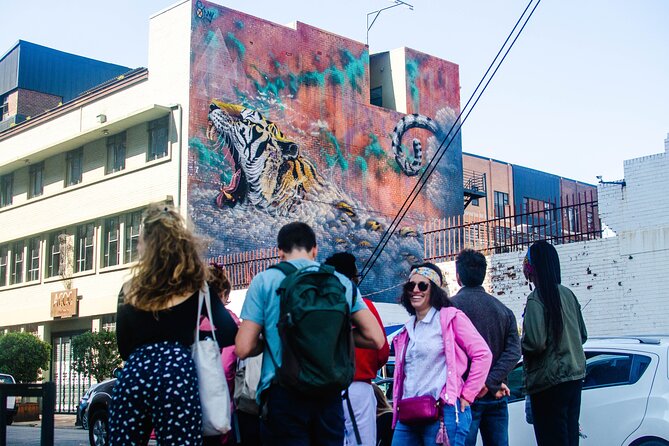
This is built like a neighborhood stroll with story stops. You’ll keep moving, but each section of the walk is meant to teach you how Maboneng’s street art connects to place, people, and change.
Stop 1: Murals, galleries, and the stories behind the walls
Your first stretch is all about getting your bearings. The tour takes you through Maboneng, where murals, art, and galleries sit close enough that you can go from one idea to the next without feeling like you’re crossing a city block every minute.
The guide’s job here is to translate the street art. Expect explanations about what you’re seeing—how artists got their inspiration, what symbols or themes show up, and what message the work carries. If you’ve ever walked past graffiti and wondered whether it’s random tagging or something deeper, this is where you start getting answers.
This opening also helps with orientation. Maboneng can feel like a maze of creative spaces tucked among regular streets. Having a guide means you’re less likely to wander in circles, and you’ll spend more time looking closely instead of checking maps every five minutes.
Stop 2: Johannesburg art through local context
The tour then shifts from individual pieces to the bigger picture. One stop is described as exploring the beauty and art of what makes Johannesburg—so the conversation widens beyond the specific mural you’re standing in front of.
This is where the tour focuses on street art as a voice. The route includes how street art is changing perspectives in local community groups. That theme matters because it reframes the artwork from decoration to communication.
In practical terms, you’ll start noticing patterns: recurring social themes, how certain styles get used to make statements, and how art can be a form of activism. If you like history but hate long lectures, this is a good middle ground. You’re learning as you walk and as you look.

Stop 3: A newly constructed neighborhood and the tension of change
One of the route sections is described as a newly city-constructed neighborhood. That wording points to the fact that Maboneng isn’t static. Buildings and development are changing the area, and the art scene has to live inside that reality.
This part of the walk is useful because it helps you see the neighborhood as a work in progress. Street art often reacts fast to change, and it can hold onto stories even when the area around it is being reshaped.
You’ll likely end up with questions like: Who benefits from development? What does the art keep saying? What changes, and what doesn’t? The guide’s job is to keep those questions grounded in what you can actually see around you.
Stop 4: Home of the Bean on Fox and Berea Street under the bridge
The route includes a very specific landmark: Home of the Bean, located at the corner of Fox and Berea Street, under the bridge. The operator even calls out the look: from the outside, it resembles an old industrial building, so don’t confuse that with a closed place.
If you arrive early, you’re told to wait inside the coffee shop before your tour starts. That’s solid advice. It also means you’re not standing around in an unfamiliar area with time slipping by.
This stop is a chance to reset and use your senses. You’ll be walking in a creative district, and by now your eyes are probably a bit tired from scanning walls for details. Coffee and a slower pace helps you come back to the art with fresh attention. If you want to shop or browse, this is also when the neighborhood energy feels easiest to enjoy at human speed.
What makes the guides a big part of the value
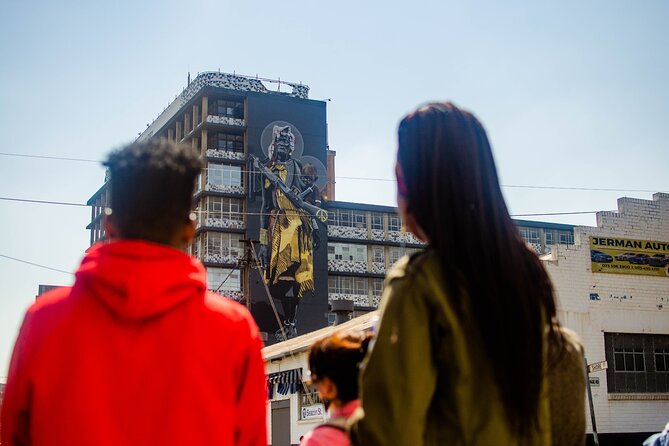
This tour is priced modestly, but the real value is how the guide connects the art to meaning.
Across the feedback you provided, certain names show up again and again: Refiloe and Mulalo are repeatedly highlighted for being thoughtful, professional, and fun to talk with. Another guide name mentioned is Milalo Mphuma. There’s also a reference to a guide called Given (mentioned as a translation of his name), described as genial and knowledgeable about the street art scene.
You shouldn’t read those names as guarantees. But you can take the pattern seriously: the people leading this tour are expected to know their way around the art and the neighborhood, and also to treat the group well. That’s not a small thing. In places where you might feel uncertain, a good guide makes you feel grounded.
Price and timing: is $37.51 actually good value?
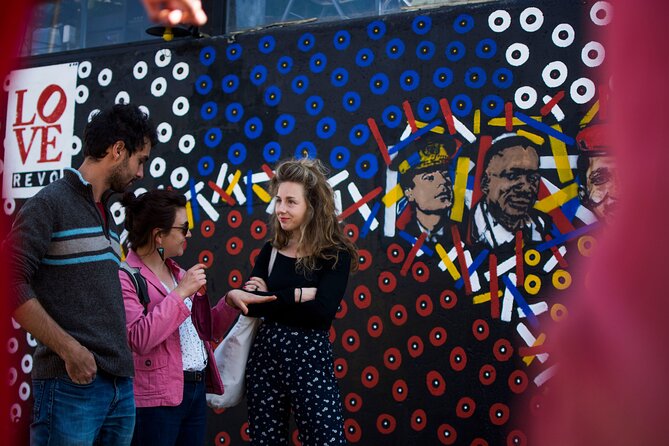
At $37.51 per person, you’re paying for two hours of guided walking plus the interpretation layer. The tour’s duration is listed as about two hours, with a mobile ticket, and the group cap is 10 travelers—so it’s not a giant crowd shuffle.
Is it expensive? No. Is it cheap? Also no. It’s in that practical middle zone where you should ask: what’s the return? Here’s the honest answer: the return is strongest if you care about meaning, not just photos.
The tour’s “Included” section is listed as N/A, and “Not Included” says all additional items cost extra. So you’re not being bundled into a meal or paid attractions. That means your money is mostly going to the walking guide and their storytelling, and you should show up ready to absorb it. If you want a buffet of activities, you might look elsewhere. If you want a focused, high-context neighborhood walk, this price fits.
Group size, comfort, and how to have a smooth 2 hours
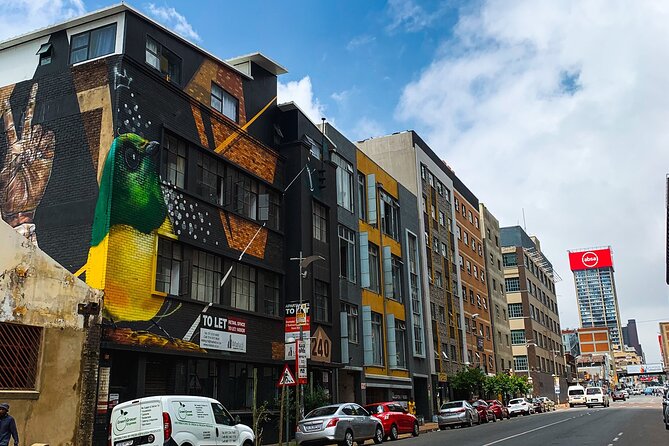
With a maximum of 10 people, you’re more likely to get real interaction instead of just hearing a voice behind you. That matters for questions. If something looks confusing, you can probably ask, and the guide can explain it in plain language.
The tour is also described as “most travelers can participate,” which usually means it’s not built around advanced climbing or long stretches of extreme terrain. Still, you should treat it like a walking tour: comfortable shoes help. If you’re the type who likes to stop and read every small detail, this format should work well because you won’t be rushed into a bus ride between stops.
One review detail in your notes points to the walk feeling quiet in the morning and still feeling safe. You can take that as a general hint: the pace may depend on the time of day, but the experience is designed to feel comfortable while you’re out on the streets.
Safety and neighborhood confidence: what to expect
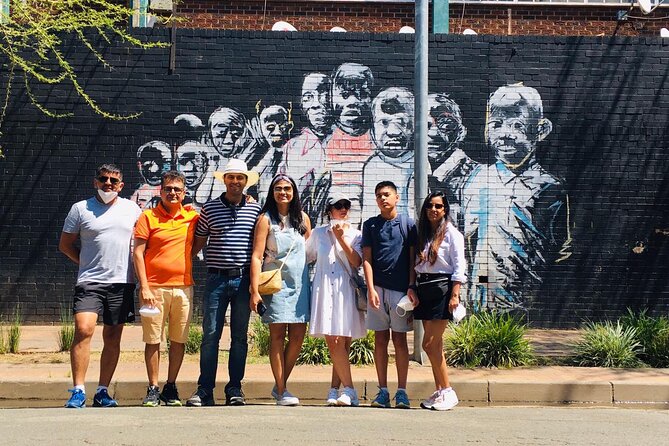
This tour is clearly designed to help you experience the area with support. Multiple comments in your provided notes mention feeling safe, and that shows up as a key reason people enjoyed it.
I’d still keep it practical. Stick with the group, keep your phone used for photos (not for wandering), and avoid turning the tour into a solo exploration mission. The biggest payoff comes when you let the guide lead you through the streets while you keep your attention on the art and stories.
If you’ve never visited Johannesburg before, that “guided confidence” is the kind of benefit that’s hard to replicate by going on your own.
Who this tour suits best
This is for you if:
- You like street art and want context, not just visuals
- You want to understand the neighborhood as part of Johannesburg’s story
- You enjoy walking tours where the guide tells you what you’re looking at
- You want a small-group format (max 10) for a more personal feel
It’s less ideal if:
- You hate walking or need long breaks every few minutes
- You want indoor-only stops
- You’re looking for a food tour or paid attractions (not listed as included)
If your Johannesburg time is short, this is also a solid add-on. Two hours is manageable, and it gives you a feel for Maboneng’s creative identity fast.
Should you book this Johannesburg street art tour?
I think you should book this tour if street art is more than decoration to you. The guide-led focus on meaning—artist inspiration, community perspectives, and how development intersects with creativity—is exactly what turns a neighborhood into a real experience.
Book it if you’re happy to spend two hours walking, looking closely, and asking questions. With the small group size and the clear emphasis on context, it’s the kind of activity that helps you leave with more than photos.
Skip it if you mainly want ticking off landmarks quickly or you’re hoping it includes a full day of attractions and meals. This is a focused street art story walk. The payoff is in what you learn while you walk.
FAQ
What is the price of the Johannesburg Maboneng Street Art & Culture Tour?
The price is listed as $37.51 per person.
How long does the tour last?
The tour duration is approximately 2 hours.
Where does the tour start and end?
It starts and ends at Maboneng Societymaboneng, 26 Van Beek St, New Doornfontein, Johannesburg, 2001, South Africa.
Is there a mobile ticket?
Yes, the tour includes a mobile ticket.
How large is the group?
The maximum group size is 10 travelers.
Is the meeting point near public transportation?
Yes, it is described as near public transportation.
What is included in the tour price?
The tour lists “Included” as N/A, meaning nothing specific is stated as included.
Are meals, coffee, or shopping included?
No. The tour lists “Not Included” as all additional items and cost. If you want coffee or to shop, you’ll pay separately.
What should I do if I arrive before the tour starts?
The instructions point you to wait inside the coffee shop called Home of the Bean at the corner of Fox and Berea Street under the bridge if you arrive before your tour starts.
Can I get a full refund if I cancel?
Yes. You can cancel up to 24 hours in advance for a full refund. If you cancel within 24 hours of the start time, the amount paid is not refunded.