REVIEW · ROME
Rome: City Highlights Private Golf Cart Tour
Book on GetYourGuide →Operated by RomeByCart · Bookable on GetYourGuide
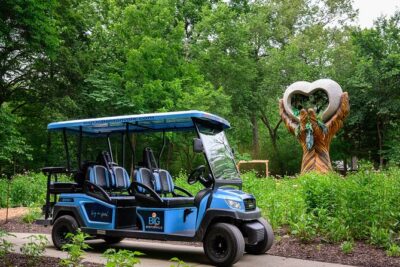
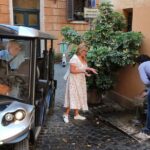
Rome from a golf cart feels like cheating. In three hours, you glide past the Colosseum, Pantheon, and Vatican-area squares with a private guide who can adjust the plan. It is an efficient way to see a lot of Rome without spending your whole day stuck in traffic or crisscrossing streets on foot.
I especially love the easy pace. Even with a few photo stops that still put you on your feet, the cart gets you close enough that you feel the city’s energy without the long haul between monuments. I also love the Roman food component, with stops at selected local spots for things like espresso pick-me-ups and cheese-and-wine snacks.
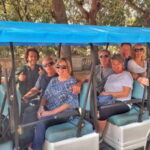
One thing to consider: hearing can be tricky while the cart is rolling. If you care about catching every story, aim for a spot closer to the guide—some people found the back of the cart harder for sound.
In This Review
- Key things that make this tour worth your time
- A 3-hour Rome loop on wheels: what you really get
- The cart vs. your own legs: why this works in Rome
- Making the route yours: how the guide customization feels in real life
- Colosseum photo stop: the best kind of first impression
- Circus Maximus and the Roman spectacle vibe
- Giardino degli Aranci: why orange trees matter for photos
- Altar of the Fatherland: the “what is this?” stop you’ll be glad you did
- Piazza Navona to Pantheon: Rome’s art at street level
- Spanish Steps and the viewpoints people actually plan around
- Saint Peter’s Square and Janiculum Hill: two different ways to see Rome
- Sant’Ignazio and St. Louis of the French: church time that feels like art talk
- Taste of Rome: espresso, cheese-and-wine, and snack culture
- Timing and photo stops: how to get the most in three hours
- Guides like Valerio, Fabio, Massi, Stefano, and Giulio: the human factor
- What is included, what to budget for, and what you should bring
- Who this private golf cart tour is best for
- Should you book this RomeByCart golf cart tour?
- FAQ
- How long is the Rome highlights private golf cart tour?
- How much does it cost?
- What sights do we see during the tour?
- Is food included?
- Are entrance fees included?
- What languages is the guide available in?
- What should I bring for the tour?
Key things that make this tour worth your time
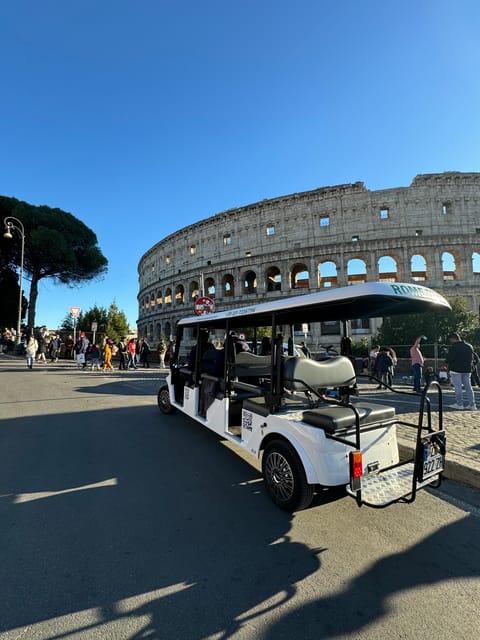
- A truly private route: you can choose the vibe and swap stops to match your interests
- Iconic photo stops with breathing room: short waits, good views, and time to take photos
- Roman cuisine stops built into the drive: espresso, cheese-and-wine, and other local tastings at small eateries
- Church visits that feel like art museums: paintings, sculptures, frescoes, and mosaics come with context
- Guides with real personality: many people highlight guides like Valerio, Fabio, Massi, Stefano, and Giulio for pacing and stories
A 3-hour Rome loop on wheels: what you really get
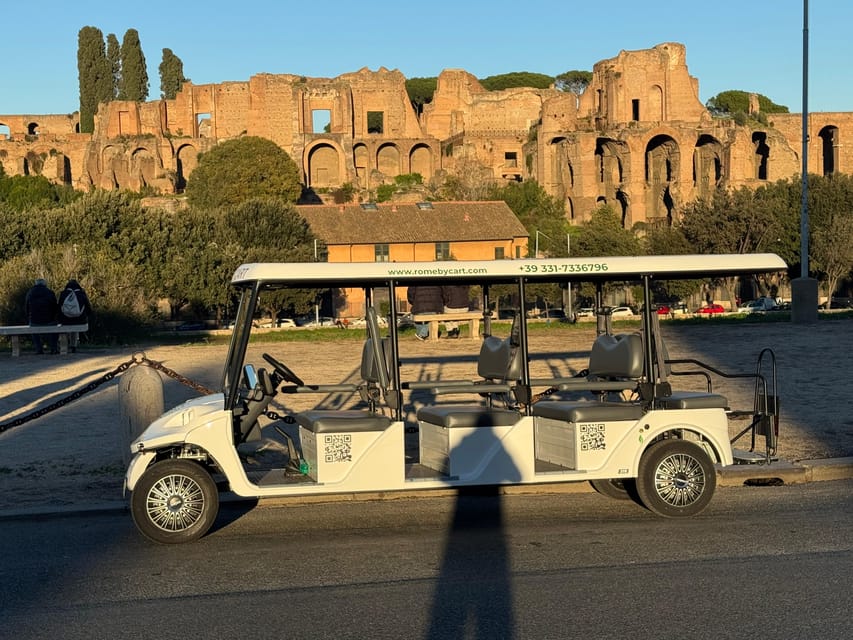
This is a private golf cart tour designed for people who want the big hits fast, with a guide steering the story. At $49 per person for about three hours, you are paying for three things: transport that can get near monuments, a local’s explanations, and food stops that would take extra planning on your own.
Think of it like a Roman orientation session with great scenery. You get enough context to understand what you are looking at, then you can come back later (if you want) for the parts that grabbed you.
If you are traveling with kids, someone with limited mobility, or you just know your feet will hate you by day two, the cart changes everything. You still get out for photos and a bit of walking, but you are not burning the day moving between far-flung sites.
You can also read our reviews of more city tours in Rome
The cart vs. your own legs: why this works in Rome
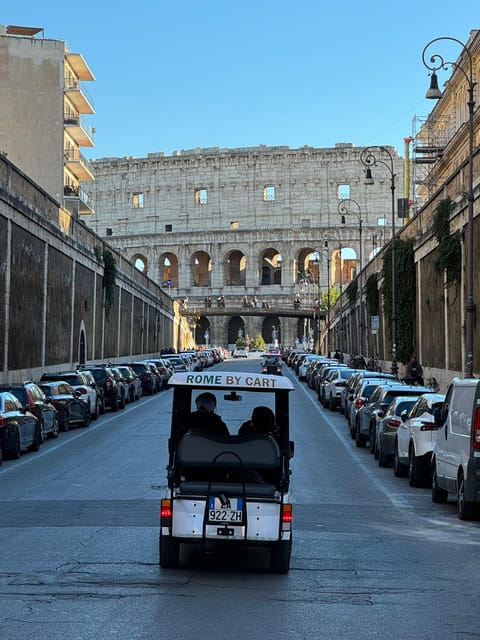
Rome is gorgeous, but it is also uneven, crowded, and built for people who lived centuries ago. The golf cart tour helps because it cuts down the time you would spend on the boring stuff: long distances, slow crossings, and hunting for the best angle.
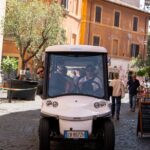
Multiple guides are known for driving close to viewpoints and monuments, which means your photos come with less backtracking. And since the tour is timed in short stops, you get those classic Rome scenes without the exhaustion of a full walking day.
Do note: the tour includes some walking, even if it is not a hiking day. Comfortable shoes matter, and sunglasses and sunscreen will make the sun much less annoying.
Making the route yours: how the guide customization feels in real life
The whole point of a private tour is control. You choose your pickup and drop-off point, and the guide helps shape a route that fits your pace and interests.
What tends to work best is arriving with a simple plan:
- Tell the guide what you care about most: ancient Rome, church art, views for photos, or food
- Mention any priorities you already booked (for example, places like the Pantheon)
- Be clear about your time limits, especially if you have a dinner plan, a cruise pickup, or a packed itinerary
This tour is built to let the guide steer the day, so you are not stuck on someone else’s rigid checklist. People often walk away saying the tour helped them decide what to revisit in more depth later.
Colosseum photo stop: the best kind of first impression
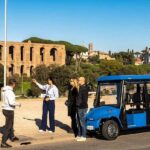
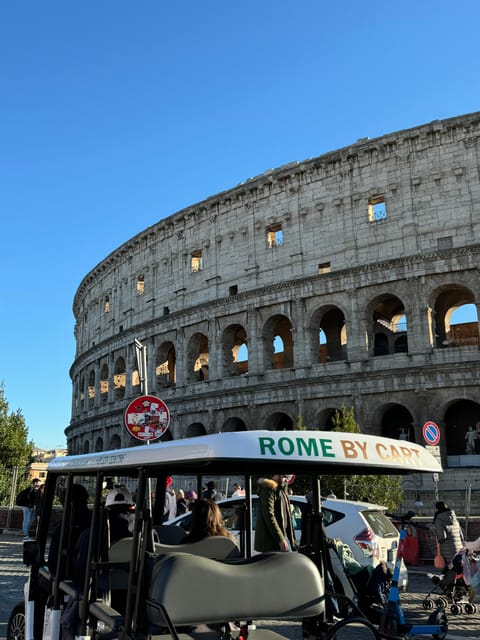
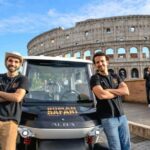
The tour starts with one of Rome’s loudest icons: the Colosseum. You get a photo stop long enough to get a few angles and register what you are seeing—without turning this into a museum-level undertaking.
Here is the practical trick: use your guide’s timing. A short stop like this is not about reading every inscription; it is about getting your bearings fast. You leave with an image in your head that makes later visits much more meaningful.
If you are doing Rome for the first time, this stop sets the tone: ancient scale, dramatic architecture, and that feeling that time here is different.
Circus Maximus and the Roman spectacle vibe
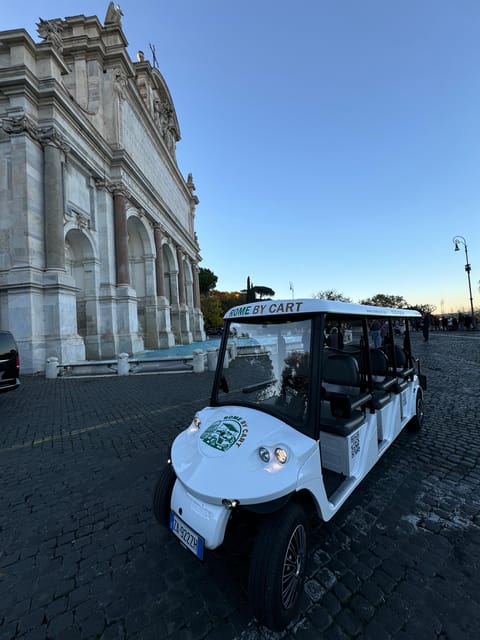
Next up is Circus Maximus, where the story shifts from buildings you can climb into open space that used to host huge crowds. Even if you are not an ancient-sports nerd, the idea of Rome putting on spectacles on that scale is one of the city’s most useful concepts to understand.
The photo stop is brief, so the value is in what your guide points out. You are not just taking a picture; you are learning how to read the space and connect it to the rest of what you see later.
You can also read our reviews of more private tours in Rome

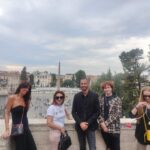
Giardino degli Aranci: why orange trees matter for photos
One of the prettiest pauses on the route is Giardino degli Aranci—the Orange Tree Garden. This is where Rome does that thing it does so well: turning viewpoints into emotional moments.
Even during a fast tour, a garden viewpoint is a pressure release. You get a break from monument-to-monument intensity, and you also get photos that look like you planned a sunset. If your timing lines up with late afternoon, you can also capture that warm light look that makes Rome photos go from nice to wow.
Altar of the Fatherland: the “what is this?” stop you’ll be glad you did
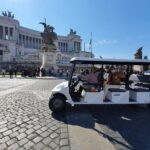
Then you roll to the Altar of the Fatherland area (often called by the nickname Vittoriano). This is one of those sights that many first-timers photograph, but without context it can feel like a big pile of stone.
A good guide gives you a sense of what it represents and why it sits there. The stop is about letting you see it clearly and understand the symbolism—so you do not just walk past it later without caring.
Piazza Navona to Pantheon: Rome’s art at street level
From there, you hit Piazza Navona, one of the city’s most alive public spaces. This stop is all about atmosphere: open square, classic Rome geometry, and a chance to absorb the vibe without committing to a long sit-down.
After that comes the Pantheon, one of the most famous church-turned-monuments in Rome. Here, your guide’s job is to make you notice details you would otherwise miss—how the space feels, how the building tells its story, and why people still care about it.
Practical note: this is not a skip-and-go stop. A short window still gives you enough time to capture the building and get the meaning, especially if you ask questions while you stand there.
Spanish Steps and the viewpoints people actually plan around
Then it is up to the Spanish Steps area. You get a photo stop where you can capture the famous stairs and the surrounding views without climbing every step like you are training for a marathon.
This is a great moment to slow down, check your phone camera settings, and decide what you want to explore later. If you like photos, this stop can be the one you remember most—especially when the light softens near evening.
Saint Peter’s Square and Janiculum Hill: two different ways to see Rome
You will also pass through Saint Peter’s Square for another classic Rome scene. Think of it as the guide helping you understand Rome’s spiritual center and how power, art, and faith overlap in the city’s layout.
After that, you get Janiculum Hill. If you love views, this is where Rome gets showy. The hill viewpoint gives you that wide-angle sense of the city, letting you connect landmarks you saw earlier with the streets and buildings between them.
The best part? You do it all in a short tour window. You are not spending half a day commuting between vantage points.
Sant’Ignazio and St. Louis of the French: church time that feels like art talk
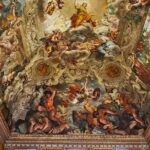
Two churches are built into the route: Church of Sant’Ignazio di Loyola and Church of St. Louis of the French. This is where the tour shifts from ancient monuments into something more intimate and detailed.
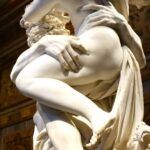
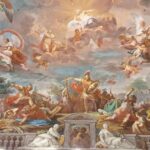
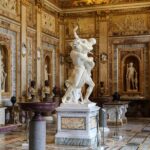
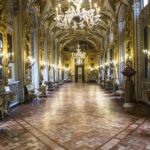
Your guide is there to point out the kind of art Rome is famous for—paintings, sculptures, frescoes, and mosaics—and connect them to different eras. Even if you are not usually a church person, a good guide helps you see these as visual storytelling, not just architecture.
One practical consideration: churches can have dimmer lighting than the street. Bring your camera, but also be ready to adjust settings on your phone if you want clear shots.
Taste of Rome: espresso, cheese-and-wine, and snack culture
The food is not an afterthought. You stop at selected local eateries for tastings, and the theme is authentic Roman flavors and wine-and-snack culture.
Across the experiences people describe, common highlights include:
- Espresso as a quick pick-me-up early or later in the route
- Cheese-and-wine tasting stops, often at family-run delis
- Pizza and other Roman comfort bites as the day’s mood shifts
If you have kids, it also helps that some guides work small fun surprises into the food stops, like chocolate-covered espresso beans. That kind of detail is why this experience feels more like a shared day than a checklist.
If you care about reducing waste, bring your own small reusable cups. Some people specifically recommended it for wine tastings.
Also, don’t stress about not being a foodie. This is casual tasting, not a formal meal, and it fills a gap that walking-only tours often miss.
Timing and photo stops: how to get the most in three hours
This tour runs on short, well-paced photo stops (you are usually looking at 10 to 20 minutes at each location). That schedule sounds strict, but it is designed for momentum—so you can see more without feeling rushed.
Here is how you use the time smart:
- Arrive ready to stand and shoot photos quickly
- Ask your guide one or two questions at each stop so the photos come with context
- If you have a specific must-see, say it early so the guide can shape the route around it
One more tip: some people note it can be harder to hear the guide from the back of the cart. If you want the stories, choose a seat closer to the front when you can.
Guides like Valerio, Fabio, Massi, Stefano, and Giulio: the human factor
A big part of the value here is the guide’s personality. Different guides bring different energy, but the common thread is a mix of pacing, humor, and willingness to tailor.
People have praised guides such as Valerio for being fun and personable, and Fabio for safe, comfortable driving. Others have highlighted Massi for being easygoing and flexible, and Stefano for making evening explorations feel special. Giulio stands out in the way he adds extra thought—like matching food choices to the group.
You do not need to treat this like a lecture. If your guide asks what you want to eat or what you want to focus on, that is your opening to shape the day.
What is included, what to budget for, and what you should bring
This experience includes:
- A guided tour in a golf cart
- Pick-up and drop-off service
- Food tasting(s) at selected local eateries
- Sightseeing of iconic landmarks and lesser-known spots
- A guide visit for a major church stop
- English, Spanish, Italian, and Portuguese live guide options
Entrance fees are not included, so if you plan on entering anything beyond what the guide covers, you will want to budget those separately.
For what to bring, keep it simple:
- Comfortable shoes
- Sunglasses
- Hat
- Camera
- Sunscreen
And if you get easily overheated, bring a light layer you can handle if the weather flips.
Who this private golf cart tour is best for
This is a strong fit if you:
- Want a fast, organized overview of Rome for your first visit
- Have limited time and want to see ancient and church Rome in one afternoon
- Are traveling with kids who need breaks and entertainment
- Have mobility limitations and still want to feel included in the sightseeing
It also works well if you already visited a few major sites and want the route adjusted to what you missed. A private guide is great at preventing wasted time.
Should you book this RomeByCart golf cart tour?
If you want the easiest path to seeing major sights in just three hours, I think this is a smart booking. The value comes from the combo: close-to-the-action transport, a real guide shaping the route, and food stops that turn sightseeing into an actual experience.
I would skip it only if you truly want a deep, slow, walking-heavy day where you can linger for long museum-style visits. This tour is about coverage plus context, not long stays inside every monument.
If you book, do this: tell your guide what you care about most before you start—views, ancient Rome, church art, or food—and pick a seat where you can hear clearly. That small move makes the difference between seeing Rome and understanding it on the spot.
FAQ
How long is the Rome highlights private golf cart tour?
The tour lasts 3 hours.
How much does it cost?
It is listed at $49 per person.
What sights do we see during the tour?
You will have photo stops at major sites including the Colosseum, Circus Maximus, Giardino degli Aranci, the Altar of the Fatherland, Piazza Navona, the Pantheon, the Spanish Steps, Saint Peter’s Square, and Janiculum Hill. The route also includes church stops such as Sant’Ignazio di Loyola and St. Louis of the French.
Is food included?
Yes. The tour includes a tasting of local cuisine with stops at selected local eateries.
Are entrance fees included?
No. Entrance fees are not included.
What languages is the guide available in?
The live tour guide is available in English, Spanish, Italian, and Portuguese.
What should I bring for the tour?
Bring comfortable shoes, sunglasses, a hat, a camera, and sunscreen. The day includes some walking.