REVIEW · COLOGNE
Explore Cologne’s Best Street Art Quarter
Book on GetYourGuide →Operated by LocalBini AG (EU) · Bookable on GetYourGuide
Ehrenfeld walls tell stories. This 90-minute walk through Cologne’s street-art quarter in Ehrenfeld is all about seeing the art in context, from graffiti and murals to paste-ups with real meaning behind them. I especially like how the tour mixes eye-candy walls with a serious stop: a poignant mural honoring non-conformists who resisted the Nazis. One thing to consider is that this is a true walking experience, so you’ll want comfortable shoes and to match your pace to the group and the weather.
My other big draw is the guide’s street-art-world knowledge and practical way of explaining what you’re looking at, including how to read styles, messages, and techniques. The walk ends at Café Goldmund, a handy spot near Cologne-Ehrenfeld station, so you can keep the day going with coffee or a library-minded break. If you’re expecting lots of sitting and big museum facts, this isn’t that kind of tour, it’s a on-the-street education.
In This Review
- Key highlights
- Why Ehrenfeld Is the Cologne Street-Art Quarter
- Meeting at Goethe Apotheke: Getting Started Without Stress
- A 90-Minute Walking Plan That Moves With the Art
- Graffiti, Murals, and Paste-Ups: What You’ll Actually Learn to See
- The Nazi-Era Resistance Mural: Art With Real Moral Weight
- Spotting the Artists: ROA, Herakut, Faith47, INTI, Tika, and M-City
- CityLeaks Urban Art Festival: Following the Scene Beyond the Walk
- Ending at Café Goldmund: A Good Finish Near the Train
- Price and Value: Is $152 for 90 Minutes Worth It?
- Who This Tour Fits Best (and Who Might Skip It)
- Should You Book the Ehrenfeld Street-Art Discovery?
- FAQ
- Where is the meeting point?
- How long is the tour?
- What languages are the live guides?
- Is this a private or small-group tour?
- What types of street art will we see?
- Which artists’ work does the tour include?
- Where does the tour end?
Key highlights
- Ehrenfeld’s street-art focus on real neighborhoods, not just a curated wall
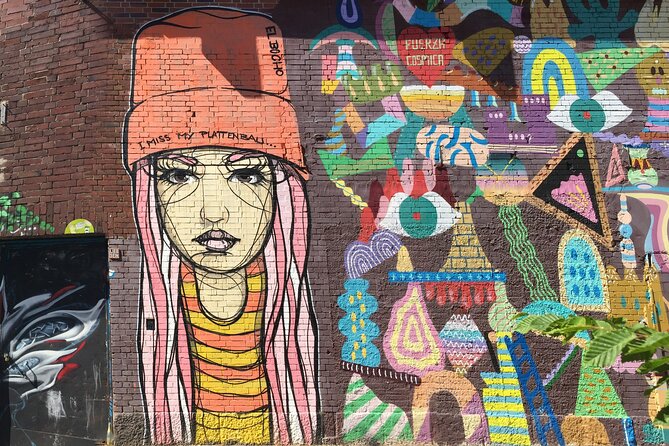
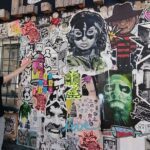
- Multiple art formats you’ll spot in minutes: graffiti, murals, and paste-ups
- A powerful Nazi-era memorial mural tied to non-conformists
- Artist spotting practice with names like ROA, Herakut, Faith47, INTI, Tika, and M-City
- CityLeaks Urban Art Festival connections that help you follow the scene beyond the walk
Why Ehrenfeld Is the Cologne Street-Art Quarter
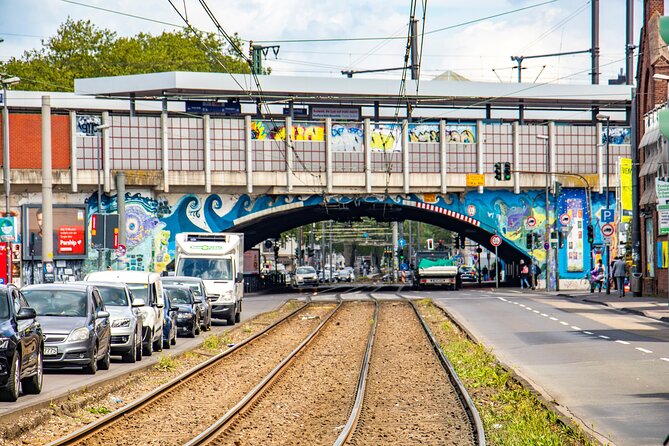
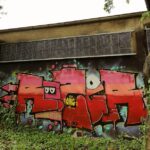
If you want Cologne street art without the guesswork, Ehrenfeld is the right neighborhood. This area feels made for wandering: lots of building fronts, side streets, and under-the-traffic-spaces where street art naturally shows up in layers. The tour’s whole point is to help you look like a street-art reader, not just a person snapping photos.
What I like about this approach is that it treats street art as a living conversation. You’re not just seeing finished murals. You’re also learning that graffiti-style writing, large painted walls, and wheatpaste-type posters (paste-ups) often come from different motivations, timelines, and aesthetics. That’s why the walk is short but packed: you’re building your “street art eye” fast.
And yes, you’ll get the creative side, but the most memorable moment is the one that carries weight. The guide includes a poignant mural honoring non-conformists who took on the Nazis, so the neighborhood’s art scene isn’t only about style. It’s also about courage, identity, and resistance.
A few more Cologne tours and experiences worth a look

Meeting at Goethe Apotheke: Getting Started Without Stress
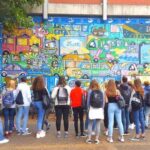
The tour starts outside Goethe Apotheke, which makes the beginning easy to find once you’ve got the exact spot from your host message. Plan to arrive a few minutes early so you can meet the guide and get your bearings.
You’ll also be asked to show your ticket at the start. That’s simple, but it’s worth having it ready on your phone or device so you don’t fumble in front of the pharmacy like an extra in a comedy.
One more practical point: there can be small deviations in the meeting point and timing. The host asks you to provide your mobile number so they can reach you if there’s any adjustment. It’s the kind of small detail that saves time later, especially if you’re arriving from another part of Cologne.
Finally, bring a plan for comfort. This is 90 minutes of walking, so wear shoes that handle pavement and curb edges. Your feet are part of the experience here.
A 90-Minute Walking Plan That Moves With the Art
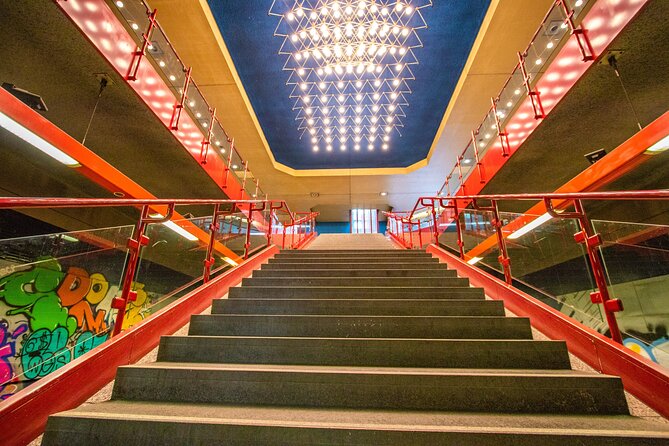
This tour is designed to fit into a tight window: 90 minutes. That matters because street art isn’t like a cathedral where you can spend an hour staring at one façade. In Ehrenfeld, you’re changing scenes often, and your job is to connect each wall to what the guide is explaining.
You’ll generally walk through a sequence of street-art stops where the guide points out:
- how different styles show up in different places
- how graffiti, murals, and paste-ups each create a different kind of message
- how artists build recognizable signatures over time
Because the itinerary can shift with the group’s wishes and the walking pace, you’ll notice the tour isn’t rigid. If you’re the type who asks lots of questions, you’ll likely get room to slow down at the walls that catch your attention. If you prefer a smooth flow, you’ll still cover the main targets.
And on the practical side, walking tours like this are also weather-aware. If it’s unpleasant outside, expect the route to be adjusted so you’re not stuck in the elements longer than necessary.
Graffiti, Murals, and Paste-Ups: What You’ll Actually Learn to See
This is where the tour earns its value. Street art looks random until someone teaches you what to look for, and this walk gives you that quick foundation.
Here’s what you’ll come away with an easier time recognizing:
Graffiti
Graffiti can include tags and more developed pieces. The guide helps you notice the visual choices artists make, like line quality, color use, and how text and characters function as identity.
Murals
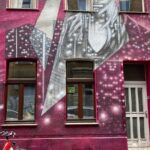
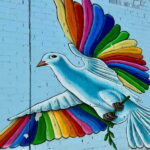
Murals are often bigger and more image-driven. You’ll learn why they tend to attract attention and why they can carry deeper narrative weight, especially when they connect to public memory and politics.
Paste-ups
Paste-ups are another form of street art, often tied to quick installation and strong visual messaging. Even if you’ve seen posters on streets before, you’ll get a better sense of why paste-ups are a useful tool for artists.
The key is that you’re not just learning art terms. You’re learning interpretation. That’s what turns the neighborhood from “a lot of walls” into a map of ideas.
The Nazi-Era Resistance Mural: Art With Real Moral Weight
One stop hits hard: a mural honoring non-conformists who resisted the Nazis. It’s the kind of piece that changes how you see everything around it. Suddenly, the neighborhood’s street art doesn’t feel like decoration. It feels like public storytelling with consequences.
The guide frames it in a way that helps you connect the artwork to the people and the message behind it. You’ll also notice the difference between art that’s mainly expressive and art that’s meant to preserve memory. That contrast is educational even if you’re not usually into political history.
For me, this is the most important part of the experience because it prevents the tour from becoming only aesthetic sightseeing. You leave with empathy, not just impressions.


Spotting the Artists: ROA, Herakut, Faith47, INTI, Tika, and M-City
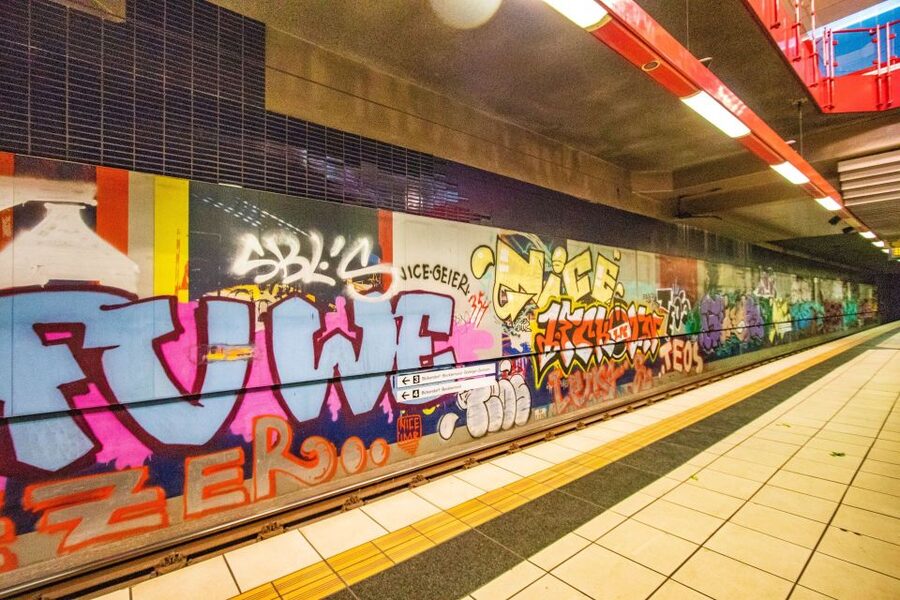
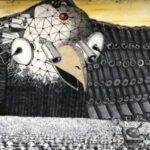
A big part of this walk is artist recognition. You’ll see works by names including ROA, Herakut, Faith47, INTI, Tika, and M-City. Even if you don’t know these artists today, the guide makes it practical, like learning how to read a new visual language.
Why this matters: once you learn a few signature traits, you start seeing street art differently around the rest of the city. You’ll likely begin noticing how artists repeat motifs, adapt styles across works, and use location as part of the message.
One of the strongest takeaways from recent feedback is that the guide’s explanations genuinely increase your street-art “brain bandwidth.” A German review specifically mentions Dieter’s street-art insight as the thing that made the guide’s art scene make sense and sparked a desire to learn more. That tracks with what you want from a local: not just pointing at walls, but giving you tools to understand them.
So when you see a piece and think, Okay, I get what that style is doing, you’ll feel it click quickly.
CityLeaks Urban Art Festival: Following the Scene Beyond the Walk
Another thing the tour covers is the CityLeaks Urban Art Festival angle. You’ll connect the Ehrenfeld street-art landscape with the broader festival energy, which helps explain why certain works appear, gain visibility, and sometimes become part of a larger cultural moment.
Even if you don’t attend the festival itself, this context helps you understand what street artists are doing in a city where art events and exhibitions are already part of the cultural mix. Cologne is known for plenty of museums and galleries, and street art isn’t isolated from that world. It’s more like a parallel track where creativity can move faster and speak in a different voice.
This is especially valuable if you’re the kind of traveler who wants to do more than tick a box. You’ll leave with ideas for where to look next: more festivals, more artist work, and more walls worth reading.
Ending at Café Goldmund: A Good Finish Near the Train
You’ll end at Café Goldmund, which is a smart choice. It’s close to Cologne-Ehrenfeld railway station, so it’s easy to continue your day without planning a long detour. Think of it as a soft landing after the walk: you can grab coffee, refuel, and process what you just saw.
Café Goldmund also fits the tour’s tone. It’s described as a haven for literature and coffee lovers, which makes it a natural place to slow down. When you’re looking at street art, it’s easy to move fast. The café gives you a chance to pause and let the messages stick.
If you want a practical move after the tour, use this time to plan your next stop in Cologne while your new street-art awareness is fresh. You’ll spot more details as you walk away from Ehrenfeld.
Price and Value: Is $152 for 90 Minutes Worth It?
Let’s talk value honestly. At $152 per person for 90 minutes, you’re paying for more than walking time. You’re paying for a local guide who can connect street art to stories, artists, and context, and you’re paying for the convenience of having the right neighborhood focus.
Street art tours can feel hit-or-miss when the guide only points and says, Cool painting. This one stands out because it targets understanding: you learn how different formats work and you see specific recognized artists along with a historically significant mural tied to resistance. That combination makes the price easier to justify.
You also get a small-group vibe: private or small groups are available. That matters because street art is visual and detailed. In a larger group, it’s harder to ask questions and get your questions answered without losing the whole flow.
If you love art but struggle to interpret what you’re seeing, this price makes sense. If you already know street art inside out and you’re mainly chasing photo spots, you might find it a bit pricey for what is still a short walk.
Who This Tour Fits Best (and Who Might Skip It)
You’ll like this tour if you’re a traveler who:
- wants street art with meaning, not just images
- enjoys learning from a local guide who can explain techniques and stories
- likes neighborhoods and walking rather than waiting for museum entrances
It may not be your best match if you:
- dislike political subject matter, since the walk includes a Nazi-era resistance memorial
- want a long, seated program with lots of static information
- expect a very slow pace and lots of time at one single landmark
As long as you’re comfortable walking for 90 minutes and you’re open to both creative and historical art, this is a strong fit.
Should You Book the Ehrenfeld Street-Art Discovery?
I’d book it if you want the fastest way to start reading Cologne street art like an insider. The pairing of Ehrenfeld’s art-filled streets with specific artists and a memorable Nazi-era resistance mural is exactly the kind of mix that turns a short tour into a real learning experience.
The “value check” is simple: you’re paying for guided interpretation, not just a route. If you enjoy street art enough to ask questions and notice details, this will feel worth it. If your goal is purely photos and you already know what you’re looking at, consider whether the price matches your goals.
Either way, if you can manage a comfortable walk and you’re ready for stories behind the walls, this one is a solid choice.
FAQ
Where is the meeting point?
Meet your guide in front of Goethe Apotheke to start the Street Art Discovery.
How long is the tour?
The experience lasts 90 minutes.
What languages are the live guides?
The tour is offered with a live guide in English and German.
Is this a private or small-group tour?
Private or small groups are available.
What types of street art will we see?
You’ll see street art in multiple forms, including graffiti, murals, and paste-ups.
Which artists’ work does the tour include?
The walk includes works by artists such as ROA, Herakut, Faith47, INTI, Tika, and M-City.
Where does the tour end?
The walk concludes at Café Goldmund near Cologne-Ehrenfeld railway station.