REVIEW · COLOGNE
Cologne: Street Art Walking Tour in the Ehrenfeld District
Book on GetYourGuide →Operated by Echt Köln · Bookable on GetYourGuide
Street art in Cologne is a moving target. This 2-hour Ehrenfeld walking tour stays focused on the messages behind the art and the people who made the area what it is today. I like the local guide storytelling most, especially the way it turns random walls into readable culture.
Another thing I really like: you’ll pass everyday spots—quirky cafés, unique boutiques, and kabab shops—so the art feels tied to real life, not museum walls. The tone is warm and authentic, and guide Beate is repeatedly praised for exactly that.
One consideration: the tour runs rain or shine, so if you hate wet sidewalks, bring real rain gear and good shoes.
In This Review
- Key takeaways before you go
- Ehrenfeld street art: what you’ll actually see and why it matters
- Meeting in West Ehrenfeld (and why this start point works)
- The guide makes the art readable, especially with Beate
- What the murals and tags teach you as you walk
- Ehrenfeld’s story: from three farms to a street-artist magnet
- Cafés, boutiques, kebab shops, and the everyday scene
- Post-industrial Cologne: why the neighborhood vibe is part of the show
- Walking time, pace, and what to bring
- What you get for $21: value that comes from a guide, not a checklist
- Language note: German guide, and how to handle it
- Where the tour ends and how to keep the day going
- Who this tour suits best (and who might want something else)
- Should you book the Cologne Ehrenfeld street art tour?
- FAQ
- How long is the Cologne Ehrenfeld Street Art Walking Tour?
- Where does the tour meet?
- Where does the tour end?
- What is included in the price?
- Is transportation included?
- What is the price per person?
- What language is the tour guide?
- Does the tour run in bad weather?
- Can I cancel, and how far in advance?
- Are there any starting times?
Key takeaways before you go
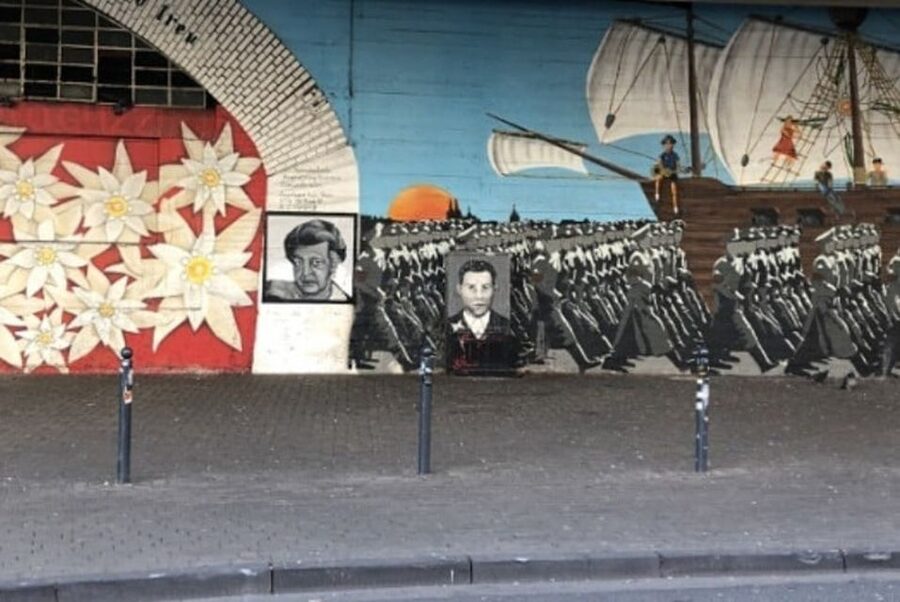
- Meet your guide in West Ehrenfeld near Stadtische-Badeanstalt Neptunebad and start walking right away
- Learn the meaning behind murals and small tags, not just what the artwork looks like
- See how Ehrenfeld changed from farming land to a street-artist mecca
- Walk through a multicultural “hip” neighborhood with clubs and everyday stops like kebab shops and boutiques
- End at Bürger Zentrum Ehrenfeld, so your route has a clear finish point
Ehrenfeld street art: what you’ll actually see and why it matters

Cologne’s Ehrenfeld district is where street art isn’t just decoration. It’s part of how people talk—about identity, politics, humor, and whatever’s on their mind this week. And because street art changes constantly, this tour is less about one “must-see mural” and more about learning how to read a neighborhood.
You’ll be guided through places with everything from larger-than-life murals to smaller tags. You won’t just look and move on. You’ll hear the stories behind pieces, which makes the art click fast. That is the whole point: turning a visual scavenger hunt into something you understand.
This is also a neighborhood walk, not a staging area. You’ll pass cafés, boutiques, kabab shops, and post-industrial clubs, so the art sits inside normal streets and normal routines. That context makes the experience more useful, even after the tour ends.
You can also read our reviews of more walking tours in Cologne

Meeting in West Ehrenfeld (and why this start point works)

The tour meets outside the Stadtische-Badeanstalt Neptunebad building. Starting here in West Ehrenfeld matters because it keeps you in the right mood from minute one: local streets, not tourist bottlenecks.
In practical terms, it also gives you an easy way to orient yourself. Once you’re walking, you’ll see that Ehrenfeld’s street art isn’t confined to one wall or one square. It spreads across buildings and corners, so the guide’s route plan is what helps you catch the pattern.
Bring the basics: a small bottle of water, and shoes you trust. Street art is often at building height or on uneven surfaces, and you’ll want to keep moving without constantly adjusting your balance.
The guide makes the art readable, especially with Beate
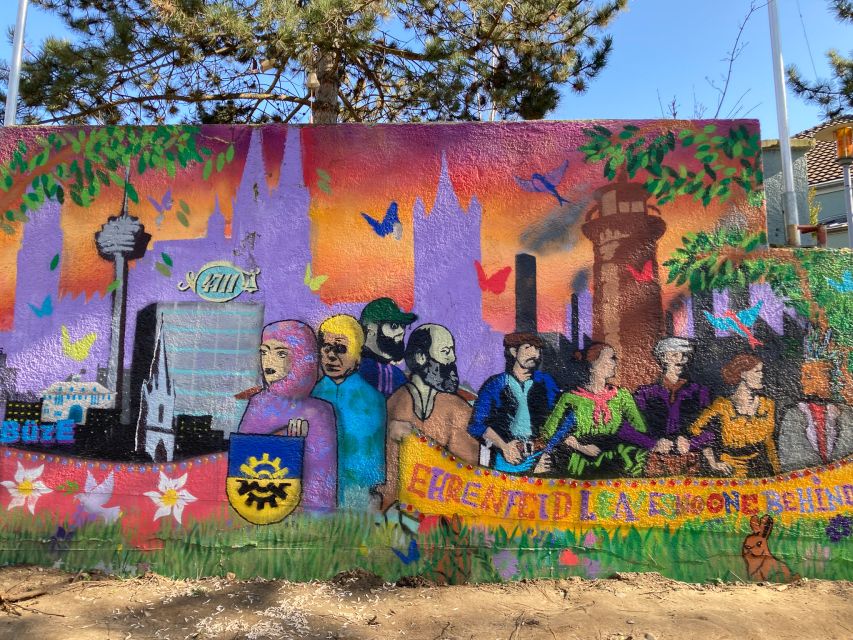
One of the strongest signals from the feedback is how much people liked the guide. Beate is singled out for explaining both history and the artists behind the work, and for doing it in a way that feels genuinely Köln.
That matters because street art can be easy to dismiss if you only see style. When you get the meaning, you start noticing details—symbols, recurring themes, even the tone behind the paint. Then the neighborhood becomes a kind of open-air conversation.
The same applies to how she teaches. Reviews describe her as heartfelt and authentic, and one mentions she showed thoughtful care for a wheelchair user. That kind of care signals a guide who pays attention to the group, not just the route.
What the murals and tags teach you as you walk
You’ll see a mix of big pieces and smaller marks. The big murals grab your eyes, but the tags are often where the pace of the district shows up. Smaller works can feel like quick messages—things people add, replace, react to, or leave behind as the scene evolves.
The guide talks about the messages behind the artwork, and that’s the real value of the tour. Without the explanations, it’s easy to treat street art like random graffiti. With them, you start to spot what the artist is aiming for and how the community receives it.
You’ll also learn to notice where art is placed and how it relates to its surroundings. A piece on a plain wall can feel different from one beside a busy storefront. The neighborhood context changes the impact, and the tour helps you see that.
Ehrenfeld’s story: from three farms to a street-artist magnet
Part of the walk is built around how Ehrenfeld developed over time. You’ll hear that around 200 years ago, the area consisted of three farms, which is a surprisingly grounded starting point for a district now known for art on walls.
That kind of context helps you understand why street art has room to grow there. When an area shifts from agricultural roots to industry and then into a more cultural scene, the physical environment changes, and so do the stories people feel comfortable telling on public surfaces.
You’ll also hear how the neighborhood flourished and became a mecca for street artists. Again, the tour isn’t trying to turn you into a historian. It’s giving you just enough background so the art feels connected to real change—rather than random decoration.
A few more Cologne tours and experiences worth a look



Cafés, boutiques, kebab shops, and the everyday scene
I love that the tour doesn’t feel like it’s avoiding everyday life. You’ll walk past quirky cafés, unique boutiques, and kabab shops along the way, plus post-industrial clubs in the mix.
This is where the tour becomes more than sightseeing. Street art thrives where people actually gather and move through the neighborhood. Seeing those everyday spots helps you understand why the art is constantly updated and why artists keep showing up.
If you’re the type who likes to photograph street corners, this walk gives you plenty of material. But it’s also practical: you’ll end up with a better sense of where to grab food or keep exploring on your own afterward.
Post-industrial Cologne: why the neighborhood vibe is part of the show
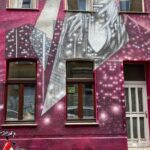
Ehrenfeld has that in-between feel—part lived-in streets, part art scene, part industrial leftovers turned creative space. You’ll pass buildings with vivid murals and also spots that hint at the district’s older character.
The guide ties that vibe to what you’re seeing. That connection is useful because it prevents the walk from becoming a simple list of pictures. Instead, it becomes a story about how a place changes.
If you like urban travel—walking, people-watching, and reading a city like a diary—this works really well. It also helps if you’re curious about multicultural neighborhoods and how that shows up in public expression.
Walking time, pace, and what to bring
The tour runs for 2 hours. That length is ideal for street art because it gives the guide time to explain meaning while you still have energy to keep looking closely.
Because this is a walking tour, pace matters. You’ll want to keep your attention on the guide, since the most important details are the “what it means” parts, not just the visuals. Bring a light layer if you’re going in cooler months, and pack a hood or compact rain jacket if the weather looks questionable.
It’s rain or shine, so plan for the wet. Street art doesn’t stop being interesting just because the pavement gets slick.
What you get for $21: value that comes from a guide, not a checklist
At $21 per person for a 2-hour guided walking tour, this is priced like a smart local experience. The key detail is what’s included: you get a guide and the walking tour itself.
Transportation isn’t included, but that’s normal for a neighborhood walk. The real “cost” here is your time—2 hours—plus your comfort on the sidewalk. In return, you get explanations of messages behind both large murals and small tags, and you get the neighborhood development story that helps you interpret what you see.
That’s how this price turns into value. You’re not paying for someone to point at walls. You’re paying for context that makes the walk stick with you.
Language note: German guide, and how to handle it
The live tour guide speaks German. If you’re comfortable with basic German or you’ve got a translation app, you’ll still be able to follow a lot visually, especially when the tour is about murals and tags.
But the heart of the experience is the guide’s explanations, so language matters. If German isn’t your strength, I’d consider whether you want to spend time doing meaning-based listening versus just photographing walls.
One nice thing: the reviews praise how clearly the guide communicates history and artists. That suggests the storytelling style is engaging, even if you only catch parts.
Where the tour ends and how to keep the day going
The tour finishes outside the Bürger Zentrum Ehrenfeld building. Having a set ending point is helpful, because you can plan what comes next without guessing where you’ll pop out.
After the walk, you’ll be in a neighborhood that makes sense to keep exploring on foot. You’ll have seen enough cafés, shops, and street textures to know which streets you want to revisit.
If you still have energy, use what you learned about reading street art to spot new details around you. In Ehrenfeld, that skill is almost the souvenir.
Who this tour suits best (and who might want something else)
This tour is a great fit if you want street art with meaning. You’ll like it if you enjoy walking and learning how a neighborhood became what it is now, not just collecting photos.
It also suits people who like authentic local energy. The repeated praise for Beate—her authentic Köln style and her ability to make artists and art feel alive—points to a tour with personality, not a scripted lecture.
If you’re looking for a strict “top 10 famous murals only” format, this might feel broader, because street art in Ehrenfeld includes both big statements and small tags. And if you strongly dislike walking in bad weather, the rain-or-shine format is something to factor in.
Should you book the Cologne Ehrenfeld street art tour?
Yes—if you want street art explained by someone who genuinely knows the district. This isn’t only about seeing colorful walls; it’s about learning how to read the messages, and why Ehrenfeld became such a strong street-artist neighborhood.
The best reason to book is the guide quality. Beate is repeatedly praised for heartfelt, authentic storytelling and for explaining history and artists in a way that changes how you walk through Ehrenfeld afterward. Pair that with the $21 price and the 2-hour length, and you get a solid, low-commitment experience that feels more “local” than “touristy.”
FAQ
How long is the Cologne Ehrenfeld Street Art Walking Tour?
The tour lasts 2 hours.
Where does the tour meet?
Meet your Echt Köln guide outside the Stadtische-Badeanstalt Neptunebad building.
Where does the tour end?
The tour ends outside the Bürger Zentrum Ehrenfeld building.
What is included in the price?
Included: a guide and the walking tour.
Is transportation included?
No, transportation is not included.
What is the price per person?
The price is $21 per person.
What language is the tour guide?
The live tour guide speaks German.
Does the tour run in bad weather?
Yes, it runs rain or shine.
Can I cancel, and how far in advance?
You can cancel up to 24 hours in advance for a full refund.
Are there any starting times?
The duration is 2 hours, and you can check availability to see starting times.