REVIEW · FLORENCE
Florence: Accademia Gallery tour with Skip-the-line access
Book on GetYourGuide →Operated by Tourismotion · Bookable on GetYourGuide
The David is the reason to come. This skip-the-line Accademia Gallery tour gets you inside faster, and it’s led by an expert Spanish-speaking licensed guide who puts Michelangelo’s work in Florence’s context. In about 69 minutes, you’ll move from the famous sculpture to other major sights without turning your afternoon into a waiting game.
I like this setup because it keeps the focus where it should be: the art, the stories, and what you can actually notice in the room. My only caution is that you still have to go through a security check, and if there’s any check-in mix-up at the meeting point, the start can feel a bit stressful—especially if it’s raining.
Do plan ahead: arrive about 10 minutes early at the meeting point near the San Marco Museum entrance. If you do that, you’re set up for a smooth, guided hour-plus around one of Florence’s most important collections.
In This Review
- Key things to know before you go
- Accademia Gallery: why this tour is so effective in Florence
- Piazza San Marco meeting point and getting through security fast
- The pacing: how the 69 minutes actually feel
- Michelangelo’s David: what the guide helps you see beyond the photo
- The Prisoners: unfinished sculpture and the reality of making art
- Renaissance paintings, Gothic altarpieces, and even musical instruments
- Audio headsets: small detail, big comfort in crowded rooms
- What to wear and what not to bring (so the screening goes smoothly)
- Value check: is $62 worth it for a 69-minute Accademia tour?
- Should you book this Accademia Gallery skip-the-line tour?
- FAQ
- Where is the meeting point for the Accademia tour?
- How early should I arrive at the meeting point?
- How long is the tour?
- Is the tour guide English-speaking or Spanish-speaking?
- Does the tour include skip-the-line tickets for the Accademia Gallery?
- Do we get headphones?
- What items are not allowed inside the gallery?
- Is this tour suitable for wheelchair users?
- How much does the tour cost?
Key things to know before you go
- Skip-the-line tickets help you get past one of the biggest time traps in Florence.
- Michelangelo’s David is the anchor stop, with creation and symbolism explained.
- The unfinished Prisoners give you a rare look at Michelangelo’s thinking mid-process.
- Spanish licensed guide plus audio headsets for larger groups keeps the narration clear.
- More than one masterwork: Renaissance paintings, Gothic altarpieces, and historic musical instruments.
- Security screening is mandatory, so wear comfortable shoes and avoid anything sharp.
Accademia Gallery: why this tour is so effective in Florence
Florence can feel like one long line—sometimes the line is outside the museum, sometimes it’s for your next train, sometimes it’s just for the right moment to see a masterpiece. This tour is built to cut that friction. With skip-the-line tickets, you’re not stuck watching other people’s vacation photos while you wait your turn.
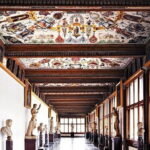
The real payoff is that the Accademia is not just one statue. Yes, Michelangelo’s David is the headline, but the museum also has a dense concentration of Renaissance works, including other sculpture by Michelangelo, plus paintings and even historic musical instruments. A guided format matters here because the museum’s highlights are spread out, and it’s easy to miss what connects them if you’re flying solo.
If you’re a first-time visitor, this is one of the smartest ways to get the “why” behind the famous images. If you’re an art fan, it’s a practical way to see a lot of key works in a set time without bouncing around.
You can also read our reviews of more museum experiences in Florence

Piazza San Marco meeting point and getting through security fast
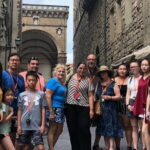
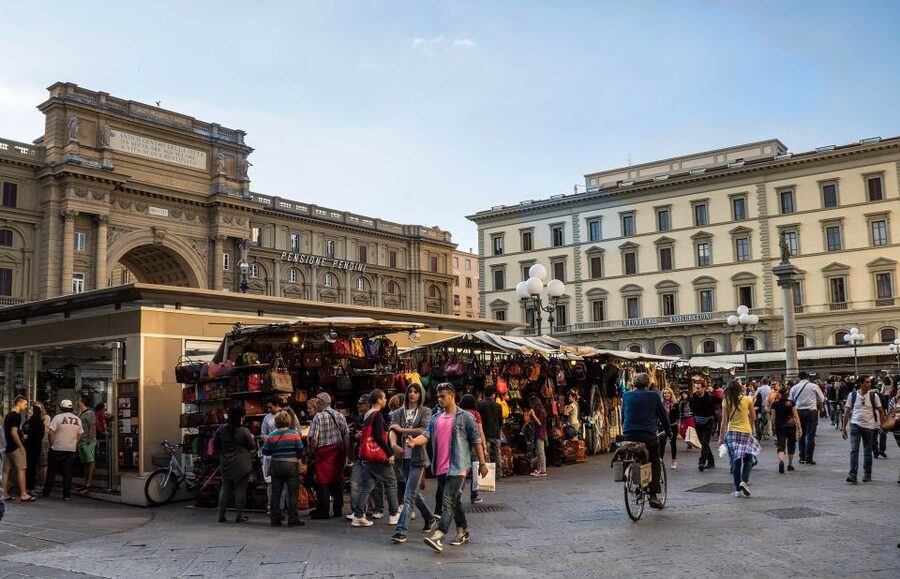
Your guide meets you at Piazza San Marco, 3, by the San Marco Museum entrance, near the San Marco statue. A team member holds a sign that says Tourismotion. The key practical tip: arrive at least 10 minutes early. That buffer matters because you’ll still go through a security check when entering the gallery—more like airport screening than a quick pat-down.
This is also where you can save yourself stress. Don’t roll in at the last minute hoping everything will be fine. Even with skip-the-line tickets, security can add time because it’s a separate process from ticket scanning. In other words, you can skip the ticket line, but you still can’t skip the rules that keep the building safe.
One more thing to keep in mind: check-in sometimes doesn’t go perfectly. A past group described a tense moment when they weren’t properly registered at the meeting point, and it took a little time to sort out. You can reduce the odds of any awkward delay by arriving early and making sure your name matches what you booked.
The pacing: how the 69 minutes actually feel
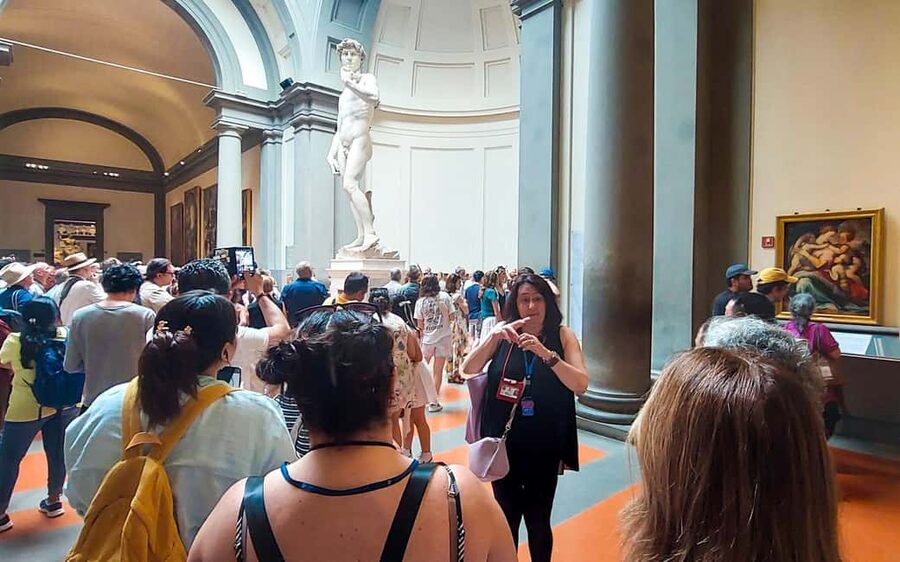
This tour runs about 69 minutes. The structure is simple: you spend around 20 minutes with Michelangelo’s David, then you move through additional galleries to see other major works. That timing is useful because it prevents the classic museum problem: spending too long staring at one thing and then rushing through the rest while your brain is already tired.
The order also makes sense. David is the best starting point because it sets a visual and emotional baseline. Once you’ve seen it, the unfinished figures and other works make more sense—especially when your guide explains the creative intent and the symbolism.
What you’ll likely notice as you go is how the narration changes your attention. Without guidance, it’s easy to treat the David like a single photo spot. With guidance, you start seeing it as a crafted work with choices—material, pose, expression, and meaning—all part of a bigger conversation happening in Renaissance Florence.
Michelangelo’s David: what the guide helps you see beyond the photo
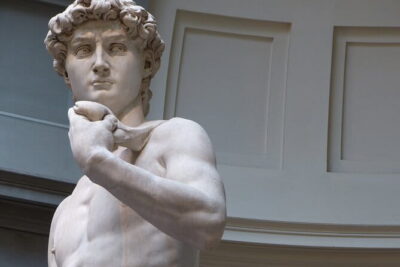
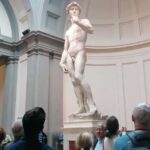
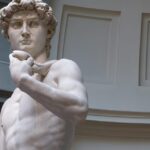
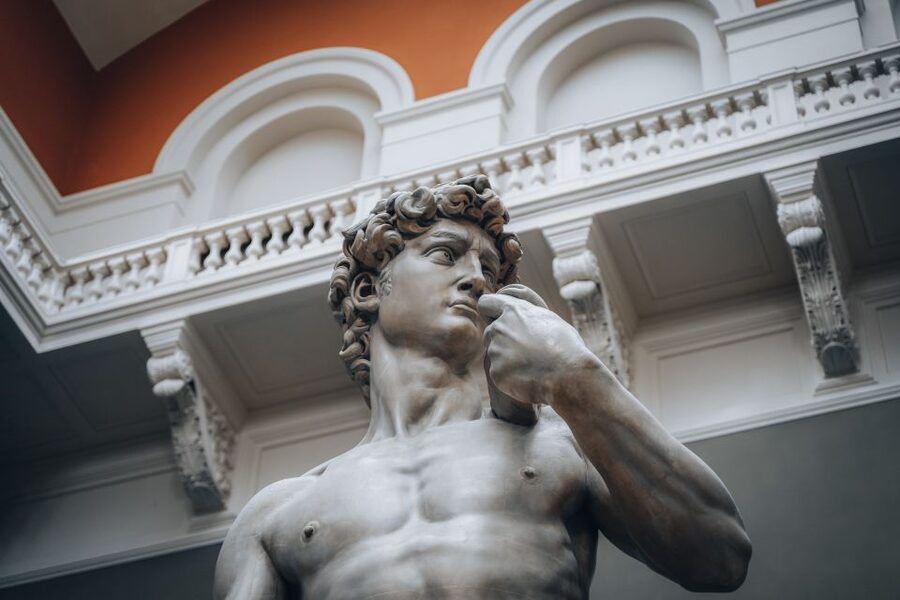
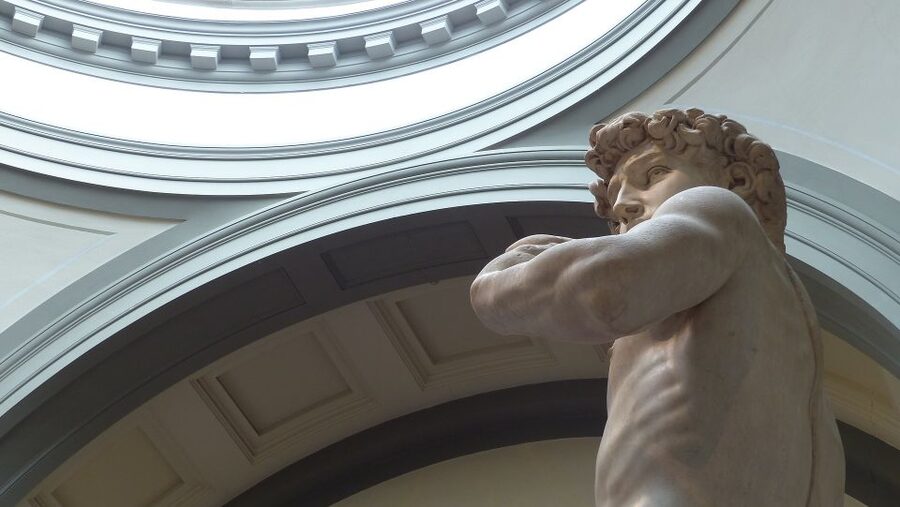
Michelangelo’s David is carved from a single block of marble, made between 1501 and 1504, and it stands over 5 meters tall. Those facts are impressive, but the tour’s value is in how your guide connects the physical work to what it meant at the time.
Your guide will walk you through:
- the dramatic creation story
- the sculpture’s symbolism for Florence
- why this David reads as strength and a message of freedom
This is where a guided visit becomes more than a museum pass. The David isn’t just a famous object—it’s a public statement. When you hear the idea described as something like a guardian of Florence, the emotion of the figure clicks into focus. You stop thinking of it as a decorative statue and start thinking of it as communication in stone.
Also, David is visually “loud.” Even if you know it already, seeing it in person can still hit you hard because the scale is real and the details are sharper than your screen ever shows. With a guide in the mix, you’re less likely to miss the small cues that change how the figure reads—especially when you compare it later to the unfinished Prisoners.
The Prisoners: unfinished sculpture and the reality of making art
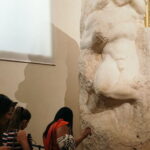
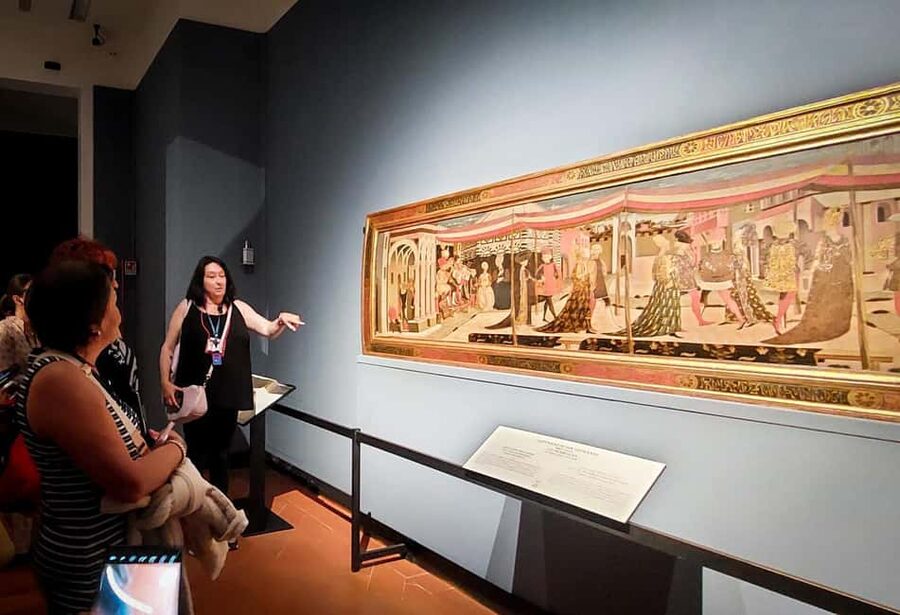
After David, the tour turns to Michelangelo’s unfinished Prisoners. These sculptures are powerful for a reason that’s hard to communicate on a postcard: the figures look like they’re being revealed from stone rather than simply finished and displayed.
Your guide frames them as an inside look at Michelangelo’s process—an intimate view of how the artist worked when the work wasn’t complete. The explanation you get focuses on the tension between human will and the limits of the material. That interpretation is more than a poetic line. It helps you read the roughness and the unfinished edges as part of the artistic message, not as lack.
This stop also gives you a useful contrast. David is the fully formed icon. The Prisoners remind you that great art isn’t magic and polish—it’s struggle, decisions, and time spent wrestling with what the material allows.
If you like art because it’s about craft, this is one of the stops that feels most “real.” If you only like it for aesthetics, it still works, because you get to see how expression survives even in unfinished form.
A few more Florence tours and experiences worth a look
Renaissance paintings, Gothic altarpieces, and even musical instruments
Once you move beyond the Michelangelo highlights, you’ll encounter more of what makes the Accademia feel like a complete collection instead of a one-statue museum.
Expect your guide to point out:
- Renaissance paintings
- Gothic altarpieces
- a display of historic musical instruments
The inclusion of musical instruments is a sneaky bonus. Even if you’re not thinking about music when you buy an art ticket, instruments connect art to everyday culture—sound, ceremony, and courtly life. It broadens your visit from one master sculptor’s legacy to a fuller picture of the artistic world that surrounded him.
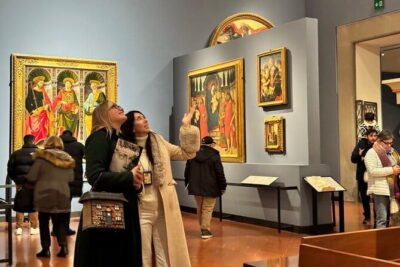
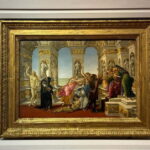
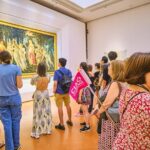
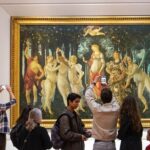
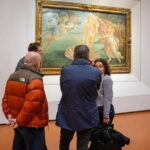
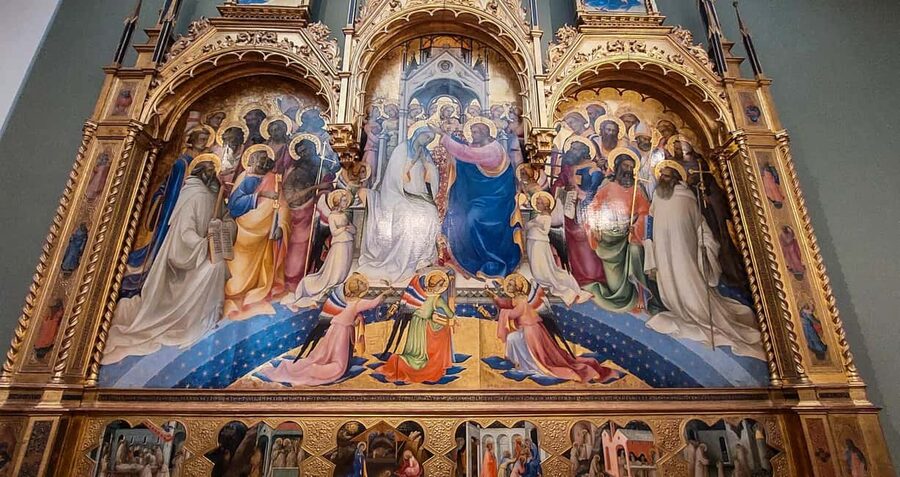
The paintings and altarpieces add another layer: they show how different styles and religious themes shaped what people valued in different eras. With a guide explaining the connections, you’re less likely to treat these as random side rooms and more likely to notice how the museum reflects changing tastes and beliefs.
Audio headsets: small detail, big comfort in crowded rooms
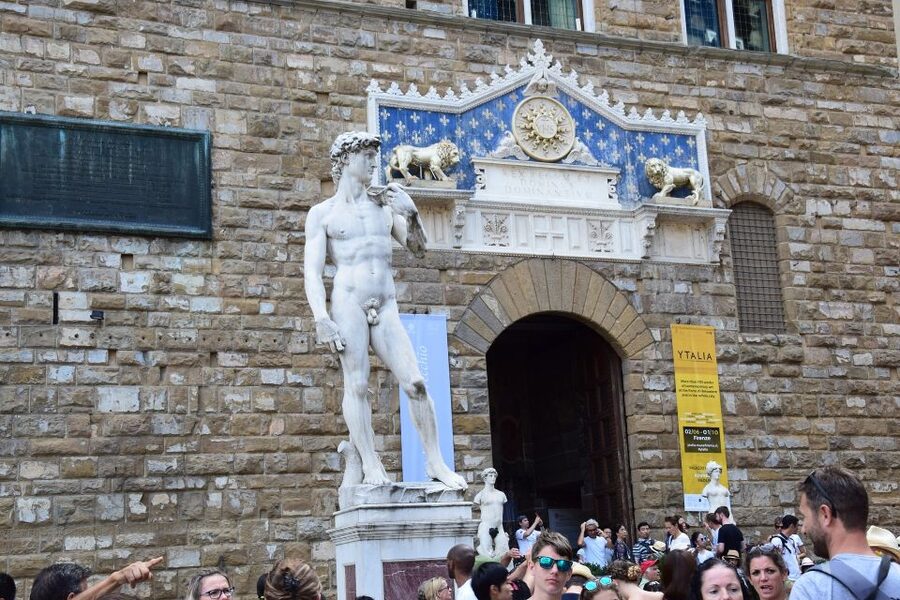
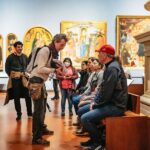
The tour provides headphones for groups of more than 9 people. That matters more than you might think. The Accademia can get busy, and museum sound doesn’t carry well in stone halls. When you can clearly hear the guide without craning your neck or moving closer every few seconds, you get to stay focused on the artwork.
Even if you don’t consider yourself a “headphones person,” this can be a relief. It helps you keep your pace without losing the thread of the explanation. You’ll also likely spend less time repositioning yourself for visibility, which makes the 69 minutes feel more controlled and less chaotic.
What to wear and what not to bring (so the screening goes smoothly)
This is one of those tours where your prep directly affects your stress level.
Bring:
- Comfortable shoes (you’ll be on your feet during the guided route)
Avoid:
- Food and drinks
- Glass objects
- sharp or dangerous items (since security is part of entry)
And keep the mood practical. No one wants to be stuck sorting through a bag on a security line while everyone behind you waits. If you travel with a tiny bottle of something or you packed a glass souvenir for later, leave it at the hotel. Think of this as a quick, controlled museum entry—not a shopping trip.
Also note: this tour is not suitable for wheelchair users. If mobility is an issue, you’ll want to look for an alternative format that’s explicitly built for accessibility.
Value check: is $62 worth it for a 69-minute Accademia tour?
At $62 per person, you’re paying for three things that are hard to replicate perfectly on your own: skip-the-line entry, a licensed guide in Spanish, and a structured route that hits David plus additional highlights within a fixed timeframe.
Here’s how I’d judge the value.
You’re getting good value if:
- you’re short on time in Florence and want the best hits efficiently
- you prefer learning with a guide instead of piecing things together from apps
- you want context for David and the Prisoners, not just the ability to take photos
- you’re specifically comfortable using Spanish for the tour
It may feel less worth it if:
- you have lots of time and don’t mind waiting at the museum
- you only want to see David and nothing else
- you’re comfortable self-guided using signage and your own research
For most people, $62 is a fair price for a timed, guided, skip-the-line entry when the museum itself is a time-heavy stop. The key is that the tour tries to convert that time into meaning, not just motion.
Should you book this Accademia Gallery skip-the-line tour?
Yes—if you want the most efficient path to Florence’s Michelangelo highlights with a guide who explains what you’re looking at. The combination of David + Prisoners + additional collections in about 69 minutes is exactly the kind of “time-smart” sightseeing that makes a day in Florence easier to enjoy.
I’d book it especially if you:
- want to avoid ticket delays
- are comfortable with Spanish-led guidance
- want more than one famous statue on your visit
Skip it (or look for another option) if:
- you use a wheelchair and need an accessible tour format
- you’re only interested in one stop and don’t care about the surrounding collection
- you’re the type who enjoys museum wandering at your own pace with no schedule
If you show up on time for the Piazza San Marco meeting point and accept that security check is part of the deal, you’ll likely leave feeling like you truly understood what you saw.
FAQ
Where is the meeting point for the Accademia tour?
The guide meets you in front of the San Marco Museum entrance, near the San Marco statue, at Piazza San Marco, 3, 50121 Firenze FI, Italy. A team member will be holding a sign that says Tourismotion.
How early should I arrive at the meeting point?
Arrive at least 10 minutes before the tour start time so you have time to find your group and go through any entry steps smoothly.
How long is the tour?
The tour lasts about 69 minutes.
Is the tour guide English-speaking or Spanish-speaking?
The live tour guide speaks Spanish.
Does the tour include skip-the-line tickets for the Accademia Gallery?
Yes. You get skip-the-line access with tickets included.
Do we get headphones?
Headphones are provided for groups of more than 9 people.
What items are not allowed inside the gallery?
Food and drinks are not allowed, and you also should not bring glass objects. The security screening may also prohibit sharp or dangerous objects.
Is this tour suitable for wheelchair users?
No, it is not suitable for wheelchair users.
How much does the tour cost?
The price is $62 per person.