REVIEW · FLORENCE
Florence: Accademia entry tickets + optional audio guide
Book on Viator →Operated by Italy Pass tours · Bookable on Viator
The David line in Florence can be brutal. This skip-the-line Accademia Gallery entry helps you bypass the worst queue and head straight into one of Italy’s most famous art stops. I especially like the self-guided setup, which lets you spend your time where your eyes want to go, with an English audio option if you choose it.
You’ll come face-to-face with Michelangelo’s iconic David plus major Renaissance paintings, and you also get access to musical-instrument treasures like an original Stradivarius violin. One key consideration: the experience depends on getting your ticket from the right pickup contact first, and that meeting spot can be hard to spot when the area is crowded.
In This Review
- Key highlights to know before you go
- Florence Accademia Skip-the-Line: Why this museum feels different with a pass
- What’s included (and what you should double-check) before you commit
- Getting the right ticket: the pickup moment that makes or breaks the day
- Entering the Accademia: what the first rooms do to your expectations
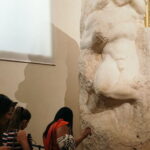
- Michelangelo’s David: the moment you’re really paying for
- Renaissance paintings and Florentine masters: what to hunt for beyond the headline
- Stradivarius violin and rare instruments: the surprise that changes the vibe
- How long to plan: 1 minute to 3 hours is not a joke
- English audio guide: when it helps and when it might not
- Price and value: is $43.25 really worth it?
- Who should book this fast-track Accademia option
- Common issues to watch for on the day
- Should you book Accademia fast-track entry with optional audio?
- FAQ
- Is the admission ticket to the Accademia Gallery included?
- Do I get skip-the-line or fast-track entry?
- Is the audio guide included?
- How long should I plan to spend?
- Where do I pick up my entry ticket?
- Is there free cancellation?
Key highlights to know before you go
- Fast-track entry lets you avoid the ticket office crush and move straight toward museum access
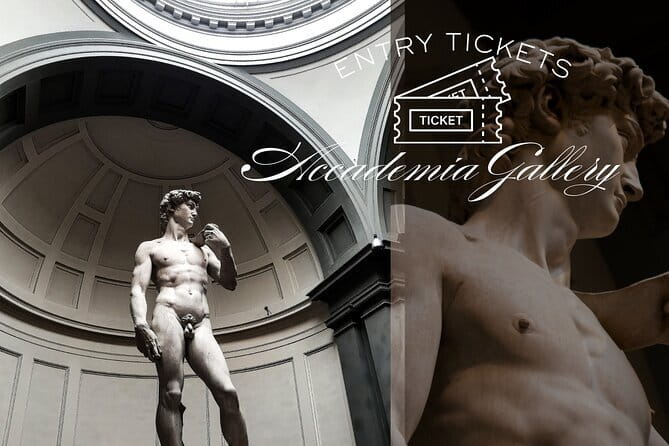
- Michelangelo’s David is the star, and you can see it without burning hours waiting
- Renaissance art across centuries (from early works through the height of the Renaissance)
- Stradivarius violin and rare instruments add a surprising musical twist to the visit
- English support is available, with an optional audio guide you can add during checkout
Florence Accademia Skip-the-Line: Why this museum feels different with a pass
If you’ve ever tried to enter the Accademia Gallery without a plan, you know what happens: you’re stuck watching the line grow, while your Florence hours quietly disappear. This kind of fast-track ticket changes the mood fast. Instead of arriving, guessing which line is the right one, and waiting your turn like you’re at a bus stop, you’re guided to the right next step so you can get inside and start looking.
The payoff is simple. You don’t have to choose between seeing David and having energy for the rest of the day. I like that the museum visit is on your own schedule, so you can linger on the paintings that catch you and skip the stuff that doesn’t.
The one caution I’d keep in mind is timing. In busy periods, even with priority access, immediate entrance might still take a short buffer. So don’t assume this is instant entry no matter what.
A few more Florence tours and experiences worth a look

What’s included (and what you should double-check) before you commit
At a glance, you’re paying for two practical things:
- Admission tickets to the Accademia Gallery
- An audio guide if you select the option (English)
That audio part is worth checking carefully. Several people ran into frustration when the ticket expectation and the actual audio-gadget setup didn’t match. The safest move is to confirm at checkout that the audio option is active for your booking, then keep a copy of your details handy on your phone.
Also, you’re not buying a guided tour here. You’re buying access and flexibility. That means you’ll get the museum at your own pace, not a script-led walk-through.
Getting the right ticket: the pickup moment that makes or breaks the day
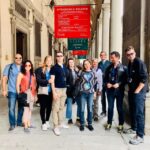
This experience works best when you treat the first step seriously. Your day typically begins by picking up your fast-track admission through a tour company representative, rather than going to the main ticket office inside.
A few practical tips that have saved people time in the real world:
- Look for the representative at the voucher exchange spot near the entrance area, and follow the instructions on your voucher details.
- If you arrive early, that can help. But still give yourself time to find the right place and then transition to the entrance queue.
- If you’re in a crush of bodies, don’t be shy about asking. In at least one instance, staff were identified by name as Ahmed, and asking directly for the voucher exchange process near the entry helped cut through confusion.
One more thing I’d plan for: directions can be vague or easy to misread when you’re standing outside a busy museum. If your app instructions seem to loop or don’t make the pickup clear, your best bet is to stand near the entrance, orient yourself, and ask the staff in the immediate area where the voucher pickup desk is located.
Entering the Accademia: what the first rooms do to your expectations
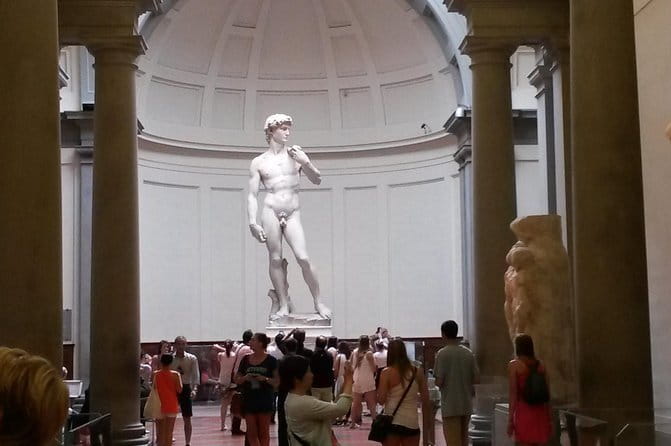
Once you’re in, the museum experience feels like it has a momentum you don’t always get with big-name attractions. You’re not dragged from one room to another. You’re free to choose your route.
The first major impact is the layout and flow: you’re moving from entrance procedures into the galleries that lead you toward the main highlight. For many people, the Accademia becomes a story told with your eyes: first the famous works, then everything around them that gives those works their place in time.
And because you bypass the worst of the ticket office chaos, you can actually enjoy the museum rather than feeling like you’re surviving it.
Michelangelo’s David: the moment you’re really paying for
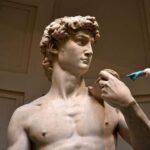
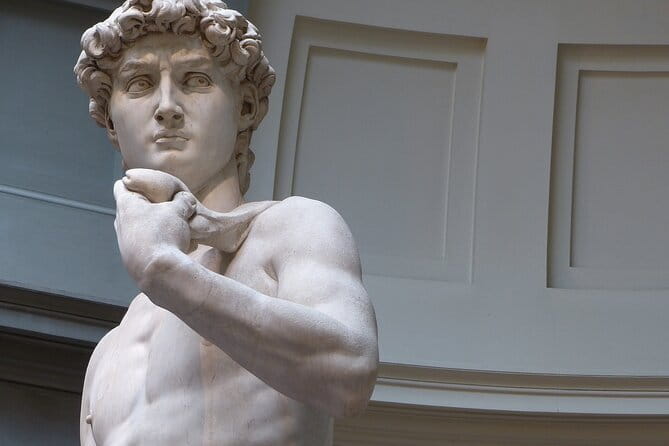
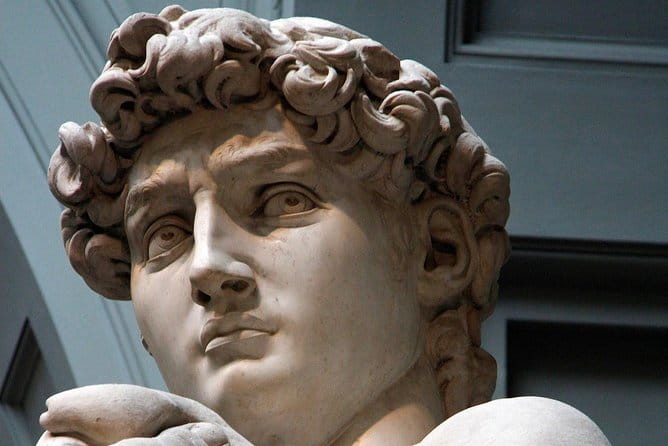
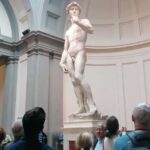
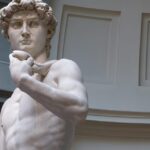
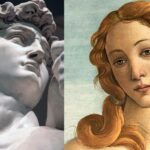
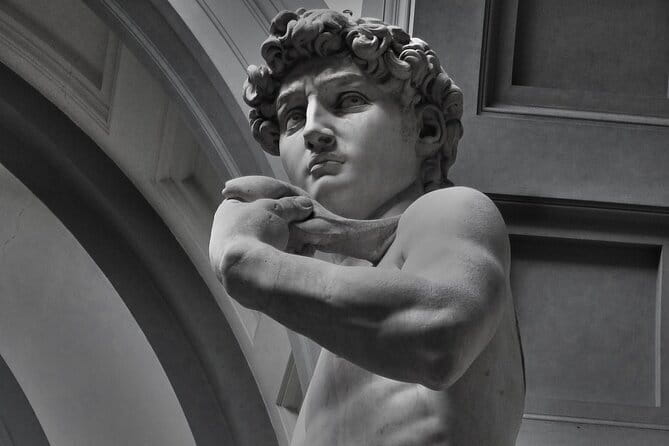
Let’s be honest: the reason most people buy an Accademia ticket is Michelangelo’s David. The statue is where your visit starts emotionally, because even if you’ve seen photos, the real thing has scale, presence, and that slightly unreal feeling of meeting something famous in person.
With skip-the-line access, you reduce the chance that your first encounter with David is paired with fatigue and impatience. Instead, you can come in ready to look properly.
Here’s what I recommend while you’re there:
- Slow down and take in the whole figure before your brain tries to zoom in on details.
- Spend a minute or two checking angles—your view can change as you move.
- If crowds are thick, don’t panic. Wait a short moment for a different sightline rather than trying to force a photo from the densest spot.
The goal is to experience the statue as sculpture, not just a photo background.
You can also read our reviews of more guided tours in Florence
Renaissance paintings and Florentine masters: what to hunt for beyond the headline
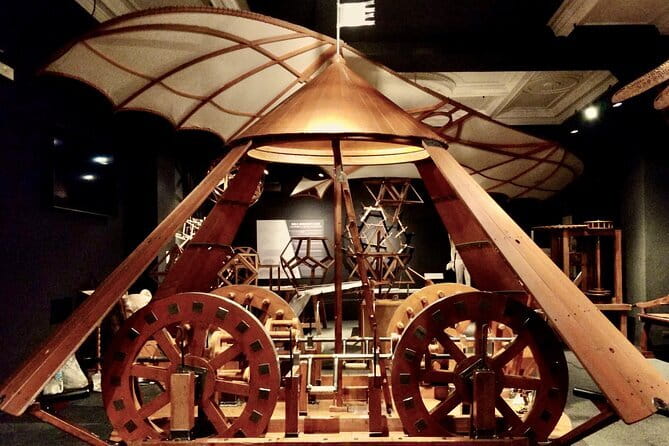
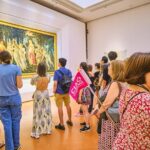
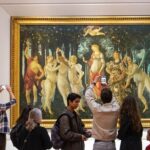
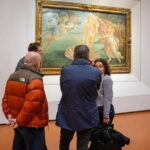
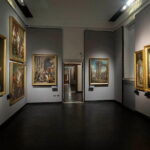
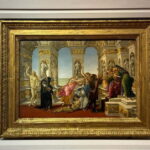
David is the headline, but the museum earns its reputation with the art around it. You’ll see works from the 13th century up through the height of the Renaissance. If you’re the type who enjoys understanding how styles evolve, the Accademia can feel like a time ladder.
Some of the specific names you can expect to see in the collections include:
- Sandro Botticelli
- Domenico Ghirlandaio
- Filippino Lippi
- Paolo Uccello
What I like about this part of the visit is that you can pace it to your taste. If you’re a quick museum walker, you can pick a cluster of rooms and move on. If you like artwork details and captions, you can settle in and make it slower.
The one drawback of a self-guided format is that you have to do a little of the thinking yourself. If you love context, the optional English audio guide can help you connect dots while you walk.
Stradivarius violin and rare instruments: the surprise that changes the vibe

Not every major museum includes a musical-instrument angle, so this is a nice surprise. Among the rarities you can see are instruments tied to famous maker craftsmanship, including an original Stradivarius violin.
Why this matters for your day: it breaks the “only painting and sculpture” pattern and gives you a different kind of awe. It also makes the museum feel more three-dimensional, like it connects to everyday creativity rather than only monumental religious or civic art.
If you’re visiting with someone who isn’t strictly a museum person, this is often the section that brings them back in.
How long to plan: 1 minute to 3 hours is not a joke
This ticket’s duration is listed as roughly 1 minute to 3 hours. That wide range is actually a hint about how the museum works with self-guided time.
Here are realistic ways to plan your visit:
- If David is your only must-see, you might do a tighter route and wrap up sooner.
- If you want paintings plus the instrument displays, give yourself the full window.
- If you’re traveling with kids or anyone who needs more breaks, treat 2 hours as a comfortable target.
My advice: don’t schedule a rigid second stop immediately after. Even with fast-track access, you can hit a moment where you just want to keep looking.
English audio guide: when it helps and when it might not
The optional audio guide can be a good tool if you like your museum with some context. It also gives you flexibility: you can follow along for the rooms that need explanation and then turn it off when you’re simply enjoying what’s in front of you.
That said, it’s not automatically included unless you selected it. So don’t assume audio is part of every booking. If you bought the package expecting audio and it isn’t active, you could end up feeling disappointed.
If you do have audio, use it strategically:
- Start it near the works you’re most curious about.
- Take short breaks from listening so you’re not turning your visit into a podcast marathon.
- Use the audio to learn what you’re looking at, then switch to quiet looking after.
Price and value: is $43.25 really worth it?
At $43.25 per person, this isn’t a budget add-on, but it’s also not an extravagant private-tour price. The value comes from what it protects: your time and your patience.
Accademia can be a “line eats the day” attraction. When you bypass the worst of that wait, you’re buying back time that you can spend enjoying other parts of Florence. If you’re visiting during peak tourism, that’s when the value can feel strongest because the line risk is higher.
Where the value can fall short is when pickup directions are confusing or when the audio guide isn’t what you expected. If you plan carefully—confirm audio selection, find the right pickup spot, and arrive with a bit of buffer—you’ll likely feel like you got what you paid for.
In other words: you’re paying for a smoother entry and less stress, not for a narrated guided tour.
Who should book this fast-track Accademia option
This is a strong fit if you want:
- A museum visit at your own pace
- The ability to see David without wasting hours waiting
- A straightforward plan you can manage without a long group itinerary
It can also work well for independent travelers who like to self-direct. And if you enjoy art with an audio option, you’re getting an easy way to add context without switching into a guided tour style.
If you know you’ll struggle with meeting points in crowded areas or you’re the type who needs very explicit instructions, you should go in with extra patience at the start of the day. The museum itself is rewarding; the first step is the fragile part.
Common issues to watch for on the day
From the patterns around this kind of skip-the-line setup, the problems are usually not about the museum. They’re about execution at the front end.
Here are the issues to plan around:
- Meeting point confusion: If the representative stand is hard to spot, allow extra time to find it.
- Voucher and instruction mismatch: If your phone instructions don’t clearly show the pickup step, switch from following loops to asking onsite staff near the entrance area.
- Audio guide expectation: Only treat audio as included if you selected that option clearly.
- Short remaining waits at peak: Even with priority access, you might still experience a brief delay (for example, around 10–15 minutes in busy periods).
None of this ruins the visit. It just means you should protect your morning with time and calm.
Should you book Accademia fast-track entry with optional audio?
Book it if you care about seeing David quickly, you want a self-guided museum run, and you’d rather spend your Florence time inside the galleries than in the line outside. For most people, the mental relief alone is worth it: you arrive, pick up access, and then you start looking.
Skip it only if you’re very flexible about time and you’re comfortable waiting through the regular entry crush. Also skip if you know your biggest risk is confusion at pickup and you don’t want to do any planning at all.
If you book, do three things and you’ll set yourself up well:
- Confirm that the audio guide option is included in your purchase
- Arrive early enough to locate the pickup point calmly
- Give yourself time to transition from pickup to the entrance queue
FAQ
Is the admission ticket to the Accademia Gallery included?
Yes. Your booking includes admission tickets for the Accademia Gallery.
Do I get skip-the-line or fast-track entry?
The experience is designed to help you avoid the main ticket lines and move ahead to enter faster.
Is the audio guide included?
An audio guide is included if you select the option during checkout. It is not guaranteed unless that add-on is chosen.
How long should I plan to spend?
Plan for about 1 minute to 3 hours, depending on how much of the museum you want to see at your own pace.
Where do I pick up my entry ticket?
You pick up your fast-track admission ticket directly from a tour company representative at the pickup point near the Accademia Gallery entrance area.
Is there free cancellation?
Yes. You can cancel for a full refund up to 24 hours before the experience start time.