REVIEW · FLORENCE
Florence: Pitti Palace and Palatina Gallery Ticket and Tour
Book on GetYourGuide →Operated by FLORENCEPASS · Bookable on GetYourGuide
Medici palaces change how you see art. This 110-minute guided walk through the Palatina Gallery inside Palazzo Pitti brings Renaissance rooms and major European paintings into focus, with Caravaggio called out among the stars. I especially like the way the guide ties the art to the palace and the Medici power story. The one drawback: you’re on your feet for most of the tour, so if you need frequent short breaks, plan for that.
You also get real practical help: skip the ticket line, a live English guide, and a set route through the main highlights rather than wandering blind through hundreds of artworks. Just note the rules that keep things smooth—no big bags in the gallery, and no flash photography.
After the guided portion ends, your time isn’t done. You can stay and browse on your own, including the Treasure of the Grand Dukes on the ground floor and Italian art at the Galleria d’Arte Moderna on the top floor, all using the same ticket.
In This Review
- Key things I’d watch for
- Why Palazzo Pitti’s Palatina Gallery feels different
- What your guided route actually covers inside the Renaissance rooms
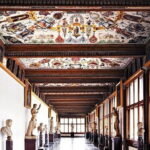
- You’ll see palace decoration, not just paintings
- The tone stays focused
- The standout painters and what to pay attention to
- Ask questions and you’ll get more out of it
- Why an art-history guide matters more here than in many museums
- Timing and pacing: 110 minutes that leaves you options
- Plan to stay after the tour
- Consider comfort and your walking tolerance
- Meeting at Piazza Pitti: how to arrive without stress
- Who should book this version of Palazzo Pitti?
- Price and value: $80 for 110 minutes, and why it can work
- Practical tips that make the tour smoother
- Should you book the Palatina Gallery ticket and tour?
- FAQ
- What is the duration of the Palatina Gallery ticket and tour?
- Where do I meet the guide?
- How much does it cost?
- Does the ticket include entry to the Palatina Gallery?
- Is there a way to avoid the ticket line?
- Are flash photos allowed?
- Can I bring luggage or large bags?
- What can I do after the guided part ends?
- What language is the live guide?
- Is cancellation flexible?
Key things I’d watch for
- Skip-the-line entry: You start fast, right from the Palazzo Pitti main entrance area.
- A palace tour in disguise: You’re not only looking at paintings. You’re walking through rooms made to impress.
- Big names, explained clearly: Caravaggio, Rubens, Tiziano (Titian), and Raffaello (Raphael) show up as more than names on labels.
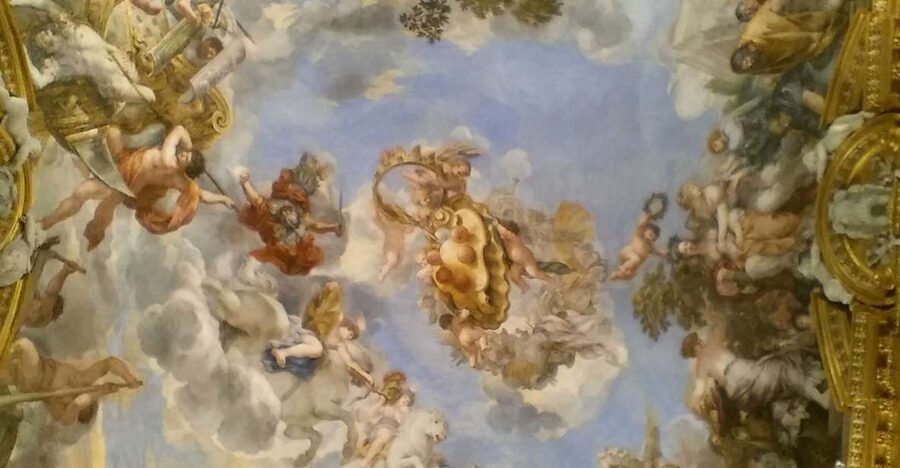
- Renaissance frescoes and stucco: The building design isn’t background noise here—it’s part of the story.
- Guides who answer questions: Many guide styles lean interactive, so you can ask what you’re really wondering.
- Free time after the tour: Once the structured highlights are covered, you can shift at your own pace.
Why Palazzo Pitti’s Palatina Gallery feels different
If you’ve already done the Uffizi, you’ll notice a change in mood right away. The Palatina Gallery sits in the former home of Tuscany’s grand dukes—later connected to the royal era—so the art is framed by a place built to project status. The point isn’t just to see great paintings. It’s to see how power, taste, and decoration all worked together in one location.
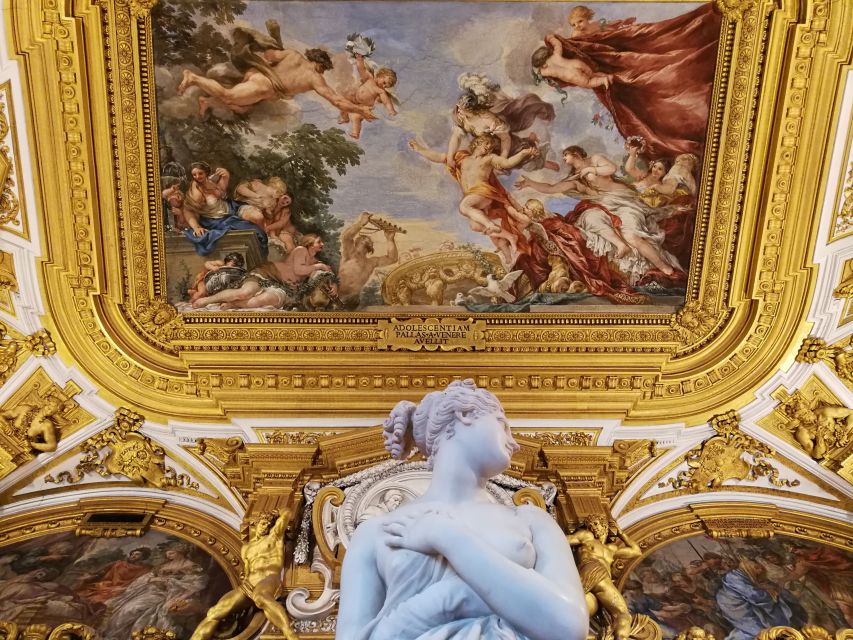
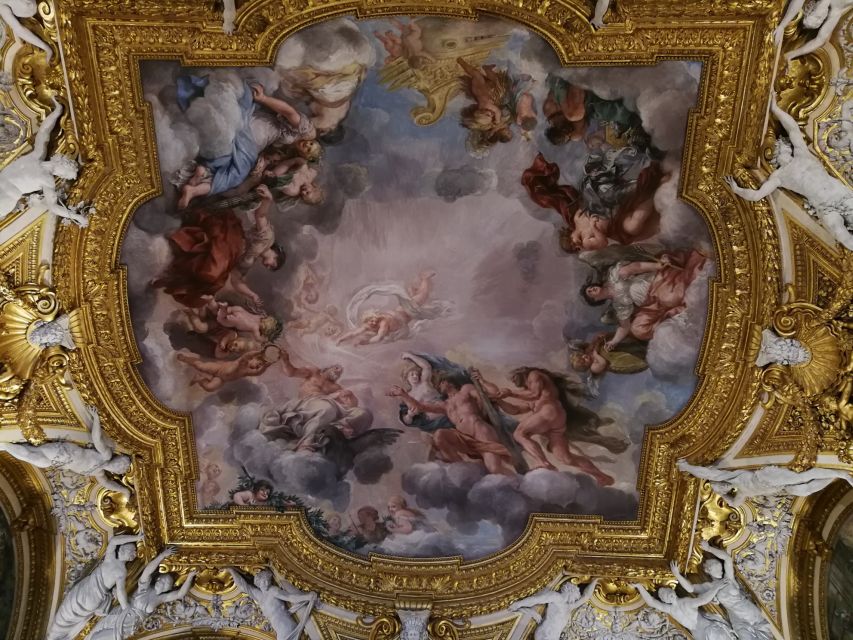
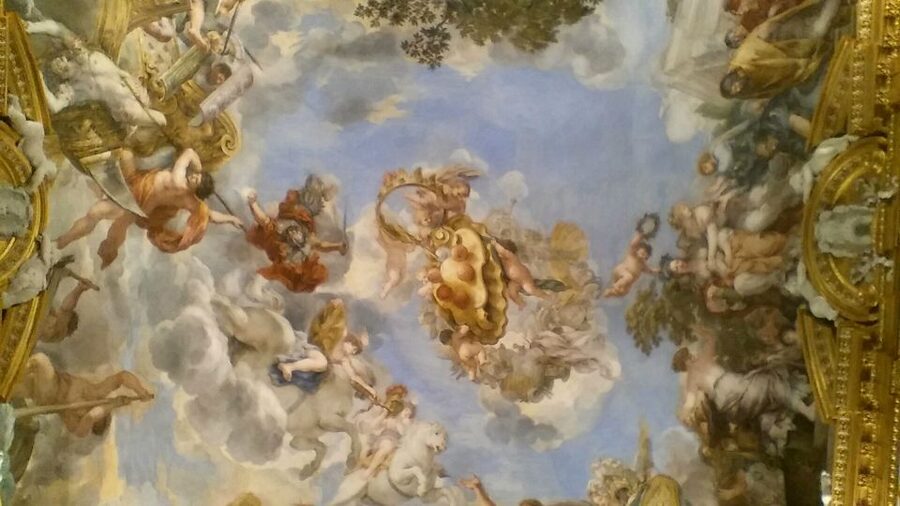
I like that the tour treats the palace as the first artwork. You’re shown how extravagant frescoes and stucco contribute to what the Medici (and their successors) wanted people to feel when they walked through these rooms. That context helps you stop viewing paintings as isolated masterpieces and start reading them as part of a bigger message.
You also get better direction for time. This is a 110-minute experience. That’s long enough to make the highlights meaningful, but short enough that you won’t burn a whole day locked in one wing (unless you choose to).
A few more Florence tours and experiences worth a look

What your guided route actually covers inside the Renaissance rooms
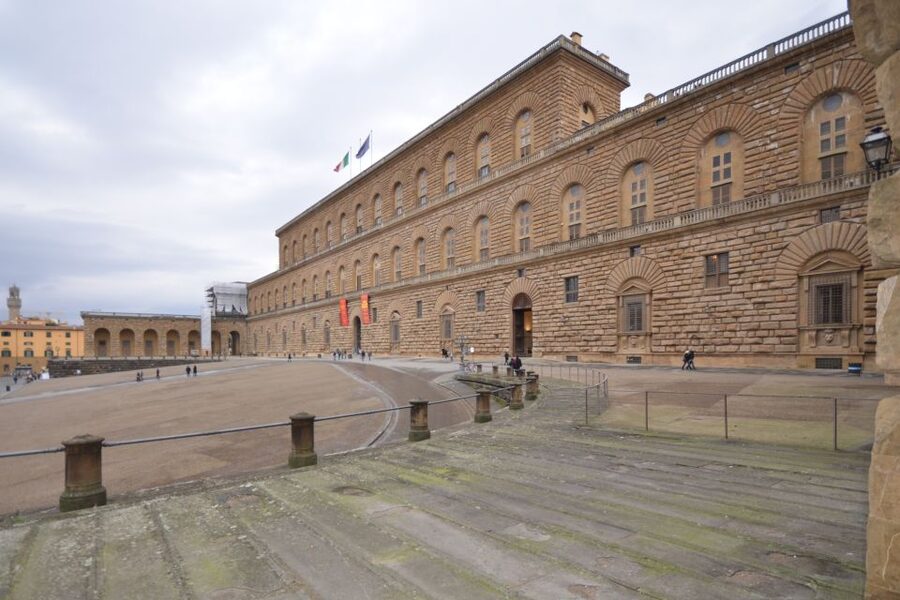
Your base is Palazzo Pitti itself, and the tour focuses on the Palatina Gallery’s main rooms. You’ll move from space to space with your guide pointing out details you’d likely miss on your own: how the room layout changes your eye, how decoration supports the theme, and how the placement of works can shape the story you end up telling yourself.
A useful mental model: think of the palace like a script. The guided part gives you the plot. After that, you can wander like you’re following your own curiosity.
You’ll see palace decoration, not just paintings
One of the most practical reasons to book a guide here is physical. The rooms are decorated, and that’s exactly what makes it confusing without help. Frescoes and stucco are everywhere, and without guidance it’s easy to “notice” them without understanding why they matter.
Your guide walks you through those visual signals—what they suggest about taste, education, wealth, and political identity—while also steering you toward key paintings.
The tone stays focused
Because the tour has a defined length and route, you’re less likely to get stuck in one overly crowded hall. The flow is designed so you see major works and then move on, instead of spending your two hours hunting for the famous pieces you hoped would appear.
The standout painters and what to pay attention to
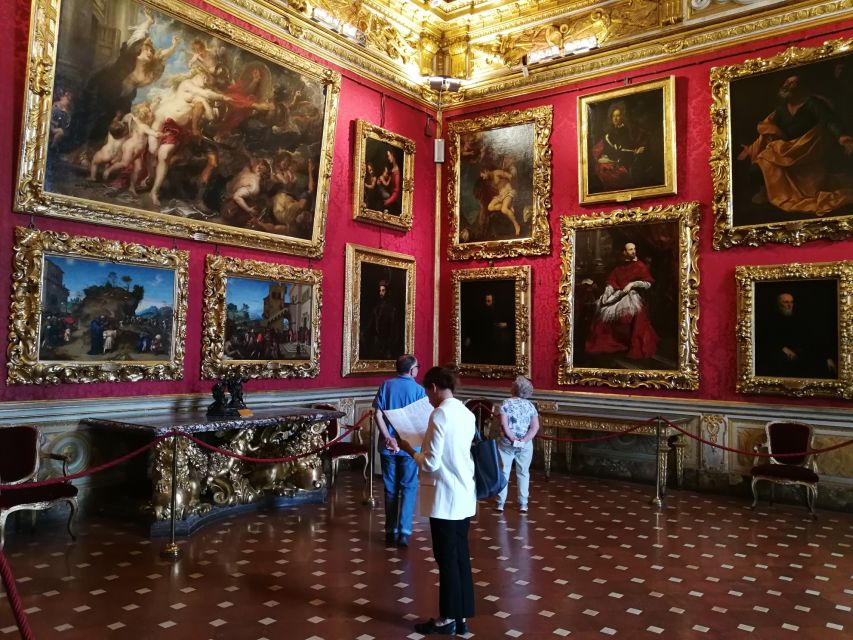
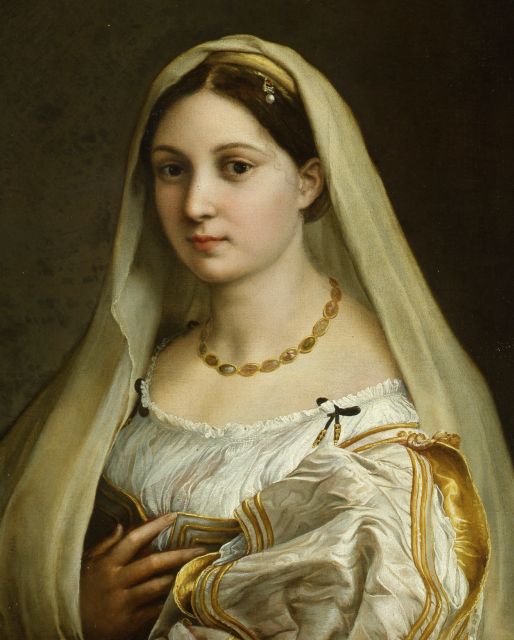
The Palatina Gallery is one of Florence’s big painting collections, and this tour doesn’t treat it like a checklist. It highlights artists you’ll recognize from European art books, then gives you something concrete to look for in each work.
Here’s what the experience specifically spotlights:
- Caravaggio: Expect the guide to connect Caravaggio’s style choices to why the painting hits so hard. The goal is to understand the effect, not just admire the name.
- Rubens: You’ll be directed toward elements that show how Rubens approached drama and storytelling.
- Tiziano (Titian): The guide helps you notice technique and how color and paint handling create mood.
- Raffaello (Raphael): You’ll get pointers on composition and why these images felt so persuasive to people of the time.
If you’re the kind of person who likes details, you’ll probably enjoy the way the tour pushes you to see with a purpose. Don’t just look for what’s famous—look for what your guide tells you to look for: gestures, lighting, the way figures are arranged, and small signs that explain why a scene reads a certain way.
You can also read our reviews of more museum experiences in Florence

Ask questions and you’ll get more out of it
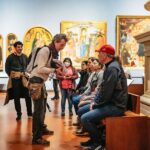
A repeated theme across excellent guide styles is responsiveness. Some guides by name that have shown up in feedback include Maurizio, Camila, and Kamila. Their common strength is that they can answer real questions instead of just delivering a monologue. If you’re curious about symbols, historical context, or why one painter differs from another, this is the place to ask.
Why an art-history guide matters more here than in many museums
You can absolutely wander the Palatina Gallery alone. But you’ll get less out of it if you do.
The main reason: the palace setting + the art language can be overwhelming at first glance. A good guide helps you “translate.” That translation isn’t about memorizing dates. It’s about recognizing patterns, and understanding how Renaissance and European painting fit into court life.
This tour also has a built-in structure: you follow the guide to the rooms and works that matter most, rather than relying on signage. In a palace museum, signage can help, but it can’t do what a live person can do—connect a painting to a room, a room to the Medici story, and then help you see what changed across centuries.
And yes, the tour can feel intense in a good way. One guide’s style has been described as essentially a mini course in two hours. That’s the vibe you want if your goal is learning without drowning.
Timing and pacing: 110 minutes that leaves you options
The tour runs about 110 minutes, and it’s designed to include the guided highlight route plus an entry ticket that lets you keep going after.
Plan to stay after the tour
Once the structured part is done, you’re free to browse at your own speed. The ticket lets you visit other Pitti Palace museums afterward, which is great if you want to turn this into a longer afternoon.
In particular, the experience points you to:
- Treasure of the Grand Dukes on the ground floor
- Galleria d’Arte Moderna on the top floor
This is smart programming. You get one time period through the Palatina Gallery highlights, then you can switch gears without leaving the complex.
Consider comfort and your walking tolerance
The most practical caution I’d give: you’ll be standing and moving for most of the tour. Some people prefer a guide tour like this because it keeps momentum. Others might wish for short breaks. If you’re dealing with mobility limits or long standing is an issue, consider bringing a small foldable seat if allowed (rules say big umbrellas and big items need the cloakroom, so keep it minimal), or plan to start this earlier in your day when you’re fresh.
Meeting at Piazza Pitti: how to arrive without stress
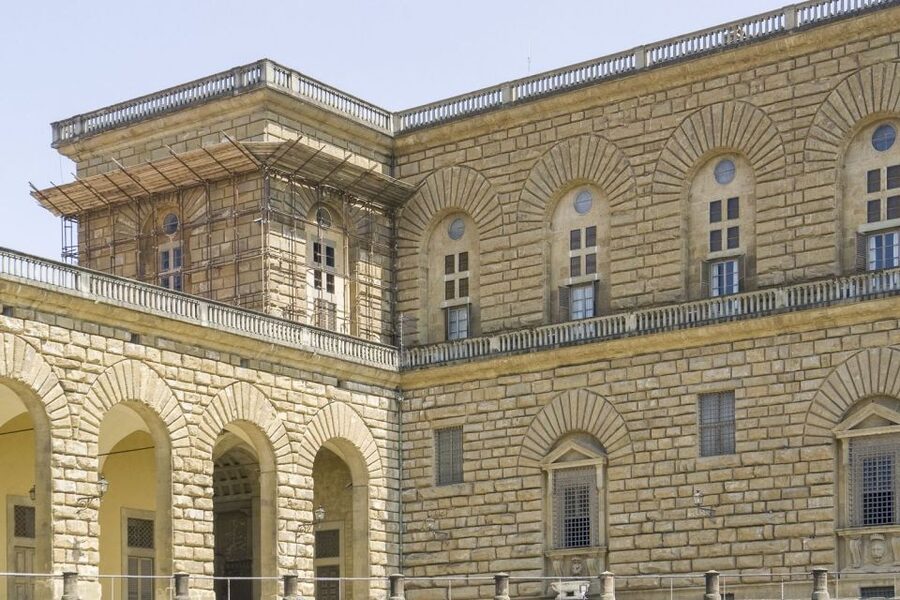
Your meeting point is on Piazza Pitti, outside Palazzo Pitti (at the central and main entrance). That’s a good setup because you don’t need to hunt through side doors or obscure entrances.
On arrival, keep two rule-followers in mind:
- Leave luggage or large bags in the cloakroom.
- No flash photography in the museum (non-flash is allowed).
It sounds basic, but these rules save time. If you show up with a big backpack and no plan, you’ll burn minutes before the tour even starts.
Who should book this version of Palazzo Pitti?
This fits best if you want:
- A focused tour through the top painting rooms without getting lost.
- Clear context that explains why the palace setting matters.
- A chance to ask questions and connect art to power and politics.
It’s also a strong match for people who like art but don’t want to spend hours researching beforehand. The guide effectively gives you a starting lens.
If you’re looking for a silent, slow, fully unstructured museum day, this might feel too structured. You can still visit on your own, but you won’t get the guided translation that makes the highlights click.
Price and value: $80 for 110 minutes, and why it can work
At about $80 per person for roughly 110 minutes, you’re paying for two things:
1) the guided experience (time with a live English guide), and
2) the entry ticket included with the tour.
What makes it feel like a good value is the payoff structure. You’re not just seeing the palace; you’re learning what to notice quickly, in the rooms where “just wandering” can turn into confusion. In other words, you’re buying direction and context, not just access.
Then there’s the after-part value: the ticket provided by the local partner is valid for the palace’s other museums. That means your spend can turn into a longer museum afternoon without extra ticket purchases for every stop—at least for the museum sections that fall under the Pitti Palace umbrella.
If you want to turn one entry into multiple stops (Palatina Gallery plus the other collections on the ticket), this price starts to look more reasonable.
Practical tips that make the tour smoother
A few small choices can improve your experience a lot:
- Keep your bag situation simple. Big items go to the cloakroom.
- Bring a phone charger if you plan to keep wandering. The complex can encourage more photo stops than you expect.
- Wear shoes you can stand in for the full route. The tour timing is fixed, so you don’t want to end the last room limping.
- Use the rule: if you don’t understand a painting detail, ask. This tour format rewards questions.
Also, the experience is wheelchair accessible, so it’s built with mobility needs in mind.
Should you book the Palatina Gallery ticket and tour?
Book it if your goal is to leave with real understanding, not just photos. The strongest reason is the combination of major European painting plus the palace setting, guided in a way that helps you see connections fast. If you love Caravaggio and want more than the headline, or if you’re curious how the Medici court used art and decoration to tell its story, this is a strong use of time.
Skip it (or do it self-guided) if you prefer silent wandering, or if you know you struggle with standing for long stretches. The guided route is excellent, but it doesn’t pretend to be a slow stroll.
FAQ
What is the duration of the Palatina Gallery ticket and tour?
The tour lasts about 110 minutes.
Where do I meet the guide?
Meet on Piazza Pitti, outside Palazzo Pitti (Pitti Palace) at the central and main entrance.
How much does it cost?
The price listed is $80 per person.
Does the ticket include entry to the Palatina Gallery?
Yes. The guided tour includes a Palatina Gallery entry ticket.
Is there a way to avoid the ticket line?
Yes. This experience includes skip-the-ticket-line entry.
Are flash photos allowed?
No. Flash photography is not allowed in the museums, but non-flash photography is allowed.
Can I bring luggage or large bags?
No. Luggage or large bags are not allowed and must be left in the cloakroom.
What can I do after the guided part ends?
You can stay to browse on your own, including the Treasure of the Grand Dukes on the ground floor and the Galleria d’Arte Moderna on the top floor.
What language is the live guide?
The tour is offered with a live English guide.
Is cancellation flexible?
Yes. Free cancellation is available up to 24 hours in advance for a full refund.