REVIEW · FLORENCE
Florence: Uffizi Gallery 2h Private Guide tour & ticket
Book on GetYourGuide →Operated by Route Master BV · Bookable on GetYourGuide
Uffizi hits you fast, then makes you think. I really like the small group size, because you can actually hear the guide and ask questions, and I also love that you skip the ticket line so you spend more time inside. One possible drawback: it moves at a guided pace for 2–2.5 hours, so if you want to wander slowly room-by-room on your own, this may feel a bit tight.
What makes this tour stand out is the way it connects paintings to the people who shaped Florence. You’re not just looking; you’re following a story about collectors like the Medici family, the working life of artists, and how the ideas of the Middle Ages turned into Renaissance thinking. The tour is built as a timeline, and it helps you see symbolism and meaning you’d otherwise miss.
You’ll meet at Piazzale degli Uffizi, 6, under the statue of Leonardo da Vinci, so it’s easy to find your starting point before the museum swallows you. Bring comfortable shoes, and expect no flash photography in the galleries.
In This Review
- Key things I’d circle before you go
- Jumping into the Uffizi: where you meet and how the 2-hour plan works
- Entering with purpose: what the tour does with the paintings
- The Middle Ages rooms: Giotto, symbolism, and the moment painting changes
- Piero della Francesca and Lippi: portraits, fashion, and family power
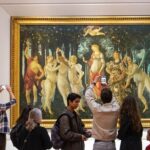
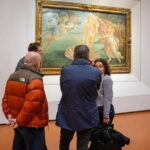
- Botticelli rooms: Lorenzo the Magnificent, muse, and moral confusion
- Leonardo da Vinci Hall: three works, 23 paintings, and a visual trick
- Caravaggio and the Medici connection: why the shield matters
- Pacing and group size: what a 6-person limit changes inside the Uffizi
- Practical tips that help you enjoy it more
- Value check: is this tour worth your time in Florence?
- Who this tour suits best
- Should you book the Florence Uffizi 2-hour private guide tour?
- FAQ
- FAQ
- How long is the Uffizi Gallery guided tour?
- Where do I meet the guide?
- Is the tour in English?
- Does this experience include skip-the-line ticket access?
- What group size should I expect?
- Is the museum visit wheelchair accessible?
- Are flash photos allowed inside the Uffizi?
- What should I bring for the tour?
Key things I’d circle before you go
- A guided timeline from Middle Ages to Renaissance, not random highlights
- Skip-the-line entry, so your 2-hour tour starts sooner
- Focus on meaning, including symbolism behind major works
- Big names in a tight route, with context for Giotto, Botticelli, Leonardo, and Caravaggio
- Small group limit of 6, which usually makes the tour feel more personal
Jumping into the Uffizi: where you meet and how the 2-hour plan works
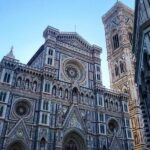
This tour starts in Piazzale degli Uffizi, 6, and the meeting point is under the statue of Leonardo da Vinci. That detail matters in Florence, where crowds and signage can blur together. If you’re prone to arriving “close enough,” arrive early and use that statue as your anchor.
From the meeting point, it’s just a short walk to the museum. Then you settle into the real work: a guided visit lasting about 2 hours (with a range up to 2.5). That time window is important. The Uffizi is famous for having too much to see, and the fastest way to feel overwhelmed is to “try to do everything.” This tour instead picks specific works and uses them to explain Florence as it changed across centuries.
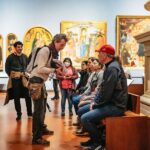
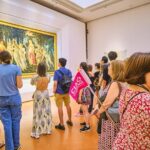
Also note the group size: limited to 6 participants. In a gallery where most people drift like sleepy ghosts, a small group can make a real difference. You’ll get more listening time, and the guide can keep the tour from turning into a lecture that nobody hears.
A few more Florence tours and experiences worth a look

Entering with purpose: what the tour does with the paintings
The Uffizi can feel like a pile of masterpieces—until you understand what you’re seeing and why those images mattered. This tour is built around the idea that the museum is always in conversation between antiquity and the modern world. In plain terms: you’ll watch older symbols and beliefs get reshaped by Renaissance artists who were obsessed with realism, human emotion, and clever storytelling.
I like that the tour doesn’t treat the paintings like museum trophies. It uses them as evidence. You learn how artists built meaning with composition and symbol, and you learn how collectors like the Medici family supported the culture that made these works possible.
And because it’s a live English guide, you get a human voice pointing out what to focus on—rather than you spending your energy reading labels that don’t explain the “why.”
The Middle Ages rooms: Giotto, symbolism, and the moment painting changes
Your journey begins with the halls of the Middle Ages. This is a smart starting point because it gives you a reference point for the Renaissance later. It’s easier to appreciate what changes when you can see the “before.”
One key stop is a Giotto masterpiece. The guide frames Giotto as a break from traditional painting rules, comparing his innovation to how later geniuses would shift the game. You’ll also see the Adoration of the Magi by Gentile da Fabriano, and the tour promises a look at the secret of the commissioning customer—basically, who paid for the artwork and what that says about power, prestige, and messaging.
These aren’t just trivia moments. When you understand patronage, paintings stop being floating religious images. They become social documents. In Florence, art was a way to signal status, faith, and intelligence—often all at once.
Piero della Francesca and Lippi: portraits, fashion, and family power
Next comes Piero della Francesca, introduced as a portrait painter with curious stories attached. The tour highlights details about women’s fashion of the time and the virtues expected from wives and husbands. That’s a useful approach because Piero’s calm surfaces can trick you into thinking nothing is happening. The guide nudges your eyes toward what the painting is signaling about roles, morality, and identity.
Then you move to Filippo Lippi, described as a favorite of Cosimo the Old. This part is built for understanding influence: Cosimo’s taste wasn’t passive. It shaped what flourished in Florence and helped define what collectors wanted to see.
You’ll also see portraits connected to Lippi—his wife, his son, and even the artist himself. That family-of-an-artist angle helps you shift from “artist name on the label” to a sense of how art life worked, including how careers and reputations traveled through families.
Botticelli rooms: Lorenzo the Magnificent, muse, and moral confusion
The tour then moves into two rooms dedicated to Botticelli. You’ll hear about the reign of Lorenzo the Magnificent and the artist’s muse. This is the part where Florence starts to feel less like a textbook and more like a place full of personal relationships, politics, and image-making.
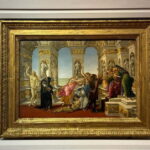
A standout work mentioned here is Slander. The tour uses it to explain how ignorance can block people from seeing truth. That angle is practical because it gives you a lens before you even look closely. Instead of wondering why the painting is “weird” or “complicated,” you’re prepared to look for meaning about perception, reputation, and narrative.
If you’ve ever seen a Renaissance painting and thought, I’m missing the point, this section is designed to fix that. The guide turns the painting into a message you can decode.
You can also read our reviews of more guided tours in Florence




Leonardo da Vinci Hall: three works, 23 paintings, and a visual trick
Then you hit the Leonardo da Vinci Hall, where the tour focuses on three of his works. The guide also talks about why Leonardo painted only 23 paintings, which is a startling detail for anyone who assumed geniuses produce constant output. It reframes creativity as limited, selective, and often tied to commissions and priorities.
One of the most interesting promises here is the optical illusion in The Annunciation. The idea isn’t just that Leonardo painted a famous scene. It’s that he engineered how your eyes interpret space and forms. That’s the kind of explanation that makes you want to look again from a different angle.
This is where the skip-the-line value pays off most. If you had to wait in a long ticket queue, you’d lose energy before you ever reached the Leonardo rooms. Here, you arrive with your attention intact, ready to absorb the reasoning behind the artwork.
Caravaggio and the Medici connection: why the shield matters
The tour closes this sequence with Caravaggio, including a shield with the head of the Gorgon Medusa and how it connects with the Medici family. That link is key. Caravaggio is dramatic and intense, and without context, you might see only shock value.
The guide’s job is to tie that drama to Florence’s collector culture—showing how powerful families helped shape what the city displayed. When you connect an object like a Medusa head shield to patronage, it stops being just dark mythology and becomes a sign of taste, influence, and the messages art could send.
Pacing and group size: what a 6-person limit changes inside the Uffizi
The Uffizi is overwhelming if you treat it like a checklist. What I appreciate about a small group capped at 6 is that you’re more likely to get a guided pace that still feels human. You’re not being herded like luggage.
The duration also fits the museum reality. A 2–2.5 hour tour is enough time to see key works and get the story thread, without exhausting you beyond usefulness. If you stay longer on your own afterward, you’ll have the benefit of a map in your head—both for the rooms you already saw and for what you’ll recognize next.
If you prefer to read every label and sit with one painting for 20 minutes, you might want extra unstructured time after the tour. But if your goal is understanding, not just collecting photos, this length is a good match.
Practical tips that help you enjoy it more
A few small choices can make the experience smoother:
- Wear comfortable shoes. You’ll be walking from the meeting point and moving through the galleries.
- Plan for focus, not photos. Flash photography is not allowed, so let the guide’s explanations do the heavy lifting.
- Arrive with a clear expectation. This is a guided storyline across eras—so trust the route instead of trying to “opt out” mentally.
- Use the first minutes wisely. Since the tour starts with the Middle Ages halls, settle in early. The early context makes the later Renaissance works easier to understand.
Also, the tour is wheelchair accessible, which is a big deal for museums that can be difficult to navigate. If you need accessibility support, this at least removes one major concern.
Value check: is this tour worth your time in Florence?
I can’t quote a specific price here, but I can still help you judge value. This tour’s value comes from three things you feel immediately:
- Skip-the-line entry saves the kind of downtime you can’t get back.
- A tight selection of works is the difference between seeing 20 paintings and actually understanding 20 paintings.
- A small group makes the explanations feel reachable, not lost in crowd noise.
If your Uffizi plan is mostly about ticking boxes—names, dates, quick photos—then a self-guided approach might seem cheaper. But if you want the paintings to make sense, the guide’s emphasis on symbolism, patronage, and artist life is exactly what you’re paying for.
Who this tour suits best
This is a strong pick if you:
- want a guided narrative connecting artists to Florence’s power players, especially the Medici family
- like to understand why a painting looks the way it does, not only what it depicts
- prefer smaller groups and a clearer pace over chaotic open wandering
- are planning a short Florence visit and want maximum meaning per hour
It might be less ideal if you:
- need a long, slow museum experience where you can linger everywhere
- dislike guided pacing and prefer total independence
Should you book the Florence Uffizi 2-hour private guide tour?
I think you should book it if your main goal is understanding, not just “seeing the famous stuff.” The tour is structured around recognizable anchors—Giotto, Gentile da Fabriano, Piero della Francesca, Filippo Lippi, Botticelli, Leonardo da Vinci, and Caravaggio—then ties them together using themes you can actually carry with you: patronage, symbolism, and how Florence’s thinking evolved.
I’d skip it only if your style is slow and solitary. In that case, you’ll probably get more from extra time with a good audio guide and plenty of space to roam.
If you want a smart, time-efficient Uffizi experience that turns masterpieces into stories, this one is a solid choice.
FAQ
FAQ
How long is the Uffizi Gallery guided tour?
The tour lasts about 2 to 2.5 hours.
Where do I meet the guide?
You meet at Piazzale degli Uffizi, 6, under the statue of Leonardo da Vinci.
Is the tour in English?
Yes, the live guide speaks English.
Does this experience include skip-the-line ticket access?
Yes, it includes skipping the ticket line.
What group size should I expect?
The group is limited to 6 participants.
Is the museum visit wheelchair accessible?
Yes, it is wheelchair accessible.
Are flash photos allowed inside the Uffizi?
No, flash photography is not allowed.
What should I bring for the tour?
Bring comfortable shoes for walking and time inside the galleries.