REVIEW · ROME
Golf Cart Tour: Express Highlights of Rome
Book on GetYourGuide →Operated by Luxurbe · Bookable on GetYourGuide
Rome gets big fast. This tour helps you see the big hitters without the slog.
I especially like the quick, efficient route that ties together Spanish Steps, Trevi Fountain, the Pantheon, and the Piazza Navona area in a tight loop. The other standout: the guides—people like Robin, Vito, Jimmy, and Matt—tend to keep the stories practical and the stops well timed, so you get photos without feeling rushed off a curb. One drawback to plan for: it is an express format, so monument time is brief and you’ll still want entrances later if you want a deeper visit.
You also get the benefit of riding through historic streets instead of doing 25,000+ steps in the sun. That matters in Rome, where traffic, heat, and crowd pressure can turn a great day into a slow one. Still, the tradeoff is that most of your “Rome experience” here is seeing and learning from the outside, not lingering inside.
If you want the city’s highlights in 90 minutes, this is a strong fit. If you’re hoping for long, slow monument time, plan something longer—or add entrances on your own after.
In This Review
- Key things that make this Golf Cart Tour worth it
- Why a 90-minute Rome golf cart works for first-timers
- Piazza del Popolo to the Spanish Steps: the quick start you’ll feel right away
- Trevi Fountain and the Pantheon: when 10 minutes can still be enough
- Piazza Navona to Theatre of Marcellus: the Rome you can read faster
- Colosseum and Circus Maximus exterior views: why the outside matters
- How the guide time actually feels: pacing, photo chances, and crowd control
- What you get in the ticket price, and what you’ll pay for separately
- Comfort, rules, and small logistics that prevent stress
- Should you book this express highlights golf cart tour?
- FAQ
- How long is the Golf Cart Tour Express Highlights of Rome?
- How much does the tour cost?
- Where do I meet the tour?
- What are the main stops on the tour?
- Are entrance tickets included?
- Does the tour run in rain?
- Is it okay to bring strollers or wheelchairs?
- What should I wear or bring?
Key things that make this Golf Cart Tour worth it
- Timed photo stops at major sights (about 10 minutes each) so you know you’ll actually get a shot
- Electric golf cart pacing that reduces walking and fatigue while you still cover a lot of ground
- Live English-speaking guide plus audio options (English, Italian, Spanish) if provided on request
- A smooth, street-friendly route through the historic center rather than backtracking
- Guides who handle crowds and weather well, including rain-ready care (you’ll see it in the patterns from real tours)
Why a 90-minute Rome golf cart works for first-timers
Rome looks best in layers, but you often only have a day (or less) to get your bearings. An express golf cart tour is built for that moment: you ride, you learn, and you decide where to return for deeper time. At $35 per person for about 1.5 hours, it is not a bargain compared to self-guided walking—but it’s good value for reducing wasted time.
The core idea is simple. You move quickly between top sights while you get short, guided orientation at each stop. You’ll feel the city’s rhythm without paying for a full-day tour bus experience or exhausting yourself before dinner plans.
I also like that this route hits both “classic poster Rome” and a few history-rich stops that are easy to miss on your own. You start in the north area around Piazza del Popolo, then swing through Spanish Steps, Trevi Fountain, Pantheon, Piazza Navona, and keep going toward the Colosseum and Circus Maximus exterior views.
You can also read our reviews of more tours and experiences in Rome.


Piazza del Popolo to the Spanish Steps: the quick start you’ll feel right away
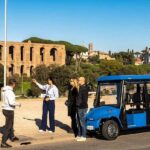
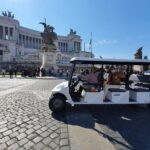
The meeting point is Piazza del Popolo 11, in front of the Leonardo da Vinci Museum. You wait outside the entrance (and don’t step inside). There’s also no special sign to look for—so if you spot the cart arriving, you’ve found it. Build in up to 10 minutes of waiting time, and the tour allows a short grace period after the scheduled start.
Why that first stretch matters: Piazza del Popolo is a natural “Rome starting line.” From there, the cart threads you toward the Spanish Steps area fast enough that you get context instead of arriving already tired. The stop is guided for about 10 minutes, which is perfect for a quick photos-and-orientation moment.
At the Spanish Steps, you’ll usually get more than a picture spot. A good guide will explain what you’re looking at and how the area fits into Rome’s bigger layout, including the way the streets funnel people toward key monuments. If you’ve ever walked into Rome and felt overwhelmed by angles, stairs, and crowds, this kind of fast orientation helps you stop guessing.
Practical tip: even though you’re on a cart, wear comfortable shoes. You’ll still do short walking gaps for boarding, photo positioning, and moving through the curbside areas.
Trevi Fountain and the Pantheon: when 10 minutes can still be enough
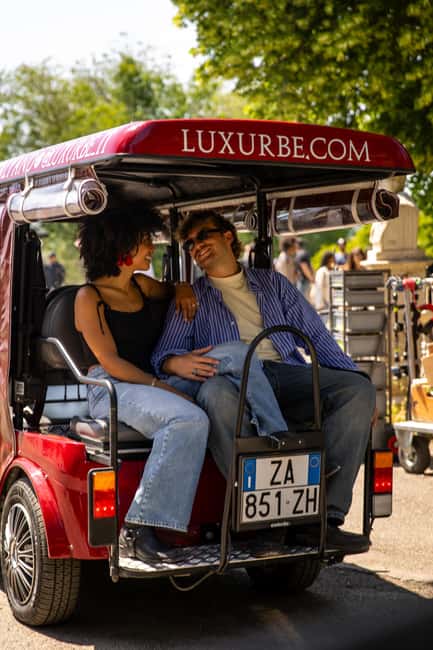
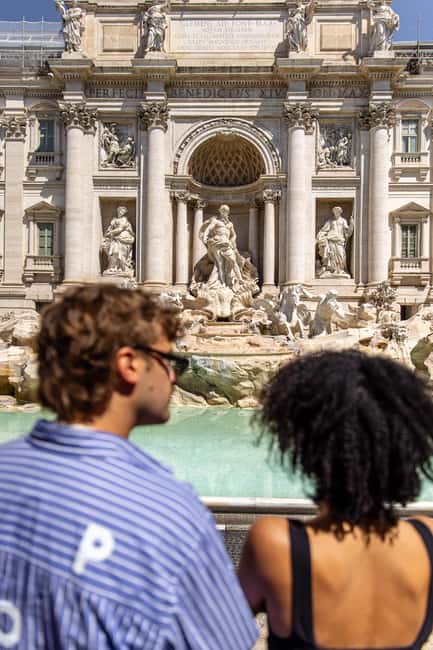
Next up is Trevi Fountain with another guided stop (around 10 minutes). Trevi is one of those places where the crowd is part of the experience. The advantage of arriving on a tour cart is you get direction and photo opportunities without spending your whole stop searching for a decent angle.
Then you roll to the Pantheon for another ~10-minute guided stop. The Pantheon area is famous for a “wow” factor, but it can be hard to appreciate it quickly if you arrive late in the day when the crowds peak. With this express format, you’re not trying to master every detail. You’re getting the big picture, hearing the why-behind-the-what, and grabbing photos so you can decide later if you want to enter.
One small but real benefit: several guests noted guides who add local direction beyond the listed stops, like pointing people toward nearby espresso near the Pantheon. That’s not something you should assume every time, but it’s the kind of value a strong guide can add when time is tight. Even if you skip extras, the guided pacing helps you avoid the common mistake of treating Trevi and the Pantheon as one long blur of standing in place.
How this stop can feel: if you’re expecting a slow, museum-style visit, 10 minutes may not satisfy. If you want the “I’m here, I get it, and now I know where to return” feeling, this timing is exactly right.
Piazza Navona to Theatre of Marcellus: the Rome you can read faster
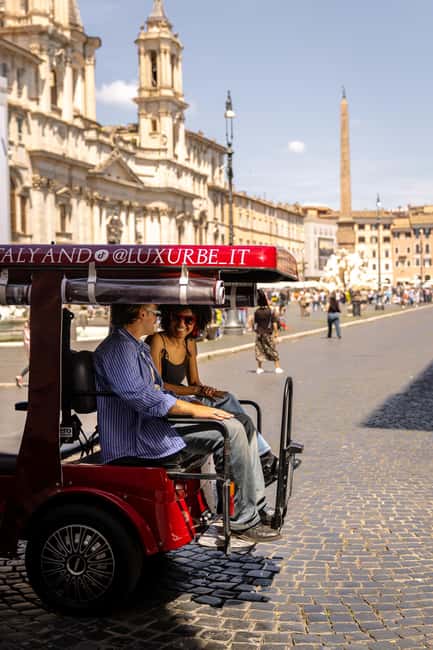
From the Pantheon, you head to Piazza Navona (again about 10 minutes guided). Piazza Navona is lively, architectural, and easy to turn into a wandering loop. This is where the express tour shines: you get the context fast, then you’re free to extend your time later on your own if you like the vibe.
Then you continue past the Theatre of Marcellus for another guided segment. This stop is different from the tourist icons because it feels more like “Rome as it existed in layers.” It’s the kind of place where, if you don’t have guidance, you might look at ruins and simply think, okay, old stones. With a good explanation, the ruins start to make sense in the city’s story.
This portion also helps because it breaks up the heavy hitters. Spanish Steps, Trevi, Pantheon, Navona—those are all intense. The Theatre of Marcellus stop gives your brain a chance to shift from landmarks-as-snapshots to landmarks-as-history.
Colosseum and Circus Maximus exterior views: why the outside matters
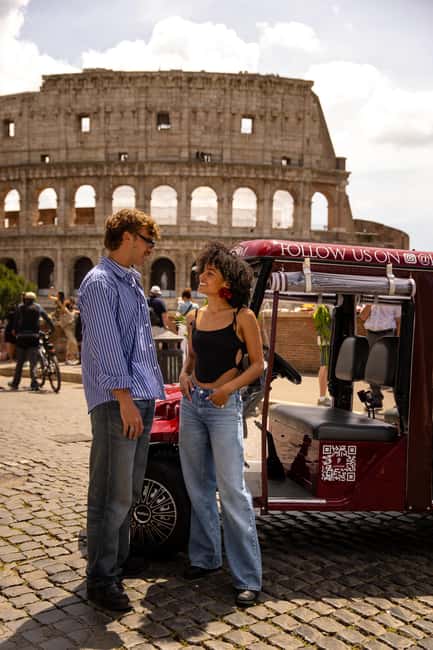
You’ll end with the Colosseum and Circus Maximus area, with guided time for both (about 10 minutes each). You get exterior views, not a long indoor visit. That’s actually a smart match for the tour’s goal. The Colosseum exterior is the iconic photo, and seeing it in sequence with the other stops helps it land mentally instead of feeling like a random stop you rushed through.
A good guide will also help you interpret what you’re looking at—where the crowds once flowed, why this space mattered, and how the city layout connects these major sites. Even if you already know the Colosseum is famous, this kind of guided orientation helps you notice details you’d miss if you were only chasing the picture.
Circus Maximus is another one of those places that can feel confusing when you first arrive, because it looks like a big open space rather than a single monument. The guided stop helps frame why it mattered historically. Think of it as learning how to “read” Rome’s spaces, not just photograph them.
If you want more than exterior views, you’ll need to plan entrances yourself later. Entrance tickets are not included.
How the guide time actually feels: pacing, photo chances, and crowd control

This tour is designed around a simple rhythm: drive smoothly, stop briefly, listen, take photos, then move on. Each featured stop is timed at roughly 10 minutes of guided sightseeing. That structure is the reason it works for limited time. You don’t lose momentum getting from one sight to the next.
The carts are electric, and the route is street-friendly, which makes a difference in Rome’s reality. Roads can be confusing, walking routes can bottleneck, and finding parking-adjacent curb access can slow groups down. The cart format keeps you moving while your guide handles the “where do we stop so people can actually get photos” problem.
One other real-world detail from real tours: guides often adjust on the fly. Some guests described guides as flexible—adding extra photo opportunities, tailoring commentary, and recommending next steps like local places to eat. That’s not a guarantee, but it shows what to look for in a guide: clear directions, calm pacing, and quick adjustments when weather or crowds shift.
Comfort note: most guests praise the carts and driving. One comment flagged that a 3-wheel buggy wasn’t the comfiest option. So if comfort is a top priority, you might want to ask what vehicle you’ll ride in for your specific time slot.
What you get in the ticket price, and what you’ll pay for separately
You’re paying for three big things: guided navigation, time efficiency, and photo stop structure. For $35 per person for about 90 minutes, that can be great value if you’re doing Rome with limited days or you’ve got mobility limits (even if you still don’t need a wheelchair).
Included with the experience:
- A guided sightseeing tour by electric golf cart
- An English-speaking driver/guide
- Photo stops at main landmarks
- Audio guides (English, Italian, Spanish) that may be provided on request
- Hotel pick-up and drop-off if selected
Not included:
- Entrance tickets to monuments and attractions
- Food and drinks
So the smart way to plan is this: use the tour as your “map + priorities” session. Afterward, you’ll know which monuments are worth the entrance fee for you. If you try to treat this tour like a replacement for tickets, you’ll feel shortchanged.
Also, consider how hot or crowded it is when you go. Several guides are praised for helping guests beat crowds and even for handling rain well, including Christmas Day conditions. The tour runs in light rain, so pack accordingly.
Comfort, rules, and small logistics that prevent stress
Bring weather-appropriate clothing and comfortable shoes. Even if you’re mostly seated, you’ll step around for boarding and photos. If it’s sunny, you’ll appreciate quick shade breaks. If it’s raining, you’ll want a light layer you can move in.
Rules that matter:
- Pets aren’t allowed
- Weapons or sharp objects aren’t allowed
- Luggage or large bags aren’t allowed
- Unaccompanied minors aren’t allowed
- Baby strollers are listed as not allowed, but strollers and wheelchairs may be allowed if you notify at booking
That stroller/wheelchair info has some tension: the activity info says it is not suitable for wheelchair users, while also saying wheelchairs can be allowed if notified. If you’re bringing a stroller or you need mobility accommodations, contact the provider ahead of time and ask how they’ll handle it for your specific cart and route.
And don’t ignore the meeting-point details. Wait outside at Piazza del Popolo 11 in front of the Leonardo da Vinci Museum entrance. If you arrive late, there’s a short grace period, and arrivals beyond that are considered no-shows.
Should you book this express highlights golf cart tour?
Book it if you want a fast Rome primer. This is the right move when you have about 1.5 hours, want to see major icons in a smooth route, and prefer less walking while you still get guided explanations and photo chances.
Skip it (or pair it with something else) if your top goal is deep monument time. Entrance tickets aren’t included, and the stops are short. If you’re the kind of traveler who wants to sit with one place for an hour, you’ll likely feel the time pressure.
My practical take: this tour is strongest as a planning tool. It helps you figure out where you want to return—whether that’s the Pantheon area for a longer look, Trevi for a second pass at a calmer time, or the Colosseum for an actual ticketed visit.
FAQ
How long is the Golf Cart Tour Express Highlights of Rome?
It runs for about 1.5 hours.
How much does the tour cost?
The price is $35 per person.
Where do I meet the tour?
Meet at Piazza del Popolo 11, in front of the Leonardo da Vinci Museum. Wait outside the entrance.
What are the main stops on the tour?
The tour goes to Spanish Steps, Trevi Fountain, the Pantheon, Piazza Navona, Theatre of Marcellus, the Colosseum (exterior), and Circus Maximus.
Are entrance tickets included?
No. Entrance tickets are not included.
Does the tour run in rain?
It operates even in light rain.
Is it okay to bring strollers or wheelchairs?
Strollers and wheelchairs are described as allowed if you notify at booking, but the info also lists the tour as not suitable for wheelchair users. If you need either, contact the provider in advance to confirm how it will work for your situation.
What should I wear or bring?
Wear comfortable shoes and bring weather-appropriate clothing. You’ll do some short walking even though most time is by cart.