REVIEW · MEDELLIN
History and Street Art Tour in Comuna 13
Book on Viator →Operated by Insiders Foundation · Bookable on Viator
Comuna 13 rewards curiosity, not just photos. This 2.5-hour street art and history tour in Medellín walks you through the neighborhood’s dramatic transformation, with a guide who grew up in the area, plus plenty of stops for meaningful murals. You’ll also get a sweet break with local ice cream included.
I really like the way the tour focuses on context. With guides like Sergio (and Evelyn on Spanish departures), you’re not just seeing graffiti—you’re learning why specific walls and projects matter to the people who live there. I also appreciate the small group size (max 12), which makes it easier to ask questions and get personal attention when you’re trying to understand what you’re seeing.
One possible consideration: Comuna 13’s story includes violent conflict and the recovery that followed. The tour handles that history as part of explaining the street art and the neighborhood’s change, so it’s better for travelers who can handle emotionally serious context—not only “light” sightseeing.
In This Review
- Key things that make this tour worth your time
- Getting oriented: Comuna 13 isn’t a postcard
- Escaleras Eléctricas: the first stop that explains the neighborhood
- Street art on the move: learning to read murals as messages
- The human side: culture, performers, and the neighborhood’s energy
- Why the history matters (and how not to miss it)
- The ice cream stop: a small break that makes the walk easier
- Price and value: why $12 feels unusually fair here
- Who this tour suits best (and who might skip it)
- Practical details that help you plan smoothly
- Should you book the Comuna 13 street art & history tour?
- FAQ
- How long is the Comuna 13 street art and history tour?
- How much does the tour cost?
- What is included besides the street art and history?
- What’s the group size limit?
- Where does the tour meet?
- What time does the tour start?
- Where does the tour stop first?
- Is there a free cancellation option?
- Is the tour near public transportation?
Key things that make this tour worth your time

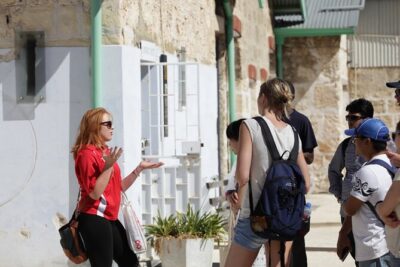
- Local guides like Sergio share stories from growing up in Comuna 13, not a generic script.
- Street art with meaning, including what you’re seeing and how it connects to the community’s transformation.
- Escaleras Eléctricas de la Comuna 13 as a first deep landmark for understanding the area’s evolution.
- Ice cream included at no extra cost, an easy win on a walking tour.
- Tiny group feel with up to 12 people, so you can ask questions and actually hear answers.
- Money goes back to youth education through the Insiders Foundation behind the tour.
Getting oriented: Comuna 13 isn’t a postcard
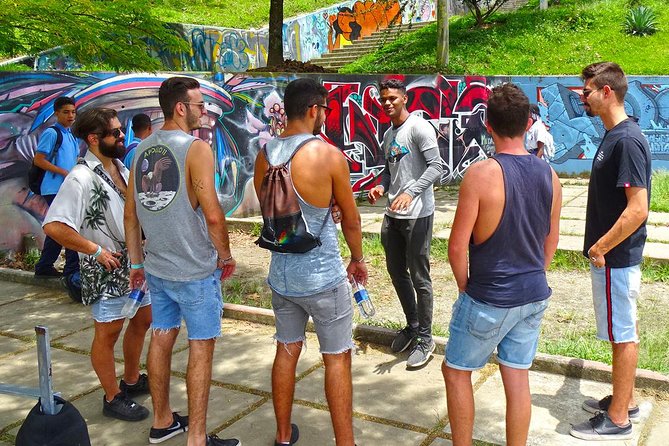
Comuna 13 has a reputation you can’t ignore. It’s the kind of place that gets flattened into headlines—then overlooked when people arrive. This tour helps fix that by giving you an insider’s map of what the neighborhood has been through and what it’s becoming.
The big idea here is simple: street art is not decoration when the community is trying to rewrite its own story. As you walk, you’ll learn how murals, colors, and public messages connect to identity, memory, and resilience. And because the guide is from the area, you get an explanation that feels like it belongs to the sidewalks—not to a lecture hall.
If you’re the type of traveler who likes authenticity (not just Instagram angles), this tour fits. It’s also budget-friendly for the time you get. At $12 for about 2 hours 30 minutes, you’re paying for a guided walk, interpretation of the artwork, and included ice cream—plus the tour is run by the Insiders Foundation, which directs proceeds toward local youth education.
You can also read our reviews of more tours and experiences in Medellin.
Escaleras Eléctricas: the first stop that explains the neighborhood
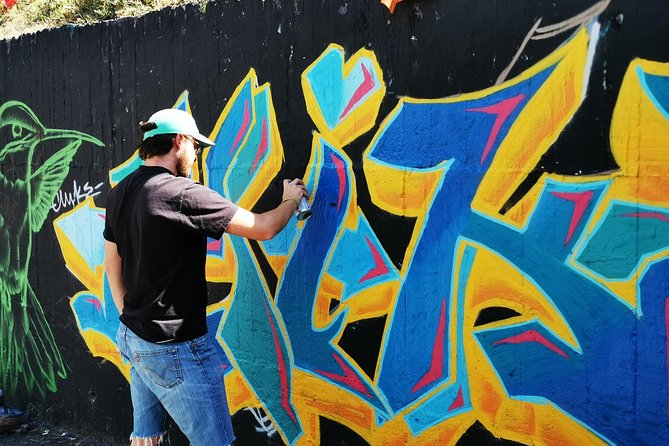
The tour’s first major stop is the Escaleras Eléctricas de la Comuna 13, where you’ll walk through the project and learn how it was built and why it exists. This matters more than it sounds. In Comuna 13, “getting around” isn’t just convenience—it’s part of how the neighborhood changed.
Expect the guide to connect the escalators to daily life: how movement up and down the hillside shapes access to schools, services, and community spaces. You’ll also spend time looking at street art around the area and getting the meaning behind what you see. The murals here aren’t presented as random beauty. They’re treated as messages—some celebratory, some reflective, all tied to place.
A practical note: this is about walking and observation. The stop is listed as around 40 minutes, with the admission ticket for this portion marked free. If you’re going with a camera, this is an early moment to set your rhythm—slow down, find the wall details, and let the guide’s context click before you start snapping.
What I like about this stop: it gives you a “why” early. You’re not hunting for backstory after the tour. You get it at the first landmark.
What to consider: if you’re expecting only street art photos and music, the discussion of purpose and construction may feel heavier. Still, that heaviness is part of understanding why the art is the way it is.
Street art on the move: learning to read murals as messages
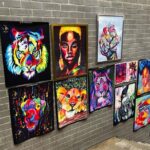
A huge part of the experience is the chance to see colorful street art and understand what it’s saying. The guide doesn’t just point. They explain connections—how certain designs, characters, or symbols link to community experience and history.
This is where the tour earns its “insider” label. Because Sergio grew up in Comuna 13, the stories come with details that feel lived-in. The same goes for other guides on different language departures, like Evelyn for Spanish tours. In plain terms: you get a guide who can answer follow-up questions, not someone reciting a timetable.
You’ll likely move from one painted surface to another as you walk through the neighborhood. The goal isn’t to “check off” graffiti. It’s to learn how murals function in Comuna 13—sometimes as celebration, sometimes as commentary, and often as proof that the community’s voice is visible in public space.
Photo tip that actually helps: don’t only shoot the biggest mural. Ask the guide what specific parts mean—faces, text, patterns, or painted scenes. Those details are where the story lives, and you’ll come away with photos that make sense later.
The human side: culture, performers, and the neighborhood’s energy
Comuna 13 isn’t only walls. It’s also people, music, and performance. Some departures include street performers and hip-hop culture elements as part of the vibe you experience while walking—examples mentioned include Trovadela13 and local rappers. If you’re lucky, the timing lines up and you catch it in the moment rather than as a recorded highlight.
Even when performances aren’t front and center, the tour keeps you focused on the lived culture around you. That’s a big difference from tours that treat neighborhoods like outdoor museums. Here, the art is tied to a daily rhythm: streets that still belong to locals.
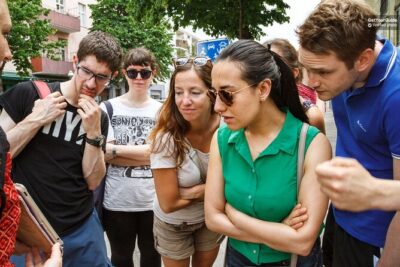
Also, the guide’s personality matters. Reviews highlight how guides like Sergio are friendly, attentive to the group, and good at English (on the English departures). That matters because street art interpretation works best when you can ask: What does that symbolize? Why that wall? What changed here?
If you want to feel like you’re walking with a local friend who knows where to look—and where not to waste time—this tour aims for that.
Why the history matters (and how not to miss it)
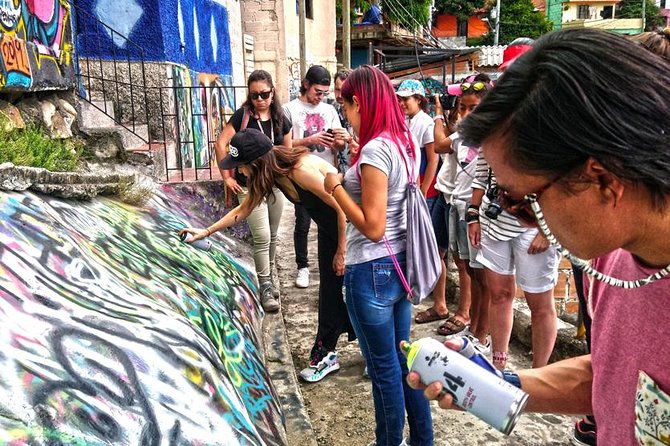
This tour does not pretend Comuna 13’s story is simple. The neighborhood’s past includes periods of violence and conflict, followed by major renewal and change. That history is woven into the way the guide explains the street art and the public projects around you.
For many visitors, this is the turning point. Street art can feel like color on a wall. With context, it becomes language. You start to notice how the murals relate to what communities needed to express after difficult times—things like dignity, hope, and identity.
Here’s a useful way to approach it while you’re on the walk: treat each mural and each project like evidence. The guide isn’t asking you to agree with everything. They’re helping you understand what the community is trying to say.
Consideration (again, important): if you want only upbeat culture and zero heavy context, this might not be your ideal format. If you’re open to understanding the real transformation story behind the art, you’ll likely come away more moved than you expected.
The ice cream stop: a small break that makes the walk easier
At some point during the tour, you’ll make a stop to try local ice cream, and it’s included with no extra cost. On a tour that’s about walking, interpretation, and looking closely, this kind of pause helps in two ways.
First, it gives you a simple reset. Second, it’s a chance to experience something local in a casual way—no formal sit-down required.
It’s not a “food tour,” but it’s a smart add-on. For many travelers, that’s the difference between a tour that feels like effort and one that feels like a full, enjoyable afternoon.
Price and value: why $12 feels unusually fair here
Let’s talk value in real-world terms. At $12 for about 2 hours 30 minutes, you’re paying a low price for a guided neighborhood experience that includes:
- A local guide with area-specific stories
- Street art explanation with meaning, not just sightseeing
- A major landmark stop at Escaleras Eléctricas
- Included ice cream
- A structure supported by the Insiders Foundation, connected to youth education in the community
The value isn’t only “cheap.” It’s that you get multiple layers at once: history, visuals, and human context. Also, the tour’s small group size helps ensure your time isn’t swallowed by crowd noise.
If you’re on a Medellín budget, this is the kind of tour that lets you spend money where it counts—on guidance and on a meaningful cause—rather than paying for tickets and transport that don’t add much.
Who this tour suits best (and who might skip it)
You’ll likely love this tour if you:
- Care about street art and want its meaning, not just the mural photo
- Want a neighborhood story explained by someone who actually grew up there (Sergio is a standout name tied to the English experience)
- Like tours that feel personal, with max 12 people and room for questions
- Prefer experiences that connect to community support through the Insiders Foundation
You might want to skip or choose something else if you:
- Want only light, non-historical sightseeing
- Dislike tours that discuss violence and renewal as part of explaining the present
- Are looking for a purely “top attractions bus tour” style experience
Practical details that help you plan smoothly
The tour starts at 10:00 am and runs about 2 hours 30 minutes. The meeting point is listed at Cl. 45 #98-80, El Danubio, Medellín, San Javier, Medellín, Antioquia, Colombia. The activity ends back at the meeting point, so you don’t need to figure out a second transfer.
You’ll get a mobile ticket, and confirmation happens at booking time. It’s also described as near public transportation, which makes it easier to plug into your day without complicated logistics.
The group limit is 12 travelers, which is a major quality signal here. Smaller groups usually mean the guide can slow down, answer questions, and tailor the pace when people want to linger on a wall.
Should you book the Comuna 13 street art & history tour?
Book this if you want Comuna 13 with context. The street art is the hook, but the real payoff is the explanation—especially from guides like Sergio, who bring lived understanding of the neighborhood’s transformation. The included ice cream is a pleasant bonus, and the low price keeps it within reach for most budgets.
Don’t book it only if you’re chasing a carefree, “no heavy topics” outing. This tour connects art to real history, including conflict and renewal. If that kind of story fits your travel style, you’ll probably finish the walk with stronger photos—and a clearer understanding of why they matter.
FAQ
How long is the Comuna 13 street art and history tour?
It runs for about 2 hours 30 minutes.
How much does the tour cost?
The price listed is $12.
What is included besides the street art and history?
The tour includes a stop to try local ice cream at no extra cost.
What’s the group size limit?
This activity has a maximum of 12 travelers.
Where does the tour meet?
The meeting point is Cl. 45 #98-80, El Danubio, Medellín, San Javier, Medellín, Antioquia, Colombia.
What time does the tour start?
The start time is 10:00 am.
Where does the tour stop first?
Stop 1 is the Escaleras Electricas De La Comuna 13, with an admission ticket marked as free for that stop.
Is there a free cancellation option?
Yes. You can cancel for free up to 24 hours in advance for a full refund.
Is the tour near public transportation?
Yes, it’s described as near public transportation.
If you want, tell me your dates and whether you prefer English or Spanish, and I’ll suggest a simple half-day plan in Medellín around this 10:00 am start.