REVIEW · MOSTAR
Mostar Street Art & Graffiti Tour
Book on Viator →Operated by Touristica - Mostar Tourist Guide · Bookable on Viator
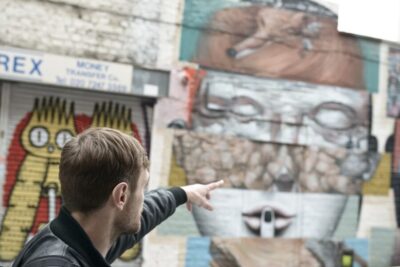
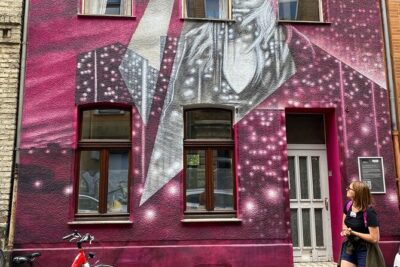
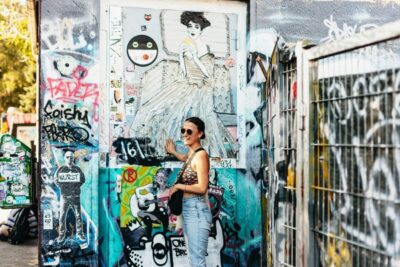
Graffiti here has a purpose. This Mostar street art & graffiti tour turns walls into storyboards, tying murals and stencils to the city’s Austro-Hungarian buildings, war scars, and modern creative scene. You’ll walk short distances, pause often, and get the human details behind what you’re seeing.
I love how the tour is led by a local artist guide, not a generic script. You’ll also appreciate the 1 hour 30 minutes on foot format, with time for photos and questions built in. One thing to consider: it’s fully walking, so wear comfortable shoes and don’t plan to dodge long stretches.
In This Review
- Key things to know before you go
- Why Mostar’s walls tell stories you can’t get from postcards
- Meeting at Hotel Bristol and finishing at Španski trg
- Stop 1: Hotel Neretva and the beauty of restored ruins
- Stop 2: Fassadenmalerei facades and the artists’ workdays
- Stop 3: OKC Abrašević, where art meets activism
- Stop 4: Španski trg, Mostar Gymnasium, and the Spanish Fighters monument
- Price and value: what $36.01 buys you in Mostar
- How to get the most out of the walk
- Who should book this Mostar street art and graffiti tour?
- Final verdict: should you book it?
- FAQ
- How long is the Mostar Street Art & Graffiti Tour?
- How much does the tour cost?
- Where does the tour start and where does it end?
- Is the tour offered in English?
- What’s included in the tour price?
- Is food or drinks included?
- Do I need transportation, or is it all walking?
- What group size should I expect?
- Can I cancel for free?
Key things to know before you go
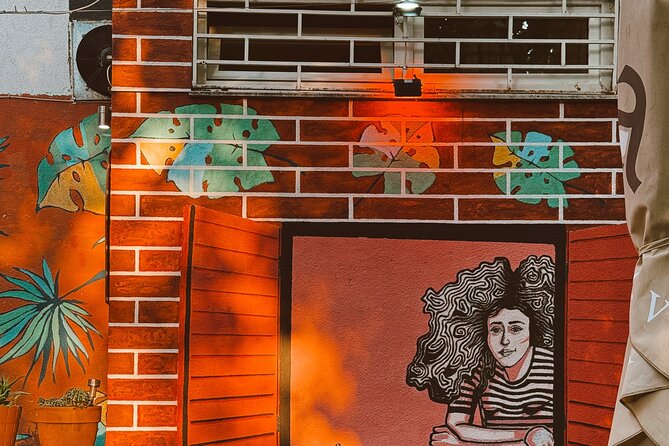
- Local artist perspective: you’ll hear what the art means from the people who live with it
- Free admissions at the stops: each listed location is handled without extra entry fees
- Small group size: up to 8 people makes the questions actually useful
- A clear Mostar arc: from post-war decay and restoration to cultural spaces and protest memory
- Photo-friendly pacing: built-in stops so you can shoot without feeling rushed
Why Mostar’s walls tell stories you can’t get from postcards
Mostar is famous for its old bridges and classic postcard streets. This tour nudges you to look at something else: the everyday art you walk past without thinking. In Mostar, that’s not just decoration. It’s how people talk back, remember, mourn, and argue for a future they can shape with their own hands.
What I like most is that the guide doesn’t treat street art as a separate hobby. The murals get connected to the bigger city story: Austro-Hungarian architecture, the damage and aftermath of war, and how young creatives keep making space for expression.
If your time in Mostar is short, this is a smart way to get beyond the obvious. You spend your 90 minutes learning what each wall is doing, and why that matters right now.
Meeting at Hotel Bristol and finishing at Španski trg
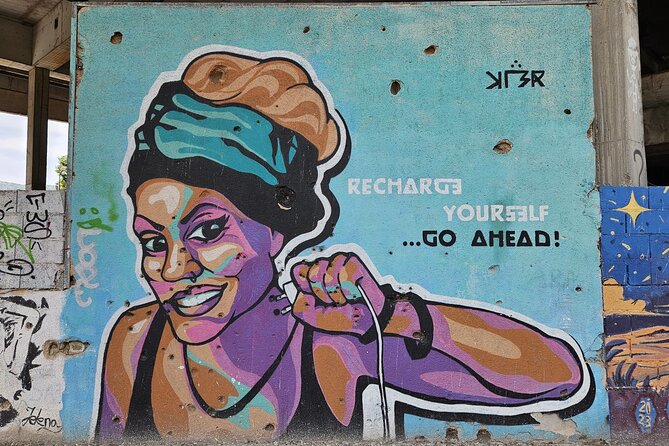
The tour starts at Hotel Bristol (Mostarskog bataljona bb) and ends at Španski trg (Spanish square). You’re not hopping around by vehicle. You’re on foot the whole time, moving between four stops with different textures and meanings.
The route is designed to feel like a quick walk through themes:
- restored elegance and the ghosts of destruction
- facades turned into conversation
- a cultural hub for young creatives and activists
- a public square shaped by war division and later expression
Because the group is capped at up to 8 people, you’re more likely to get direct answers instead of listening to a monologue the whole way.
Stop 1: Hotel Neretva and the beauty of restored ruins
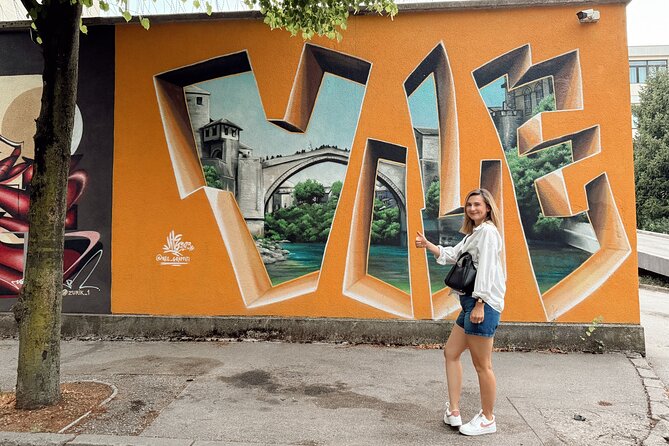
Your first stop is Hotel Neretva, one of Mostar’s architectural gems. This building has been restored to reflect its original Austro-Hungarian elegance. For years after the war, it sat in ruins, and that period became part of its public identity—something people could point to as a symbol of destruction.
Here’s why this works on a street art tour: you see how “ruin” becomes “canvas.” The area around the hotel was often surrounded by raw graffiti and informal street art, and that changes how you read the place. Instead of viewing the building as only damaged or only beautiful, you start seeing it as a living memory device—something people react to in real time.
What to watch for: the contrast. Restoration doesn’t erase the past; it frames it. Graffiti in this kind of setting can feel less like vandalism and more like a shorthand for what the city has been through.
Possible drawback: this stop is a short visit (about 10 minutes), so if you’re the type who wants to study every detail slowly, you may wish you had more time here. The benefit is that the pace keeps the tour moving toward more context.
Stop 2: Fassadenmalerei facades and the artists’ workdays
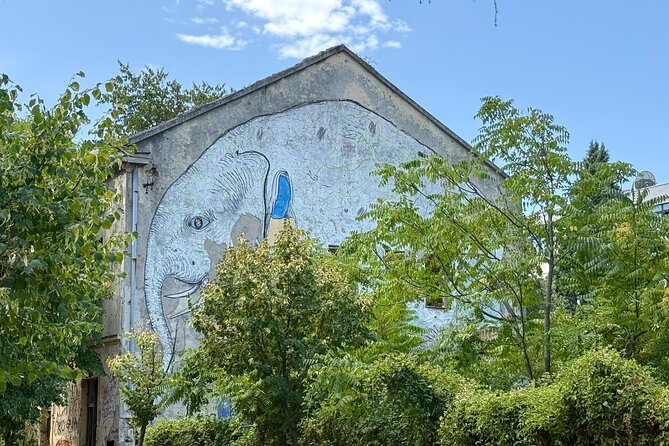
Next up is Fassadenmalerei—literally, facade painting. You stand in front of the painted buildings and listen to the stories behind them. This is where the tour shifts from visual impact to process.
The guide talks about:
- the artists behind the murals
- how the creative process actually unfolds
- what it means to live among this art every day
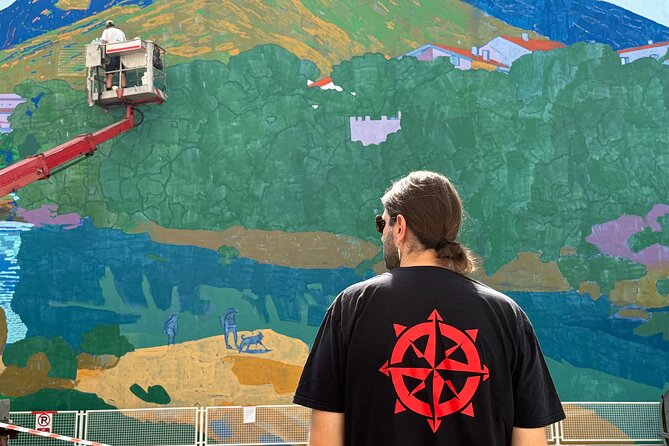
You also get the kind of details that don’t show up in photos. The tour includes personal memories connected to when these murals were being painted, and even time spent with artists during their breaks. That last bit matters. It turns the art from a finished product into a human activity—paint, planning, interruptions, and conversations.
In plain terms, this stop helps you answer a question you might not have known to ask: who benefits from the art being visible where they walk every day? The answer isn’t only the artist. It’s the neighborhood’s daily rhythm.
What I’d suggest: bring a phone camera and be ready to pause. You’ll likely want to capture the facade details, but also listen while you look—this is more about meaning than just shots.
Possible drawback: since you’re hearing stories while looking at walls, it’s not a stop for people who hate switching between listening and observing.
Stop 3: OKC Abrašević, where art meets activism
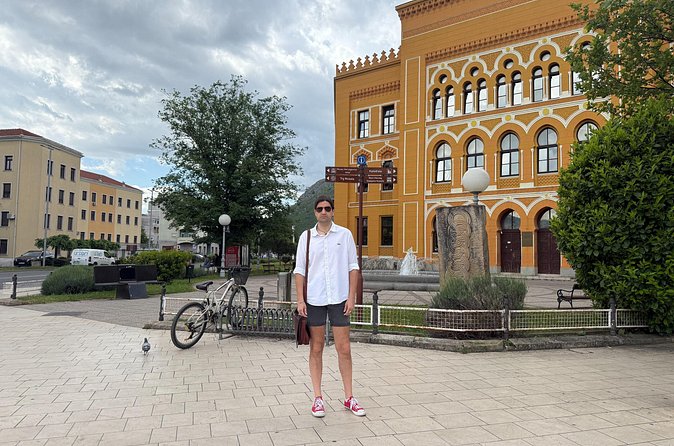
Then you reach OKC Abrašević, which the tour frames as a living cultural hub. This isn’t described as a museum stop. It’s closer to a meeting point—somewhere you’d expect to find conversations that spill into the streets.
Around the venue, you’ll notice raw urban textures and experimental murals. The guide connects this to the people who show up there: young creatives, activists, and artists using the space to discuss ideas and make work.
This stop is also a good reality check on how street art functions. In many cities, graffiti is treated as a risk or a nuisance. In places like OKC Abrašević, it can also be a signal: a way of saying, We’re here. We’re not going anywhere.
The tour gives this stop about 10 minutes, so you’ll get an introduction to the place rather than an extended walk through every corner. Still, it’s enough time to leave with a feel for the energy of the space.
Possible drawback: because it’s short, don’t expect a deep tour of the site itself. If you want to hang around longer after the guide’s done, that’s where you could take your own time.
Stop 4: Španski trg, Mostar Gymnasium, and the Spanish Fighters monument
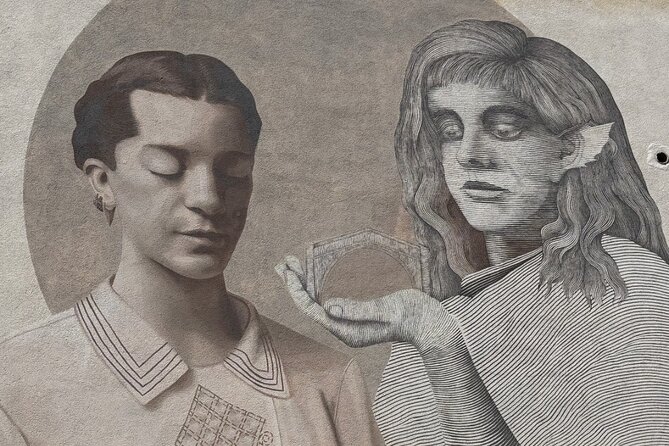
Your final stop lands at Španski trg (Spanish square). This is where Mostar’s layered past becomes easy to spot in the same frame.
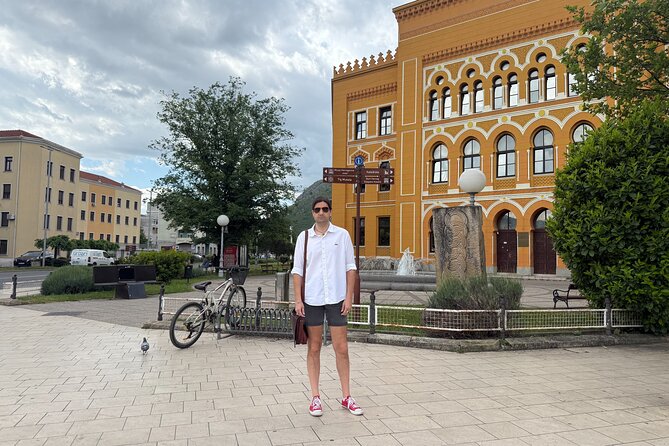
You’ll see the elegant Austro-Hungarian Mostar Gymnasium nearby, and then you’ll notice the graffiti and stencils that show up in the surrounding area. The point here isn’t only the art style. It’s the message: young artists reclaim space, even in places that carry older, official identities.
You’ll also hear about the Monument to the Spanish Fighters. The tour explains how the area evolved—from wartime division to a space where expression, protest, and quieter reflection can coexist.
That’s the emotional end of the tour. The earlier stops lean toward architecture, restoration, and process. Here, the stories land in public memory. A square is not just where you meet people—it’s where communities declare what they stand for.
Possible drawback: if you’re hungry, this is the part where you’ll likely feel the absence of food on the tour. The tour includes no food or drinks, so plan a meal afterward (and keep some time buffer).
Price and value: what $36.01 buys you in Mostar
The price is $36.01 per person for about 1 hour 30 minutes. That’s not “cheap,” but it also isn’t trying to sell you a long production. You’re paying for something more specific: a guided walk by a local artist, with insider stories tied directly to what you’re looking at.
Small details signal the value:
- The tour covers four distinct stops with different meanings, not just one neighborhood wall
- Admissions at the listed locations are handled as free entry within the experience
- You get built-in time for photos and questions, which turns the walk from passive sightseeing into a two-way conversation
- The group is capped at 8 people, which helps the guide adapt to what you ask
Also, booking timing hints at demand. This tour is typically booked about 12 days in advance on average. If you want a specific day, don’t wait until the last minute.
How to get the most out of the walk
This tour rewards attention. Here are a few practical moves that make it easier to enjoy every stop:
- Wear shoes you trust. It’s fully on foot, and you’ll be moving between spots.
- Bring a phone with enough battery. You’ll likely want to photograph facades and stencils.
- Ask smart questions early. The best moment is while you’re still at the first or second stop, when you haven’t locked in your interpretation yet.
- Use the question time. The experience explicitly includes time to ask things, so don’t be shy.
- Plan around food. Since food and drinks aren’t included, decide in advance where you’ll eat after you finish at Španski trg.
If you’re the type who likes to read the city’s visual language—what people put on walls and why—this will feel like money well spent.
Who should book this Mostar street art and graffiti tour?
I’d point this tour toward people who:
- want Mostar beyond the classic old-town sights
- like understanding context, not just snapping pictures
- enjoy art that’s tied to real locations and real memory
- have limited time in town and want a high-signal experience in about 90 minutes
- like small-group tours where you can actually ask questions
It’s also a solid choice whether you’re visiting for a quick stopover or staying longer and want an extra layer.
Final verdict: should you book it?
Yes, I’d book it—especially if you want the story behind the walls. This tour hits the sweet spot of Mostar street art: art with history, told by people who understand the scene from the inside. The small group size, the local artist guidance, and the fact that each stop has a clear theme make the time feel well used.
I’d skip it only if walking and standing at murals while you listen isn’t your style. Otherwise, this is one of the best ways to see the city’s creative voice up close—without needing a museum ticket or a long schedule.
FAQ
How long is the Mostar Street Art & Graffiti Tour?
It lasts about 1 hour 30 minutes.
How much does the tour cost?
The price is $36.01 per person.
Where does the tour start and where does it end?
It starts at Hotel Bristol and ends at Španski trg.
Is the tour offered in English?
Yes, it’s offered in English.
What’s included in the tour price?
You get a guided tour by a local artist, insider stories behind murals and festivals, and time for photos and questions.
Is food or drinks included?
No, food and drinks aren’t included.
Do I need transportation, or is it all walking?
It’s fully on foot, so no transportation is included.
What group size should I expect?
The tour has a maximum of 8 travelers.
Can I cancel for free?
Yes. You can cancel up to 24 hours in advance for a full refund.