REVIEW · NEW ORLEANS
New Orleans Culture Street Art & Mural Walk
Book on GetYourGuide →Operated by Treme Luxury Experience Tours & Transporation · Bookable on GetYourGuide
Street color tells the city’s real story. This New Orleans street art and mural walk turns a quick stroll into neighborhood context, starting at a less-visited local café and ending right back where you began. You’ll see murals, notable homes, and the kind of details that usually get skipped when you only focus on the French Quarter’s big sights.
I love two things most: the tour starts at Crazy Plant Bae, a spot you might miss without local guidance, and your guide shares personal, ground-level stories tied to community places and development. One consideration: it’s only 1 hour, so if you want a long shopping or food crawl, you’ll need to treat the walk like a strong sampler and plan the rest on your own.
In This Review
- Key highlights
- Starting at Crazy Plant Bae: why the first 5 minutes matter
- Your guide experience: Hollis and the kind of street-level storytelling you remember
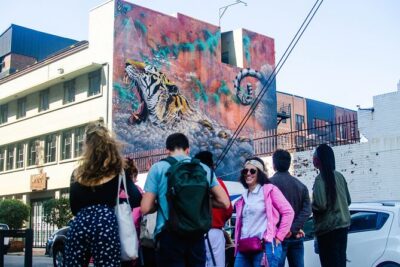
- What you’ll see: murals, striking homes, and how to notice the details
- Neighborhoods near the French Quarter: walking with a story map in your head
- The stops that hit hardest: community centers and the Black Wall Street to overpass story
- Photo-friendly pacing: how to get great shots without turning it into a race
- Tips for shopping, dining, and drinks: the kind that actually help
- Price and value: is $25 worth 1 hour?
- Who this New Orleans mural walk suits best
- Should you book this street art and mural walk?
- FAQ
- What is the duration of the New Orleans Culture Street Art & Mural Walk?
- How much does the tour cost?
- Where does the tour start?
- Where does the tour end?
- Is the tour wheelchair accessible?
- What language is the guide?
- Are photos included?
- Is there free cancellation?
- Are flexible tour times available?
Key highlights
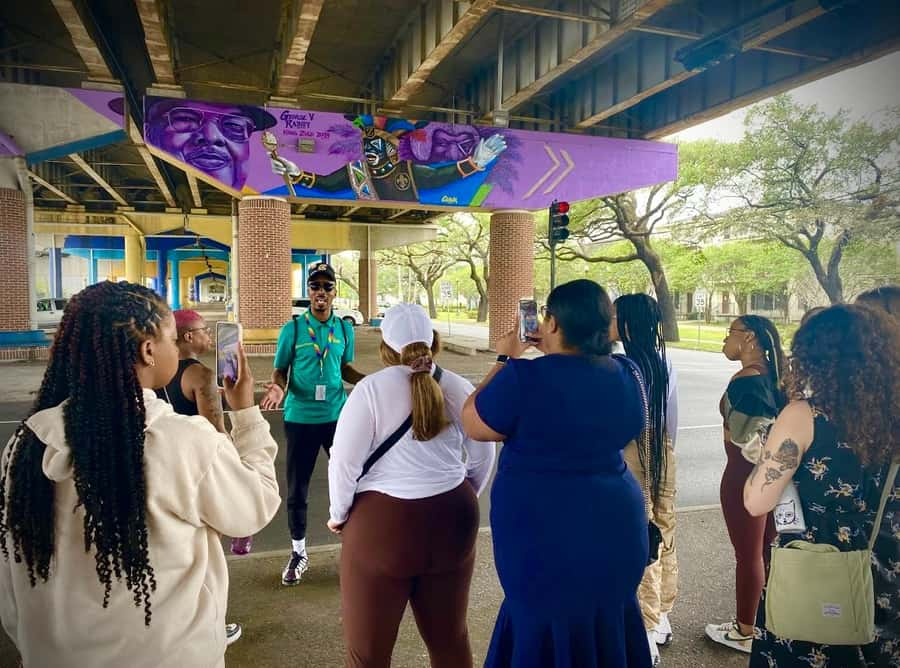
- Start at Crazy Plant Bae with a guide-first orientation to what you’re about to see
- Street art and murals paired with neighborhood context, not just photos
- Historically important stops near the French Quarter, including community spaces
- A clear story arc around the former Black Wall Street and how it changed
- Practical tips for shopping, dining, and drinks before you leave the area
- Unlimited photo-taking during the walk, so you can capture the walls and homes
Starting at Crazy Plant Bae: why the first 5 minutes matter
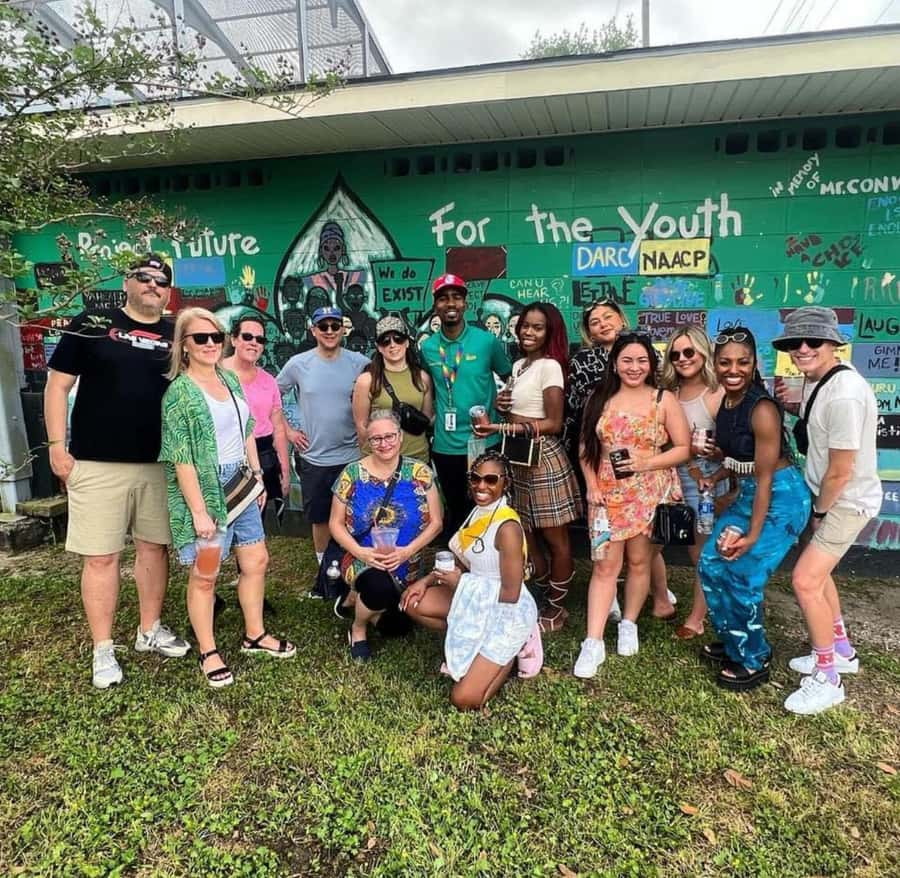
The tour’s meeting point is Crazy Plant Bae, and that choice sets the tone. Instead of starting at a postcard spot, you begin at a local-style café, which helps you get into “neighborhood mode” right away. You’re not just collecting images of New Orleans; you’re being introduced to the idea that art and daily life share the same streets.
For me, that matters because it changes your pacing. In a city like New Orleans, you can walk for hours and still feel like you’re passing through. Starting at a local café gives you a mental map fast: where to look, what to ask, and what details are worth slowing down for.
It also keeps things simple. The tour ends back at the meeting point, so there’s no end-of-walk scramble. If you’re staying near the French Quarter, you can wrap this up and head straight to dinner without re-planning your day.
You can also read our reviews of more walking tours in New Orleans


Your guide experience: Hollis and the kind of street-level storytelling you remember
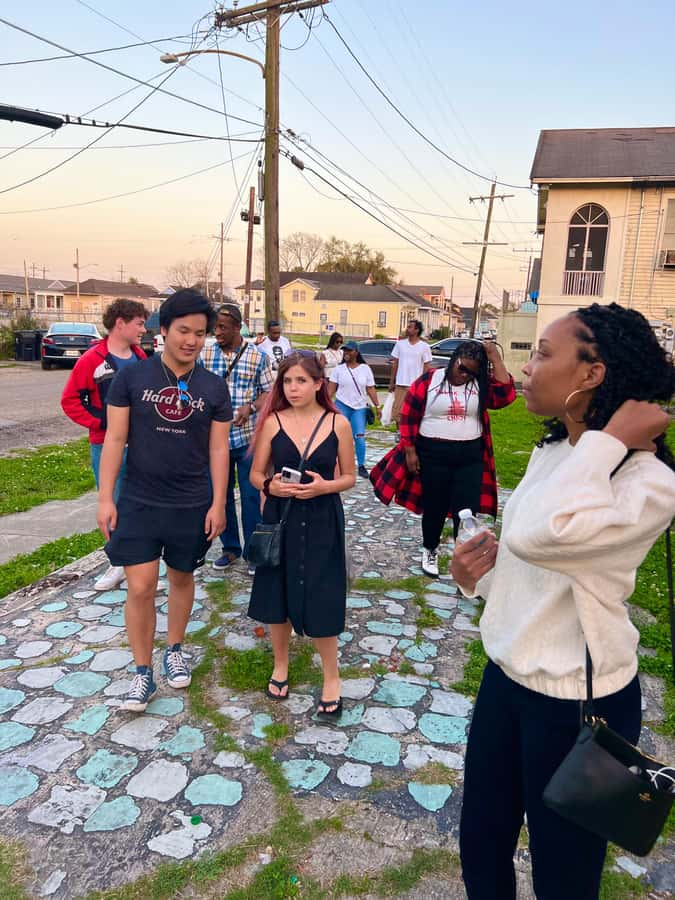
The tour is led by a live English-speaking guide, and one name that comes through clearly is Hollis. The strongest praise centers on his ability to connect what you see on the walls to people and places, using his own perspective and local familiarity. That’s the difference between a standard mural photo stop and a walk where the city feels personal.
What you gain is context with weight. On this route, you’ll hear about spots that matter but often don’t get the same attention as the French Quarter’s headline attractions. A standout focus is the story tied to the former Black Wall Street and how the area became a highway overpass. Another key theme is the role of community spaces, including a community center stop.
If you’re the type who likes to understand why a place looks the way it does, this style works. You leave with more than “cool art.” You leave with ideas about how development, resilience, and history show up in the present-day street scene.
What you’ll see: murals, striking homes, and how to notice the details
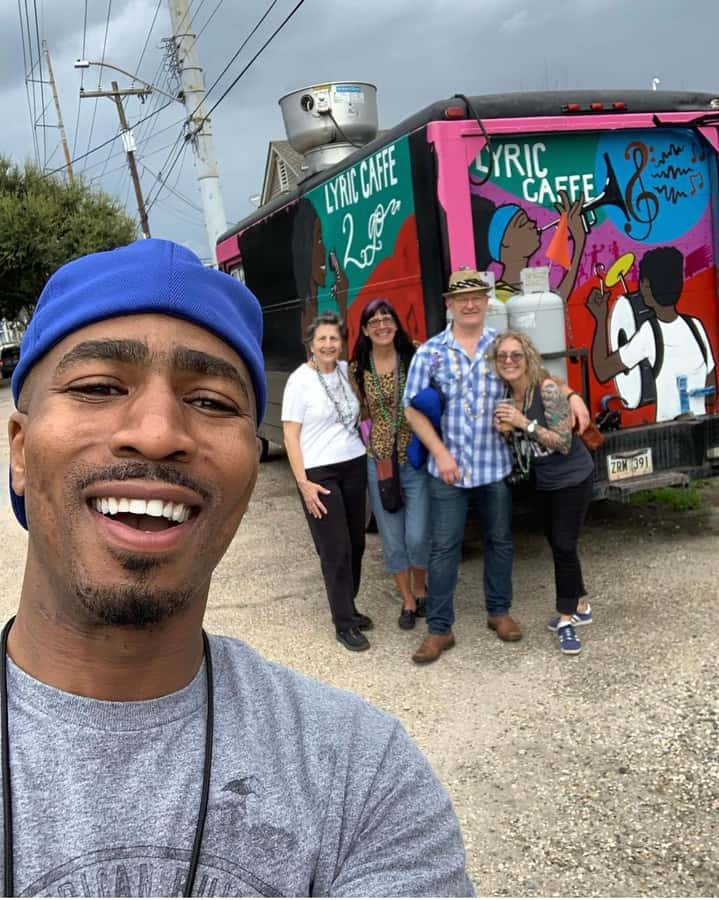
This walk includes street art and mural highlights, plus a look at beautiful homes nearby. The practical advantage here is that you’re covering more than one layer of the city’s visual language in a short window.
When you’re standing in front of a mural, don’t just look for the main image. I like to watch for three things:
- Placement: murals often mark identity and memory—what used to be here, and what people want to keep visible.
- Tone: bright colors aren’t only decoration; they can signal pride, grief, protest, or celebration.
- Context around it: the street, the neighbors’ surroundings, and the block’s rhythm help you read the mural more accurately.
Because the tour also points out notable homes, you get a second lens. New Orleans isn’t only about what’s painted on walls; it’s also about the built environment—porches, facades, and the way neighborhoods hold together. Paired with mural storytelling, that combination gives you a fuller picture of how “culture” functions in daily life.
And yes—you’ll be able to take unlimited photos during the experience. That matters because street art rewards slow looking, and you don’t need to rush your camera decisions.
Neighborhoods near the French Quarter: walking with a story map in your head
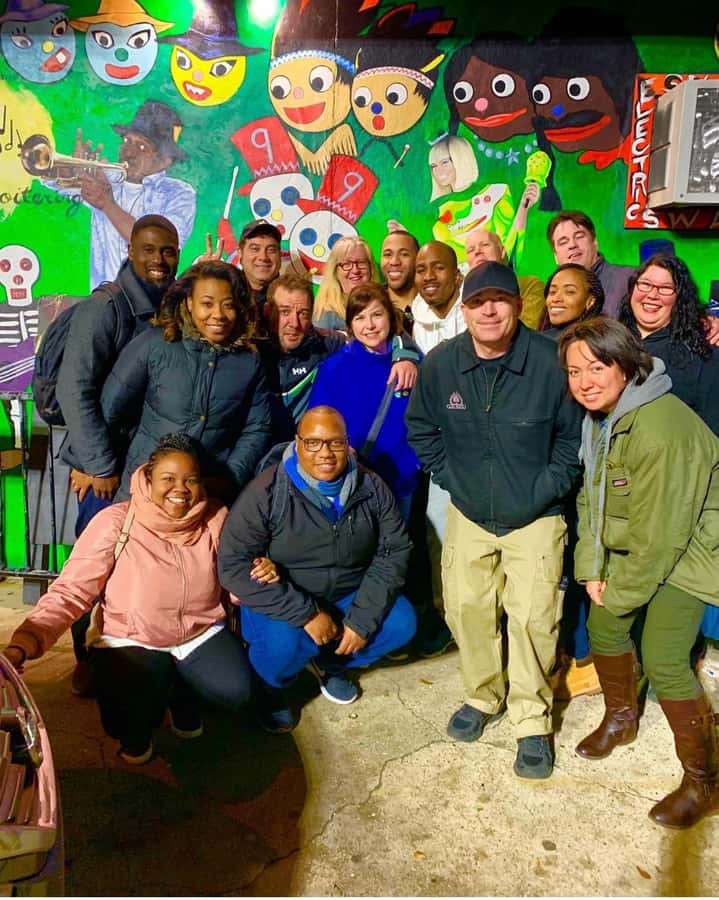
You won’t be stuck in one single pocket. The route focuses on historic neighborhoods near the French Quarter, which is exactly the kind of geography I recommend for first-timers who already feel French Quarter fatigue starting.
Here’s the key idea: when neighborhoods are close to the French Quarter, people often treat the area like one big blur. This tour helps you separate blocks into meaningful zones, and it gives you a reason to care about the differences. You’ll get stories tied to how various cultures shaped New Orleans, and those stories help you understand why the city has such distinct visual “personalities” from street to street.
This is also where the pacing helps. With a 1-hour format, you don’t get stuck in “destination hopping.” Instead, you move with intention. You can ask your guide questions as you walk, and you’ll know what to look for before you reach each spot.
If you’re hoping to see everything in one day, this won’t cover the entire city. But it does a smart job: it turns a small area near the French Quarter into a coherent, meaningful route.
The stops that hit hardest: community centers and the Black Wall Street to overpass story
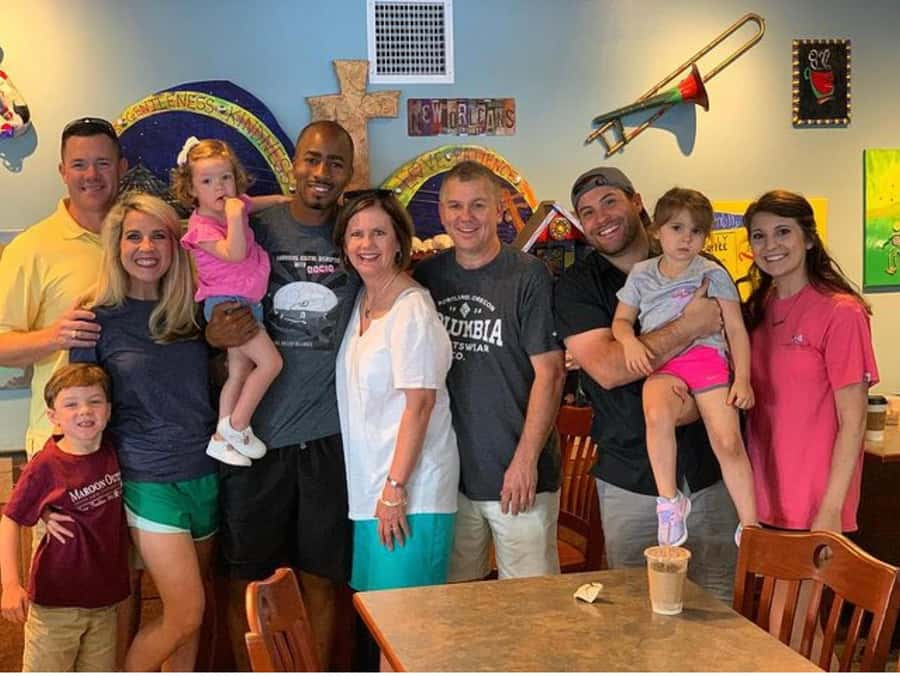
Some tours show you murals and call it a day. This one adds the harder human layer, and that’s why it earns its top ratings.
One of the most praised moments includes a stop connected to the former Black Wall Street story—specifically how the area was transformed into a highway overpass. You’ll also visit or pass through a community center location that’s tied to real local life and community support.
That pairing is powerful. It links art to lived experience. It helps you understand why street art can look celebratory on one corner and carry a message of loss on another. It also makes the city’s modern layout feel less random.
If you want your New Orleans experience to include honest context, this part delivers. Not in a heavy, lecture-only way—more like the guide points out what you’re seeing, then explains what it represents. That’s the sort of storytelling that stays with you long after your photos are saved.
A few more New Orleans tours and experiences worth a look

Photo-friendly pacing: how to get great shots without turning it into a race
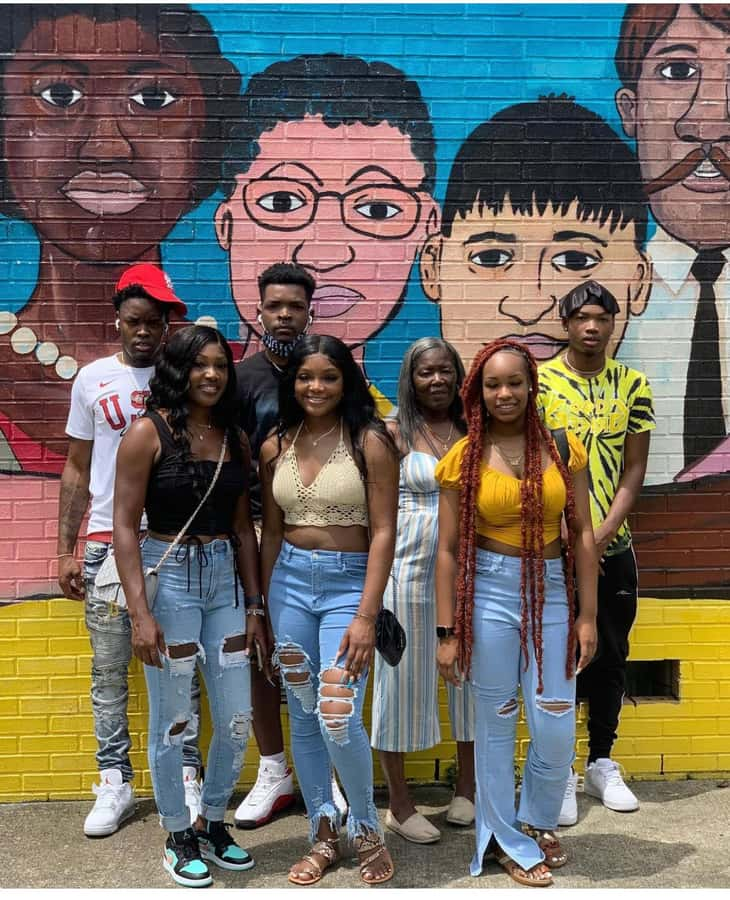
Street art tours can go two ways. Either you spend the whole time sprinting to keep up, or you linger and miss the story. This walk strikes a better balance by giving you multiple chances to stop and take photos throughout the experience.
Because the tour includes unlimited photo-taking, you can slow down when you find a mural that draws you in. I’d treat this as a “look first, shoot second” situation. Take one wide shot to capture the full wall, then step back into your own rhythm. You’ll spot details you’d miss if you were only hunting for the perfect frame.
The route also includes notable homes. Homes give you good variety in your photo set, and they help you notice how murals fit into residential life rather than existing as isolated artwork on an empty backdrop.
One small practical note: because it’s a walk, wear shoes you’re comfortable in for at least an hour of moving around. Keep your phone charged, and if you like photos, arrive ready to pause.
Tips for shopping, dining, and drinks: the kind that actually help
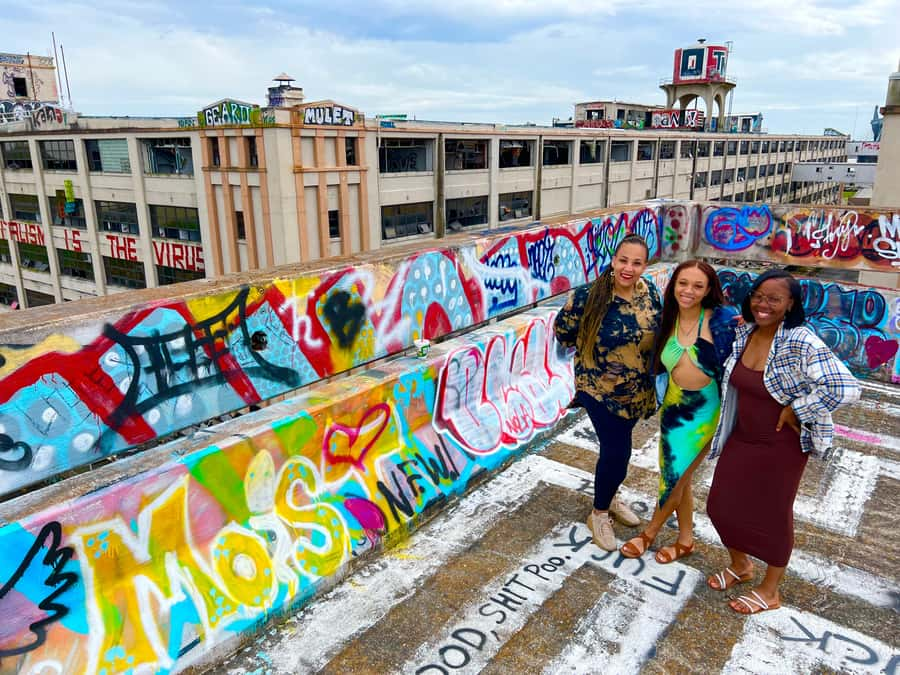
A big part of the value here isn’t just what you see—it’s what your guide can tell you about what to do next. You’ll get tips on shopping, dining, and drinks, tailored to the areas you’ve just been walking through.
This is where I think the tour is especially useful. After a mural walk, you’re already tuned into the neighborhood feel. Your guide’s recommendations make it easier to choose places that match that mood—rather than picking the first bar with a neon sign.
Also, the tour mentions optional stops for food, shopping, and drinks upon request. That can be handy if you want a quick snack or a short browse without needing a separate plan. With only an hour total, think of these as add-on moments, not a full second activity.
If you like having a local’s shortcuts—like where to go for a simple drink or what type of shopping makes sense nearby—this is a straightforward way to get them.
Price and value: is $25 worth 1 hour?
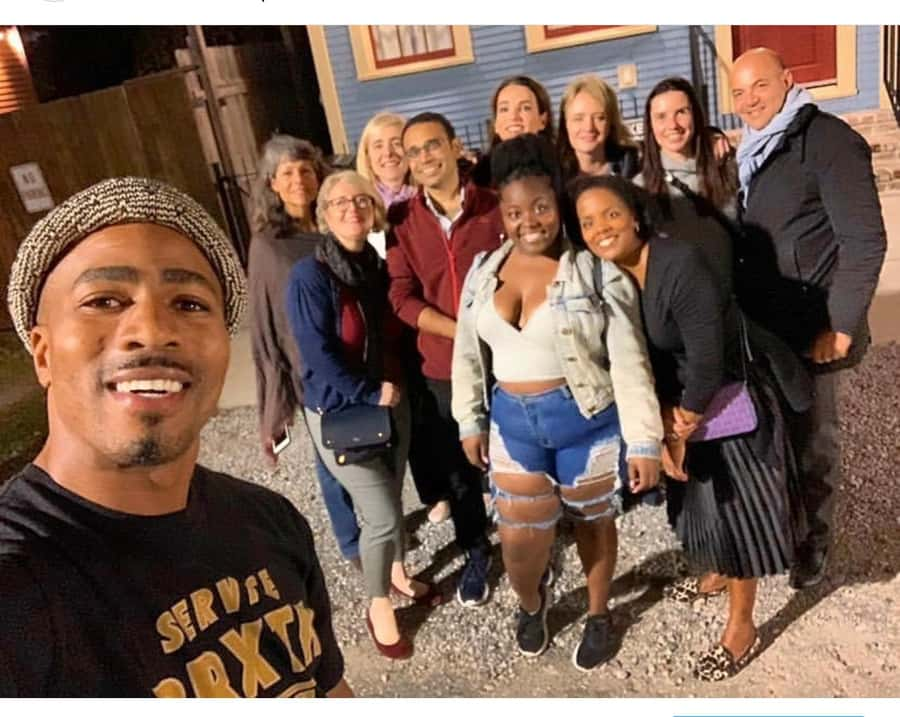
At $25 per person, the tour sits in a reasonable range for a guided, photo-included walking experience with active storytelling. The cost isn’t just for “seeing murals.” You’re paying for context and a guide who can connect the visuals to the people and changes that shaped the area.
You’re also getting a clear structure: start at Crazy Plant Bae, take photos, walk through historic neighborhoods near the French Quarter, and come back to the start. That round-trip simplicity is part of the value.
The main reason to treat it as a good buy is time efficiency. If your schedule is tight, this is the kind of activity that adds meaning without taking over your whole day. But if you’re expecting a long, multi-hour deep dive with lots of stops and extended food time, you may feel limited by the one-hour duration.
Who this New Orleans mural walk suits best
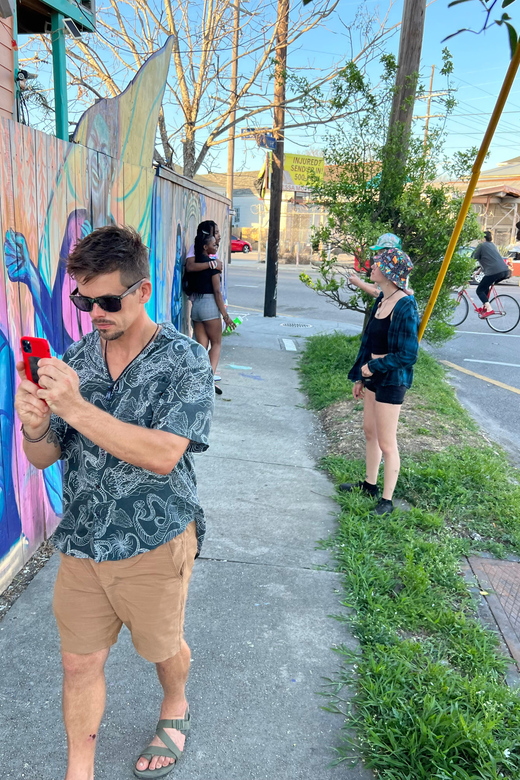
This is a strong fit if you:
- want culture-focused street art instead of only photo points
- like learning about a neighborhood through real community spaces
- want a guided route near the French Quarter without spending all day there
- value practical suggestions for what to do next (shopping, dining, drinks)
It’s also a good option if you’re camera-happy. The tour explicitly supports unlimited photos, and the route includes both murals and notable homes.
If you prefer tours that stay mostly light and entertainment-first, you might find the more serious context about community change less “party mode.” But for most people, that honesty is exactly what makes New Orleans feel like New Orleans.
Should you book this street art and mural walk?
Yes, I’d book it if you want your French Quarter trip to have a second layer. Starting at Crazy Plant Bae and getting guided stories about murals, homes, and community-connected history nearby makes the area feel more meaningful fast. The guide style—highlighted by Hollis’s insight and personal, locally grounded explanations—adds credibility to the whole walk.
Book it especially if you’re short on time and you don’t want to plan an extra half-day. Just keep expectations realistic: it’s one hour, so treat it as a strong, story-led sampler. Then use your guide’s shopping and food tips to build the rest of your day the way you want.
FAQ
What is the duration of the New Orleans Culture Street Art & Mural Walk?
The tour lasts 1 hour.
How much does the tour cost?
It costs $25 per person.
Where does the tour start?
The meeting point is Crazy Plant Bae.
Where does the tour end?
The activity ends back at the meeting point.
Is the tour wheelchair accessible?
Yes, the tour is wheelchair accessible.
What language is the guide?
The guide is English-speaking.
Are photos included?
Yes. You have free access to all tour locations and the opportunity to take unlimited photos.
Is there free cancellation?
Yes. You can cancel up to 24 hours in advance for a full refund.
Are flexible tour times available?
Yes. Flexible tour times are available, and you can message to schedule a time that fits your itinerary.