REVIEW · FLORENCE
Pitti Palace, Palatina Gallery and the Medici: Arts and Power in Florence.
Book on Viator →Operated by FlorencePass · Bookable on Viator
Medici power, told room by room. This Palatine Gallery at Pitti Palace tour gets you inside fast and guides you through the rooms where the Medici ruled, with art-star stories and real technique talk. I especially love the small-group setup with earsets, which keeps the pacing calm instead of chaos.
Second, I love the way the gallery is arranged for impact, not classroom order. You’ll move room to room, learning why certain paintings sit where they do, then the guide ties it back to the palace’s rise and fall.
One possible drawback: this is primarily an art-and-collection tour, not a tour of the Medici’s daily life in their exact original furnishings, and it does not include a guided garden visit—only views.
In This Review
- Key things that make this tour worth your time
- Pitti Palace and Palatine Gallery: the Medici’s stage
- Price and what you actually get in 2 hours
- The meeting point: getting your bearings at Piazza Pitti
- Entering Pitti Palace with timed access
- Stop inside: Palatine Gallery rooms and the Medici display style
- Big names you’ll see: Raphael, Caravaggio, Titian, Rubens
- Guides who can explain more than the label
- Windows, views, and a quick Florence reality check
- Where the tour ends—and what that means for your next step
- Who this tour is best for
- Practical tips before you go
- Should you book Pitti Palace and the Medici: Arts and Power in Florence?
- FAQ
- How long is the tour?
- Is the tour in English?
- What size is the group?
- Does it include admission to Pitti Palace and the Palatine Gallery?
- Do I need to bring my ID?
- Is Boboli Gardens included?
- Is food included?
- What’s the cancellation window?
Key things that make this tour worth your time
- Timed entry that helps you bypass long lines so you start seeing art faster
- Small-group max of 14 with earsets when the group is bigger
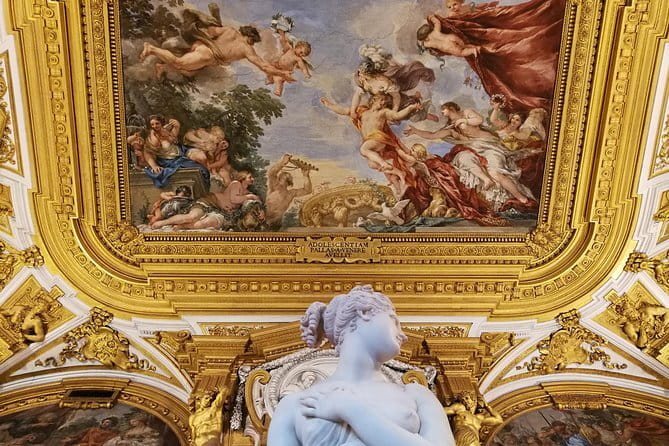
- Palatine Gallery rooms arranged for aesthetic effect, not chronological history
- Medici story told through major artists like Raphael, Caravaggio, Titian, Pietro da Cortona, and Rubens
- Good Florence sightlines from windows, including Santo Spirito and the Boboli Gardens area
Pitti Palace and Palatine Gallery: the Medici’s stage
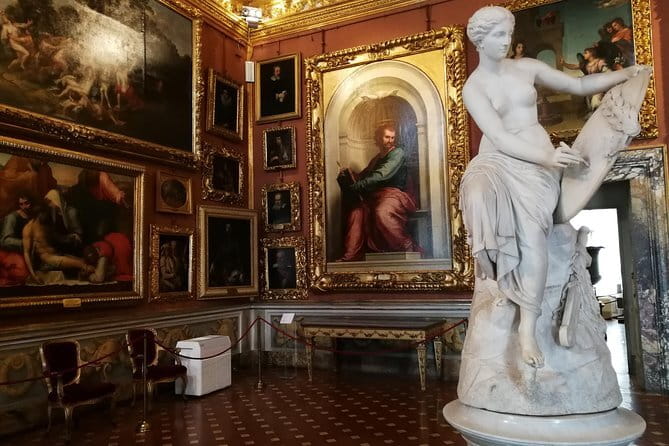
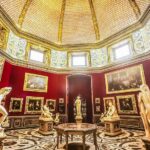
Pitti Palace can look a bit stern from the street. Then you step inside and the place turns into a statement: huge, deliberate, and built for power. The Medici didn’t just live here—they used the palace as a kind of visual speech. This tour makes that clear fast, because you don’t just shuffle through paintings. You get the building context alongside what’s on the walls.
The best part is how the art becomes the storyline. Instead of treating the Palatine Gallery like a random painting warehouse, the guide ties the collection to the people who collected it and the status they were trying to project. If you’ve ever wondered why the Medici mattered beyond politics, this is a strong way to understand it through images, display choices, and the tone of the rooms.
You can also read our reviews of more museum experiences in Florence


Price and what you actually get in 2 hours
At $82.27 per person for about 2 hours, you’re paying for three things that matter in Florence: access, interpretation, and time saved. The timed entry ticket to Pitti Palace and the Palatine Gallery is included, and you’re not just buying admission—you’re buying a guided plan that helps you see more without getting lost in the scale of the palace.
Also, small groups change the experience. With a maximum of 14 participants, you can ask questions without feeling like you’re shouting into a crowd. If the group size triggers it (the tour provides earsets for groups of 4+), you’re set up to hear the guide clearly even in lively rooms.
Is it a budget pick? Not exactly. But for this specific building and this specific gallery, it’s a reasonable value when you factor in the timed entry and the guide-led meaning you’d otherwise miss if you wandered on your own.
The meeting point: getting your bearings at Piazza Pitti
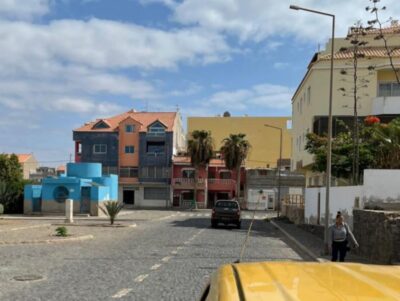
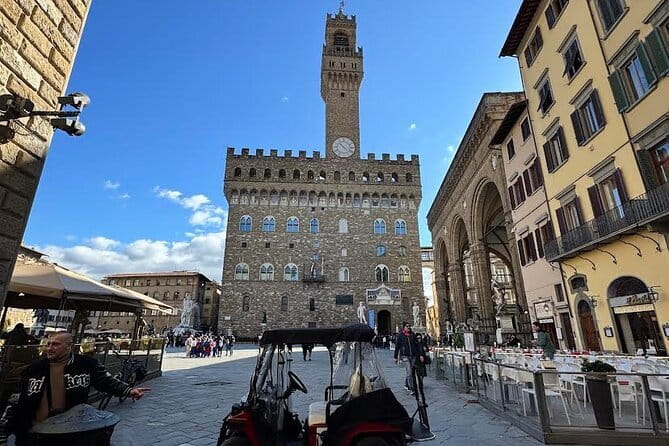
You start at Palazzo Pitti, Piazza de’ Pitti 1. That’s a helpful start point because it’s not hidden down a side alley—you can orient quickly, then step into the palace area without wasting time.
There’s also a quick orientation stop in the Piazza Pitti Palace area before you enter. It’s short, but it matters. Even a few minutes of orientation helps once you’re inside, because you understand what you’re looking at—then you can connect exterior context to what’s happening in the rooms.
Practical tip: build in a little cushion for meeting time. Florence is full of intersections and slow decision-making, and the tour starts from a specific address.
Entering Pitti Palace with timed access
The tour uses a timed entry ticket and you head inside with line-bypass support at the main entrance. In real terms, this is huge. Pitti Palace and the Palatine Gallery can feel like a lot—so saving time at the door means you spend your energy on art instead of waiting.
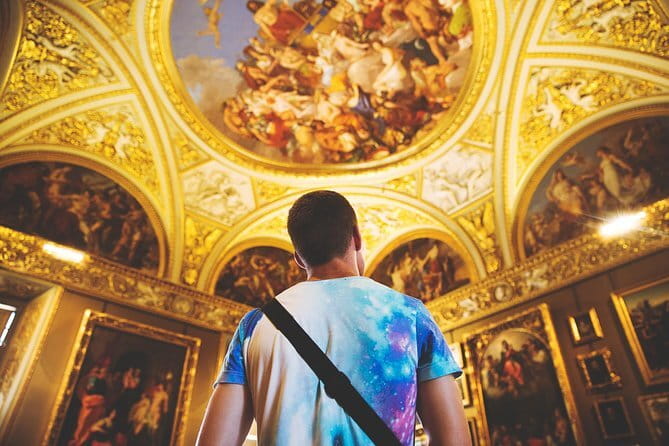
Once inside, you follow the guide through opulent rooms. The route isn’t presented like a timeline lesson. Instead, it’s arranged for aesthetic flow, so you feel the effect of the collection the way the Medici likely wanted viewers to.
Stop inside: Palatine Gallery rooms and the Medici display style
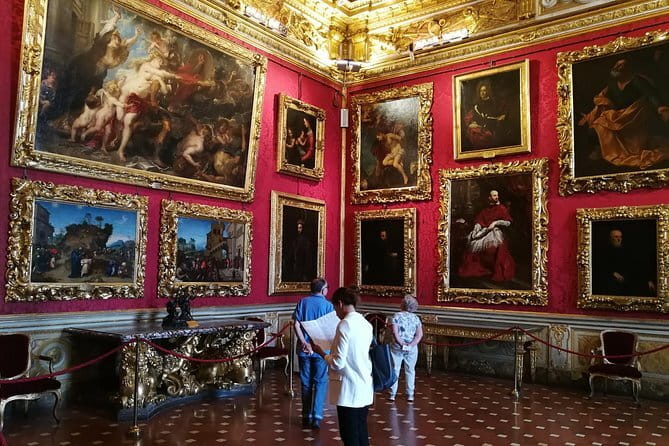
This is the heart of the experience: about 90 minutes in the Palatine Gallery. The big idea here is how the collection is arranged. Rather than hanging everything in strict chronological order, the rooms are set up for visual impact. That changes how you experience it.
You’re not just hunting for famous names. You’re learning how a palace turns private collecting into public authority. The rooms feel curated by taste and power—what’s grouped together, how scale is handled, and how certain artists signal wealth and cultural reach.
You also learn about the palace’s timeline: the Medici took over in the 16th century, and the family’s political power faded later, in the 18th century. That arc matters because the palace isn’t static. It’s a building that reflects shifting fortunes.
If you like art that has context—who owned it, why it was kept, what it was meant to say—this structure works well.
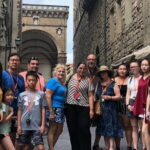
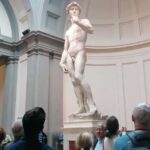
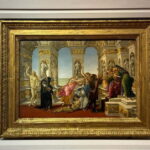
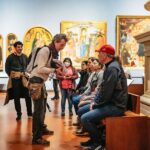


Big names you’ll see: Raphael, Caravaggio, Titian, Rubens

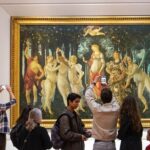
The Palatine Gallery is where the tour earns its keep. You’ll see major works by artists including Raphael, Caravaggio, Titian, Pietro da Cortona, and Rubens. The key isn’t only spotting the painter’s name. It’s understanding why these paintings fit the Medici worldview.
Here’s how the guide approach pays off:
- Raphael helps you see the Medici love for prestige and classical beauty.
- Caravaggio brings drama—light, shadow, and emotional intensity that suits a powerful collecting strategy.
- Titian adds depth and political polish, the kind of painting that reads as status even before you interpret the subject.
- Pietro da Cortona shows the palace’s taste for theatrical composition.
- Rubens signals cultural reach, too, with works that can feel grand and energetic.
The tour focuses on stories and techniques behind masterpieces, so you don’t just get descriptions. You get hints for what to look for: what the artist is doing with light, movement, expression, and paint handling.
And yes, you’ll get personalization if you want it. The tour format includes time to ask questions, and guides are clearly comfortable answering directly about what you’re seeing.
Guides who can explain more than the label
One reason this tour scores so high is the guide factor. The tour runs with experienced and licensed English-speaking guides, and you can get a seriously art-literate perspective.
In particular, guides have included art restoration specialists—people like Camilla, who talks from both an art-history angle and a practical restoration/technique angle. That kind of guide makes a difference because it changes how you interpret paint and surface: why a work looks the way it does, and how condition and restoration can affect your perception.
Other named guides you might hear about include Cristiano and Sarah. The common thread: they connect the Medici story to what’s on the walls, and they don’t treat the visit like a checklist.
If you’re the type who reads museum labels but still wants more, this is the kind of tour that turns you from observer into viewer.
Windows, views, and a quick Florence reality check
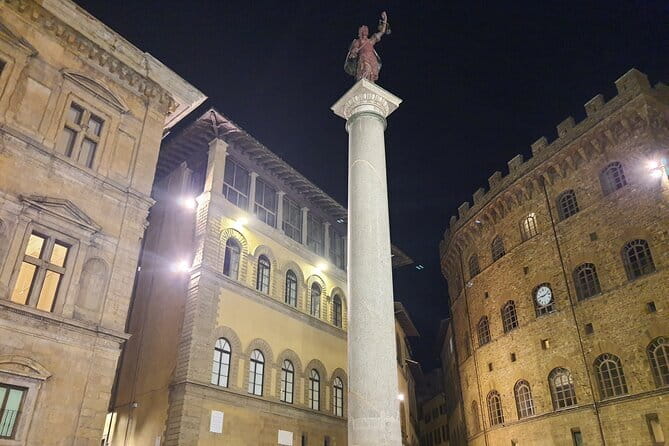
Right during the gallery experience, you get views from the windows, including Brunelleschi’s Santo Spirito Basilica and the direction toward the Boboli Gardens area.
This is a small moment, but it helps you reset your brain. Florence is full of art. Without a break, the museum can start to feel like an endless loop of rooms. A quick exterior view gives you scale: you’re not just inside a museum. You’re inside a palace built in a living city.
Also, it’s useful for planning after the tour. Even if you don’t walk the gardens right away, you’ll know what direction they’re in and how far away they feel.
Where the tour ends—and what that means for your next step
The tour concludes back in the gallery area, and you’re free to keep exploring on your own if you want. That ending style is good: you don’t need to rush back outside right away while your head is still full of images.
It also means you can choose your pace after the guided portion. If certain rooms grabbed you, you can linger. If something didn’t click, you can move on.
One important note: this experience is about Pitti Palace and the Palatine Gallery, plus views from windows. It is not described as a guided walk through the Boboli Gardens themselves. If gardens are your top priority, plan them separately.
Who this tour is best for
This works especially well if you:
- Want major-art highlights without spending half a day figuring out where to go
- Care about how power shows up through collection and display
- Like guided interpretation for works by artists like Caravaggio and Rubens
- Prefer a calmer small-group setting with earsets over a packed museum scramble
It may feel less ideal if you:
- Want a tour focused heavily on the Medici’s daily household life with original furnishings (the experience here is centered on the art collection and palace story, not reconstructed living spaces)
- Are hoping for a full garden tour as part of the same ticket
Practical tips before you go
A few small choices will improve your experience:
- Wear comfortable shoes. Pitti Palace covers a lot of rooms and walking adds up quickly.
- Bring your ID. You must present valid passport or ID that matches the names provided when booking.
- Have the full names ready. If voucher names don’t match, entry can be denied at the ticket office.
- Plan questions. This tour format supports them. If you have a favorite artist or subject, tell the guide what you want to understand.
If you’re choosing between Pitti and the other big Florence art hits, this is a great pick when you want “art plus power” more than just “biggest names.”
Should you book Pitti Palace and the Medici: Arts and Power in Florence?
I’d book this if you want the Palatine Gallery experience to make sense instead of feeling overwhelming. The best value here is the combination of timed entry, a small group, and a guide who can connect famous paintings to the Medici story and the meaning of the rooms.
If your goal is purely the gardens, or you want a deep focus on everyday Medici life with original household details, you might feel a bit shortchanged. But if you’re here for art, display, and power—this tour is a strong use of your limited Florence time.
FAQ
How long is the tour?
It’s approximately 2 hours total, with about 1 hour 30 minutes in the Palatine Gallery.
Is the tour in English?
Yes, it is offered in English.
What size is the group?
The tour is a small-group experience with a maximum of 14 participants.
Does it include admission to Pitti Palace and the Palatine Gallery?
Yes. The tour includes a timed entry ticket for the Pitti Palace Palatine Gallery.
Do I need to bring my ID?
Yes. Each traveler must present a valid passport or ID document that matches the name provided at booking.
Is Boboli Gardens included?
The tour includes views from the windows toward Brunelleschi’s Santo Spirito Basilica and the Boboli Gardens area, but it does not state a guided visit to the gardens.
Is food included?
No. Food and drinks are not included.
What’s the cancellation window?
You can cancel for a full refund up to 24 hours before the experience start time.