REVIEW · PORTO
Porto Tour: Street Art & Architecture Experience 3h
Book on GetYourGuide →Operated by Eco Porto Tours · Bookable on GetYourGuide
Porto can be confusing at first, but the street art makes sense fast. This 3-hour tuk tuk tour strings together neighborhoods where the city’s classic facades sit beside bold contemporary design, and you get a guided thread through it all. I love how the route is built for seeing more than just the postcard spots, with stops that focus on real mural walls and the architecture that frames them.
Two things I really like: you get hotel pickup and drop-off, and the guide is private and multilingual (Portuguese, English, Spanish, French), so you can actually ask questions instead of watching from a distance. The second big plus is that the tour is centered on the street art scene, including major names like Vhils and Odeith, not just generic graffiti watching.
One possible drawback: you’re moving quickly in a compact time window. If you hate walking breaks or you want slow, picture-by-picture museum-style viewing, 3 hours can feel a bit brisk.
In This Review
- Key Highlights to Know Before You Go
- Why Porto Street Art and Architecture Works Better by Tuk Tuk
- Meeting at Estatua de Vimara Pérez: The Start That Sets the Tone
- Old Tiles, Neoclassical Facades, and Modern Lines in the Historic Center
- Baixa to Cedofeita: Open-Air Galleries You Can Actually Picture
- Miguel Bombarda Murals and the Artists Leaving Their Mark
- Bonfim and Porto’s Urban Shift: Baroque Meets Minimal Glass
- How Much You Actually See in 3 Hours
- Price and Logistics: What $233 Per Group Really Buys
- What Makes the Guides Matter (Filipe, Gonzo, Duarte)
- Practical Tips for Getting Great Photos Without Missing the Point
- Should You Book This Porto Street Art & Architecture Tuk Tuk Tour?
- FAQ
- How long is the Porto Street Art & Architecture tour?
- Where does the tour start and end?
- What’s included in the price?
- What languages are the guides available in?
- Is the tour wheelchair accessible?
- Are tickets for museums included?
Key Highlights to Know Before You Go
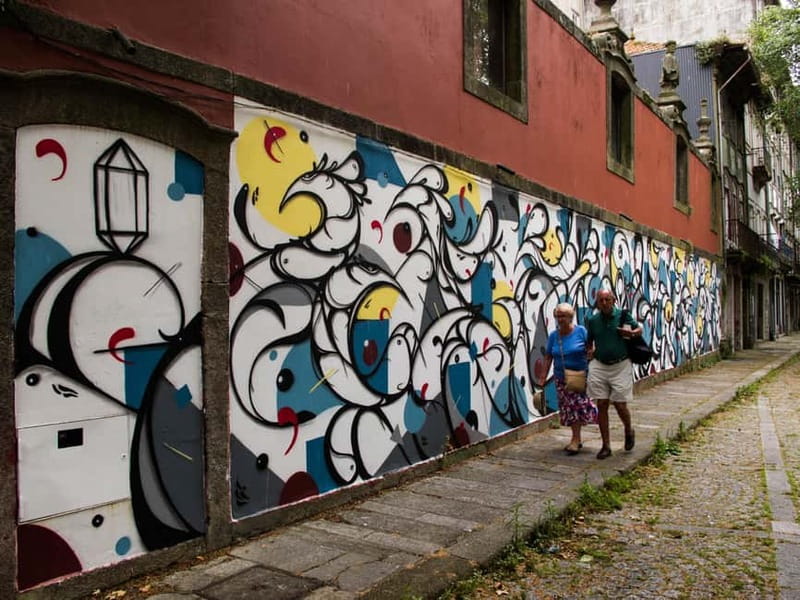
- Tuk tuk transportation keeps the pace lively while you connect multiple neighborhoods fast
- Street art names you’ll recognize like Vhils (carved faces) and Odeith (3D graffiti)
- Contrast-by-design route from historic tiles and neoclassical buildings to modern lines
- Miguel Bombarda and Cedofeita are treated as open-air galleries, not side stops
- Private multilingual guide with strong local context and room for your questions
- A practical focus on “urban transformation”: old stone, baroque touches, and contemporary architecture together
Why Porto Street Art and Architecture Works Better by Tuk Tuk
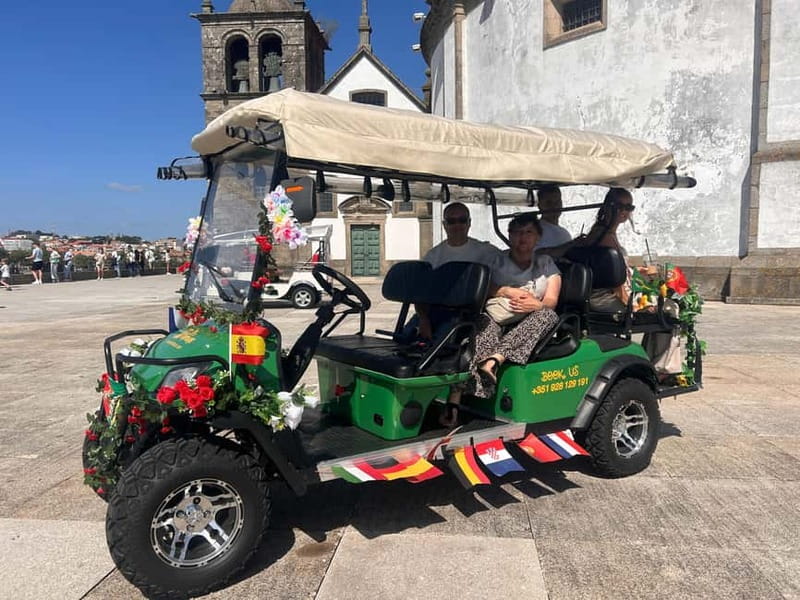
Porto is made for the senses—stone streets, tilework, quick changes in architecture, and that constant mix of old and new. The tuk tuk format matters because it reduces friction. You’re not stuck figuring out how to stitch together neighborhoods on your feet for 3 hours straight.
You also get a street-level view that feels more like walking with a local than following a bus window. The city reads differently when you’re moving slowly enough to spot details, but quickly enough to cover several areas without losing daylight.
And since this is a private group up to 3 people, the experience tends to feel personal. If something catches your eye—an unusual facade, a mural style, a patch of transformation—you can usually ask and steer the attention for the next stop.
A few more Porto tours and experiences worth a look
Meeting at Estatua de Vimara Pérez: The Start That Sets the Tone
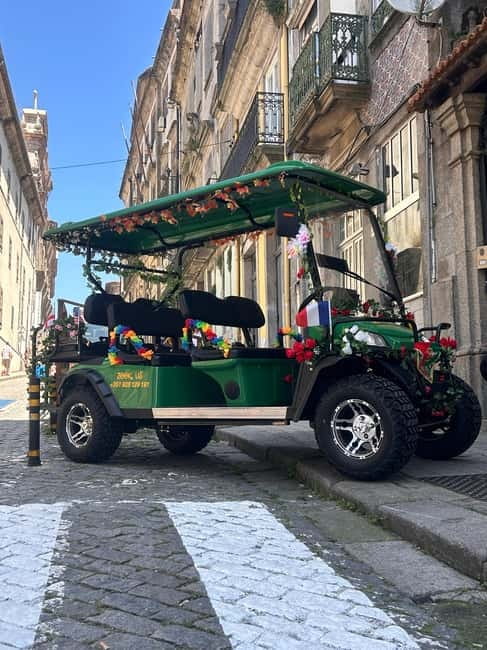
The tour starts at Estatua de Vimara Pérez, which is a solid “get your bearings fast” point. From there, the guide frames what you’re about to see: the idea that Porto isn’t frozen in time. It keeps reinventing itself, and street art is part of that story.
Early on, you’ll be orienting yourself to the city’s layout and visual language. You’ll also get a sense of what the guide thinks matters most: the art, yes, but also how buildings shape the art—where walls sit, how light hits surfaces, and how design choices either amplify or hide messages.
If you’re the kind of person who likes to plan photos, this is a good moment to ask one clear question: what are the top 2–3 stops you should prioritize for the best mural views? A guide will usually tell you fast, and it helps you spend your camera energy in the right places.
Old Tiles, Neoclassical Facades, and Modern Lines in the Historic Center
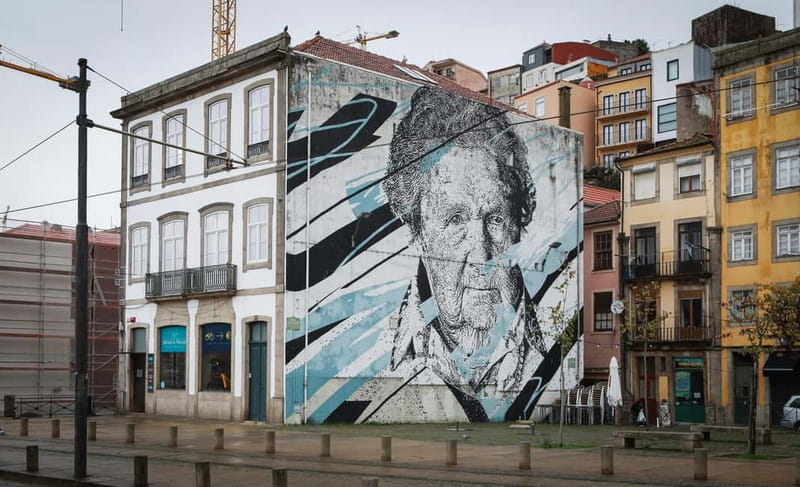
The early part of the tour builds contrast on purpose. You’ll start in the city center where iconic blue tiles and neoclassical buildings meet surprises from contemporary design.
What I like about this section is that it doesn’t treat architecture as background. You’re shown the transitions: older stone facades side-by-side with sleek modern construction. The point is to help you notice how the city’s past and present are literally next to each other, not separated into different worlds.
The tour also points out architectural landmarks you might not connect on your own—like the Fine Arts Faculty—as part of the city’s shift toward design-forward thinking. Even if you’re not into architectural theory, you’ll feel it. The textures, colors, and shapes change, and it makes the street art you see later make more sense.
Possible drawback here: if you’re tired from travel, this opening can feel like a lot of visual input quickly. But that’s also why a guide matters—they’ll explain what you’re seeing while you’re still fresh.
Baixa to Cedofeita: Open-Air Galleries You Can Actually Picture
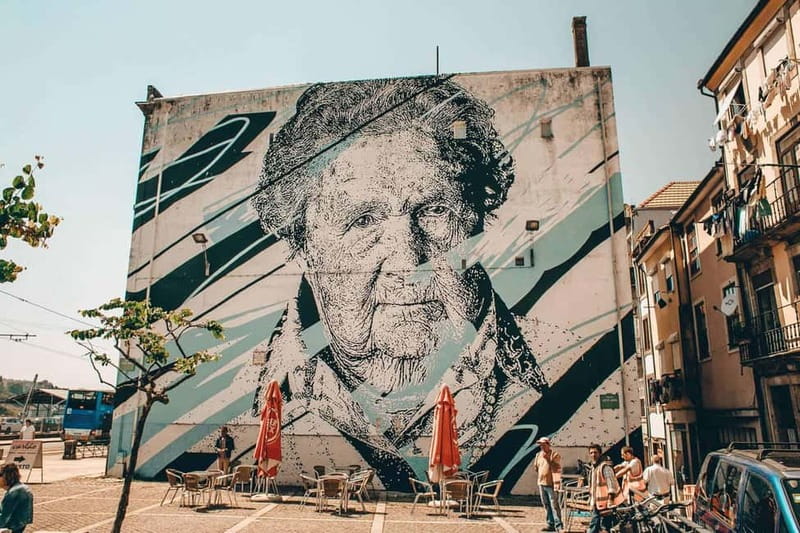
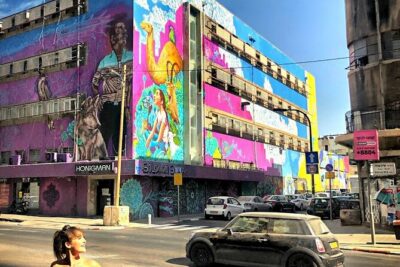
Once the tour moves into the creative zones, the streets start acting like galleries. Baixa, Cedofeita, and Miguel Bombarda are described as places where murals and interventions shape the neighborhood identity.
Cedofeita in particular is one of those areas where the art feels integrated into daily life. Instead of art as a single focal point, you get art as a layer. Walls, corners, and stretches of street become part of a changing city map.
This section is valuable even if you’re not a street-art superfan. Porto’s murals can look “just cool” at first glance. A good guide gives you the why behind the style—how the city used street art as a voice, and how the walls became a place for messages about identity and change.
If you like photography, this is where you’ll start building a pattern for what to shoot: tight angles for texture, wider angles to show building context, and quick shots that capture how the mural sits against architectural edges.
Miguel Bombarda Murals and the Artists Leaving Their Mark
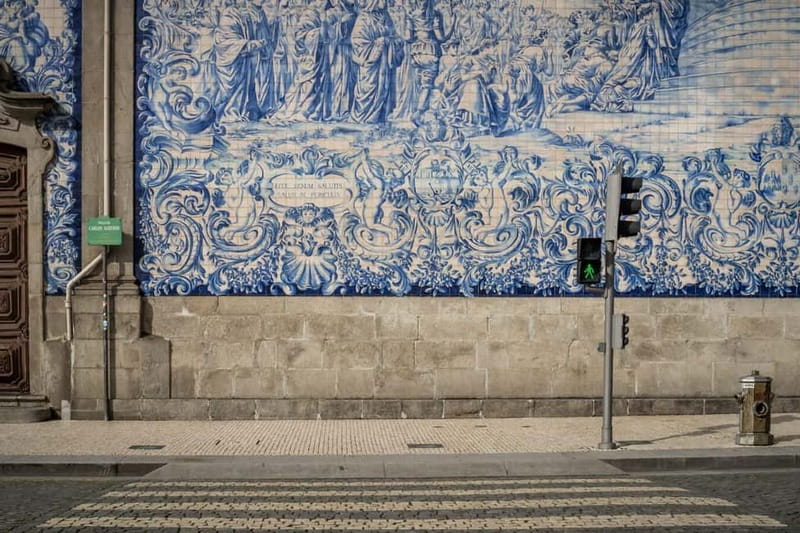
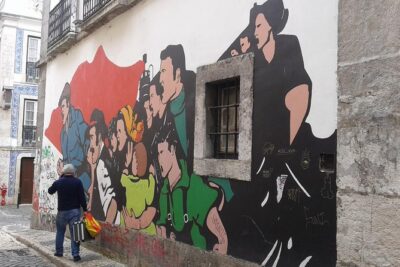
Miguel Bombarda is where the tour’s street art identity really clicks. You’re guided through areas known for large-scale murals and street interventions, including graffiti styles that aim to challenge expectations.
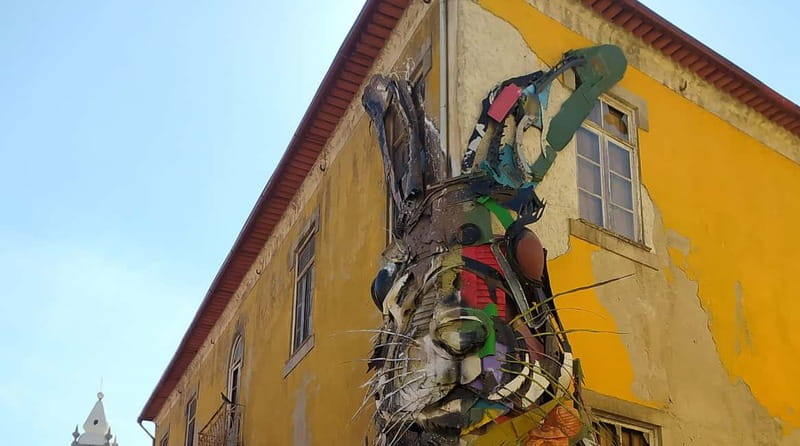
Two artist references stand out: Vhils and Odeith. Vhils is associated with carving human faces into walls, and Odeith is known for 3D graffiti. Even if you’ve seen their work online, seeing it in Porto’s streets is different—you get scale, surface, and the way the message sits in a real neighborhood.
What makes this part work well is that the guide isn’t just naming artists. The tour frames street art as a movement with stories: community projects, underground pieces, and works carrying messages about resistance, identity, and transformation.
One practical thought: bring your camera, but also bring curiosity. If you ask a guide what to look for—technique, symbolism, placement—you’ll often get better photos than if you just aim at the biggest mural.


Bonfim and Porto’s Urban Shift: Baroque Meets Minimal Glass
After the Cedofeita section, you reach Bonfim, and this stop reinforces what the tour is really about: how Porto blends old and new in one continuous visual conversation.
This is where the architecture–street art connection gets especially clear. You may see minimalist structures near older baroque elements. You’ll also notice design contrasts like clean modern lines next to textured stone.
The tour’s storytelling thread helps you read Porto as a city in motion. The point isn’t that everything is “authentic” or “perfect.” It’s that the city’s look is changing, and street art is part of how that change gets communicated.
A possible consideration: if you only care about architecture in the classic sense—churches, heritage buildings, formal monuments—Bonfim can feel more modern and street-focused. That said, the architecture contrasts are exactly what make the murals meaningful. Without the nearby buildings, the art is harder to interpret.
How Much You Actually See in 3 Hours
Three hours is a sweet spot for an urban neighborhood tour, but it has limits. This experience is designed for momentum: you’re not expected to linger like you would in a museum.
You’ll get:
- Guided walking moments within the neighborhoods
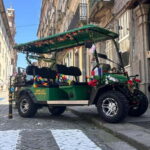
- Transportation in a tuk tuk to connect areas efficiently
- Multiple stop-and-see segments rather than one deep, slow exploration
Here’s the real value: in a short visit, you can still understand the city’s creative logic—how historic design and contemporary expression coexist. If your time in Porto is tight, this format is a strong choice.
If you want the best results from the clock, do this: decide early whether your priority is murals or architecture. You can enjoy both, but if you try to photograph everything equally, you might end up with lots of images that don’t reflect your interests.
Price and Logistics: What $233 Per Group Really Buys
The price is $233 per group up to 3, and that matters because it’s set up for a private experience rather than a big shared bus tour.
So what are you paying for?
1) Private multilingual guidance
You’re not just watching a guide point at buildings. You’re getting context—street art stories and architecture contrasts—plus enough flexibility to ask questions.
2) Hotel pickup and drop-off
That reduces wasted time. In Porto, where neighborhoods don’t always line up neatly for short visits, pickup can be the difference between a smooth day and a chaotic scramble.
3) Transportation by tuk tuk
This is partly comfort, partly efficiency. It helps you cover multiple areas in 3 hours without turning the tour into a full-on walking marathon.
What’s not included: museum tickets for other activities. But for this specific experience, the value is the street-level seeing plus the guidance that turns what you spot into a story you understand.
If you’re traveling solo, you might compare cost-effectiveness with shared tours. If you’re traveling as a small group, this can be an efficient way to buy quality time with a strong guide.
What Makes the Guides Matter (Filipe, Gonzo, Duarte)
The best street art tours don’t just point out walls—they explain how Porto thinks.
In this case, the guide quality is highlighted strongly. Names like Filipe, Gonzo/Gonzalo, and Duarte come up for being responsive, enthusiastic, and helpful in shaping the route around what the group wants.
One review detail that’s genuinely useful for you: a guide can share extra context about life in the city beyond just art facts. That’s the difference between seeing murals as decoration and seeing them as messages in a living urban culture.
One more practical improvement shows up too: having a list posted of the sights would help you keep track. Since you won’t rely on that, just ask for a quick end-of-tour recap. A good guide will gladly summarize what you saw and where to look next if you want to continue on your own.
Practical Tips for Getting Great Photos Without Missing the Point
This tour is built around quick sight windows, so a few small choices help a lot.
- Wear comfortable shoes. You’ll do walking even with tuk tuk movement.
- Bring a camera. You’ll see architecture details and mural surfaces where close shots matter.
- Bring water. Streets and photo stops add up fast.
Also, use the guide time well. If there’s an artist you care about—like Vhils or Odeith—tell the guide early. Ask what to notice in their style and how the placement ties into the neighborhood feel. You’ll usually get better explanations than if you wait until the biggest mural appears.
Finally, if you like planning, bring a short personal list: one neighborhood you want most (Miguel Bombarda or Cedofeita), one building style you want to spot, and one photo style (wide context or tight texture). You’ll leave with a story, not just a memory folder.
Should You Book This Porto Street Art & Architecture Tuk Tuk Tour?
Book it if:
- You want street art with context, not just sightseeing
- You like the contrast of historic Porto plus contemporary design
- You have limited time and want a route that connects neighborhoods efficiently
- You’d benefit from a private, multilingual guide who answers questions
Skip or reconsider if:
- You prefer slow, museum-level pacing where you can linger for long periods
- You’re only interested in classic monuments and have little patience for street-level art culture
- You don’t like moving through multiple stops quickly
Overall, this is a smart value pick for short stays. You’re buying time, guidance, and transportation that helps you see Porto’s creative transformation as one coherent experience.
FAQ
How long is the Porto Street Art & Architecture tour?
The tour lasts 3 hours.
Where does the tour start and end?
It starts and ends at Estatua de Vimara Pérez.
What’s included in the price?
Included are hotel pickup and drop-off, transportation, and a private multilingual guide.
What languages are the guides available in?
Guides are available in Portuguese, English, Spanish, and French.
Is the tour wheelchair accessible?
Yes, the tour is wheelchair accessible.
Are tickets for museums included?
No. Museum tickets for other activities are not included.