REVIEW · BELGRADE
Private Belgrade Street Art and Adventures Walking Tour
Book on Viator →Operated by Snurk.Travel · Bookable on Viator
Street art in Belgrade tells stories fast. This private 3-hour walk uses murals, hidden courtyards, and alternative hangouts to help you understand how people in this city think, create, and hang out. You’ll move through places that are easy to miss on your own, yet they shape Belgrade’s everyday vibe.
I especially like the way the guide connects artwork to history and urban life, so the walls feel meaningful, not random. I also like the mix of stops: from an established alternative center like Magacin to an outdoor passage gallery and a former brewery turned culture hub.
One thing to consider: this is an active walking tour focused on street-facing spots and alley-style entrances, so you’ll want comfortable shoes and a willingness to step off the main streets.
In This Review
- Key highlights at a glance
- Belgrade street art as a shortcut to how the city works
- Price and what you really get from a private 3-hour walk
- Where you start and how the tour flows in real life
- Stop 1: Magacin and why an outdoor center changes the whole mood
- Stop 2: Karađorđeva 31 and the mural with a BELEF festival link
- Stop 3: Belgrade Design District and the story of a 90s mall turned creative hub
- Stop 4: Street Gallery in a hidden passage for critical street art
- Stop 5: Cetinjska 15 and the former brewery that became an alternative hub
- Craft beer and handmade sweets: what to expect for food and drink
- What the guide adds: history, interpretation, and lots of questions
- Who this Belgrade street art tour is best for
- Quick practical advice before you go
- Should you book this private Belgrade street art and adventures tour?
- FAQ
- How long is the Private Belgrade Street Art and Adventures Walking Tour?
- Where does the tour start and end?
- Is this tour private or shared with others?
- What is included in the price?
- Are snacks or drinks included?
- Do the stops require paid admission tickets?
- What is the cancellation policy?
Key highlights at a glance
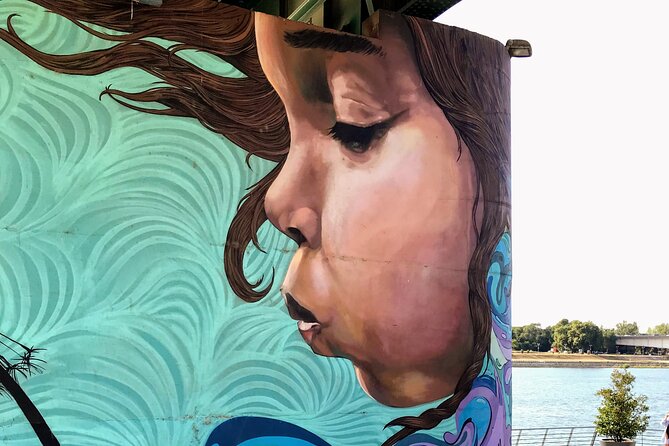
- Magacin at an open-calendar alternative culture center, a street art hotspot where social and cultural events happen
- A festival-era mural at Karađorđeva 31 by Guillaume Alby (REMED), tied to the BELEF festival
- Belgrade Design District, where a 90s abandoned mall became a working space for young designers and artists
- Street Gallery in a hidden passage, showing critical works from young artists outdoors
- Cetinjska 15, a former brewery repurposed into bars, clubs, galleries, and street art
- Craft beer and handmade sweets options, but you should expect to pay for snacks/alcohol separately
Belgrade street art as a shortcut to how the city works
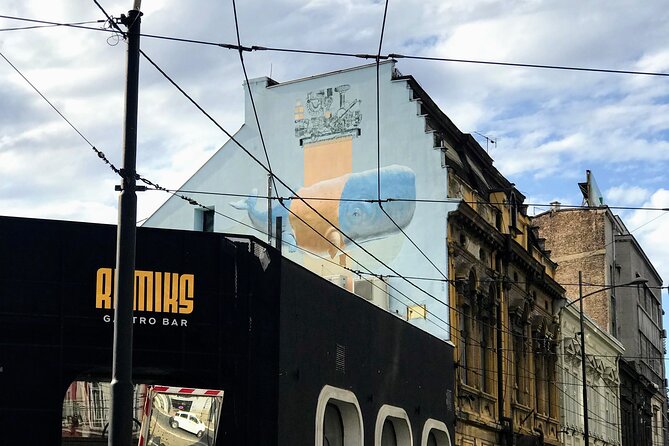
Belgrade can feel like it’s always talking—through music, politics, humor, and style. On this tour, street art becomes your translator. You’re not just looking at murals for decoration. You’re seeing how people claim space and express what matters to them.
What I like most is the balance between art and context. The guide brings a historical backbone to what you see, including how street art functions in the city’s public space. That turns a quick photo-stop into something you can actually read.
Since it’s private, you get more of that back-and-forth feel than you’d have on a standard group walk. If you’re the type who asks why a style looks the way it does, this is a good setup.
You can also read our reviews of more tours and experiences in Belgrade.
Price and what you really get from a private 3-hour walk
The cost is $219.94 per person for about 3 hours, with the major “value” coming from the private format. With private tours, the time is yours: you can linger at a wall, ask follow-up questions, or adjust the pace to your interests.
Also pay attention to what’s not extra. The stops listed here don’t charge you admission as part of the tour experience—each location is noted with free admission ticket status. Your main spending risk is food and drink, since snacks and alcoholic beverages are not included.
There’s also a mobile ticket, which is practical on the day. And because it’s a private experience, only your group participates, so you’re not stuck waiting for the slowest member to finish taking pictures.
Where you start and how the tour flows in real life
You begin at Terazije Fountain (Terazijska česma, Terazije, Belgrade 11000) and you end back near the same meeting point. That matters more than you might think. You’re not left wondering where the tour dumps you, especially if your next plan is in the city center.
It’s also described as being near public transportation, which is helpful if you’re coming from farther districts or trying to connect the walk to another museum or neighborhood.
The flow is built around short, focused stops—around 30 minutes each. That rhythm keeps the tour from dragging, but it still gives time to notice details instead of sprinting from one wall to the next.
Stop 1: Magacin and why an outdoor center changes the whole mood
Your first stop is Magacin, an alternative cultural center that’s among the oldest in Belgrade. It’s known as a street art hotspot and also acts as a space for culture and social activities, using an open-calendar model.
This is a smart first choice. It sets the tone: street art isn’t presented as a rare spectacle. It’s part of everyday creative life—events, community, and the kind of place where new ideas show up regularly.
The biggest practical benefit here is atmosphere. If you walk into Belgrade’s street art world from the outside, you can miss the community side. Magacin helps you understand how the street art scene feeds into real spaces people use.
Potential drawback: it’s an outdoor, activity-driven area. So if the day is pouring rain or chaos is happening nearby, the experience may feel more energetic than you expected.
Stop 2: Karađorđeva 31 and the mural with a BELEF festival link
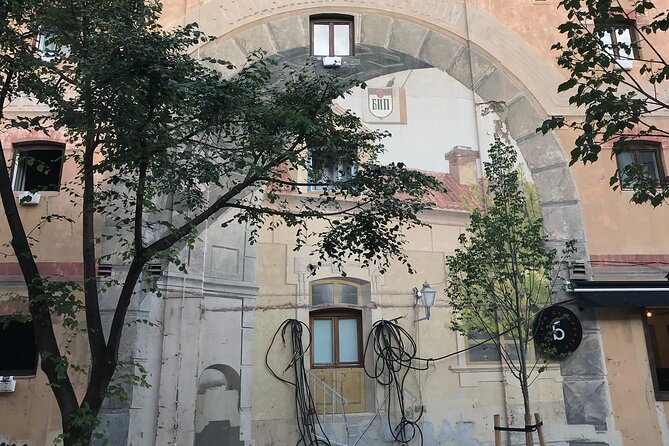
Next is Karađorđeva 31, where a mural was painted in 2008 during the BELEF festival. The artist is French (Guillaume Alby, also associated with REMED), and the mural was inspired by Belgrade history and sacral art.
I like stops like this because they show that street art can be both “urban” and deeply tied to cultural themes. It’s not only about style. It’s also about symbols, references, and the way festivals and visiting artists shape what locals see on their streets.
This stop also gives you a chance to compare different kinds of street art. A festival commission can feel different from a purely underground piece, and the guide’s historical framing helps you spot the difference.
Practical tip: since this is a mural stop, you’ll get the most out of it by standing still for a moment, not just shooting from one angle.
Stop 3: Belgrade Design District and the story of a 90s mall turned creative hub
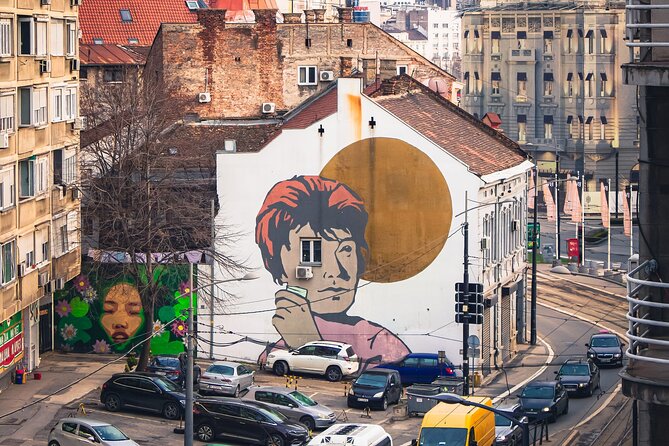
Then you’ll head to the Belgrade Design District, an abandoned shopping mall from the 90s now occupied by young designers and artists.
This stop is valuable because it shows the “afterlife” of buildings in Belgrade. Instead of treating the urban landscape as fixed, you see it as something people repurpose. The result is a creative environment built from real spaces—not just temporary pop-ups.
For you, the payoff is understanding Belgrade’s maker culture. When young people take over an old, forgotten structure, they’re not only creating art. They’re also building a new social geography.
Potential drawback: because this is a repurposed site, the experience can depend on what’s happening inside at that moment. If you prefer quiet, museum-style control, you may want to keep your expectations flexible.
Stop 4: Street Gallery in a hidden passage for critical street art
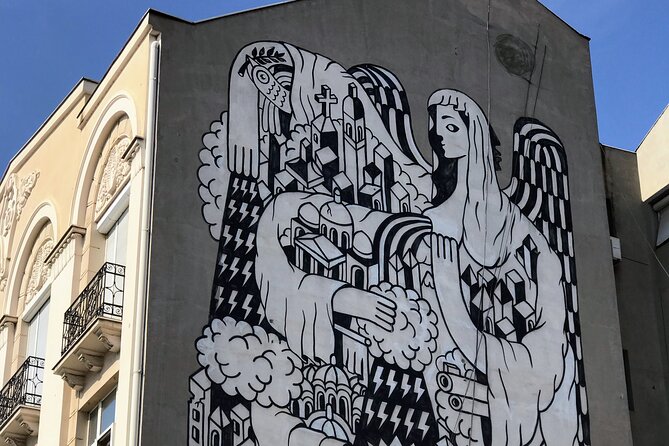
At the Street Gallery, you’ll see an outdoor independent art gallery in a hidden passage. It focuses on critical works from young artists.
The “hidden passage” piece is not a gimmick. It changes how you look. Street art in wide squares can feel like street theater. In a narrow passage, it feels more like conversation—private but open to anyone who knows where to turn.
I also like that it’s described as independent and focused on critical works. That signals you’ll be paying attention to message, not only color and technique.
Practical tip: passage art is often easier to miss while walking fast. Slow down even if your group is moving. This is one of those spots where standing still helps.
Stop 5: Cetinjska 15 and the former brewery that became an alternative hub
The final main stop is Cetinjska 15. This former brewery has been transformed into an alternative hub with bars, clubs, galleries, and street art.
This is the stop where the tour’s themes of alternative culture and underground creativity become tangible. It’s not only about viewing art; it’s also about the spaces where people go after they’ve looked at it, argued about it, and lived with it.
You’ll likely feel the shift from “street art sightseeing” into “street art lifestyle.” That’s exactly the point. Belgrade’s scene is meant to be used, not only photographed.
Potential drawback: if you’re touring during late hours, nightlife energy can change the vibe. But this tour is built into a short 3-hour window, so you’ll likely catch it before things fully peak.
Craft beer and handmade sweets: what to expect for food and drink
The experience is built around the idea that you’ll try some craft beer from Belgrade breweries and also sample handmade sweets. But the tour also lists snacks and alcoholic beverages as not included.
So here’s how to think about it: plan for small purchases along the way. If you want beer, bring some extra cash or card flexibility. If you don’t drink alcohol, you can still enjoy the sweets side—street art tours tend to be friendly to non-drinkers, and the sweets part is explicitly mentioned as part of the experience.
If you’re budget-conscious, treat this as a choose-your-own-taste moment rather than a guarantee of free samples.
What the guide adds: history, interpretation, and lots of questions
From the feedback, the guide’s style lands in the sweet spot: enthusiastic, historical, and very willing to answer questions. People specifically mention a historical background and learning new meanings—plus the sense that questions get handled.
That matters. Street art can be confusing if you only see it as aesthetic. But when you get explanations for how the art works in the city—what it’s responding to, what it’s referencing, how it takes up space—you start seeing Belgrade differently the rest of your trip.
It also helps you avoid the common mistake of reading only the obvious imagery. A good guide makes you notice smaller details and symbols.
Who this Belgrade street art tour is best for
This tour fits you if:
- You want alternative culture over only postcard sights
- You enjoy street art with context, not just photos
- You like walking tours where the guide actually talks and answers questions
- You’re curious about how Belgrade uses space—especially courtyards, passages, and repurposed buildings
It may be less ideal if:
- You want a fully indoors, climate-controlled tour
- You hate walking through alley-like entries and side streets
- You’re hoping for a food-only experience. Snacks and alcohol are not included
Quick practical advice before you go
- Wear comfortable shoes. Even with short stops, you’ll be on your feet.
- Keep your camera handy, but also plan to look with your eyes for a minute at each stop.
- Bring extra money for beer and sweets since snacks/alcohol aren’t included.
- If you’re sensitive to sound or crowds, ask your guide to suggest a calm moment to view each mural.
Should you book this private Belgrade street art and adventures tour?
I’d book it if you want Belgrade to feel personal and legible fast. This is one of those tours where the city starts “making sense” because you’re given interpretation, not just locations.
The value becomes especially clear if you’re traveling with a friend or small group and you want a private pace. The tour includes a guide, uses a practical central meeting point, and focuses on meaningful stops with free admission status.
The only reason not to book is if you’d rather stick to conventional sights and prefer a quiet, museum-style schedule. If you’re open to street-level culture, this tour is a strong way to spend a half-day in Belgrade.
FAQ
How long is the Private Belgrade Street Art and Adventures Walking Tour?
It runs for about 3 hours.
Where does the tour start and end?
It starts at Terazije Fountain (Terazijska česma, Terazije, Belgrade) and ends back at the meeting point.
Is this tour private or shared with others?
It’s private. Only your group will participate.
What is included in the price?
The tour includes a guide.
Are snacks or drinks included?
No. Snacks and alcoholic beverages are not included.
Do the stops require paid admission tickets?
The information provided notes free admission ticket status for the listed stops.
What is the cancellation policy?
Free cancellation is available. You can cancel up to 24 hours in advance for a full refund.
If you want, tell me your travel dates and whether your group drinks beer, and I’ll suggest a simple budget plan for the food and drink parts.