REVIEW · VIENNA
Private Klimt & Vienna Art Walk — From Baroque to Secession
Book on Viator →Operated by SCHINDL Local Services & Day Tours · Bookable on Viator
Vienna’s kisses, told in two styles. This half-day, private art walk strings together Baroque grandeur and Art Nouveau rebellion, with Klimt moments timed to beat crowds.
I love how it moves fast but doesn’t feel rushed, hitting major landmarks while keeping the focus on what you’re actually seeing. You’ll also get hands-on context that makes the paintings and buildings feel connected, not like random stops on a map.
Two things I really like: the hotel pickup service (or meeting at key stations) and the fact that you get skip-the-line entry where it counts. The guide’s job is to connect the architecture, the artists, and the Vienna of the time.
One possible drawback: admissions are not included, so you’ll still need to budget for entry to the Belvedere and the Secession stops (while the guide helps you use the time well).
In This Review
- Key things to know before you go
- Why this Vienna walk works: Baroque gardens to Secession
- Price and logistics: what $372.47 per group really buys
- Start smart at 09:30 or 14:00: pickup, walking pace, and crowd timing
- Stop 1: Belvedere Museum and Klimt’s Kiss—why the garden sets the tone
- Mid-route Vienna contrasts: Schwarzenbergplatz, a major Baroque church, and Karlsplatz
- Wiener Musikverein area: the “Great Hall” acoustics and what that means
- Stop 2: Secession Building and Klimt’s Beethoven Frieze—an artist rebellion in stone
- Naschmarkt break: how to plan lunch without wrecking the schedule
- Who should book this private Klimt and Vienna art walk
- Should you book this Klimt and Vienna art walk?
- FAQ
- Is this a private tour?
- How long is the tour?
- How much does it cost?
- What’s included in the price?
- Do I need to buy admission tickets?
- Where does the tour start?
- What languages and tour times are available?
Key things to know before you go
- Private group (up to 8): easier questions, less waiting, and a route that can match your pace.
- Two timed options (09:30 or 14:00): pick the time that fits your museum schedule and energy level.
- Skip-the-line is included: you get help with access, but museum entry tickets still cost extra.
- Belvedere + Secession in one walk: Klimt’s highlights are separated by style, not distance.
- A real city route, not only museums: Schwarzenbergplatz, Karlsplatz, the Musikverein area, and Naschmarkt all show the bigger picture.
Why this Vienna walk works: Baroque gardens to Secession
This tour is built like a visual argument. You start with Baroque drama—gardens, symmetry, and theatrical space—then shift to the early-1900s Art Nouveau mindset, where artists tried to break rules and build something new. That swing is the point. It helps you see why Klimt belongs to Vienna’s changeable mood, not just to one museum room.
The best part for you is that the guide keeps the story tied to what you’re looking at right now. A wrought-iron gateway at the start is not just an entrance; it’s a cue for what the Baroque did to your eyes. And when you reach the Secession Building, the conversation makes sense of why Klimt’s work was created for a specific moment—and why the building feels like an artist’s manifesto.
Yes, you’re moving around the center of Vienna, but the route is efficient. You get more than a checklist. You get a sense of how Vienna’s styles overlap, fight, and borrow from each other.
You can also read our reviews of more tours and experiences in Vienna.
Price and logistics: what $372.47 per group really buys
The price is $372.47 per group (up to 8) for about 4 hours. That’s where private tours can either feel expensive or feel fair, depending on who you’re with.
Here’s the practical math:
- If you’re 2 people, you’re paying a higher per-person rate.
- If you’re a small group (4–8), it can feel closer to “reasonable” because you’re splitting the guide cost.
What you should know: the guide includes licensed guiding, pickup options, and skip-the-line help. What you don’t get in the base price is museum entry for the stops tied to Klimt (Belvedere and the Secession). So your real budget is the tour price plus tickets you’ll purchase separately on the day.
I’d treat admissions as part of your planning. If you hate spending extra at the door, buy what you can ahead of time when you arrive in Vienna. The tour still helps you use the time well once you’re at each site.
Start smart at 09:30 or 14:00: pickup, walking pace, and crowd timing
The tour runs twice a day: 09:30 and 14:00. That matters more than it sounds. Klimt-related visits can get crowded fast, and timing changes your experience even if the attractions are the same.
Pickup is available from hotels and vacation rentals, plus the major transport options (Reichsbrücke pier, Vienna Hbf, Vienna West). You’ll also receive a mobile ticket for the experience. That combination is great when you don’t want to waste your first hour hauling yourself across the city with map fatigue.
Wear solid walking shoes. The itinerary is a true half-day walk with multiple architecture-heavy stops, plus some time inside. If you have moderate mobility needs, it’s still worth considering, but go in with realistic expectations about steady walking time.
Stop 1: Belvedere Museum and Klimt’s Kiss—why the garden sets the tone
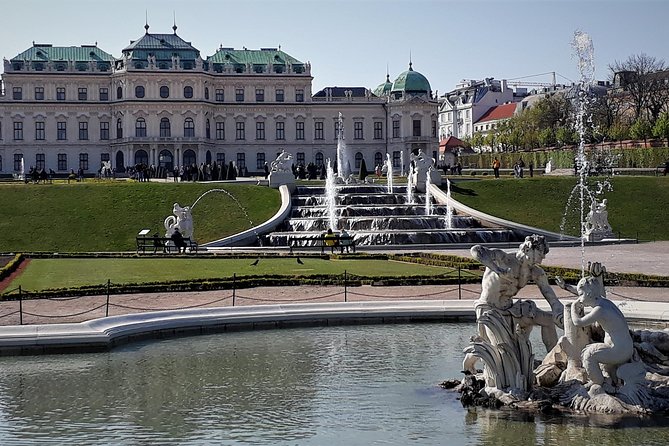
Belvedere is where your Baroque education begins, and the tour starts with an actual payoff: you enter through the famous grounds, where the wrought-iron gates and garden plan don’t just look good—they explain the Baroque obsession with control and sightlines.
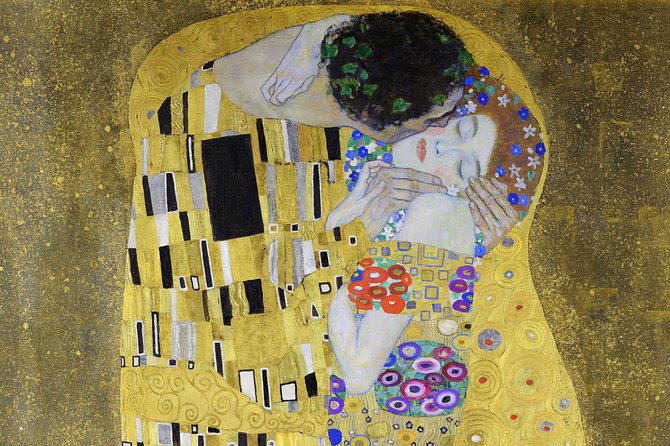
The tour focuses on Upper Belvedere for Klimt’s Kiss (often treated as a Vienna calling card). You get help with line navigation—skip-the-line is included—but admission tickets are not included, so you’ll want to plan your entry costs separately.
Inside and around the palace, the guide breaks down the garden design in a way that’s easy to visualize. You’ll spend time on the route where the gardens operate in layers, including a moment where you effectively “read” the space down toward the Lower Belvedere. This is one of those experiences where the story changes how you see: instead of random landscaping, it becomes a set of optical tricks and staged views.
One especially useful angle here is how the guide connects the design to Prince Eugene and the idea of Versailles influence. The point is not to do a Versailles comparison tour. It’s to show you how power and taste moved around Europe—and how Vienna translated it into its own scale.
What to watch for: Belvedere can be a time-sink if you wander off-script. Since the tour has a structured flow, you’ll likely get more out of the day if you keep pace with the guide during the transitions.
Mid-route Vienna contrasts: Schwarzenbergplatz, a major Baroque church, and Karlsplatz
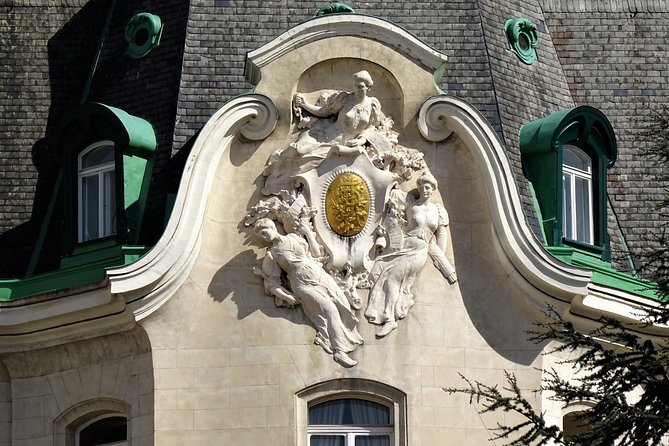
Leaving Belvedere, you’ll see Vienna layer its identities. This is not only about art styles. It’s about the city’s eras marching side by side.
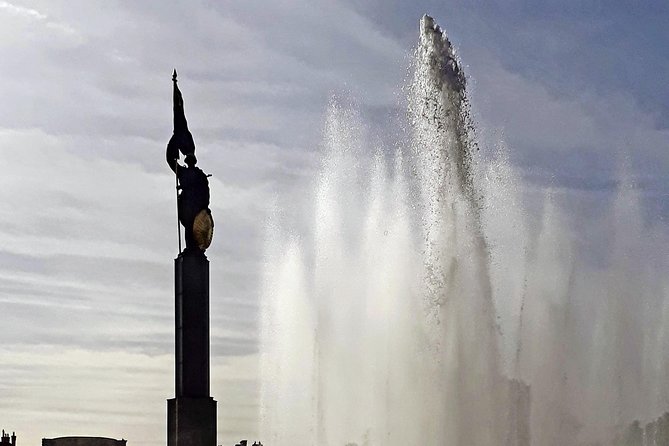
First up is Schwarzenbergplatz, dominated by a Soviet Memorial. Even if you’re not there to study political history, it adds context to Vienna’s modern story. Surrounding it, you’ll notice the buildings that reflect Vienna’s boom period late in the 1800s—architecture that signals growth, optimism, and a different kind of ambition.
Then the tour takes you past a big, attention-grabbing Baroque church built to impress from a distance. Even if you don’t focus on details like a historian, you’ll feel the scale and drama that define the 1700s Baroque mood. It’s a good stop to reset your brain before you shift again into early-1900s ideas.
After that, you’ll hit Karlsplatz and the Otto Wagner metro-station. This is where Art Nouveau becomes practical and structural, not just decorative. Wagner’s work is often described as a “modern” step, and this station is a clear example of that shift around 1900.
Why this stop matters for you: if your only exposure to Vienna is palaces and big museums, you might miss how style changed as the city modernized. Karlsplatz quietly shows the upgrade in everyday infrastructure.
You can also read our reviews of more private tours in Vienna
Wiener Musikverein area: the “Great Hall” acoustics and what that means
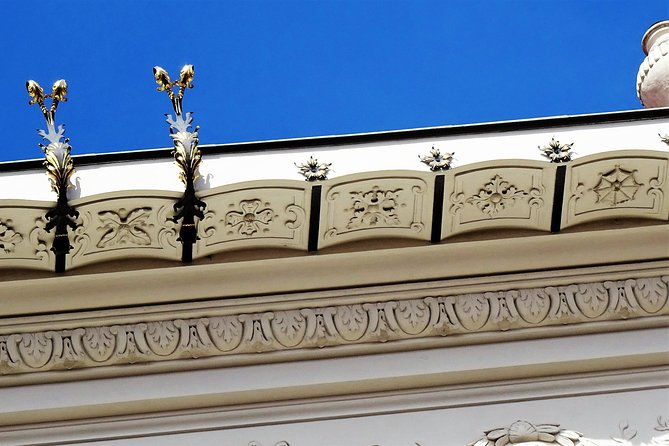
The tour then swings toward the Wiener Musikverein, home of the Vienna Philharmonic. You’re not promised a concert here. Instead, you’ll focus on what the building represents and why it’s famous.
The Großer Saal (Great/Golden Hall) is known for its acoustics, and that’s the angle the guide connects to Vienna’s broader obsession with excellence. It’s an art-form link: painting, architecture, and music are part of the same cultural mindset.
Even if you’ve never visited the Musikverein before, this stop helps you understand Vienna’s world: people didn’t treat “sound” as an afterthought. They engineered spaces for it.
Practical note: If you’re someone who gets restless looking at buildings from outside, this is one of the rare architectural stops that still gives you a reason to care, because the “why” is about how the hall works.
Stop 2: Secession Building and Klimt’s Beethoven Frieze—an artist rebellion in stone
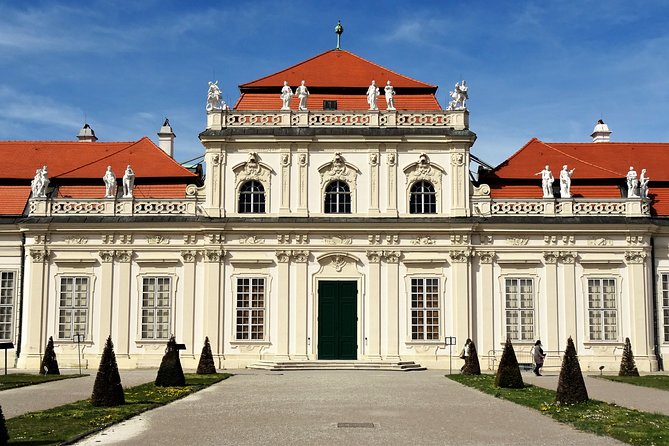
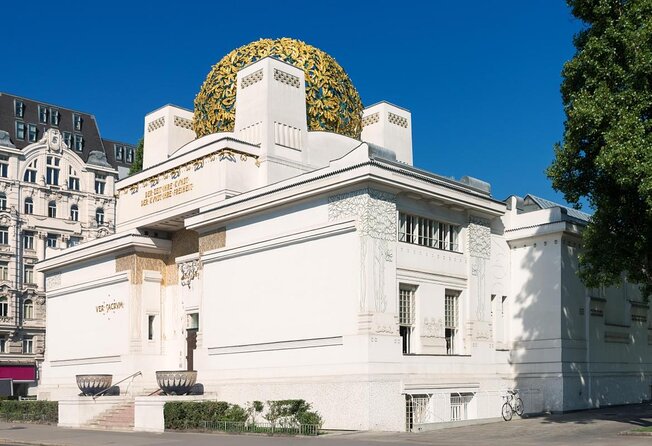
Then the tour flips the switch to Art Nouveau with the Secession Building. This building isn’t neutral. It was designed as an architectural statement by a group of artists who broke away from the established art institution. That “secession” idea is more than a name; it’s in the attitude of the space.
This is also where Klimt’s Beethoven Frieze comes in. The guide explains that the frieze was made for a specific exhibition celebrating the composer, and it was painted directly on the walls with light materials for that purpose. You’ll hear how it culminates in Klimt’s famous “kiss” gesture to the world.
Like Belvedere, admission tickets are not included for the Secession stop. But the tour’s timing and direction help you make the visit smoother, especially if you’re arriving when the crowds are thick.
The real value here: you stop treating Klimt as only a portrait-and-painting guy. You see him as someone who used public commissions, exhibition formats, and even wall space as part of his message.
What to watch for: the Secession is a more intense, concentrated experience than strolling gardens. If you prefer lots of open-air time, consider whether you’ll want to slow down during indoor moments.
Naschmarkt break: how to plan lunch without wrecking the schedule
The route includes the Naschmarkt, which in its current form dates to 1915. It’s a market and an international food scene, so it’s ideal for a casual lunch or a late-afternoon snack depending on your tour time.
This stop is useful because it’s not “museum rest.” It’s a real Viennese break in the city’s everyday flow. You’ll be able to choose something quick and local-style without turning the half-day into a long sit-down meal.
My advice: if you’re serious about lunch, use this stop as your plan anchor. Don’t wait until you’re hungry and then start searching. Markets are easiest when you move calmly and decide fast.
Who should book this private Klimt and Vienna art walk
This tour fits best if you want a guide to connect the dots between Klimt’s art and the Vienna that produced it—not just take you from one ticketed room to another.
It’s also a good match if you like architecture and want a “style timeline” you can walk through:
- Baroque design logic at Belvedere
- city growth around Schwarzenbergplatz
- Art Nouveau design signals at Karlsplatz
- artist rebellion at the Secession Building
It’s private for your group only (max 8), so it’s a smart option for couples, small families, and friend groups who don’t want to herd through crowds with strangers.
One note from past experiences: guides like Walter and Wolfgang have been mentioned as strong on stories and pacing. I can’t promise which guide you’ll get, but you should expect an art-focused explanation with plenty of conversation. In at least one case, a guest felt the guide mixed in political opinions in a way that didn’t match their expectations—so if you want strictly art and architecture only, you’ll feel better if you set that tone early.
Should you book this Klimt and Vienna art walk?
I’d book it if you want a tight half-day that does real work for your understanding of Vienna. The combination of Belvedere gardens, Klimt highlights, and the Secession’s manifesto energy gives you more than the usual “see Klimt and move on” approach.
Skip booking if either of these is true:
- You’re trying to avoid extra ticket costs, because admissions are not included for the main Klimt stops.
- You prefer a slower, purely museum-based day. This is a walking-and-seeing route with multiple architecture moments, and it’s designed to keep momentum.
If you pick the time that suits your schedule, bring comfortable shoes, and plan your museum tickets in advance, this tour is a strong way to get both Baroque drama and Art Nouveau rebellion into one memorable Vienna afternoon or morning.
FAQ
Is this a private tour?
Yes. It’s a private tour/activity, and only your group participates.
How long is the tour?
It lasts about 4 hours.
How much does it cost?
It’s $372.47 per group (up to 8).
What’s included in the price?
Live guiding by a licensed Austria Guide with skip-the-line access. Pickup is offered, and you’ll get a mobile ticket.
Do I need to buy admission tickets?
Yes. Admissions for the Belvedere and the Secession are not included, and tickets are required for the Klimt highlights at those stops.
Where does the tour start?
Pickup is available at hotels and vacation rentals in town, the Reichsbrücke pier, or train stations including Vienna Hbf and Vienna West. Other meeting points can be arranged.
What languages and tour times are available?
The tour is offered in English, with start times at 09:30 and 14:00.