REVIEW · MEXICO CITY
La Roma Private Art Tour
Book on Viator →Operated by City Art Tours · Bookable on Viator
Roma doesn’t do one-note art. A walking tour plus a few gallery stops turns street corners into a story. I love the focus on street art with real context, and I also love that the guide connects it to what you’re seeing around La Romita. One thing to consider: you’ll cover about ten to twelve blocks on flat terrain, so it’s best if you’re comfortable walking for roughly two hours.
This is a private experience, so you’re not shuffled with strangers. The route is designed for learning as you go—street-level visuals at Mercado Roma first, then older architecture that makes the neighborhood feel layered, not random. The guide for this tour name I saw in feedback is Neena, and the best part is how clearly she links art to the Roma district.
If you’re expecting a museum-style deep-dive into famous masterpieces, this may feel more like an excellent neighborhood briefing than a big-ticket art crawl. Street art can be limited block-to-block, so the tour wisely shifts into contemporary galleries when the murals don’t fill every corner.
In This Review
- Key points before you book
- Why Roma’s murals and La Romita fit a two-hour plan
- Meeting at Monterrey 104: pace, route style, and what two hours really means
- Mercado Roma street-art walk: how to read murals like a local
- La Romita and its 16th-century church: why old stone makes the art click
- When murals run thin: contemporary Mexican art gallery stops
- The guide matters: how Neena’s explanations shape the tour
- Price and value: what $65 buys you in Roma
- Who should book this tour—and who might want a different option
- Should you book La Roma Private Art Tour?
- FAQ
- How long is the La Roma Private Art Tour?
- Where does the tour start and end?
- Is the tour private?
- Is the tour offered in English?
- What stops are included?
- Do you walk a lot during the tour?
- What is the cancellation policy?
Key points before you book
- Bilingual guidance with English offered, plus helpful explanations for art and the neighborhood
- Mercado Roma street-art walk covering about ten to twelve flat blocks
- La Romita and a 16th-century church added for historical texture and contrast
- Contemporary Mexican art galleries when murals aren’t everywhere
- A private tour with only your group, paced for about two hours
Why Roma’s murals and La Romita fit a two-hour plan
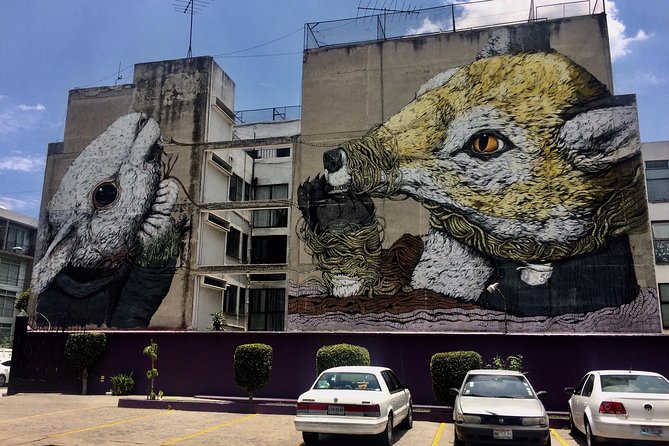
Roma is one of those places where art shows up in plain sight—on walls, on corners, and sometimes in the attitudes people carry when they talk about public space. This tour uses that advantage. You’re not just staring at images; you’re learning how the visuals connect to the neighborhood’s identity.
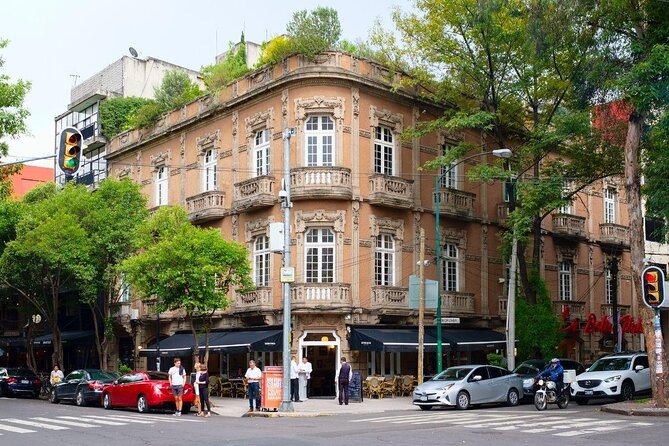
The pairing is smart: you start with street art, then you move toward La Romita and its 16th-century church. That contrast matters. It helps you see that the neighborhood isn’t only about modern murals. It’s also about continuity—stonework and older streets that give today’s artwork someplace to “speak” to.
And because the tour is private, you can ask the kinds of questions that pop up while you’re walking. You’ll get answers on the spot, rather than saving everything for the end.
You can also read our reviews of more private tours in Mexico City



Meeting at Monterrey 104: pace, route style, and what two hours really means
The tour meets at Monterrey 104, Roma Nte. (Cuauhtémoc), 06700 CDMX. It ends back at the same meeting point, which keeps your logistics simple—no hunting for a distant drop-off.
Expect an easy walking pace. The plan covers around ten to twelve blocks on flat terrain, so you’re not doing steep climbs or long stair hauls. That makes it a good fit for people who want a structured outing without committing to a full day.
It also helps that the meeting area is near public transportation. If you’re staying somewhere else in the city, you won’t need a dedicated taxi trip just to get started. Bring whatever keeps you comfortable for a short urban walk—water if it’s warm, and shoes you don’t mind for sidewalks and curb cuts.
Finally, you’ll have a mobile ticket, so you can keep everything tidy on your phone. Service animals are allowed too, which is good to know if that matters for your group.
Mercado Roma street-art walk: how to read murals like a local
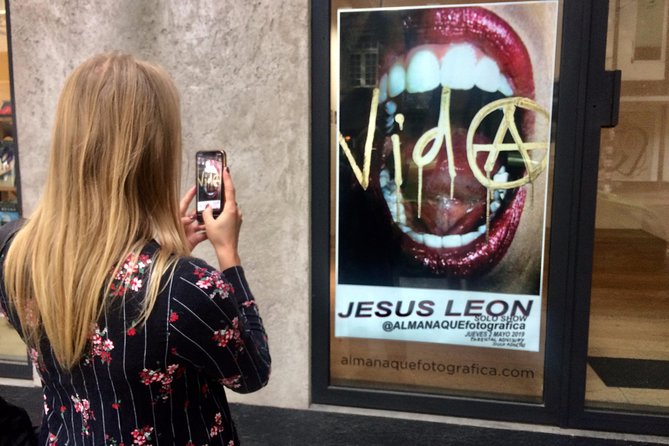
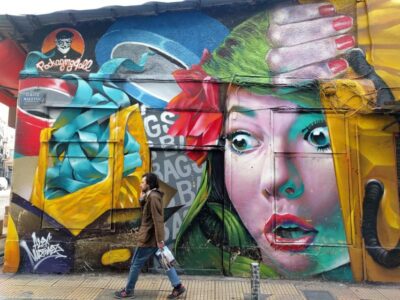
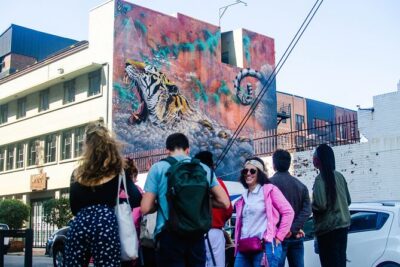
The first stop is Mercado Roma, where you’ll get an introduction before you start walking. From there, the tour moves through about ten to twelve flat blocks, looking at different pieces of street art and the surrounding local sights.
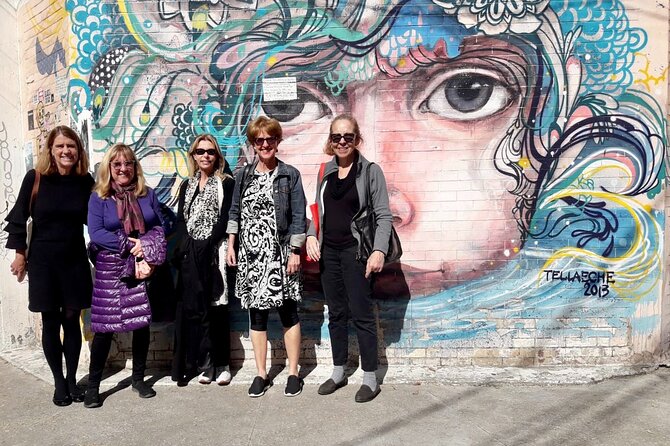
The value here isn’t only what the art looks like. It’s the running commentary on what street art is doing in Mexico City—how it reflects community concerns, and how it can carry a message even when it’s quick to glance at. One theme you’ll likely pick up is that public art often talks back to politics, not just aesthetics. That matters because it changes how you look. Instead of seeing a mural as decoration, you start seeing it as communication.
You’ll also notice how the guide handles the neighborhood flow. You’re not treated like a passive audience. You’re coached on what to look for while moving—signs of local style, how pieces relate to their setting, and what stands out when you’re not on a “museum time” schedule.
Practical tip: since the tour focuses on walking and observation, arrive a few minutes early so you can settle in. Once you start moving block to block, it gets harder to catch up on anything you missed at the start.
La Romita and its 16th-century church: why old stone makes the art click
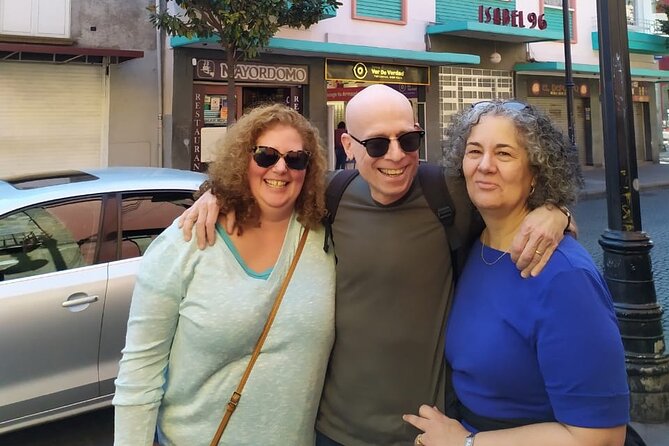
After the street-art portion, you shift into the La Romita area, including a 16th-century church. This stop adds an important layer: it anchors the tour in time.
Here’s what I like about this kind of pairing—when you see older architecture alongside modern visuals, the neighborhood feels less like a random collection of photo spots. You start understanding why people build where they build, and why public spaces keep evolving.
The church also gives you a change of pace. Street art is visual, loud, and immediate. An older church is slower. It asks you to pay attention to details—materials, scale, and how the area has been shaped over centuries. That contrast helps you process what you’ve been seeing.
If you’re the type who likes to understand how neighborhoods became what they are, this stop is a quiet win. You end with a sense that Roma’s identity isn’t only modern trends. It’s built on older routes and older places.
When murals run thin: contemporary Mexican art gallery stops
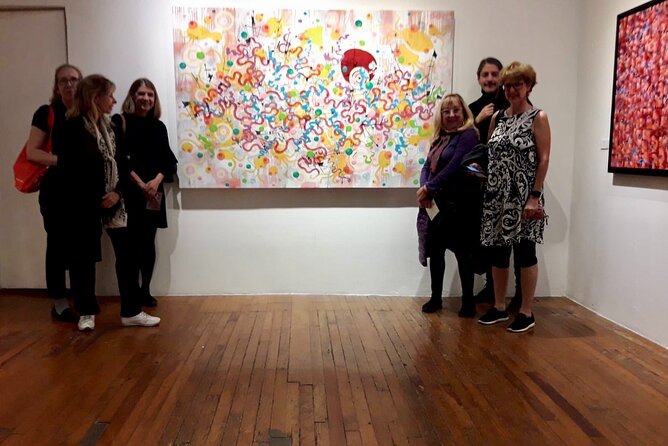
Roma has plenty to look at, but street art isn’t the same everywhere block to block. The tour handles that well by adjusting. In feedback, the guide—Neena—took groups to several galleries to see contemporary Mexican art.
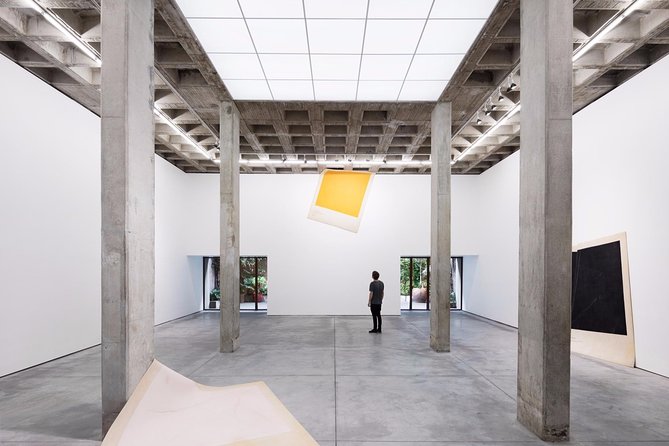
That’s a practical, no-nonsense choice. If the streets don’t give you a full “wall-to-wall” mural moment every step, galleries fill the gaps without turning the tour into a scramble. You still get the art-focused experience you came for, and the explanations can go deeper once you’re indoors.
I like that this also broadens your understanding of what “Mexican art” can mean right now. Street art tends to be public and fast to read. Galleries tend to slow you down. You can look more carefully at technique, theme, and how contemporary artists frame identity today.
When you’re in gallery space, go in with a flexible mindset. Don’t expect everything to look like murals. Think of it as a follow-up chapter: same cultural context, different setting.



The guide matters: how Neena’s explanations shape the tour

A big part of the appeal is the guide’s communication. The name Neena came up in strong feedback, with people highlighting that she was personable and made the neighborhood easier to understand. The topics mentioned were art and the Roma district, plus a wider angle that reached into history and politics.
That blend is important. Street art can look like visual noise if you don’t know what it’s responding to. When the guide ties it to the neighborhood and to the themes behind public work, you end up with better “reading skills.” You start spotting details you’d miss on your own.
For your planning, keep this in mind: a private tour means you can steer attention toward what you care about. If you’re more interested in the political references, you can ask. If you want to focus on visual style and artists’ choices, you can ask. That’s the advantage of having a bilingual guide instead of relying on signage or an audio track.
One more note: this is an English-friendly tour, but the guide is presented as bilingual. That’s usually a good sign for clarity and for handling questions smoothly.
Price and value: what $65 buys you in Roma
The tour costs $65 per person and runs for about two hours. For a private experience, that price is easier to judge when you look at what’s included: a bilingual art guide and the private format.
At this rate, you’re paying for two things you can’t replicate as easily by yourself:
- Guided looking—someone turns visual impressions into clear explanations.
- A route designed for learning—street art first, then Roma’s older context at La Romita, then contemporary galleries when the murals don’t cover everything.
If you’re traveling solo, it’s a straightforward “pay for expertise” choice. If you’re going with one other person, the experience can feel more budget-friendly because you’re splitting the value of a private guide between people, even though the price is listed per person.
You also get a free admission ticket noted for the Mercado Roma stop. That doesn’t make the tour cheaper overall by a huge amount, but it does remove a small friction point. Fewer tickets to manage means you spend more time on the actual art.
Booking timing may also help your planning. This tour is typically booked about 32 days in advance, which suggests it’s popular enough to plan ahead rather than waiting until the last minute.
Who should book this tour—and who might want a different option
This tour is a strong match if you want:
- A guided Roma neighborhood art walk without full-day commitment
- Street art plus historical context, not just photos
- Help interpreting what you’re seeing, especially with politics and history woven in
- A private experience in English
It may be less ideal if:
- You’re only interested in famous museums or major internationally branded collections
- You hate walking around the same neighborhood area for about two hours
- You want a tour that’s heavy on indoor exhibits from start to finish
If you like thoughtful urban touring—where art, politics, and everyday streets connect—this hits a nice sweet spot.
Should you book La Roma Private Art Tour?
I’d book it if you want an art experience that feels local and paced, not rushed. The mix of Mercado Roma street art, La Romita with its 16th-century church, and the shift into contemporary gallery stops is a smart structure. It also helps that the guide you’ll likely work with has shown a clear talent for explaining the neighborhood and linking art to bigger themes.
One decision rule: if you want more than surface-level mural photos, and you’re happy with a short walk plus a couple of focused stops, this tour is a good use of your time in Mexico City. If your schedule is tight, this two-hour format is friendly. If your priorities are big museum masterpieces, you may want to pair this with something more classical elsewhere.
FAQ
How long is the La Roma Private Art Tour?
The tour lasts about 2 hours.
Where does the tour start and end?
It starts at Monterrey 104, Roma Nte., Cuauhtémoc, 06700 Ciudad de México, CDMX, Mexico, and ends back at the same meeting point.
Is the tour private?
Yes. It’s a private tour/activity, and only your group will participate.
Is the tour offered in English?
Yes. English is listed as an offered language.
What stops are included?
The tour includes a stop at Mercado Roma. It also explores La Romita and its 16th-century church.
Do you walk a lot during the tour?
You cover about ten to twelve blocks on flat terrain.
What is the cancellation policy?
It is non-refundable and cannot be changed for any reason.