REVIEW · ROME
Rome: Borghese Gallery Small Group Guided Tour
Book on GetYourGuide →Operated by City Walkers Tours · Bookable on GetYourGuide
Bernini’s marble is the reason you go. At the Borghese Gallery, you get skip-the-line entry plus a licensed guide, so the villa’s 17th-century rooms feel like part of the art instead of just a backdrop. Skip-the-line access matters here because the museum limits timed entry.
I especially like how the tour keeps your attention on standout works, including Bernini’s Apollo and Daphne and David. You’ll also get headsets, which makes the commentary easy to follow even when rooms get crowded, and guides often bring the Cardinal Borghese story to life.
One thing to consider: with just 1.5 to 2 hours, the tour can feel a bit fast if you’re the type who wants to stand and stare for ages. Expect a smart pace, not a slow museum wander. Time pressure is real.
In This Review
- Key highlights to know before you go
- Why the Borghese Gallery feels different from most Roman museums
- Meeting your City Walkers guide and getting in without the headache
- The 90-minute plan: how your group moves through the villa
- Bernini’s showpieces: from Apollo and Daphne to David
- Caravaggio’s dramatic stops: Boy with a Basket of Fruit and St. Jerome Writing
- Frescoes, ornament, and how to read the villa’s 17th-century rooms
- Price and value: what $51.24 buys you in real-world terms
- Who this tour suits best (and who should rethink)
- Should you book this Borghese Gallery small-group tour?
- FAQ
- How long is the Borghese Gallery small-group guided tour?
- Does this tour include skip-the-line tickets?
- Where do I meet the guide?
- What’s included besides the guide?
- Are bags allowed inside the Borghese Gallery?
- Is video recording allowed?
- Is the tour wheelchair-friendly?
Key highlights to know before you go
- Skip-the-line tickets at a museum with timed entry limits
- Bernini focus on Apollo and Daphne and David
- Caravaggio stops including Boy with a Basket of Fruit and St. Jerome Writing
- Headsets included, so you hear your guide clearly throughout
- Room-by-room stories that connect artists, techniques, and Cardinal Borghese
- A tight 1.5–2 hour window, so you’ll see highlights more than everything
Why the Borghese Gallery feels different from most Roman museums
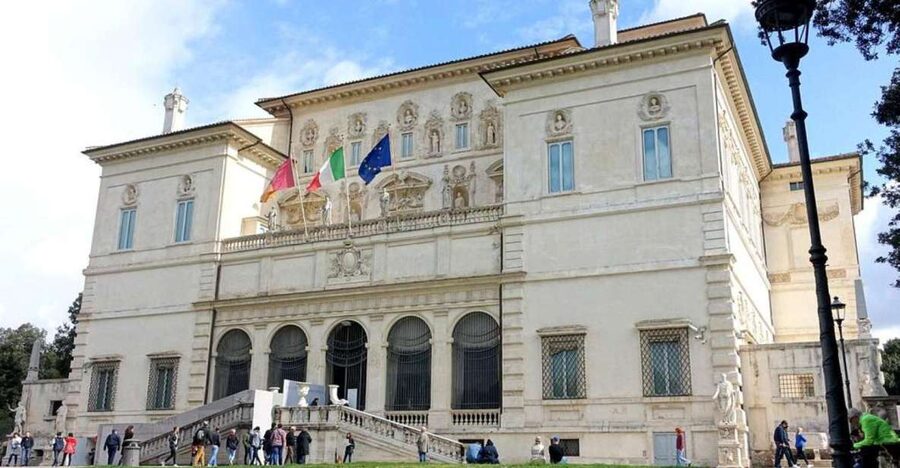
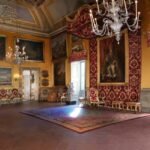
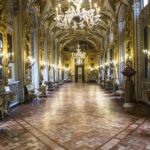
Most Rome museums feel like you’re reading history through glass and labels. The Borghese Gallery feels more like you’re walking through a designed world—an elite private collection housed inside a grand villa. You don’t just look at sculptures and paintings. You experience them in rooms with ornate frescoes, decorative details, and that strong sense that everything was arranged on purpose.
This matters because the art here is tightly linked to the collector behind it. Cardinal Borghese wasn’t building a public museum. He was shaping a personal statement. A good guide helps you see that through the works you stop at—so you understand why these masterpieces were chosen and how they were meant to be seen together.
And because this is a small-group tour, you’re not stuck at the edge of a crowd trying to catch a single sentence. You can actually track what your guide is pointing out, then look back and notice the same details yourself.
You can also read our reviews of more guided tours in Rome


Meeting your City Walkers guide and getting in without the headache
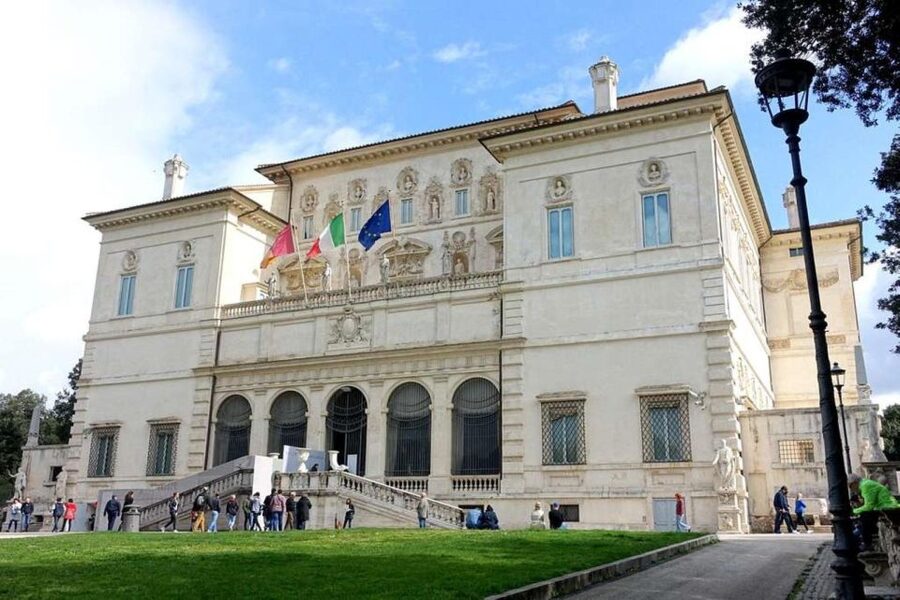
You’ll meet at the entrance of Borghese Gallery and Museum, where the guide is waiting with a City Walkers sign. The tour starts and ends back at that same meeting point, and there’s no hotel pickup or drop-off included. In other words: plan to show up on your own power, and plan to arrive a touch early.
Here’s the practical bit I’d keep in mind: meeting points at major sights can be confusing in daylight crowds. If you’re arriving from a side street, give yourself extra minutes to spot the sign and confirm you’re with the right group.
The tour runs rain or shine, so it’s worth dressing for weather and keeping your plans flexible. Inside, you’ll rely on skip-the-line entry to cut down on waiting and get started while your brain is still fresh.
The 90-minute plan: how your group moves through the villa
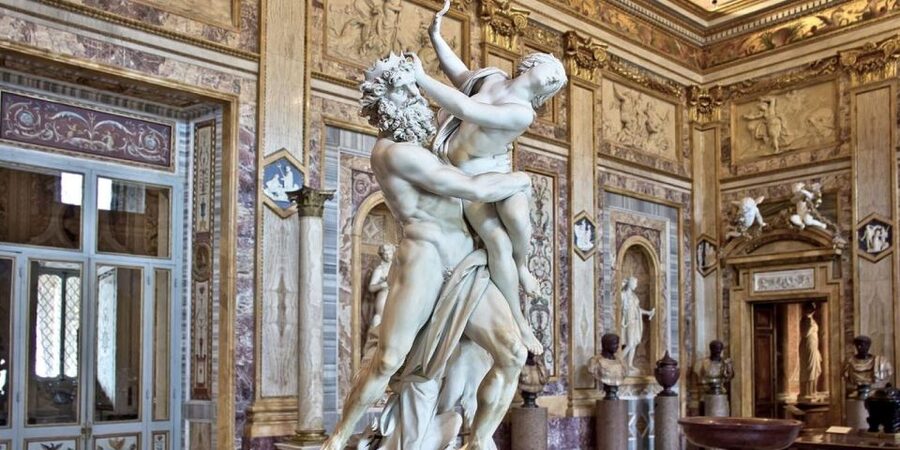
Your tour window is listed as 1.5 to 2 hours. That’s a sweet spot for a highlights pass, especially at a museum where you can easily lose time wandering without context. The headsets help you hear clearly as you move room to room, and the tour structure keeps you from spending too long in just one space.
A few guides start with quick orientation—some time is spent moving to the first main area before settling into the core stops. Once you’re there, the pace tends to feel more comfortable, with your guide explaining what to look for at each artwork.
What I like about this format is that it gives you a clear “hit list” without turning it into a checklist. You’ll spend time where the art is strongest and where the stories connect directly—rather than drifting into corners that don’t add much.
Comfort tip: wear shoes that handle polished floors and short museum routes. Even in a small group, you’ll be walking more than you’d expect for a gallery that looks like it’s mostly standing still.
Bernini’s showpieces: from Apollo and Daphne to David

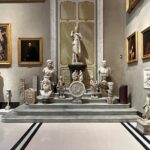
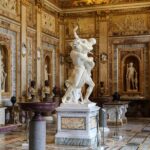
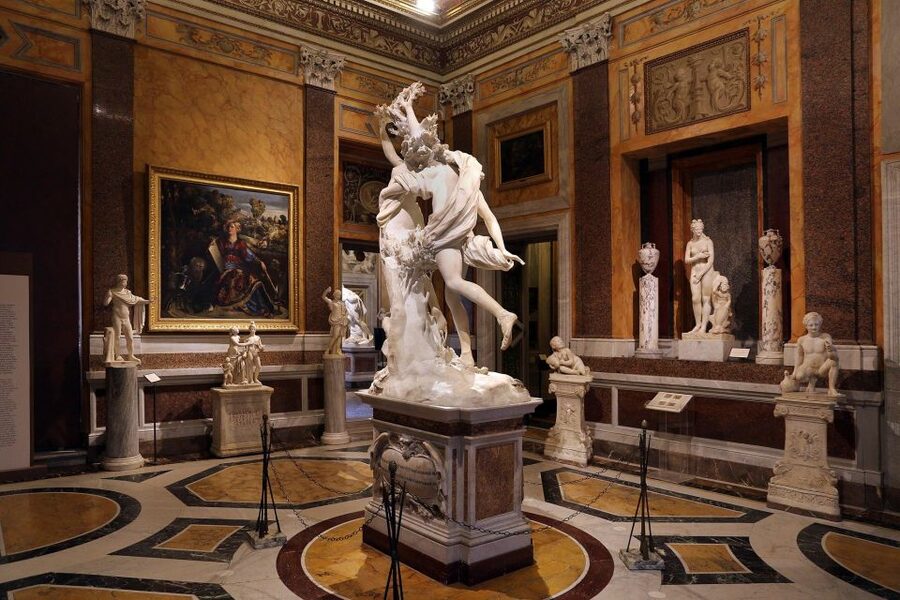
If you’re coming to the Borghese Gallery, you’re probably coming for Bernini. And the tour doesn’t hide that. You’ll see major sculpture highlights, including Apollo and Daphne and David.
This is where a guide earns their pay. Bernini’s work looks dramatic in photos, but the real punch comes from how the forms move in three dimensions—how the sculpture suggests motion, how faces and limbs carry expression, and how the “moment” of action is captured so tightly it feels like it’s about to continue.
When your guide explains what you’re looking at—like how the composition is built so your eye travels across bodies and gestures—you start seeing the sculpture as engineering, not just decoration. You’ll likely notice details you would skip on your own: the way the posture communicates tension, the way surfaces catch light, and how the grouping makes the subject feel alive.
Also, you’re not just hearing generic art talk. The tour frames these sculptures in the broader 17th-century world and in Cardinal Borghese’s collecting mindset. That connection changes how you judge what you’re seeing. It turns the gallery from isolated masterpieces into a conversation.
Caravaggio’s dramatic stops: Boy with a Basket of Fruit and St. Jerome Writing
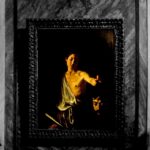
Between Bernini’s marble intensity and the villa’s opulent rooms, Caravaggio can feel like a jolt. The tour includes major Caravaggio paintings, including Boy with a Basket of Fruit and St. Jerome Writing.
What makes Caravaggio special, and why a guide helps, is that the drama is in the details. You’re dealing with lighting effects, facial expression, and a kind of realism that’s meant to pull you into the scene. Without context, it’s easy to admire the brushwork and miss what the scene is doing emotionally.
A good guide ties these paintings to the techniques and choices that make them work. You learn why the figures feel close, how the painting directs your attention, and how Caravaggio’s style fits the era’s taste for intensity over calm.
These are exactly the kinds of works where a time-limited tour shines. You get enough explanation to stop treating the painting like a postcard and start treating it like a moment someone carefully constructed.
You can also read our reviews of more museum experiences in Rome

Frescoes, ornament, and how to read the villa’s 17th-century rooms
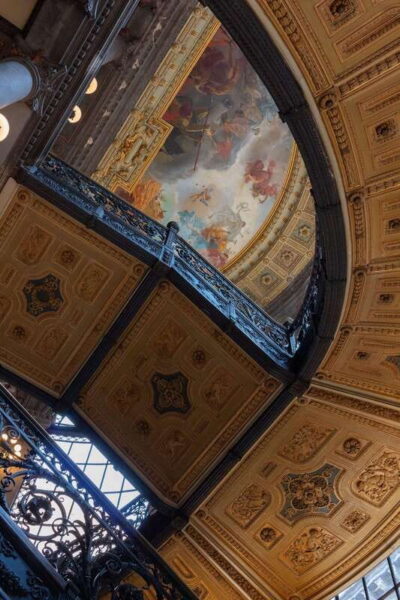
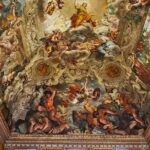
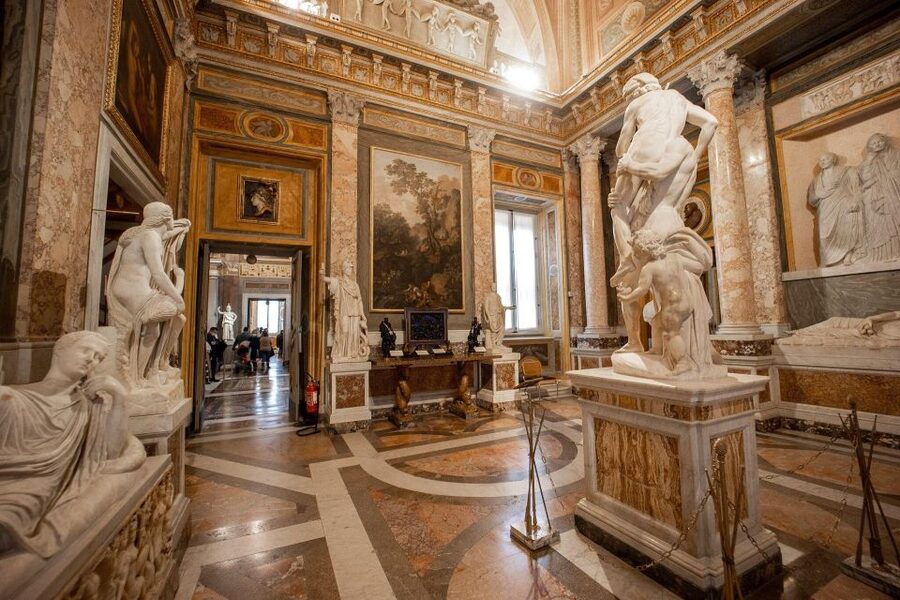
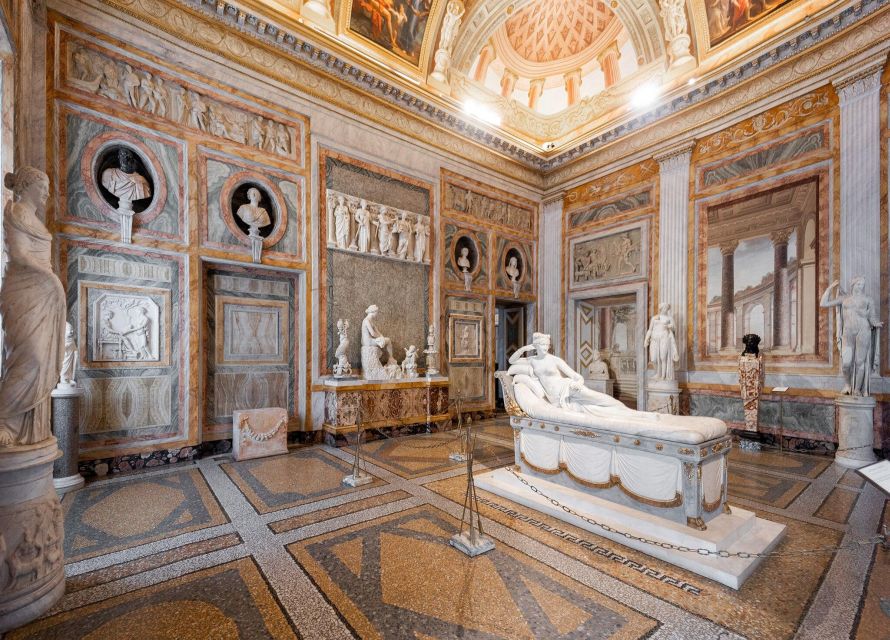
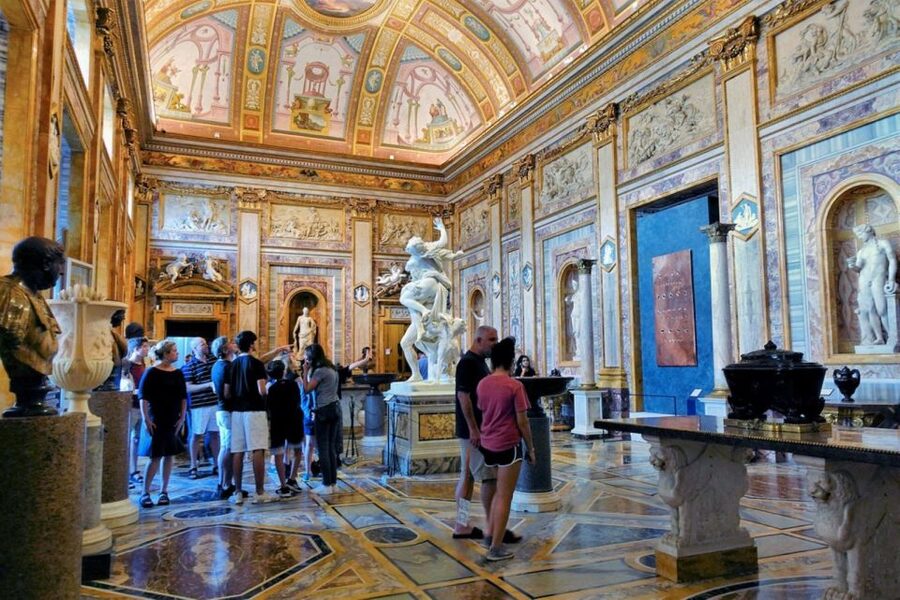
The Borghese Gallery is not just a place for art. The villa itself is part of the experience. As you move through rooms with frescoes and intricate decoration, your guide helps you see the setting as intentional.
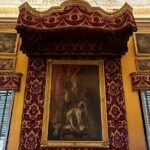
Here’s what you should watch for: how the room design supports the art choices. The ornaments and wall painting are meant to impress, yes—but they also help frame the collection as something elevated and curated by taste and power. When you understand that, the decorations stop feeling like visual noise and start feeling like stage dressing that explains the collector’s goals.
This part of the tour is also where headsets matter most. You’ll be hearing stories while you’re surrounded by visual distractions. With clear audio, you can follow along without constantly trying to lip-read over other people.
Price and value: what $51.24 buys you in real-world terms
At $51.24 per person, this isn’t a casual add-on. But it’s also not overpriced when you look at what’s included.
You’re getting:
- Licensed guide commentary
- Skip-the-line tickets
- Headsets to hear clearly
For this museum in particular, ticket access can be the main battle. The Borghese Gallery limits the number of tickets they sell for certain slots, so guided entry can be a practical way to avoid the worst of the planning stress. And once you’re inside, the guide helps you prioritize the works that matter most—so you don’t spend the whole visit searching for “the best” on your own.
The value angle is simple: if you want context for Bernini and Caravaggio and you want a structured highlights visit, this tour fits the price. If you’re the type who wants to spend hours alone absorbing every corner at your own speed, you might feel rushed in 1.5–2 hours.
Who this tour suits best (and who should rethink)
This tour is a strong fit if you want a guided highlights pass through some of Rome’s biggest Baroque names, with your time protected by skip-the-line entry. You’ll also get a smooth flow through multiple rooms, which is helpful if your schedule is tight and you don’t want to spend time figuring out where to start.
That said, it’s not for everyone. It isn’t suitable for wheelchair users or people with mobility impairments. You should also plan for strict rules inside:
- Bags of any size are not permitted
- No food or drinks
- No video recording
- No pets
- No weapons or sharp objects
So pack smart. If you typically travel with a larger day bag, leave it at your hotel and travel light for this stop. The museum’s security rules are non-negotiable.
As for maintenance: some parts of the museum may be closed for maintenance. Your guide will still steer you through the key sights, but if you’re coming with a very specific expectation of seeing every room, keep that possibility in mind.
Should you book this Borghese Gallery small-group tour?
My take: book it if your goal is to see the highlights with real guidance and to get inside without wasting time at the ticket line. The tour hits the big targets—Bernini and Caravaggio—plus it explains how the villa setting and Cardinal Borghese’s legacy connect to what you’re seeing.
If you hate structured pacing and want maximum time in each room, you might prefer a longer self-guided visit. And if mobility issues or bag restrictions are a problem for you, this tour won’t work well.
If you do book, show up at the meeting point with a little buffer, find the City Walkers sign, and wear comfortable shoes. Then let the guide do the heavy lifting so you can focus on noticing the art up close—because that’s where the Borghese Gallery delivers.
FAQ
How long is the Borghese Gallery small-group guided tour?
It lasts about 1.5 to 2 hours. Starting times vary, so check availability for the schedule.
Does this tour include skip-the-line tickets?
Yes. Skip-the-line entry tickets are included.
Where do I meet the guide?
Meet the guide in front of the entrance of Borghese Gallery and Museum with a City Walkers sign.
What’s included besides the guide?
You get a licensed tour guide (if that option is chosen), skip-the-line tickets, and headsets to hear the guide clearly.
Are bags allowed inside the Borghese Gallery?
No. Bags of any size are not permitted inside the museum for security reasons.
Is video recording allowed?
No video recording is allowed during the tour.
Is the tour wheelchair-friendly?
No. It is not suitable for wheelchair users or people with mobility impairments.