REVIEW · SARAJEVO
SARAJEVO STREET ART TOUR (art, history & mystery) – sARTajevo!
Book on Viator →Operated by Art and Tours Sarajevo · Bookable on Viator
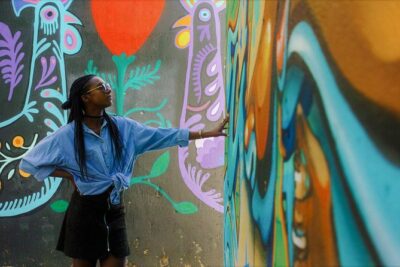
Sarajevo’s walls tell stories at dusk. This street art tour turns random-looking graffiti into named works with context, so you’re not just staring at paint. I love the way each stop explains the art in historical and social terms, and I love that the route nudges you to notice details you’d miss on your own. One possible drawback: if you’re expecting a huge crawl through dozens of murals, the 2–3 hour format keeps the selection focused rather than exhaustive.
The timing helps. Starting at 6:00 pm, you get that sweet spot where the city is active enough to feel alive, but you’re still not walking in peak daytime heat. The tour stays manageable with a small group size, which means you can ask questions without feeling herded.
You’ll also appreciate the practical setup: the tour is in English, uses a mobile ticket, and the stops don’t require paid museum entries along the way. Just know it’s a walking tour, so comfy shoes matter.
In This Review
- Key highlights I’d plan around
- Why Sarajevo Street Art Works So Well for a Short Evening Walk
- Meet at Đulagina 2: The Pace, the Group Size, and the Logistics That Matter
- Stop 1: Bentbaša and the Mural In the preservation of monuments of the past
- Stop 2: Papagajka (Perrot) and the First Street Art Festival Story
- Stop 3: The Academy of Fine Arts, Sticker Art, and the City’s Art Education Link
- Stop 4: Aria—Mr. Chat, Singer (Pjevač), and Gallery Boris Smoje
- Stop 5: Ferhadija Pedestrian Street and the Srebrenica 1992/1995 Mural
- Price and Value: Is $30.04 Worth It?
- Who This Tour Suits Best (and Who Might Want Something Different)
- Tips to Get More Out of Every Stop
- Should You Book Sarajevo Street Art Tour sARTajevo!
- FAQ
- How much does the Sarajevo Street Art Tour sARTajevo cost?
- How long is the tour?
- What language is the tour offered in?
- Where do we meet for the tour?
- What time does the tour start?
- How big is the group?
- Is there an admission fee at the stops?
- Is this a mobile-ticket experience?
- Are service animals allowed?
- Is free cancellation available?
Key highlights I’d plan around
- Five named mural stops across Sarajevo, each with a clear story link
- Bentbaša mural tied to how cities protect and remember the past
- Papagajka (Perrot) as a key location in the early street-art festival story
- Academy of Fine Arts stop with sticker art explained in context
- Mr. Chat, Pjevač (Singer), and Gallery Boris Smoje woven into the Aria area
- Ferhadija Pedestrian Street mural referencing Srebrenica 1992/1995 with careful framing
Why Sarajevo Street Art Works So Well for a Short Evening Walk
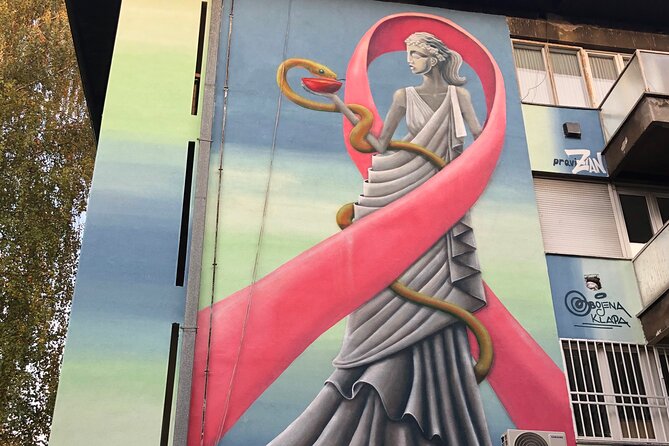
This is the kind of tour where the format actually helps you. You’re not doing a long slog across the whole city. You’re doing a tight route, with enough time at each wall for the guide to connect what you see to why it matters.
Sarajevo’s street art isn’t just decoration. It’s often commentary, memory, and identity—sometimes quiet, sometimes confronting. When you understand the reference points, the walls start acting like a map of the city’s public life.
The “art, history & mystery” theme isn’t marketing fluff. Even if you don’t consider yourself an art person, you’ll get a way of looking. By the end, you’re more likely to slow down for a tag, a character, or a mural detail rather than speed-walking past it.
You can also read our reviews of more tours and experiences in Sarajevo.
Meet at Đulagina 2: The Pace, the Group Size, and the Logistics That Matter
You meet at Đulagina 2, Sarajevo 71000. The tour runs from a 6:00 pm start and loops back to the same meeting point at the end, so you’re not left figuring out your next move.
Expect about 2 to 3 hours total. That range is useful because it tells you the guide is building in time to explain, not rushing you from one photo stop to the next. You’ll also be glad it’s a small group: the tour has a maximum of 5 travelers, which keeps the conversation going.
It’s offered in English, and you’ll receive confirmation at booking time. The ticket is a mobile ticket, and the tour is near public transportation. Service animals are allowed, and most people can participate—so it’s not a tour that feels overly technical or hard to join.
If you’re the type who hates waiting around, this helps. You’re walking, stopping, listening, then walking again.
Stop 1: Bentbaša and the Mural In the preservation of monuments of the past
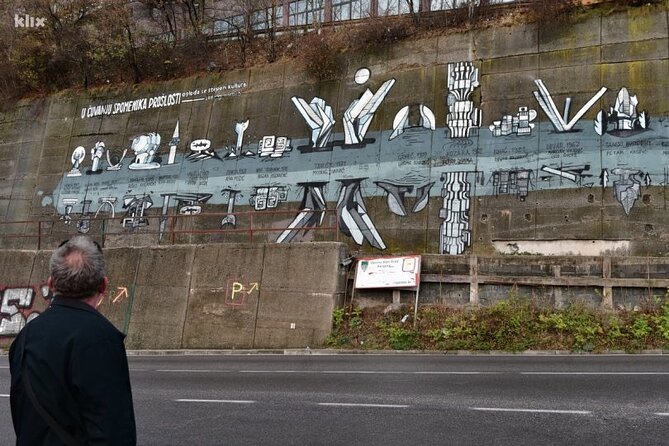
Bentbaša is a strong first landing spot because it sets the tone: the tour starts with an idea, not just an image. You’ll go to the mural In the preservation of monuments of the past, and you’ll hear the explanation behind what it says and why it’s placed where it is.
This is a good moment to get your bearings. The guide’s job here is to teach you how to read street art beyond style. You learn what the symbols are pointing to, and you start noticing how Sarajevo handles memory in public spaces.
One practical note: this stop is listed as about 20 minutes. That’s enough time to understand the mural’s theme and still keep energy for the next walls.
Stop 2: Papagajka (Perrot) and the First Street Art Festival Story
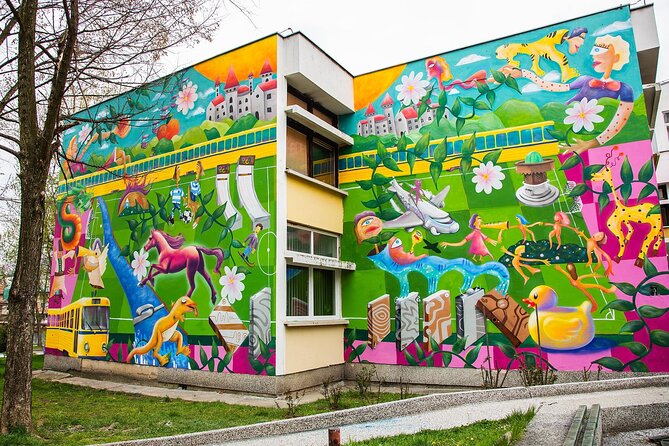
Next comes Papagajka, also known as Perrot, and it’s more than just a building with street art. This is where the first street art festival was held, and that matters because it frames street art as part of real local history—not just a trend.
You’ll see wall art examples there too. The value of this stop is the combination of place and timeline. When you connect the art to an event like a festival, the artwork stops feeling random. It becomes part of how creativity moved through Sarajevo over time.
This stop also runs around 20 minutes, which keeps things flowing. You’ll have time to look closely, but you won’t get stuck in one area long enough to lose the narrative thread.
Stop 3: The Academy of Fine Arts, Sticker Art, and the City’s Art Education Link
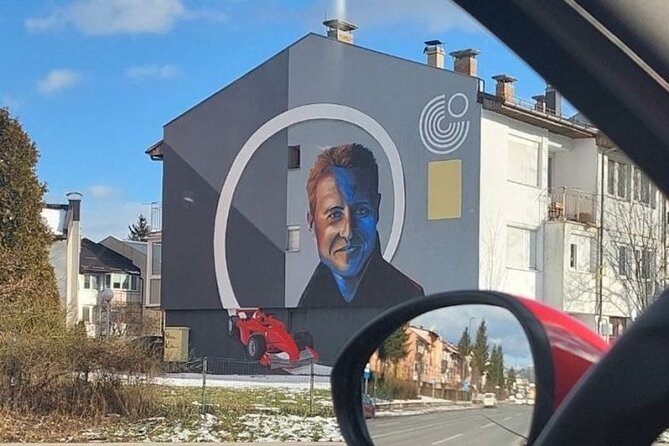
At the Academy of Fine Arts, the tour shifts slightly from murals on streets to art culture as a system. This stop is positioned as a chance to “elaborate Sarajevo’s history through art examples,” and you’ll also get to visit what the tour frames as one of Sarajevo’s most beautiful designed objects.
Then comes the practical street-art education part: sticker art is demonstrated and explained. That’s useful because stickers are one of the most common forms of street art, and they’re also easy to ignore if you don’t know how to read them. Once you hear the logic behind them—how they appear, what they do, how they communicate—you’re more likely to spot them later on your own.
This stop runs about 30 minutes, which gives you extra time to absorb how formal art training and public wall art can overlap. For me, that’s the key benefit: the guide helps you see street art as a living extension of Sarajevo’s broader art world.
Stop 4: Aria—Mr. Chat, Singer (Pjevač), and Gallery Boris Smoje
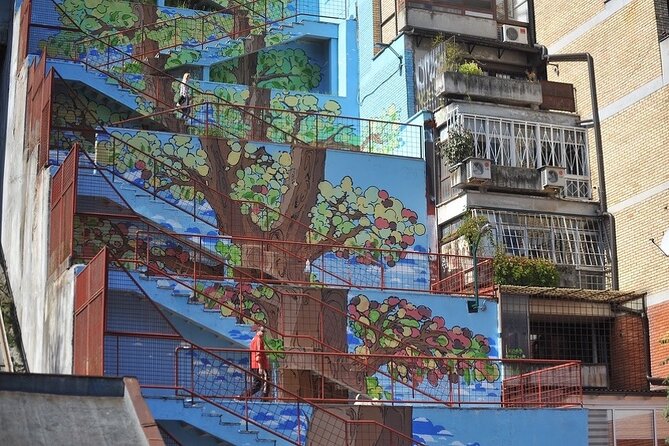
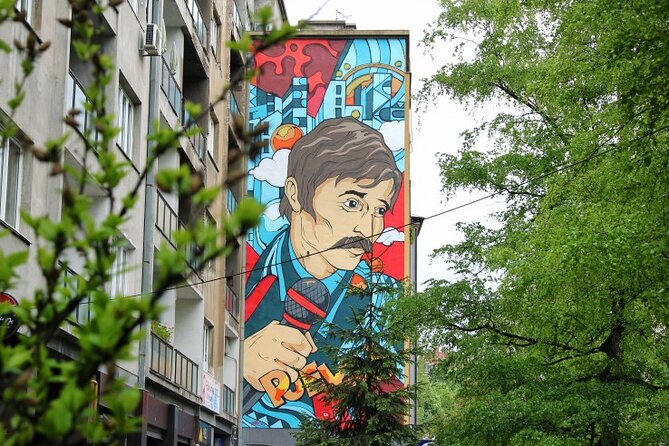
The Aria area is where the tour gets more character-driven. You’ll visit locations tied to Mr. Chat, plus a mural called Singer (Pjevač). You’ll also meet the Gallery Boris Smoje along the way.
This stop works well if you enjoy street art personalities and recurring styles. The guide explains the street art concepts behind these works, so you’re not only admiring the image—you’re learning what kind of message or attitude the art is carrying.
It also helps that this section is only about 20 minutes. You get a concentrated dose of modern street-art thinking without the walk turning into a long lecture.
If you’re curious about how Sarajevo’s contemporary street art connects to broader artistic expression, Aria is a good place to start connecting dots.
Stop 5: Ferhadija Pedestrian Street and the Srebrenica 1992/1995 Mural
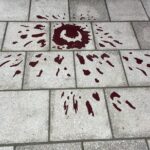
The final stop brings the tour’s emotional weight up. Behind the Ferhadija Pedestrian Street, you’ll find the mural Srebrenica 1992/1995. This isn’t the kind of mural you can just skim. It calls for attention, and the guide introduces you to the surrounding graffiti scene as part of the wider story.
This is the moment where street art becomes more than aesthetics. Murals like this can act like public memory boards—ways to insist that certain histories are not forgotten. You’ll get context that helps you understand why this specific work belongs in the tour’s sequence.
The time here is about 30 minutes, so you won’t feel rushed. That longer stop makes sense because the subject matter deserves it, and because you’re likely to want time to look at both the featured mural and the smaller surrounding marks.
Ferhadija is also a great end point because it’s pedestrian-friendly. After the last explanation, you can still keep walking and processing what you learned.
Price and Value: Is $30.04 Worth It?
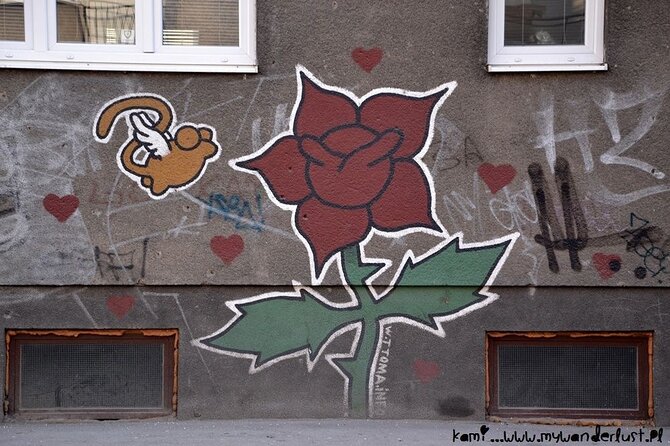
At $30.04 per person, this tour sits in the “pay for an expert guide, not tickets” category. The key value isn’t admission costs—it’s the storytelling you get on the way.
Every stop is listed as admission ticket free, which is a big practical win. You’re paying for interpretation: names of works, context for placement, and the way the guide connects one wall to the next. That’s also why the small group matters. In a group of around five, it’s easier for the guide to respond to questions and keep the explanations clear.
Is it the cheapest thing you can do in Sarajevo? No. But it’s also not a heavy financial commitment, and you’re getting a structured route through specific art sites with clear themes. If you like street art, you’re likely to come away feeling you used your evening well.
If you’re someone who only wants to see a few famous murals and then move on, you might feel the price is slightly high for the number of stops. The trade-off is focus and context.
Who This Tour Suits Best (and Who Might Want Something Different)
This works especially well for people who:
- Want street art with context, not just photos
- Have limited time in Sarajevo and want a structured evening route
- Don’t feel confident interpreting street art on their own
- Prefer small groups and conversational explanations
It’s also a strong choice if you’re curious about history but don’t want it in museum form. The tour makes history tangible through visible, specific works like In the preservation of monuments of the past and Srebrenica 1992/1995.
One caution: if you expect a huge variety of murals with lots of stops, the tour’s short timing means you’ll only cover the highlights the route is built around. The content is designed to be coherent, not encyclopedic.
And if you’re very sensitive to difficult historical topics, the Srebrenica mural stop is not light reading. The framing you get should help, but you should still expect weight.
Tips to Get More Out of Every Stop
Start the evening with a calm mindset. Street art often rewards slow looking, and the guide’s explanations are part of that. When you take a moment at each stop, the details start snapping into place.
Wear shoes that handle walking. The tour is compact, but it’s still a walking route across different areas and streets.
If you spot stickers, characters, or repeating motifs, keep an eye out for them after the tour. The best sign this tour worked is when the city starts feeling like a visual puzzle instead of background scenery.
Bring your questions. With a maximum of 5 travelers, you’re not stuck in silence, and it’s easier to ask what something is referencing.
Should You Book Sarajevo Street Art Tour sARTajevo!
If you want street art in Sarajevo that connects to real places and real meaning, this is an excellent fit. The route is small, the explanations are structured, and the stops include named works you could easily miss if you’re only relying on casual wandering.
I’d especially recommend it if you:
- Have only a short evening to spare
- Want the “why” behind the art, not just the “what”
- Like walking tours that feel personal rather than crowded
I might skip it only if you’re expecting a long, mural-hopping marathon with a massive number of sites. This tour is about quality and clarity over quantity.
Bottom line: for $30.04, with a 2 to 3 hour guided evening route and English explanations, it’s a practical way to see Sarajevo’s public walls like they’re meant to be read.
FAQ
How much does the Sarajevo Street Art Tour sARTajevo cost?
The price is $30.04 per person.
How long is the tour?
The tour lasts about 2 to 3 hours.
What language is the tour offered in?
It is offered in English.
Where do we meet for the tour?
The meeting point is Đulagina 2, Sarajevo 71000, Bosnia and Herzegovina.
What time does the tour start?
The start time is 6:00 pm.
How big is the group?
The tour has a maximum of 5 travelers.
Is there an admission fee at the stops?
The tour information lists admission ticket as free at the stops mentioned.
Is this a mobile-ticket experience?
Yes, it includes a mobile ticket.
Are service animals allowed?
Yes, service animals are allowed.
Is free cancellation available?
Yes. You can cancel for a full refund if you cancel at least 24 hours in advance of the experience start time, and cancellation is free up to that cutoff.