REVIEW · BROOKLYN
Street Art Tour in New York City with Local Expert Guide
Book on Viator →Operated by Friendly Local Guides · Bookable on Viator
Graffiti has a plan here. This 2-hour street art walk strings together iconic mural walls and lesser-seen back lanes across several NYC neighborhoods, with a local guide who helps you spot what you’d miss on your own. I especially like the small group size (max 10) and the way the route builds from one art style to the next. One heads-up: some stops lean more toward raw tagging and street-level expression than polished, gallery-style murals.
You’ll start at 9:00 am and you can get help with pickup offered, plus a mobile ticket. Expect a lot of walking and frequent quick looks—each stop is short—so you’ll want comfortable shoes and a camera ready.
The best part for me is what you’re left with after: practical recommendations for what to see and do next. That’s also where the guide can make or break the experience—if you’re expecting a perfectly paced checklist, know that street art walks can shift based on what’s looking best that day.
In This Review
- Key Things That Make This Tour Worth Your Time
- Street Art Across Boroughs: How the Route Fits in 2 Hours
- DUMBO Walls at 20 Jay St. #510: Big Mural Walls and the Brooklyn Flea Vibe
- Little Italy’s L.I.S.A Project on Mulberry St.: Global Artists in an NYC Street Room
- Freeman Alley on the Lower East Side: Where Tags Live Side by Side
- The Bowery Mural at 76 E Houston St: A Famous Wall’s Chaotic Timeline
- First Street Green Cultural Park and Centre-Fuge: Art in Parks and Construction Trailers
- SoHo’s Hip-Hop Mural Details: Planet Rock and a Break Dancing Era
- High Line Art on the West Side: Elevated Views with Worldwide Artists
- Price and Value: What $159 Buys (and What Might Cost Extra)
- How to Make the Most of the Guide and Your Camera
- Should You Book This Street Art Tour?
- FAQ
- How long is the street art tour?
- What time does the tour start?
- What language is the tour offered in?
- Is pickup included?
- How many people are on the tour?
- What’s included in the ticket price?
- Can I get a refund if I cancel?
Key Things That Make This Tour Worth Your Time
- Max 10 participants means you can actually hear the guide and see the art up close.
- Multiple borough neighborhoods keeps the tour from feeling repetitive or stuck in one scene.
- DUMBO Walls and the Bowery Mural give you big-name context you can’t get from a quick phone scroll.
- Street alleys and construction-site art show the contrast between official murals and everyday spray culture.
- Free stop admissions listed on the route help you keep the budget under control.
- Post-tour recommendations are built into the experience, not just an afterthought.
Street Art Across Boroughs: How the Route Fits in 2 Hours
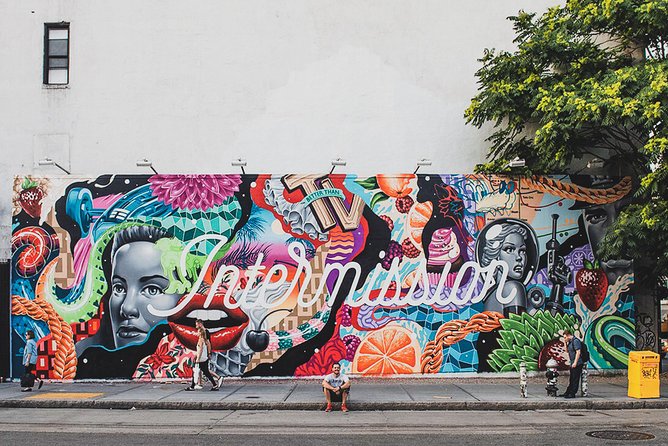
This tour is short on time and long on variety. In about two hours, you’ll move through several distinct areas around Brooklyn and nearby parts of the city, with multiple stops that are designed for quick visual reading: who made it, why it looks the way it does, and how the neighborhood shaped it.
It’s also built around a simple reality of NYC street art: the best pieces can be small, half-hidden, or tucked along the edges of sidewalks. With only 10 people, you’re not forced to crane over shoulders. You can linger just long enough to actually see details—tags, layers, paint textures, and the way artists respond to each other over time.
The main consideration is pacing. Stops are brief, and you’ll do a moderate amount of walking (the tour asks for moderate physical fitness). If you want a slow museum-like flow, you may feel rushed.
You can also read our reviews of more tours and experiences in Brooklyn.

DUMBO Walls at 20 Jay St. #510: Big Mural Walls and the Brooklyn Flea Vibe
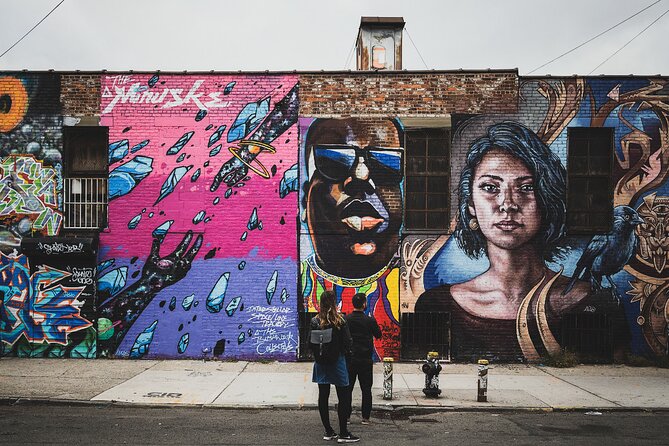
Your first stop is DUMBO Walls, a space created with local organizations and hosted at 20 Jay St. #510. The project centers on eight walls, and it’s known for bringing well-known artists to a public outdoor canvas. If you like street art with context, this is your starting anchor.
What I like here is the mix of names and styles. The DUMBO Walls lineup includes artists such as CAM, DALeast, Eltono, Shepard Fairey, Faith47, MOMO, Stefan Sagmeister, and Yuko Shimizu. That breadth matters because street art isn’t one thing—it’s different movements colliding on the same block.
You’ll also have time to connect this stop to the rest of the neighborhood. The description pairs the walls with the nearby Brooklyn Flea area, plus the option to walk toward the Brooklyn or Manhattan Bridge for city-views and architecture angles. There’s even mention of Museum at Eldridge Street on the way, which is a good add-on if you want more history nearby.
Potential drawback: DUMBO is popular. If you’re chasing quiet, you might find crowds at the start of the day, especially around the market zones.
Little Italy’s L.I.S.A Project on Mulberry St.: Global Artists in an NYC Street Room
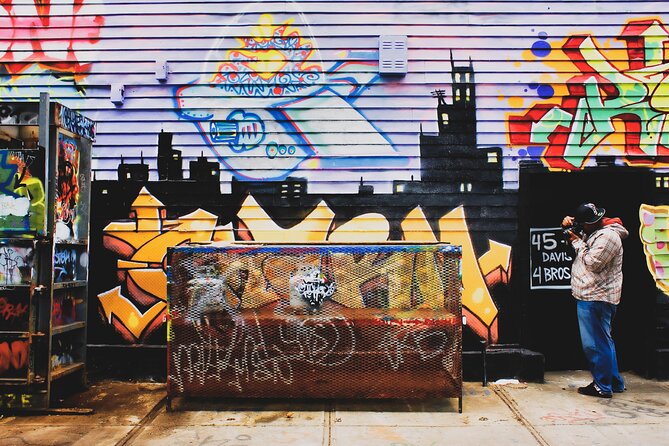
Next you head to Little Italy, stopping at the L.I.S.A. Project NYC site on Mulberry St. L.I.S.A has commissioned artists from around the world for public works for about five years, working with the local merchants association. That means the art here tends to be placed with intention, not just thrown up.
I like how this stop gives you a sense of street art as a living international exchange. The project has featured artists including Sonny Sundancer, Nick Walker, GATS, KaNOkid, Crash, and BKFOXX. Even if you’re not an art scholar, seeing these names helps you understand street art doesn’t stay local—it travels.
You’ll also pass by two big cultural draws nearby: the Tenement Museum and the International Center of Photography Museum. Their presence matters because this neighborhood often blends street-level creativity with more formal cultural institutions.
One practical note: the scheduled time here is short, so decide ahead of time whether you’re just photographing and learning, or whether you want to break off later for one of those museums.
Freeman Alley on the Lower East Side: Where Tags Live Side by Side
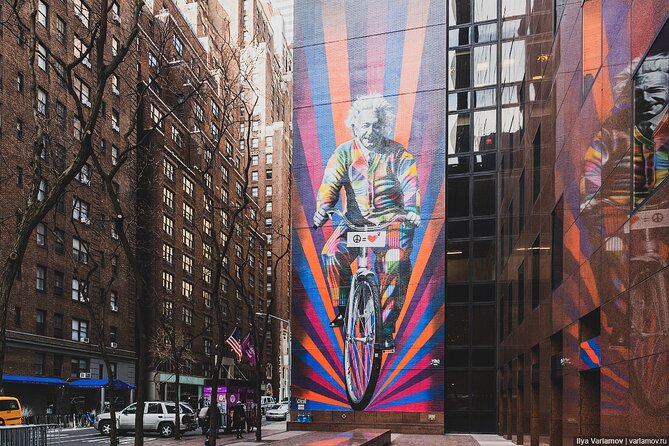
Freeman Alley is a different mood. It’s a tucked-away Lower East Side pathway known for heavy graffiti presence on brick facades. This is the kind of place where the walls feel like they’re always mid-conversation—older layers meet newer ones.
Artists connected to the alley include ASVP, Army of One, and Hanksy, plus a more recent mural: James Goldcrown’s Love Wall, which features colorful spray-painted hearts. If you like street art that feels personal and emotional (not just graphic), you’ll probably respond well here.
There’s also a strong “walk-through” feeling. You’re not just looking at a wall from across the street—you’re moving into the space where the art is compressed by the alley shape.
While you’re on the way to the next area, you’ll pass the Basilica of St. Patrick’s Old Cathedral. That’s useful because it gives your eyes a break: stone architecture for a minute, then back to spray lines and brick textures.
The Bowery Mural at 76 E Houston St: A Famous Wall’s Chaotic Timeline
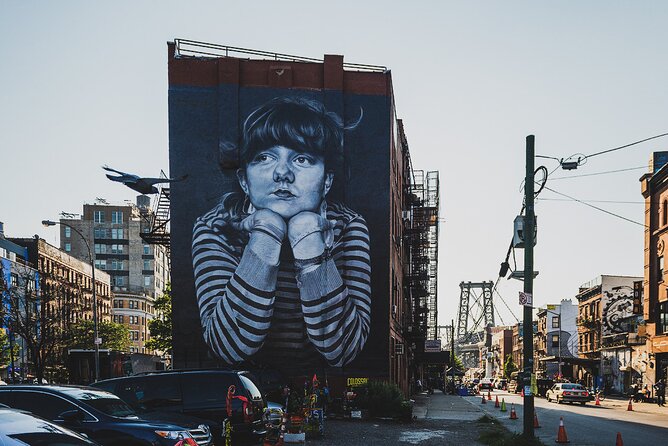
At 76 E Houston St, you’ll see the Bowery Mural. This is one of those NYC street-art storylines that explains how the scene evolved over time. Keith Haring placed artwork on the wall nearly 40 years ago, and soon after, many artists added their own tags to the same canvas.
Then comes the part that makes this wall more than random scribbling. Curator Jeffrey Deitch teamed up with Tony Goldman of Goldman Global Arts (the company associated with the wall) to bring in acclaimed artists for new public works. The list includes Os Gemeos, Shepard Fairey, Kenny Scharf, and Ron English.
I like stops like this because they show a timeline. Street art can look chaotic until you notice the structure: who started it, how people responded, and how the wall became a platform again.
Possible drawback: because this wall has layers and history, it may feel less like one single mural experience and more like a collage of eras. If you’re hoping for a single “wow” moment, you may need to slow down mentally and treat it as a long-form story.
First Street Green Cultural Park and Centre-Fuge: Art in Parks and Construction Trailers
Two stops in the Lower East Side zone keep the tour grounded in everyday public life.
First is First Street Green Cultural Park at 33 E. First St. It’s an open art space founded in 2008, designed so different styles can appear in a public setting. Artists named here include Vernon O’Meally, Karlis Rekevics, Jeromy Velasco, Alexis Duque, Emily Noelle Lambert, Justin Rodier, Marc Pelletier, Paul Paddock, Robert Plater, Phlegm, and See One. That list matters because it signals the park has been used for mural competitions, not just one-off installations.
Then you move to Centre-Fuge Public Art Project at/near E. First St. This project started in 2011 by Jonathan Neville and Pebbles Russell, with the goal of turning boring construction site surfaces into canvases. The description specifically mentions artists spraying exterior walls of construction trailers with murals, which is one of the clearest examples of how street art adapts to city life.
Recent contributors named include Cycle 21, Julia Cocuzza, Mike Kuhn, Damien Miksza, Col Wallnuts, and Kwue Molly.
Why this section is valuable: it shows street art isn’t only about finished murals on perfect walls. Sometimes it’s about using what’s available—parks, construction fronts, and public edges.
SoHo’s Hip-Hop Mural Details: Planet Rock and a Break Dancing Era
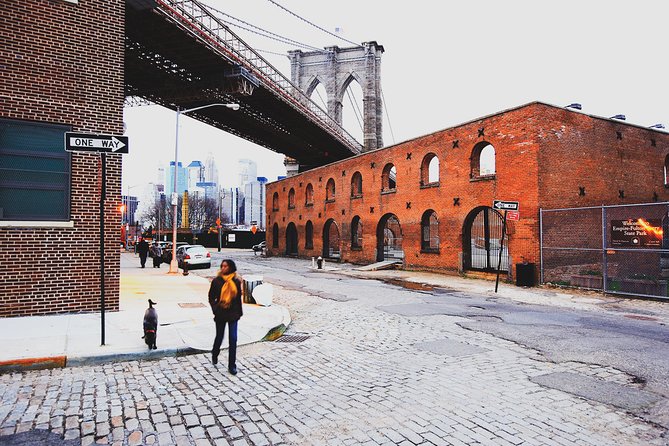
In SoHo, the artwork you’ll focus on centers on hip-hop roots and the era of 1970s break dancing. The key detail is that it doesn’t just reference the culture—it builds it into the visuals.
You’ll see a cap embellished with a graffiti-bombed subway train, and a boombox that plays Planet Rock by Afrika Bambaataa. There’s also a Mugsy pin painted by Doze Green from Rock Steady Crew. This is street art as audio memory: it points you back to sounds, not only shapes.
After that, the tour notes several nearby cultural stops close together, including the Whitney Museum of American Art, Ground Zero Museum Workshop, and David Zwirner art gallery. That “cluster effect” is helpful. If you like modern art and want to keep moving after the tour, SoHo makes it easy.
Potential drawback: SoHo can be visually tempting, and you may start noticing other murals and tags around you. If you drift too much, you might miss the guide’s specific pointers for the main mural stop.
High Line Art on the West Side: Elevated Views with Worldwide Artists
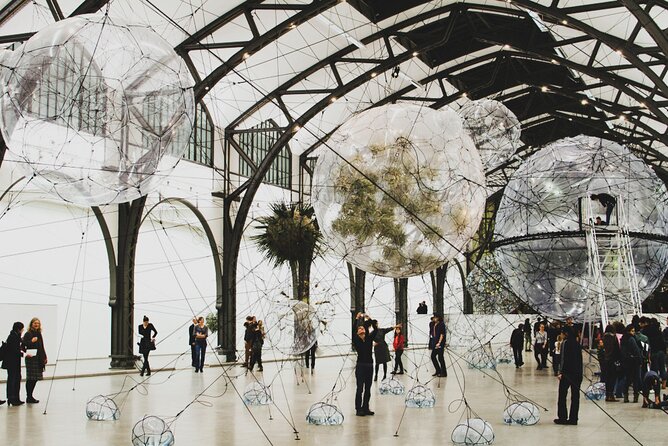
The final art zone is the High Line area, specifically the Linear Park on the West Side. This is about views and art walls right next to the walkway.
High Line Art is connected to the Friends of the High Line, which has invited artists worldwide to place work on nearby building walls. Two named highlights are JR’s large-scale portrait from the Inside Out Project in 2011 and Kobra’s colorful mural in 2012 inspired by Alfred Eisenstaedt’s 1945 V-J Day photograph.
I like ending here because it changes your angle. After brick alleys, murals, and wall close-ups, you get elevation. It’s easier to see how street art interacts with the city’s geometry—blocks, rooflines, and distance.
The trade-off is simple: this area gets popular. If you like photos without crowds in the frame, you’ll want to be ready to move quickly when the group pauses.
Price and Value: What $159 Buys (and What Might Cost Extra)
At $159.00 per person for about 2 hours, you’re paying for more than sightseeing. You’re paying for a local guide, a tight route that covers multiple neighborhoods, and help interpreting what you’re seeing. The tour also lists included fees and taxes, and it notes free admission ticket for the stops on the route.
That said, you should expect a little friction in NYC walking tours. Even with a pickup option and being near public transportation, you may still need subway or transit between areas depending on where you’re meeting and how the route runs that day. One past experience highlighted that not everyone realizes transit rides can be a separate cost if your guide needs to use the subway.
Also budget for the basics you carry anyway: food and drinks are not included, and gratuities are optional. Entrance fees are listed as not included if any are part of your choices.
If you’re the type who likes structure and context, the price tends to feel fair. If you mainly want to wander with your own map, you could do street art on your own for less money—so think of this as buying time and interpretation.
How to Make the Most of the Guide and Your Camera
This tour is designed for listening and looking. Since the group is capped at 10, use that to your advantage: ask quick questions when you stop, and don’t save everything for later when you’re moving again.
Practical tips that help:
- Wear shoes that handle a lot of walking. The itinerary is packed with short viewing windows.
- Bring water, even if food isn’t included. Two hours in NYC weather can still add up fast.
- Use your phone camera for details. Street art often rewards close focus: lettering layers, stenciled edges, and paint overspray.
- After the tour, ask for your next targets. The experience includes recommendations for what to see and do next, and that’s where your day can expand beyond the scheduled stops.
Should You Book This Street Art Tour?
Book it if you want:
- A small-group street art route that moves through multiple neighborhoods without taking all day.
- A mix of mural walls and more street-level expressions, so you get the full range of NYC street culture.
- A guide who can point out what matters and help you plan your next stops afterward.
Skip or think twice if you want:
- Only polished, curated murals with minimal tagging. This route includes alley-style graffiti environments and street-level layers.
- A perfectly fixed schedule with no transit decisions. NYC tours can require quick route adjustments, and you should plan for possible extra transit costs.
If you love street art as a living city language, this is a solid way to spend your morning—and you’ll end with more than photos. You’ll leave with a better eye for what you’re actually looking at.
FAQ
How long is the street art tour?
The tour is listed at about 2 hours.
What time does the tour start?
The start time is 9:00 am.
What language is the tour offered in?
The tour is offered in English.
Is pickup included?
Pickup is offered, and the meeting point details indicate it is near public transportation.
How many people are on the tour?
The tour has a maximum of 10 travelers.
What’s included in the ticket price?
It includes all fees and taxes, a friendly local guide, must-see and off-the-beaten-path stops, iconic photo locations, and expert advice. Food and drinks are not included, and entrance fees are listed as depending on preferences. Gratuities are optional.
Can I get a refund if I cancel?
Yes, free cancellation is available up to 24 hours in advance for a full refund. Canceling less than 24 hours before start time does not get a refund.