REVIEW · FLORENCE
Accademia Gallery: Michelangelo’s David, A Symbol of Strength.
Book on Viator →Operated by Star Florence · Bookable on Viator
David hits different up close, and this Accademia tour threads the story around the statue with tight timing.
You’re in and out without getting lost in a sea of marble, and the guide keeps the hour moving.
I love the skip-the-line reservation and the way headsets let you catch every word. You also get a packed route that covers more than David, including multiple halls and several major works in one go.
One consideration: timing is strict. If you arrive after the start time, you can’t join and you won’t be refunded.
In This Review
- Key things to know before you go
- Florence’s Accademia in one hour: the practical value
- Skip-the-line entry and the meeting point on Via Ricasoli
- Galleria dell’Accademia stop: David’s museum “family tree”
- Why the Colossus Hall matters (Giambologna and the drama of sculpture)
- The Prisoners hall: what unfinished statues teach you
- The Tribune and Michelangelo’s David: how to watch your eyes
- Gipsoteca Bartolini: plaster casts and the value of studying form
- What the whole 1-hour tour feels like in practice
- Who should book this Accademia Gallery David tour (and who might not)
- Is it good value at $55.63 per person?
- Should you book? My take
- FAQ
- FAQ
- How long is the Accademia Gallery tour?
- Is the entrance ticket included?
- Do you get skip-the-line access?
- What language is the tour offered in?
- Where is the meeting point?
- What happens if I arrive after the tour start time?
- Is there a headset or radio system?
Key things to know before you go
- Guaranteed skip-the-line access with a reserved ticket, even in peak season
- Headsets/radio system so the guide’s voice stays clear through the museum
- David plus a smart museum circuit: Colossus Hall, Prisoners, Tribune, and Gipsoteca Bartolini
- Up-close viewing time for Michelangelo’s David before you move on
- Maximum group size of 19 to keep the pace manageable
- Officially certified guide leading the route in English
Florence’s Accademia in one hour: the practical value
Florence’s Accademia is the kind of museum where you can easily burn a full afternoon and still feel like you skimmed. This tour is built for the opposite problem: you want the big hits, you want context, and you don’t want to drift around while everyone else queues forever.
The price is $55.63 per person, and what makes it feel reasonable is what’s included: an officially certified guide, the reserved entrance ticket, and a radio system so you can hear explanations without craning your neck. You’re paying for time saved and for an expert lens that helps you see details you might miss if you wander on your own.
This also helps if you’re doing more than one museum day. Accademia sits right at the top of the Florence “musts,” so having a focused plan keeps your schedule from slipping.
You can also read our reviews of more museum experiences in Florence

Skip-the-line entry and the meeting point on Via Ricasoli
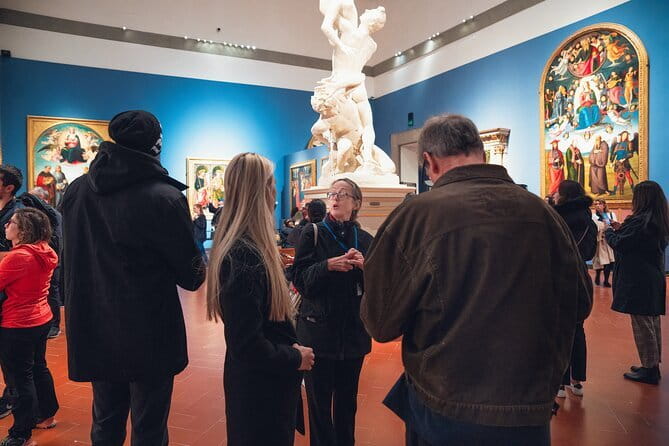
The biggest day-to-day win here is the reserved entry. In a place like Accademia, waiting can feel like part of the ticket price. With this tour, you bypass the long lines with a pre-booked time slot, which means you get to start seeing art instead of practicing patience.
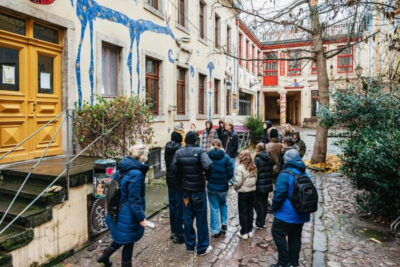
The second practical point is where you start. You meet at Via Ricasoli, 57, 50121 Firenze FI, and the tour ends back at the same meeting point. That sounds simple, but one review noted how specific the meeting spot can be, and that it may look like just a doorway without obvious signage. So do this: arrive a few minutes early, take a quick screenshot of the exact pin on your map app, and scan the area for your group before the start time.
Also note the hard rule: if you show up late, you won’t be able to join and you won’t get a refund. If you’re pairing this with a tight itinerary, build in cushion time.
Galleria dell’Accademia stop: David’s museum “family tree”
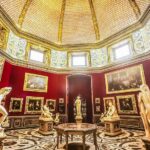
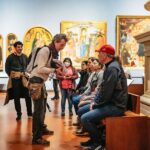
Once inside, the route is designed to build meaning, not just stop-by-stop sightseeing. The guide starts by introducing the museum and the secrets behind the collection, then moves you through several landmark spaces quickly enough to avoid overwhelm but slowly enough to actually register what you’re looking at.
You’ll begin with the hall approach that helps you understand why Michelangelo’s David became the icon it is. Instead of treating David as a single, isolated masterpiece, you’re shown how the artists around him shaped taste, technique, and artistic ambition in Florence.
Then you start moving through major works and themes:
- You’ll pass through the Hall of the Colossus area to see sculptures connected to power, drama, and classical storytelling.
- You’ll continue into the main Hall of the Prisoners, where the focus shifts to Michelangelo’s unfinished statues and the ideas behind them.
This is one of the most useful parts of the tour: it gives you a map of the museum in your head. By the time you reach the David, you’re not just reacting—you’re reading.
Why the Colossus Hall matters (Giambologna and the drama of sculpture)
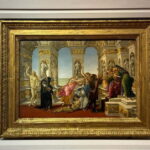
In the Hall of the Colossus, you’ll hear about Giambologna’s Rape of the Sabines and other notable works like Cassone Adimari and Domenico Ghirlandaio’s St. Stephen between St. James and St. Peter.
Why I think this matters: it helps you understand sculpture as storytelling. The dramatic angle, the sense of motion, and the way figures interact are not random. They’re the Renaissance language for emotion, scale, and persuasion.
Even if you don’t read every placard on your own, the guide ties these works together so you begin to notice patterns: how bodies are posed, how gestures communicate tension, and how artists made “movement” feel real in stone.
A small drawback of a fast, highlights-first plan: you won’t have long, solo time to stand in every room. If you love lingering, you’ll have to save that for after your guided hour when you can return to whatever grabbed you.
The Prisoners hall: what unfinished statues teach you
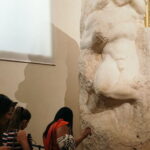
One of the tour’s headline sections is the Hall of the Prisoners, where you’ll learn about Michelangelo’s unfinished Slaves—the sculptures that look like they’re emerging from the block rather than fully arriving in public view.
This is one of those moments that changes how you look at the art. Finished work can feel like a final product; unfinished work shows process: the decisions, the experiments, and the physical logic of carving. The tour also connects Michelangelo to the wider creative circle—sharing how artists like Fra’ Bartolomeo, Pontormo, Granacci, and others influenced ideas around the time.
If you’ve ever wondered why Renaissance art feels so “alive,” this is where you can start answering that. The guide’s explanations help you see the statues as action in progress, not just objects on display.

The Tribune and Michelangelo’s David: how to watch your eyes
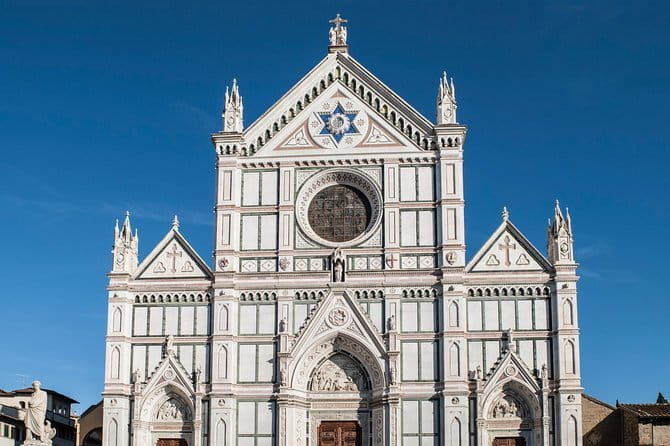
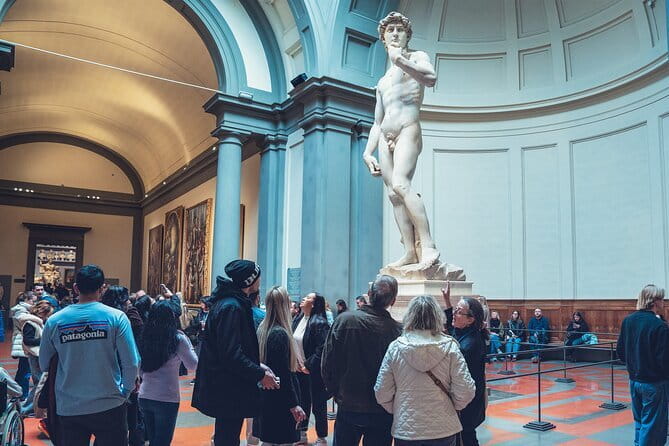
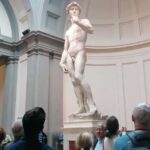
Next comes the Tribune, the heart of the experience. This is where you’ll focus on Michelangelo’s David and also hear about the Tribune Left Wing painting, Allori’s Coronation of the Virgin Mary.
Even if David is the main reason you booked, I like how the tour doesn’t leave you with a single-note experience. Including Allori’s work in the same area gives you a sense of the museum as a whole—sculpture and painting sharing the same visual world.
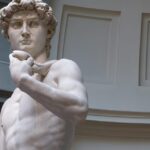
Here’s the mindset I’d use when you get there: don’t rush to “get the photo.” Stand where you can see the pose clearly, then shift your perspective slightly to notice how the expression reads. David’s impact isn’t only scale. It’s the balance of anatomy, emotion, and calm intensity.
And since you’re on a guided hour, the guide’s timing matters. You’re less likely to get stuck behind crowds at the exact moment you need space to look. That’s one reason skip-the-line matters beyond convenience: it helps you arrive with less crowd friction.
Gipsoteca Bartolini: plaster casts and the value of studying form
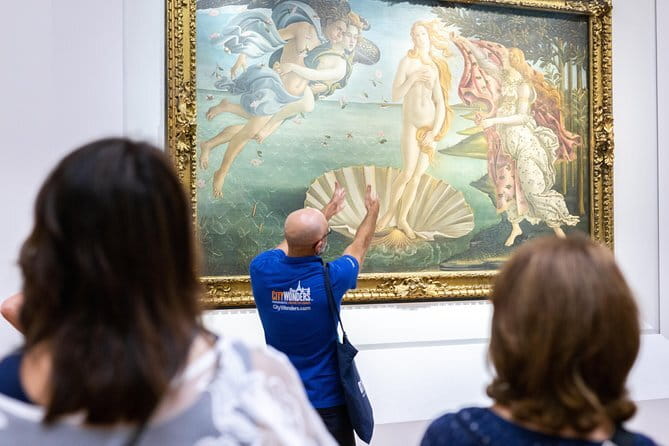
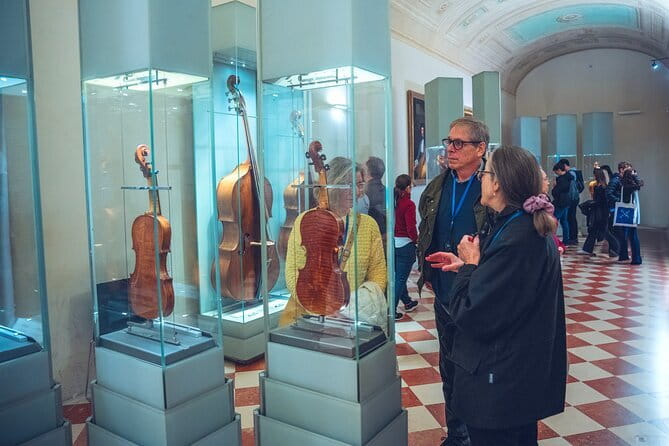
Finally, you’ll visit the Gipsoteca Bartolini, where you can see plaster casts such as the Reclining Venus, Arnolfo, Brunelleschi, and Lorenzo Monaco, along with a documentation center on the first floor.
This stop is quietly smart for anyone who loves craft. Plaster casts can feel less “wow” than marble until you realize what they’re for: teaching form. You get to study bodies and proportions without the mystery that comes from distance and scale. The documentation component also signals that the museum isn’t only about spectacle—it’s about understanding how artists worked and how ideas traveled.
The guide can also make this area more than a quick pass. If you’re the kind of visitor who likes to know what you’re looking at and why it exists, this section helps you leave with a grounded sense of artistic process.
What the whole 1-hour tour feels like in practice
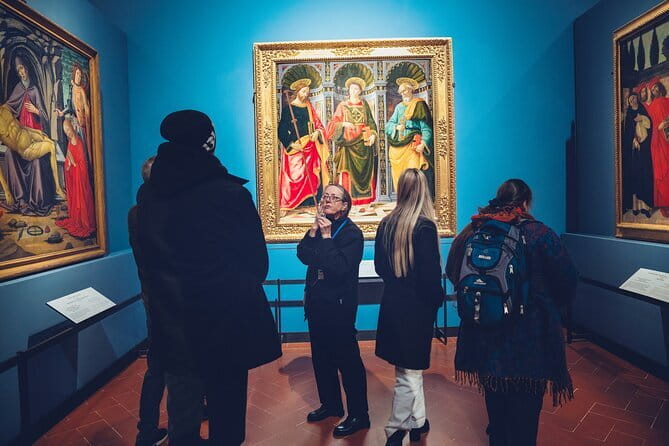
The duration is about 1 hour, and the tour is paced to hit major highlights without turning your visit into a marathon. The included time with the guide gives you a structured way to absorb the David and a handful of other key masterpieces.
You also get a practical bonus: the option to return afterward. The tour is designed so that even after the hour ends, you can revisit David or linger where you want more time. That means you can match the experience to your personality—quick check, or deeper look after you’ve gotten the story.
A headset system is provided, and it matters more than you’d think. In museums, even a good guide can turn inaudible if you’re behind someone tall. With headsets, the guide’s voice stays clear, so you can focus on the art instead of translating speech in a crowded room.
One small caution: if you’re not using the headset properly, you may find yourself leaning in. So if hearing every word is part of why you’re booking, keep the headset on for the whole tour.
Who should book this Accademia Gallery David tour (and who might not)

This is a great match if you:
- Want Michelangelo’s David plus multiple key works without building your own route
- Like explanations delivered by a certified guide rather than just reading labels
- Are short on time but still want the museum to make sense
- Travel with kids or family and want an organized, easy pace
It may be less ideal if you:
- Want a slow, room-by-room museum day with lots of free wandering
- Prefer to pick just one exhibit and spend a long time there (this tour is highlights-forward)
- Have a tight schedule where arriving late is likely
The group limit of 19 helps. It’s big enough to feel social but small enough that you’re not constantly stopping for someone who can’t hear instructions.
Is it good value at $55.63 per person?
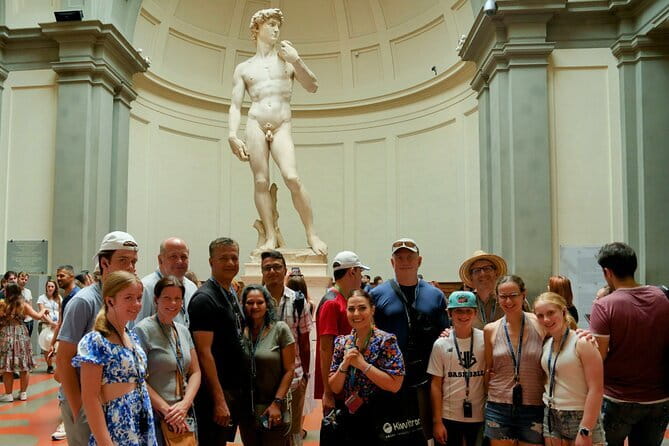
At $55.63, the value comes from three bundled items: reserved admission, an officially certified guide, and a radio system. If you priced those separately in your head, you’re not just paying for “being talked to.” You’re paying for access and communication.
Also, the structure is efficient: it covers major museum areas like the Hall of the Colossus, the Hall of the Prisoners, the Tribune, and the Gipsoteca Bartolini in one loop. That reduces decision fatigue. You don’t have to wonder what’s worth your time first.
And if you’re planning a Florence classics day (David now, then Uffizi or other stops later), the one-hour duration is the kind of planning that protects your energy. It’s easier to stay excited when you’re not exhausted.
Should you book? My take
If Michelangelo’s David is on your Florence list—and let’s be honest, it probably is—this tour is a smart way to see it with context. The skip-the-line setup means you start on art sooner, the headset system keeps the experience readable, and the route makes David feel connected to the broader Renaissance world.
Book it if you want a guided highlights plan with enough time to return on your own afterward. Skip it only if you’re the type who enjoys long museum wandering more than structured viewing, or if your schedule makes arriving on time unrealistic.
FAQ
FAQ
How long is the Accademia Gallery tour?
It lasts about 1 hour.
Is the entrance ticket included?
Yes. Entrance to the Accademia Gallery is included with a reservation.
Do you get skip-the-line access?
Yes. Skip-the-line access is guaranteed except for delays or strikes by the museum management.
What language is the tour offered in?
It is offered in English.
Where is the meeting point?
The tour meets at Via Ricasoli, 57, 50121 Firenze FI, Italy.
What happens if I arrive after the tour start time?
If you arrive after the tour start time, you won’t be able to join and you won’t be refunded or rescheduled.
Is there a headset or radio system?
Yes. A radio system is included so you can hear your guide clearly.