REVIEW · MANCHESTER
Street Art: The Modern History of the Northern Quarter
Book on Viator →Operated by Skyliner: Alternative Tours and Anti-tours of Manchester · Bookable on Viator
Street art tells the story fast. On this 2-hour walk through Manchester’s Northern Quarter, I love how the guide maps 25 years of street art to real neighborhood change and social justice debates.
Second, I like that the tour is tied to local support, not just photos. A full 10% profit donation goes to worthwhile causes in the area, which makes the whole thing feel more responsible.
One possible drawback: it runs on foot and it needs good weather, so plan for damp Manchester days and sensible shoes.
In This Review
- Key points that make this tour worth your time
- Street Art as Manchester’s Neighborhood Memory
- Price and value: what you get for $20.70
- Starting at Shudehill: how decline set up the comeback
- The Northern Quarter’s “ceramic art trail” and why tiles matter
- Contemporary street art: spotting political influence in plain sight
- Gentrification and public space: the hard part told with care
- Off-the-path film locations: art plus screen story
- Ending near Black Dog Ballroom: keep the conversation going
- Who this tour is best for
- Should you book Street Art: The Modern History of the Northern Quarter?
- FAQ
- How long is the Street Art: The Modern History of the Northern Quarter tour?
- How much does the tour cost?
- Where does the tour start and end?
- What ticket format do I need?
- Is the tour affected by weather?
- How big is the group?
- Does the tour include a donation?
Key points that make this tour worth your time
- 25-year street-art storyline that connects walls to what changed on the streets
- Ceramic art trail and how public art helped shift the Northern Quarter’s identity
- Gentrification and public-space questions discussed without getting preachy
- Contemporary works in context, including political influences you might otherwise miss
- Off-the-path film locations to add a screen-story layer to the neighborhood
- Max 30 people, so it stays chatty and you can ask where to eat
Street Art as Manchester’s Neighborhood Memory

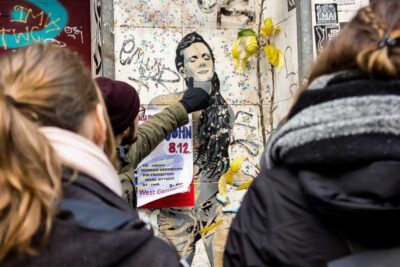
If you’ve ever walked the Northern Quarter and thought, something’s going on here, this tour gives you a way to read it. Instead of treating street art as decoration, the guide treats it like a record—what people wanted, what people protested, and what the area tried to become.
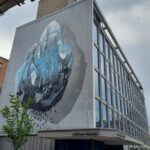
You get a walking history that moves through social justice themes, counterculture energy, and the modern pressure of gentrification. The best part is the pacing: you’re not stuck in one lecture mode. You’re seeing the physical stuff—murals, installations, and smaller street details—then hearing why they appeared when they did.
And because it’s a tour with a local donation component, it doesn’t feel like you’re extracting cool images from the neighborhood and leaving. You’re part of a loop that supports local causes, which matters when you’re discussing public space and community change.
You can also read our reviews of more tours and experiences in Manchester.
Price and value: what you get for $20.70
At about $20.70 per person for roughly 2 hours, this is priced like a solid city activity, not a museum splurge. For me, the value comes from the mix: you’re buying time with a guide plus an organized route through art and story, so you don’t have to guess what’s worth stopping for.
A few details also help the practical side. It’s a mobile ticket, so you’re not juggling paper. The group is capped at 30, which keeps the walk from turning into a crowded shuffle. And it’s near public transportation, so you can pair it with other Northern Quarter plans without feeling trapped.
The other value driver is the 10% profit donation to local causes. When a tour builds giving into the model, it changes how the walk feels, especially since one of the core topics is how neighborhoods lose public space and shift under economic pressure.
Starting at Shudehill: how decline set up the comeback
The tour starts in Shudehill, and right away you get oriented to why the Northern Quarter looks the way it does. This wasn’t always the trendy hangout most people expect. The story runs back through the area’s long decline, particularly after the opening of the Arndale Centre, which contributed to businesses moving away in a more shopping-mall era.
What I like about this opening is that it doesn’t pretend street art sprang from nowhere. The guide explains how the Northern Quarter contains a very high density of protected buildings, which means there’s a lot of architectural history sitting right next to the newer layers of street culture. When places are neglected or disrupted, that tension shows up in the walls.
You also hear a pointed comparison from cultural icon Tony Wilson in the early 1990s, when he referred to it as our Detroit. The reason matters: the area had a mass evacuation of businesses, leaving behind broken energy and abandoned spaces. That kind of setup is fertile ground for artists and for people who want to reclaim space.
And yes, this start sets the tone for the rest of the walk. Even if you usually treat street art like a fun side quest, you’ll quickly realize the guide is using it as a lens for real city issues.
The Northern Quarter’s “ceramic art trail” and why tiles matter
One of the standout elements is the ceramic art trail. Tiles sound small until you realize what they do in a street setting: they last, they weatherproof the message, and they can turn a plain wall or passage into a shared landmark.
On this part of the tour, you’ll follow a route where ceramic pieces become part of the neighborhood’s daily reading. It’s a smart choice for visitors because ceramics feel approachable. They aren’t only for die-hard street art fans. Even if you’re the type who normally walks past street art without slowing down, ceramic work tends to pull you in.
The story around the trail is also about transformation. The guide connects how a ceramic approach helped shift perceptions of the Northern Quarter, not just by adding art, but by encouraging people to look again at ordinary corners. That’s the kind of change that can ripple into local identity—especially in areas wrestling with gentrification.
A practical note: ceramic details reward slow walking. Take a minute here and there to look from an angle. Some work is meant to be seen up close, not just as a photo backdrop.
Contemporary street art: spotting political influence in plain sight
After the ceramic section, the walk leans harder into contemporary street art. This is where you’ll start noticing the patterns the guide wants you to see: how artists respond to the city’s power structures, and how messages can blend into the street’s daily noise.
One of the strongest themes is political influence—how ideas show up in what gets painted, how it’s placed, and what gets attention. In the feedback I drew from, there’s a sense that the guide’s explanations help you read those choices instead of just admiring the artwork.
There’s also mention of street-level storytelling, including anecdotes related to the area’s past commercial life, like the fish market reference. Even if you’re not from Manchester, those stories help art feel grounded. It stops being abstract. It becomes about a community’s rhythms—work, trade, and the way people move through the streets.
This is also a good section to ask questions. Since the group stays small, you can clarify what you’re seeing. If something feels confusing—like why a piece seems political but not obvious—the guide can usually translate it into something you can spot on the next wall over.
Gentrification and public space: the hard part told with care
The Northern Quarter’s art story isn’t only success and style. It also includes the city’s tougher realities: gentrification and the loss of public space. You’ll hear how counterculture energy can get swallowed by new branding, and how public art can either resist that squeeze or get absorbed into it.
What I appreciate here is the balance. This tour doesn’t reduce gentrification to a single villain and call it a day. Instead, it connects how economic shifts affect who feels welcome, who can afford to stay, and what kinds of spaces survive.
And because the guide keeps tying the discussion back to the street art, you’re not just hearing theory. You’re seeing visual evidence and learning how communities negotiate presence. Even if you’re neutral on the topic, you’ll likely come away with a clearer sense of how public art interacts with civic change.
For me, this section is also where the tour becomes more useful for planning your future Manchester time. Once you’ve heard how the Northern Quarter evolved, you start noticing similar patterns elsewhere in the city—how art, commerce, and space compete.
Off-the-path film locations: art plus screen story
In addition to murals and ceramics, the tour includes off-the-path film locations. This is a nice change of tempo. You’re still walking, still looking at the neighborhood, but now you’re also picking up on how the area shows up on screen.
Even if you don’t remember every Manchester film reference, it’s valuable. Film locations teach you how streets are framed and repurposed. It also reinforces one of the tour’s main ideas: space can be reinterpreted again and again, depending on who’s looking and what they want from it.
This section pairs well with the art content because it shifts you from “What does this mean?” to “How does this place get used?” The answers can be political, too—branding, authenticity, and who benefits from being seen.
If you’re the type who loves recognizing places you’ve watched on a couch, bring that energy. If not, you’ll still enjoy the walk because the guide uses these locations as waypoints for the bigger story.
Ending near Black Dog Ballroom: keep the conversation going
The tour concludes at Black Dog Ballroom, 52 Church St. That end point works well because it’s in the heart of where people actually hang out. After two hours of looking closely at street art and hearing the neighborhood’s history, you’ll be ready to do something with your new eyes—walk one more block, check out a café, or pop into a nearby bar.
One of the details you’ll likely appreciate is that the guide is open to tips for where to eat. That matters because street art tours can leave you hungry and slightly dazed. A good guide turns that into a practical next step: you leave knowing what’s worth trying, not just where you walked.
And if the tour sparked questions—about which areas feel safer, which streets hold more art, or what’s next for the Northern Quarter—you’ll have a starting point for asking. The best tours don’t just end. They hand you tools for continuing the story on your own.
Who this tour is best for
This is a strong fit if you:
- like street art but want context, not just visuals
- enjoy history that includes social issues and city planning choices
- want a short walk that still feels meaningful (about 2 hours)
- appreciate tours that include a 10% local donation
It’s also a good choice if you like guides who can connect multiple threads—architecture, counterculture, protest energy, and today’s tensions—into one walking route.
If you’re looking only for pretty murals and nothing else, you might find parts of the story heavier than you expected. The tour discusses gentrification and public-space loss, so it’s not a purely carefree stroll.
Should you book Street Art: The Modern History of the Northern Quarter?
I’d book it if you want more than street art photos. The combination of a 25-year perspective, a ceramic art trail, and discussions of social justice and gentrification makes it unusually grounded for a neighborhood walk. Add in the 10% profit donation, and it feels like a responsible way to spend time in Manchester.
I’d think twice only if bad weather is likely and you hate walking in rain, since the experience requires good weather. Also, if politics and city change topics turn you off fast, this may feel like too much for a quick holiday.
FAQ
How long is the Street Art: The Modern History of the Northern Quarter tour?
It runs for about 2 hours.
How much does the tour cost?
It costs $20.70 per person.
Where does the tour start and end?
It starts at Shudehill, Manchester M4, UK, and ends at Black Dog Ballroom, 52 Church St, Manchester M4 1PW, UK.
What ticket format do I need?
You’ll use a mobile ticket.
Is the tour affected by weather?
Yes. It requires good weather, and if it’s canceled due to poor weather, you’ll be offered a different date or a full refund.
How big is the group?
The tour has a maximum of 30 travelers.
Does the tour include a donation?
Yes. A 10% profit donation goes to support local causes.