REVIEW · FLORENCE
Afternoon Access to Accademia Gallery: David & Stradivarius
Book on GetYourGuide →Operated by Keys of Italy · Bookable on GetYourGuide
David is only the start here. This Afternoon Access tour pairs Michaelangelo’s icon with Florence’s sound history, including a real 1690 Stradivarius and the first modern piano made in the city.
I especially like the small-group pace, because you get time to look closely instead of speed-walking. I also like that the guide doesn’t just point and move on; you get art-history context built for an English-speaking visit. One thing to factor in: the Accademia can be unpredictable on the first Sunday of each month, when entry is free but tickets can’t be reserved ahead, so admission isn’t guaranteed.
In This Review
- Key Highlights I’d Prioritize
- Why This Afternoon Accademia Tour Feels Smarter
- Meeting Point at 3:00 PM: The Part That Saves You Stress
- Conservatorio Luigi Cherubini: Stradivarius and the First Modern Piano
- Michelangelo’s David: How a Guide Makes a Statue Work for You
- The Michelangelo Room: More Than One Monument
- What the Tour Style Feels Like (From Real Guide Performances)
- Price and Value: Is $80 for 70 Minutes Worth It
- Best Fit: Who This Tour Suits
- First Sunday Free Entrance: A Useful Detail to Know
- Should You Book This Afternoon Access Tour?
Key Highlights I’d Prioritize
- Skip-the-line access to the Accademia Gallery at a set 3:15 PM start
- Michaelangelo’s David as the centerpiece, with guide-led viewing angles and explanations
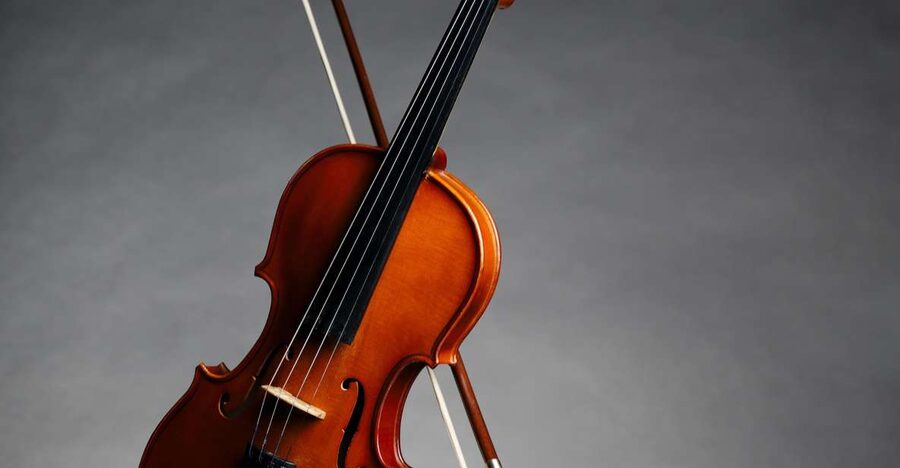
- Conservatorio Luigi Cherubini instruments: a 1690 Stradivarius violin and Florence’s first modern piano
- A Michelangelo-focused room that expands what you thought you knew after David
- A genuinely small group (up to 9) that keeps the visit conversational
Why This Afternoon Accademia Tour Feels Smarter
Accademia Gallery is famous for one statue, but it’s also packed with surprises once you get inside. This is why I like this format: it’s timed for the afternoon, yet built around the museum’s two biggest draws that most people miss when they arrive hungry for only David.
What makes the tour feel efficient is the mix of art and music. You’ll go from sculpted perfection to the world of instruments preserved from Florence’s musical legacy. That change of pace keeps your brain awake, and it also makes the museum feel less like a checklist.
This tour runs about 70 minutes, so you’re not stuck all day. If you’re trying to fit David into a tight Florence plan, this is one of the more focused ways to do it. You just need to show up on time. The tour starts 3:15 PM sharp, and it’s held to a tight meeting window at the main entrance.
You can also read our reviews of more museum experiences in Florence

Meeting Point at 3:00 PM: The Part That Saves You Stress
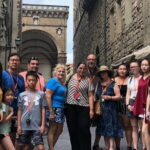
You’ll meet at 3:00 PM in front of the main entrance to Accademia Gallery, beside the ticket office, at building number 47 (blue). Your guide holds a Keys of Italy sign.
This matters because Accademia is one of those places where lines can turn into time traps. The tour includes skip-the-line entrance, but skip-the-line still works best when you’re standing at the right spot early enough to check in smoothly. If you’re late, you risk losing the flow of the whole group.
Also, note the language setup: this is an English-speaking guided tour, and it’s designed as a small group capped at 9 participants. That’s the sweet spot where you can ask a question without the guide repeating everything for 30 people.
Conservatorio Luigi Cherubini: Stradivarius and the First Modern Piano
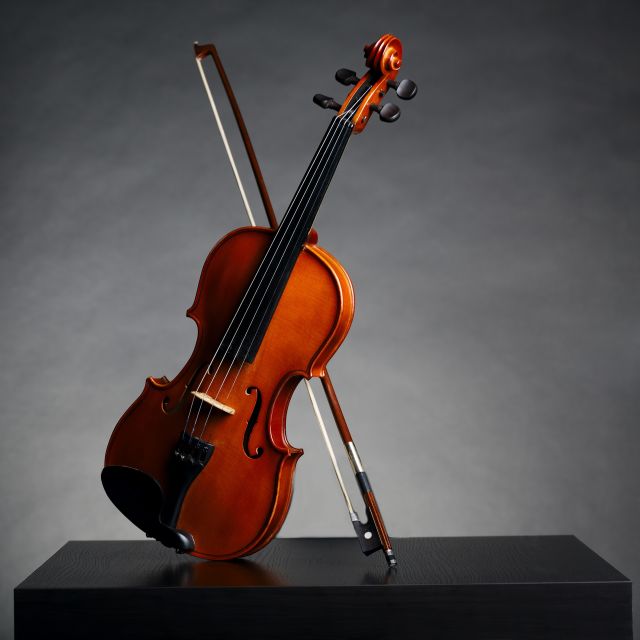
The most unique part of this tour is what comes before David. Instead of jumping straight to Michelangelo, you start with the collection of musical instruments in the Conservatorio Luigi Cherubini section.
This is where you get the 1690 Stradivarius violin, made by Antonio Stradivari for the Great Prince. That one detail changes how you view the building. Accademia isn’t only about visual art. It’s also a place where craftsmanship, materials, and design can be treated like sculpture—only you’re looking at something built to create sound.
You’ll also see the first modern piano, invented in Florence. This is a detail worth treating seriously, because it connects Italy’s Renaissance reputation for artists and architects to technology and performance culture. The tour format helps you understand the why behind it: not just what the instrument is, but why it matters that it came from Florence.
A small heads-up: instrument collections don’t always get the same attention as marble statues in people’s photos. If you’re prone to sprinting toward the famous centerpiece, slow down here. This stop is the fastest way to feel you really got something extra for your money.
Michelangelo’s David: How a Guide Makes a Statue Work for You
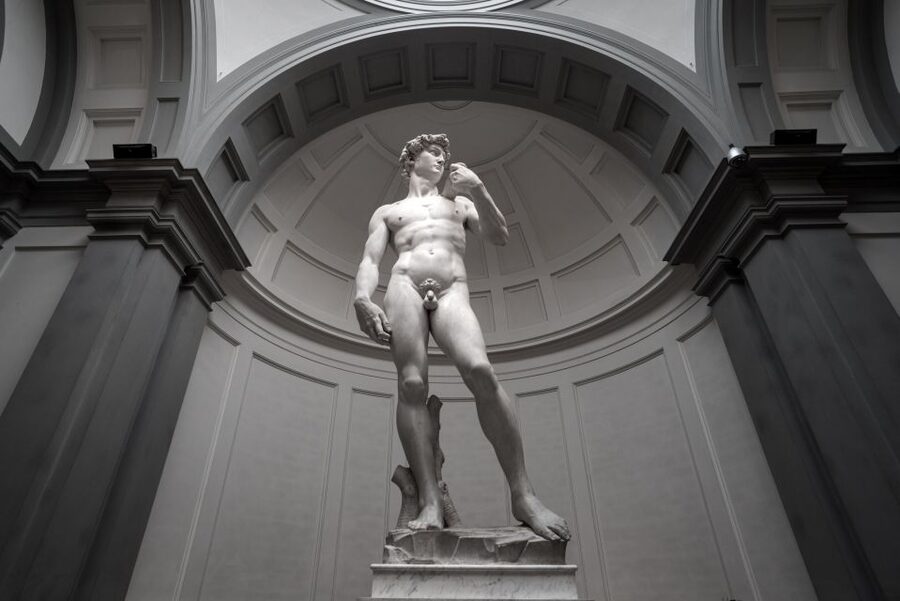
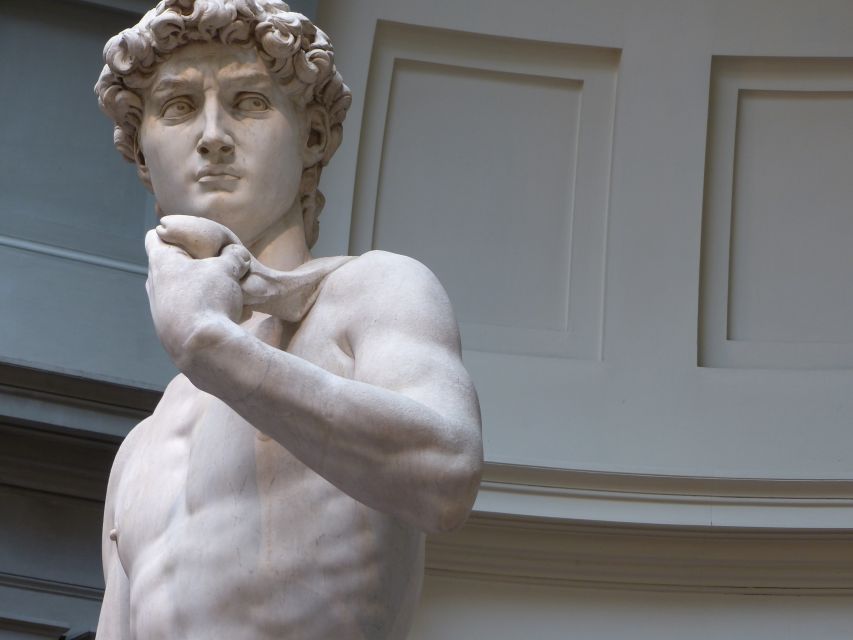
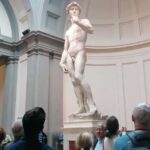
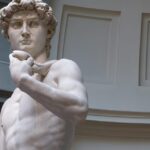
Then the tour pivots to Accademia’s centerpiece: Michaelangelo’s David, the symbol of Florence. It’s the kind of artwork that can feel simple at first glance—one man, one pose, one block of marble—until you’re close enough to notice what your guide points out.
I like how tours like this treat David as more than a photo opportunity. The guide shares secrets and entertaining anecdotes, and that storytelling helps you look past the obvious silhouette. Even if you’ve seen David in books or screens, seeing the real thing changes scale in a way that’s hard to translate online.
The guide also helps with pacing. You’re not just wandering. You move through the experience with direction, which means you don’t waste time trying to figure out the best viewing spots on your own. In a place this crowded, that matters.
If you’re sensitive to crowds, the small-group size helps. You spend less time stuck behind other people while still getting the benefit of commentary. And if you enjoy the human side of art—why a city kept this figure at the center—the guide approach is a big part of the value.
The Michelangelo Room: More Than One Monument
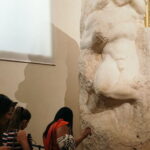
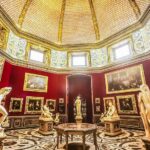
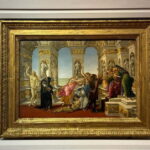
After David, you’ll move to another set of treasures: a room filled with Michelangelo’s works. This part is important because it turns the visit into something more complete.
Seeing David is thrilling, but it can also make you think Michelangelo only did one masterpiece. The museum’s broader Michelangelo-focused spaces help you connect the dots between sculpture, process, and themes. The guide’s art-history framing helps you notice differences in style and intention rather than treating each work as another stop on a route.
One benefit of the guided structure: you’ll learn what to watch for. Otherwise, it’s easy to get lost in a sea of stone details and miss the story the museum is trying to tell. This tour gives you a framework that makes the room feel purposeful instead of overwhelming.

What the Tour Style Feels Like (From Real Guide Performances)
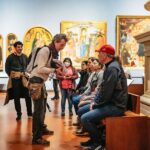
The tour is built with the help of specialists in art history, and the guide delivery is a major reason it earns strong marks. In particular, past visitors have highlighted guides named Elisabetta and Leonardo for two things I’d want from a museum tour: staying engaged and keeping commentary flowing without making it feel like a lecture.
Elisabetta, for example, has been noted for an engaged, lively approach that keeps people listening. Leonardo has been praised for passion for Florence’s history, plus a practical willingness to help with a photo when asked. Another guide style noted in feedback is a steady, detail-rich rhythm—almost nonstop commentary—which can be great if you like your museum visit guided start to finish.
Bottom line: you’re getting more than a route. You’re getting an explanation voice that helps you turn what you see into something you remember.
Price and Value: Is $80 for 70 Minutes Worth It
At $80 per person for about 70 minutes, you should judge this tour by what it replaces.
It replaces two common problems:
1) Buying tickets and dealing with lines when Accademia is busy
2) Trying to learn the story solo once you’re inside
Because the tour includes skip-the-line entrance, that’s not a small perk in Florence. You’re also getting a professional certified guide, which means the visit isn’t just access—it’s interpretation.
Where the value gets real is the combination of highlights in one ticket: David, plus the instrument collection with the 1690 Stradivarius and the first modern piano, plus additional Michelangelo works. If you only wanted David, you might be able to do it faster on your own. But if you want to feel like you understood the museum—not just photographed it—this tour’s structure justifies the cost.
Also, the group cap at 9 participants is part of why the price feels reasonable. Smaller groups usually mean better pacing and less time waiting for the guide’s attention.
Best Fit: Who This Tour Suits
This is a great match if:
- You want David plus the less-obvious treasures of Accademia in a single afternoon slot
- You appreciate museums where a guide helps you see details instead of rushing you through rooms
- You prefer small group tours where questions and back-and-forth are possible
It’s also a good option if you’re visiting Florence and want a structured plan without committing to a long day. A 70-minute experience keeps your schedule intact for other neighborhoods, aperitivo, and dinner reservations.
You might not love it if you strongly prefer to wander independently with no commentary. This tour is designed around guided viewing, and the stops are planned.
First Sunday Free Entrance: A Useful Detail to Know
There’s one quirk worth planning around: on the first Sunday of each month, entrance is free. But since tickets can’t be reserved ahead, entry is not guaranteed. If your travel dates fall on that first Sunday, this changes the risk level of your plan. You may still want the guided experience for the interpretive value, but don’t assume guaranteed entry that day based on standard tickets.
Should You Book This Afternoon Access Tour?
I’d book it if you want the most complete Accademia experience in a short window. The standout value isn’t only that you’ll see David. It’s that you’ll also get the Conservatorio Luigi Cherubini instrument section—especially the 1690 Stradivarius and the first modern piano—with a guide who can connect the dots.
Choose this tour when you:
- have afternoon time and want a clean start-to-finish plan
- like small-group attention
- care about context, not just famous objects
If you’re trying to do Florence on tight logistics, this is one of those tours that saves time and adds meaning at the same time.