REVIEW · ATHENS
Athens: Guided Street Art Walking Tour
Book on GetYourGuide →Operated by Alternative Athens · Bookable on GetYourGuide
Street art turns Athens into a message board. This walking tour takes you past painted walls with a street artist guide who helps you read what you’re seeing, including how Greece’s recent economic and social crisis shows up in the artwork.
I love the street artist guide angle, especially the way guides point out symbolism and meanings behind specific pieces. I also love the three-neighborhood route through Psyri, Gazi, and Monastiraki, so you’re not stuck only in the usual sightseeing lanes. One consideration: it’s a walking tour, and it isn’t suitable for people with mobility impairments or wheelchair users.
You’ll spend about 3 hours on foot, with a French- or English-speaking guide, and you’ll start near the Association of Greek Archaeologists before finishing back in Psyri.
In This Review
- Key highlights to look for
- Why Athens street art feels political (and personal)
- Meeting Point near the Association of Greek Archaeologists
- Thiseio start area: getting your street-art “reader’s mode” on
- Psyri: the neighborhood stop that frames the tour’s main themes
- Gazi: where Athens shows a more contemporary face
- Monastiraki: learning to read the edges, not just the center
- The street artist guide factor: what you gain from having an artist in charge
- What the 3-hour walking format really means for you
- Price and value: $57 for a guided street-art story
- Who should book this street art walk (and who shouldn’t)
- Should you book Athens: Guided Street Art Walking Tour?
- FAQ
- How long is the Athens street art walking tour?
- Where do I meet the guide?
- Which neighborhoods will the tour cover?
- Is transportation included in the price?
- What languages are the guides?
- Is the tour accessible for wheelchair users or people with mobility impairments?
- What should I bring for the tour?
- What is the cancellation policy?
Key highlights to look for
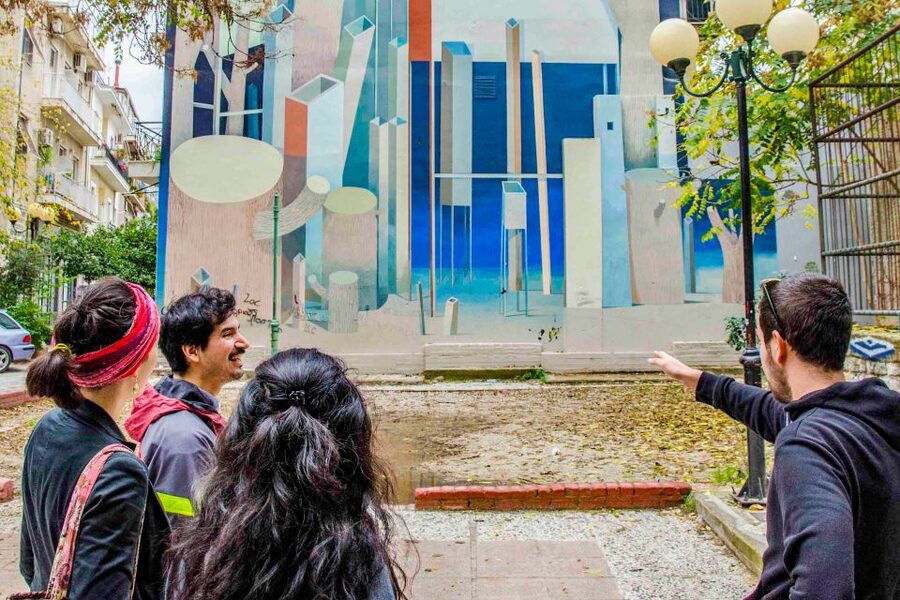
- Street artist guide who can explain the why, not just the what
- Messages tied to Greece’s recent crisis, shown through art and iconography
- Three neighborhoods in central Athens: Psyri, Gazi, and Monastiraki
- Recognizable local names to watch for, like WD, iNO, Moralez, and others
- A route that helps you see beyond the main sights, in areas you might skip on your own
Why Athens street art feels political (and personal)

Athens has plenty of ancient landmarks, sure. But the streets also carry a second layer of Athens—one written in paint, tags, and big murals that react to real life. This tour is built around that idea: street art isn’t just decoration. It’s a communication tool.
What makes this experience click is the focus on reading the work. Instead of treating graffiti as random scribbles, you learn how artists build meaning with style, symbols, and recurring themes. And because the guide is part of that scene—often as a street artist themselves—you get interpretations grounded in practice, not just textbook art talk.
The other big payoff is the way the tour links art to context. Greece’s economic and social crisis isn’t handled like a lecture. You’ll see how it’s portrayed through images and messages on walls, which helps you understand why Athens street art feels so immediate.
You can also read our reviews of more walking tours in Athens



Meeting Point near the Association of Greek Archaeologists

Start your day at the meeting point in front of the Association of Greek Archaeologists. It’s one of those “easy if you’re already near transit” spots, which matters because you’ll be walking for hours after.
If you’re using the metro:
- Take the green line train to Thissio, then connect on foot.
- Or take the blue line to Monastiraki Metro Station, then walk along Adrianou Street.
For your planning, the key detail is this: transportation isn’t included in the tour. So your best bet is to arrive with your legs ready and your route to the meeting point already sorted.
Thiseio start area: getting your street-art “reader’s mode” on

The tour starts from the Thiseio/Thissio area, and then it quickly turns you into an active observer. One of the most praised parts of this experience is how the guide sets you up with a practical way to look.
You’ll get a starter definition of street art and, more importantly, tools for interpreting it. That changes how you see Athens the rest of your trip. Once you learn what to look for—style cues, recurring motifs, and the way artists communicate—you start noticing things you’d miss when walking fast.
This is also where the guide’s personality matters. Many guides on this tour are artists themselves, and the result is a friendly tone that invites questions. The goal is that you don’t feel like you’re being lectured. You’re learning how to read a living city wall by wall.
Psyri: the neighborhood stop that frames the tour’s main themes
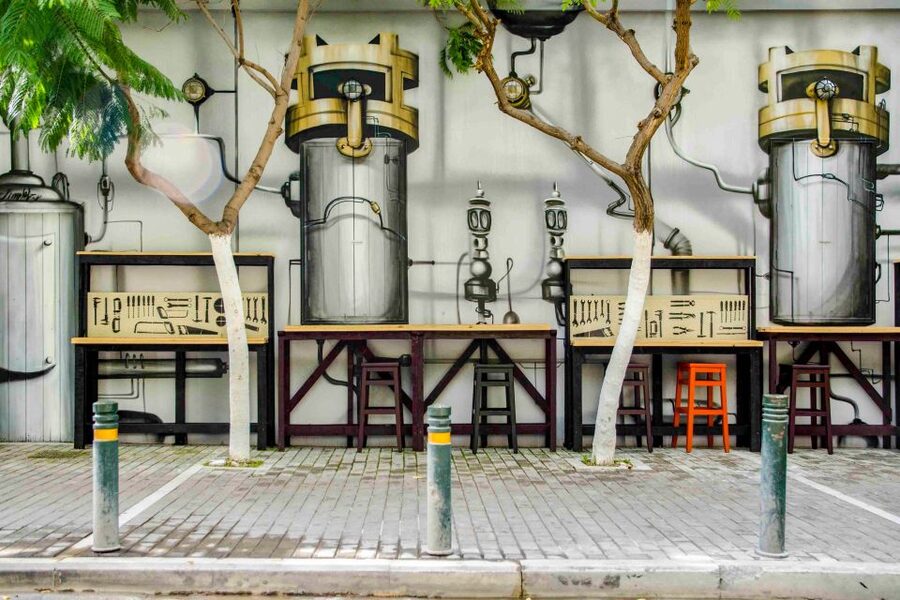
Psyri is your first guided neighborhood stop, and it’s also where you finish. That creates a nice bookend effect: you get a feel for the street-art tone early, then you return when you’ve learned how to decode it.
In Psyri, expect the guide to point out pieces that help explain Athens street art’s evolution and meaning. The emphasis isn’t only on individual artworks—it’s also on how the neighborhood’s walls connect to broader stories. The tour’s big theme runs through here: art as a response to social conditions.
What I like about this stop for first-time street art visitors is that it’s a structured entry point. If you’ve never taken graffiti seriously as communication, Psyri is the place where you can start.
Possible drawback: because it’s a central Athens area, you may see tourists nearby while you’re hunting for street details. The guide’s job is to redirect your attention toward the messages, not the obvious stuff.
Gazi: where Athens shows a more contemporary face

Next up is Gazi. This is one of the stops that makes the tour feel different from the classic “ancient sights only” Athens plan. The whole route is built to get you away from major sights and into neighborhoods where contemporary culture feels closer to the surface.
Gazi is where you’ll likely spend time learning how styles differ from artist to artist. Guides on this tour often name recognizable local artists—WD, iNO, Moralez, and more—so you know what to focus on while you walk. That matters, because street art can look like a blur unless someone shows you how to separate styles and intentions.
Gazi also gives you a strong sense of how street art can function like social commentary. Greece’s economic and social crisis comes up again through the artwork you’re shown, with guides explaining the messages behind what you see. It’s one thing to hear about hardship in the abstract. It’s another to spot it translated into images on walls.
Small practical note: because this is a walking tour, the pace matters. The experience is repeatedly described as having a good pace, which is a big deal when you’re on your feet for about three hours.
You can also read our reviews of more guided tours in Athens

Monastiraki: learning to read the edges, not just the center

You’ll then head to Monastiraki, and this is where the tour’s “you’ll notice more if you know what to look for” promise pays off.
Monastiraki can be visually busy on its own, and that’s exactly why the guide’s interpretation is useful. Without help, it’s easy to focus on what’s obvious. With help, you shift attention to the messages: the way artists use symbols, the way they borrow visual language, and the emotional tone behind the piece.
A consistent praise from guide stories is that they don’t just show works—they explain what each piece is saying and how to spot patterns. That’s what turns this tour into more than sightseeing. You start developing a street-art vocabulary in real time.
Another nice thing: guides tend to connect the artwork to the surrounding areas, so you get a sense of how neighborhoods shape what artists choose to paint, tag, or highlight.
The street artist guide factor: what you gain from having an artist in charge
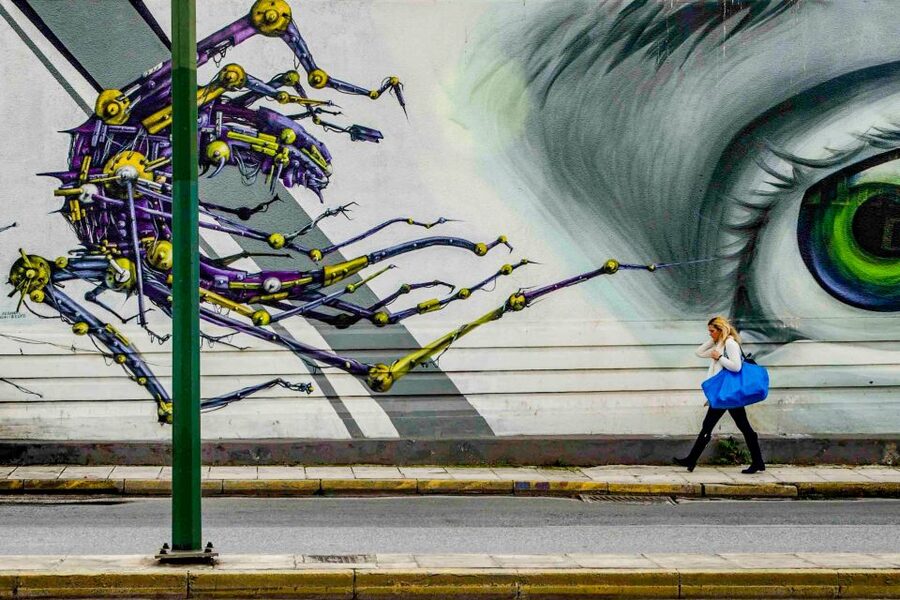
This tour’s biggest advantage is the guide. Not in the generic sense of “a friendly guide with a map,” but in the very specific sense that the guides often come from the street art world themselves.
That’s why you’ll hear names like Nikos (also seen as Nico), Nico/Rude, Neko, and even mentions of guides such as Pavlina, Elisabeth/Elisabeth, and Achilles. Each guide approach varies by person, but the common thread is a real sense of lived connection to Athens street art.
The practical benefit for you:
- You’re shown art and taught how to interpret it.
- You get a mix of street art history, style differences, and social-political context.
- You can ask questions and talk about what you personally think you’re seeing.
One review detail stands out: some guides include a coffee break or recommend a place to stop near the end. That kind of pause can make the last stretch more enjoyable, especially if you’re walking in warmer weather.
What the 3-hour walking format really means for you

This isn’t a “sit down for big museum explanations” tour. It’s a street-level route, and the payoff depends on your willingness to slow down and look.
The tour is listed at 3 hours, and that time is long enough to learn something real, but not so long that you feel dragged. People bring teens and still report it working well, which tells me the pacing and explanation style tends to be accessible, even if you’re not an art person.
Group setup can also affect your experience. Some groups were small (one report mentioned a group of four), which makes it easier to ask questions and discuss pieces as you go. Even if your group is larger, the structure of stopping at multiple works tends to keep attention on the art.
What to bring is simple: comfortable shoes. The “not for wheelchair users or mobility impairments” note isn’t fine print here—it’s a core reality of the format.
Price and value: $57 for a guided street-art story
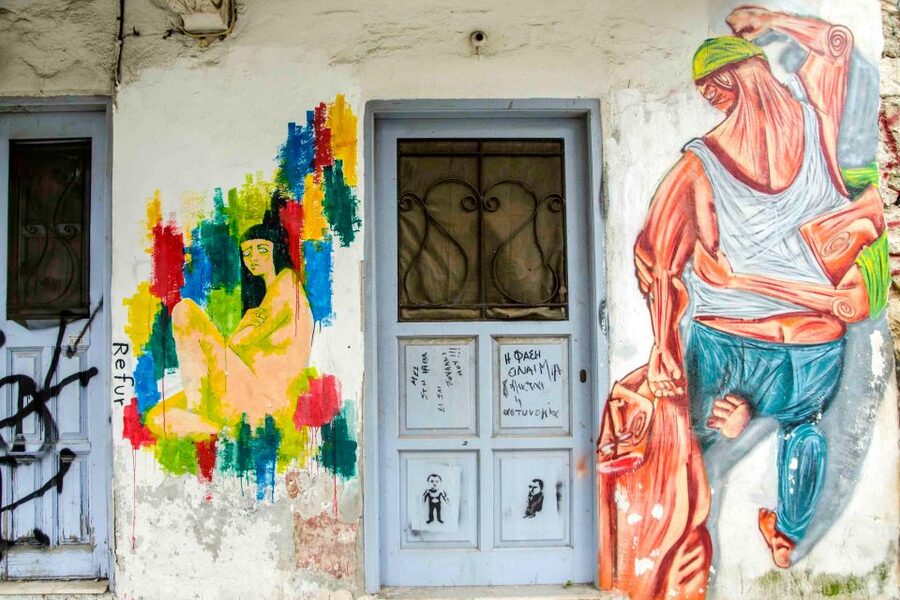
At $57 per person for around 3 hours, this tour sits in the “worth it if you’re into meaning” category. You’re paying for a guide who can interpret the art, not just walk you from wall to wall.
Here’s why it’s good value for the right person:
- You get a specialized topic with a real guide, not a generic city talk.
- You cover multiple neighborhoods (Psyri, Gazi, Monastiraki).
- You focus on messages tied to the country’s social and economic crisis, which gives context you won’t get if you just wander.
Transportation isn’t included, but that’s normal for walking tours. If you’re already close to the Thissio/Monastiraki metro axis, you’ll likely spend less time coordinating logistics and more time actually looking at the walls.
Who should book this street art walk (and who shouldn’t)
This tour is a strong fit if:
- You like modern culture and you want to see Athens beyond the big tourist landmarks.
- You enjoy learning how symbols work—especially when art connects to real-world issues.
- You’re traveling with teens who like questions, visuals, or anything political-but-conversational.
It’s not a good fit if:
- You need wheelchair access or help with mobility. The tour isn’t suitable for people with mobility impairments or wheelchair users.
- You want a mostly “open photo stop” tour with minimal walking and minimal interpretation. This one is meant to teach you how to see.
Should you book Athens: Guided Street Art Walking Tour?
Book it if you want Athens with subtext. You’re not just looking at walls—you’re learning how to read them, and you’ll pick up names and styles (WD, iNO, Moralez, and others) that make street art feel personal instead of random.
Skip it if your plan is purely about ancient sites and you don’t want to trade some sightseeing time for contemporary streets. Also skip if walking for three hours doesn’t work for your body.
If you’re on the fence, here’s the simple test: if you enjoy connecting art to politics and everyday life, you’ll like this tour a lot.
FAQ
How long is the Athens street art walking tour?
The tour lasts 3 hours.
Where do I meet the guide?
Meet in front of the Association of Greek Archaeologists. You can reach it by taking the green line train to Thissio, or by taking the blue line to Monastiraki Metro Station and walking along Adrianou Street.
Which neighborhoods will the tour cover?
The guided route includes Psyri, Gazi, and Monastiraki, and the tour finishes in Psyri.
Is transportation included in the price?
No. Transportation is not included.
What languages are the guides?
The live tour guide is available in French and English.
Is the tour accessible for wheelchair users or people with mobility impairments?
No. The tour is not suitable for people with mobility impairments or wheelchair users.
What should I bring for the tour?
Bring comfortable shoes.
What is the cancellation policy?
You can cancel up to 24 hours in advance for a full refund.