REVIEW · BEIJING
Beijing: National Art Museum of China Entry Reservation
Book on GetYourGuide →Operated by PANDA HAPPY JOURNEY IN CHINA · Bookable on GetYourGuide
Art meets paperwork in Beijing. A pre-booked ticket for the National Art Museum of China (NAMOC) gives you an easy way into one of Beijing’s key spots for modern and contemporary Chinese art. I love that the visit is self-paced, so you can spend time where your eye lands, not where a schedule forces you.
What I also like is the included English textual and visual guide, which helps you make sense of works like ink paintings, sculptures, and calligraphy without needing perfect Chinese. One catch to plan around: the experience is timed and built for a 2-hour visit, so if you’re a slow reader and you want to stare at every artwork for a long time, you’ll feel a bit rushed.
In This Review
- Key things to know before you go
- Pre-booked entry at NAMOC: what you get for about $6
- A self-paced museum route: how to enjoy modern and contemporary art
- Start with the “now” section
- Then look for connections to traditional forms
- Using the English textual and visual guide without slowing down
- Traditional ink, calligraphy, and sculpture: how to split your time
- A smart 2-hour plan
- Ticket redemption and the real-world timing: making it smooth
- Price and logistics: does this reservation add real value?
- Who this NAMOC reservation suits best
- Practical tips to get more from your visit
- Should you book this National Art Museum of China reservation?
- FAQ
- How long is the National Art Museum of China entry reservation?
- What does it cost?
- Do I get an English guide?
- Does it help you avoid lines?
- What do I need to bring to enter?
- Is the museum wheelchair accessible?
- Is smoking allowed during the visit?
Key things to know before you go
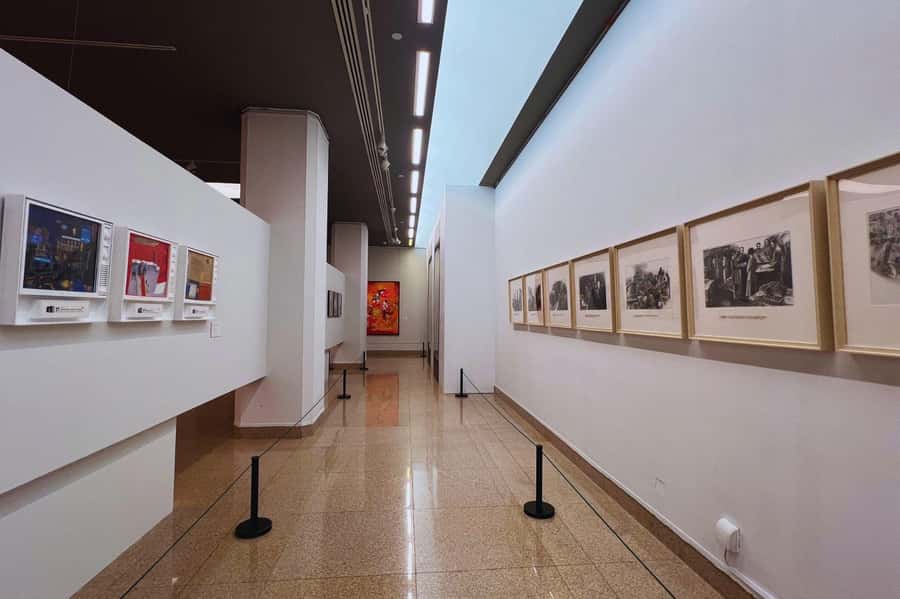
- Self-paced access means you control the route through modern and contemporary Chinese art.
- English textual and visual guide helps with interpreting labels and visuals as you move around.
- Skip-the-line entry is designed to cut waiting time once you arrive and redeem your reservation.
- NAMOC includes over 100,000 pieces, plus rotating special exhibitions and events.
- Bring a passport or ID card, since that’s required for entry.
- Wheelchair accessible makes it easier to plan a smoother museum visit.
Pre-booked entry at NAMOC: what you get for about $6
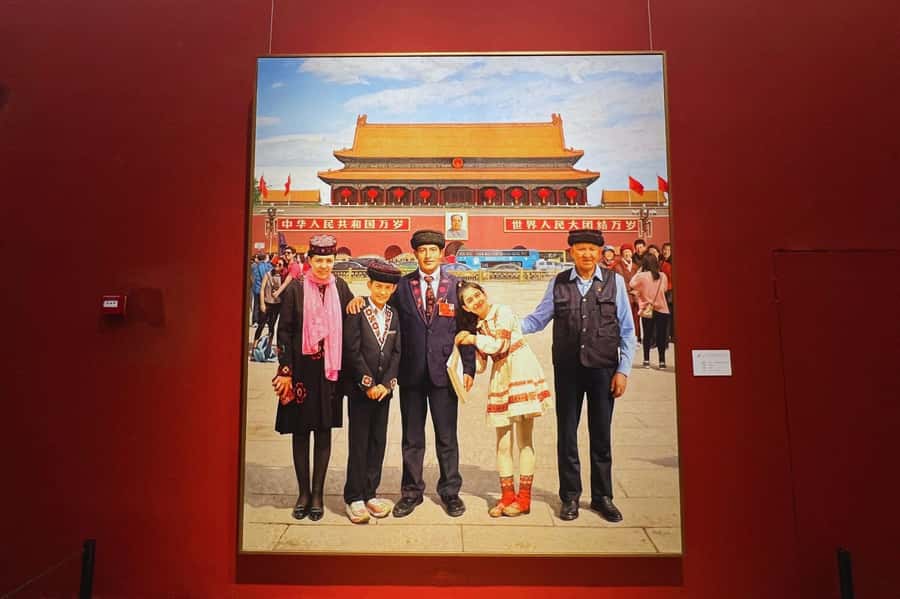
For roughly $6 per person, this reservation is a smart way to buy time and reduce friction. In a big museum like NAMOC, the biggest problem usually isn’t the art. It’s the small hassle: where to queue, what to show, and whether you’re walking in circles. Pre-booking fixes the biggest part of that.
NAMOC is described as one of China’s most prestigious art institutions, and it’s set up to give you a wide view of how Chinese art has evolved. You’re not just seeing a few famous pieces. The museum holds over 100,000 works, spanning modern and contemporary pieces alongside traditional art forms. That scale matters because it lets you shape the visit to your interests, even with a set time window.
You also get a built-in value booster: an English guide (textual and visual). For many museums in Beijing, English support can be hit-or-miss. Here, it’s included with the reservation, so you can spend your energy looking instead of translating in your head.
You can also read our reviews of more museum experiences in Beijing
A self-paced museum route: how to enjoy modern and contemporary art
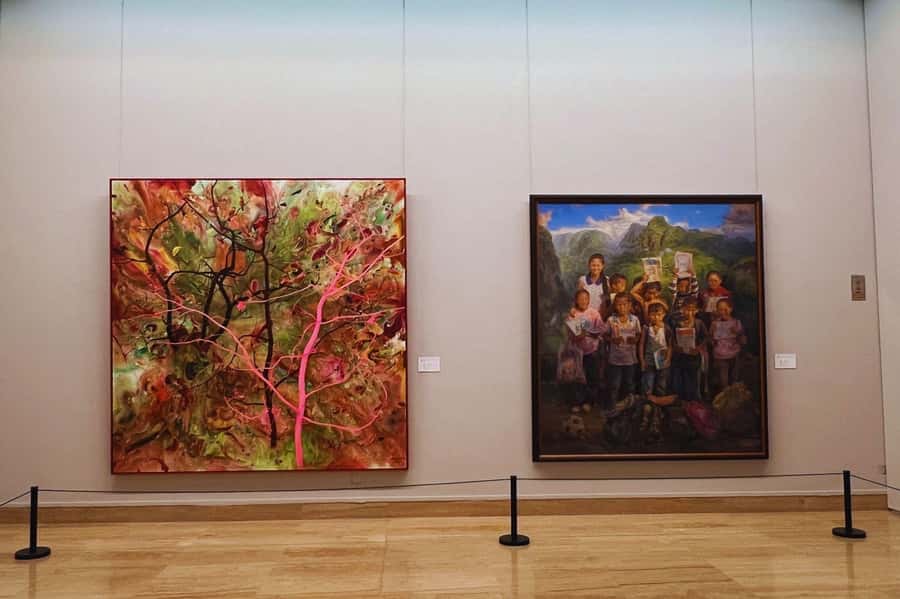
The experience is not a guided tour with a group leader herding you from room to room. It’s a visit at your own pace, which is perfect for a museum like this. You can start with what grabs you first: modern paintings, contemporary installations (as available), or whatever themes connect across the collection.
Here’s a practical way to think about the museum’s collection based on what the visit is built around:
Start with the “now” section
NAMOC focuses heavily on modern and contemporary Chinese art. That means you’ll likely spend your early time on works that reflect more recent artistic directions—styles, subjects, and materials that feel different from traditional formats. If you’re the type who likes context, the English guide helps you connect what you’re seeing to how Chinese art has changed over time.
Then look for connections to traditional forms
The museum also includes traditional ink paintings, sculptures, and calligraphy. This matters because it gives you something to compare. You can spot themes that echo across styles, like line work, brush character, or the way artists communicate ideas through form rather than realistic detail.
You don’t need to force a specific route. But you should pick a “lane” for your first pass—modern/contemporary first, then traditional—or the other way around. Your time is limited to 2 hours, so a little planning helps.
Using the English textual and visual guide without slowing down
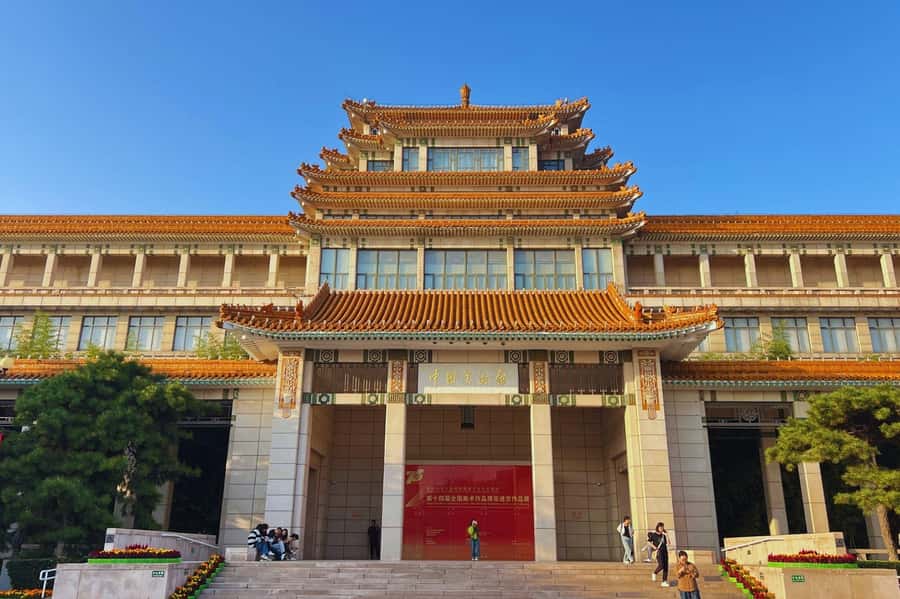
One of the most useful parts of this reservation is that you receive an English version of the textual and visual guide. That’s not just a nice-to-have. It changes how you experience the museum.
Without support, museum labels often turn into a blur: you catch a date, a name, maybe a medium, then move on. With the guide, you can slow down in a controlled way. You’re not translating every sentence yourself, and you’re not guessing what you’re meant to notice.
What I’d do, if I had a similar time window, is this:
- Skim the guide first while you’re still fresh and your brain is ready.
- Use it to pick a few artworks or sections you want to linger on.
- After that, let the guide guide you back to the next “interesting” point when your eyes start roaming.
It also helps if you want to understand art terms tied to Chinese artistic practice—especially across ink paintings and calligraphy, where the details can matter a lot. If you’re not fluent, this guide gives you a practical bridge so you’re not stuck staring at labels you can’t decode.
Traditional ink, calligraphy, and sculpture: how to split your time
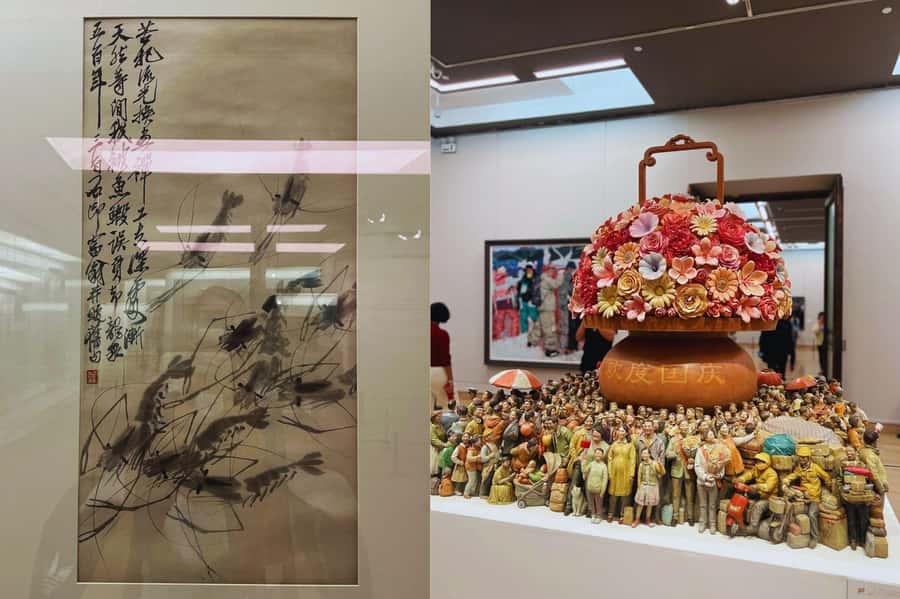
NAMOC isn’t only modern work. It actively includes traditional media, including ink paintings, calligraphy, and sculptures. For many visitors, this is the moment that makes the visit feel more complete.
Here’s why the mix works so well:
- Ink and calligraphy can be intimate. You may want a close look at brush texture, style, and composition.
- Sculpture often changes your experience because you see it from multiple angles, not just one front view.
- When both traditional and contemporary works sit in the same museum, you can compare how artists handle form, meaning, and cultural symbols.
A smart 2-hour plan
Because the duration is 2 hours, aim for a “3-stop strategy,” even if the museum has far more than three things you could enjoy.
1) Choose one area heavy on modern/contemporary art to get your bearings.
2) Spend a focused chunk with ink paintings or calligraphy (whichever pulls you).
3) Finish with sculpture or another medium that rewards time spent walking and viewing from different angles.
This keeps you from doing the classic museum mistake: bouncing everywhere randomly, then leaving with only a vague memory of color and name plates.
Ticket redemption and the real-world timing: making it smooth
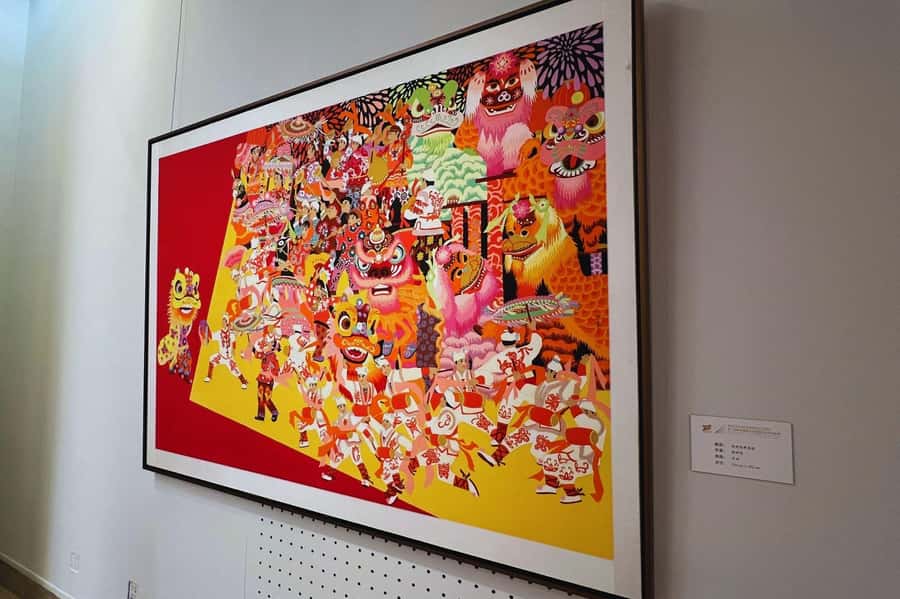
This reservation is designed to help you skip the ticket line, and the reviews highlight that it’s easy to redeem at the ticket office to enter. That means you should expect a quick handoff process rather than a chaotic start.
Still, keep your expectations grounded: you have a set time window, since the experience is 2 hours and starting times depend on availability. So plan your day so you’re not sprinting through Beijing’s streets right on schedule. If you arrive late, you may lose part of your visit, and you’ll feel the time pressure.
Also, bring a passport or ID card. That’s listed as required for entry. It’s one of those small things that can save you from a frustrating situation if you keep it in your day bag.
A small practical note: the visit is not labeled as smoking-allowed or not, but smoking is not allowed, so plan to keep your breaks outside designated areas if you need them.
Price and logistics: does this reservation add real value?
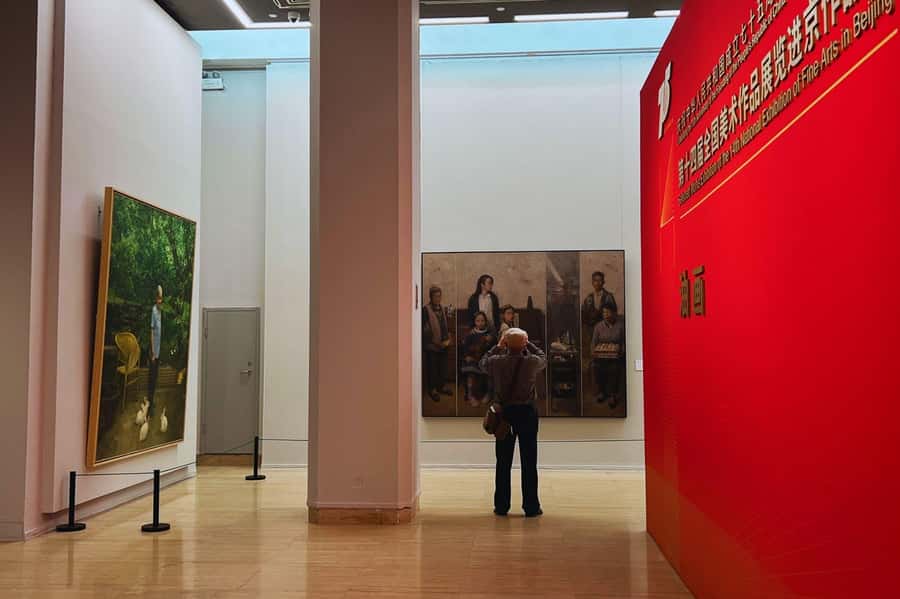
At $6 per person, you’re not paying for luxury. You’re paying for convenience and clarity. In a museum setting, that’s often the best kind of value.
Here’s what you’re really buying:
- Entry reservation so you can show up ready.
- Skip-the-ticket-line benefit, which is especially valuable in high-traffic city attractions.
- English guide (textual and visual), which can easily be worth more than the reservation price if you’d otherwise be relying on guesswork.
The museum itself sounds like a “big-gun” destination with over 100,000 pieces and special exhibitions and events. When you combine that scale with included English support, the reservation price becomes much more reasonable.
One consideration: because this experience is set up for a 2-hour visit, people who want a long, slow, ultra-detailed museum day may find it tight. If you love reading labels for an hour straight, treat this as a first pass. Then consider a longer revisit later if your schedule allows.
Who this NAMOC reservation suits best
This works especially well if you:
- Want a simple entry plan to a major Beijing museum without complex tour logistics.
- Like modern and contemporary Chinese art but also want traditional works like ink paintings and calligraphy in the same trip.
- Prefer museum time that’s self-directed, with the English guide acting as your safety net.
- Travel with mobility needs, since it’s wheelchair accessible.
It may be less ideal if:
- You’re traveling with very young kids. The activity is listed as not suitable for children under 2 years.
- You’re the kind of visitor who plans to spend half a day in one museum wing. This is set for 2 hours.
Practical tips to get more from your visit
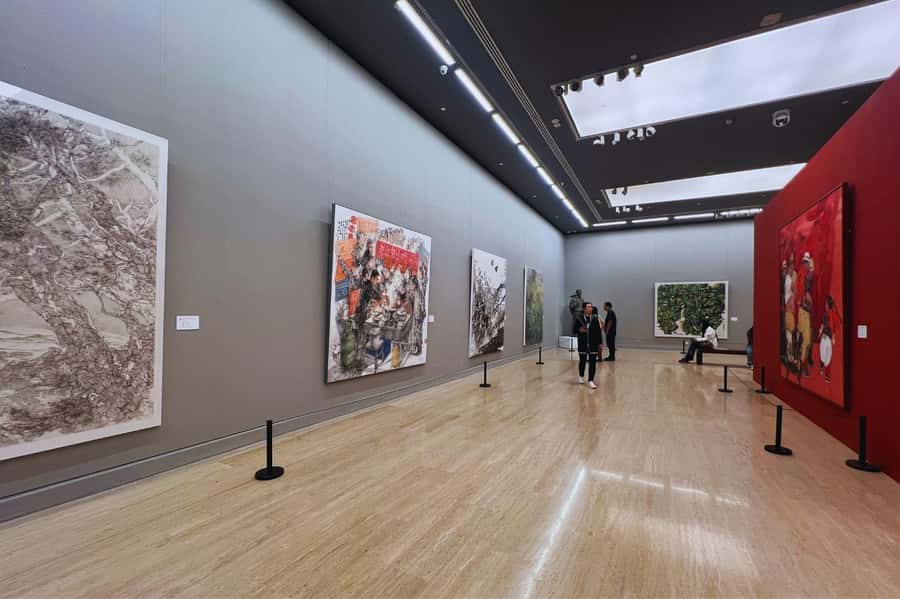
You don’t need a complicated strategy to enjoy NAMOC. You just need a bit of focus so your time doesn’t disappear.
- Pick your starting mood. If you’re most excited by modern art, start there first. If you’re curious about tradition, start with ink and calligraphy.
- Use the guide to choose, not to read everything. The goal is to pick a few key pieces you’ll remember.
- Plan your pace for contrast. Modern works can hit you fast visually. Traditional ink and calligraphy often reward a slower look.
- Keep your ID handy. Passport or ID card is required for entry, and you’ll want it ready when you redeem.
- Expect rotating content. The museum regularly hosts special exhibitions and events, so part of the experience may vary depending on what’s on during your visit.
Should you book this National Art Museum of China reservation?
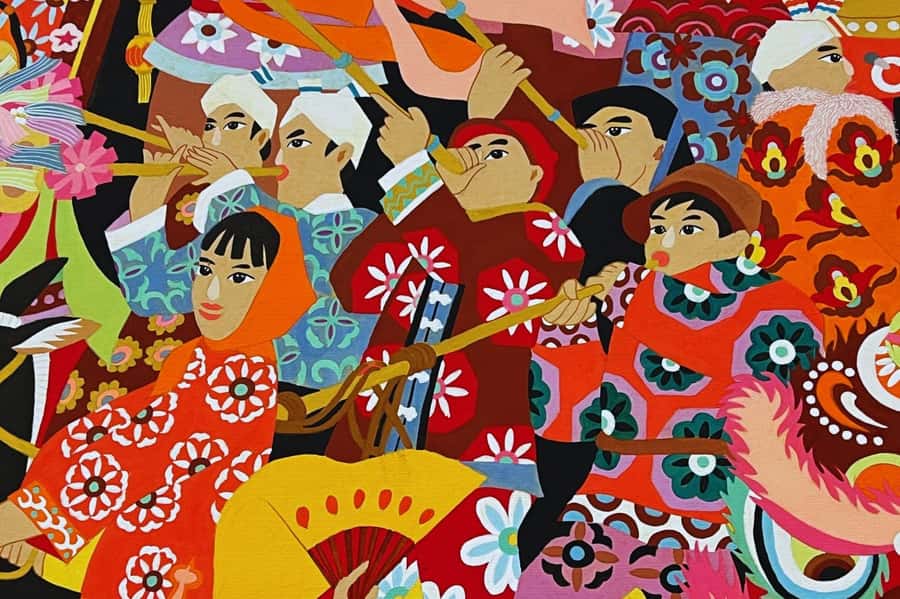
If you want a smooth, low-stress way to visit NAMOC in Beijing, this reservation is a strong yes. The $6 price is hard to beat when you get skip-the-line entry, a 2-hour time slot, and an English textual and visual guide included. It’s especially worth it if your Chinese isn’t strong, because the guide helps you engage instead of just passing by art.
I’d only hesitate if you know you need more than two hours to absorb art slowly, or if you’re bringing a child under 2 years. Otherwise, book it and treat it like a focused tasting menu of Chinese art—modern today, tradition tomorrow, and a guided translation bridge in between.
FAQ
How long is the National Art Museum of China entry reservation?
The experience is listed for 2 hours. Starting times depend on availability when you check the schedule.
What does it cost?
The price is $6 per person.
Do I get an English guide?
Yes. The reservation includes an English version of the textual and visual guide.
Does it help you avoid lines?
Yes. It includes skip-the-ticket-line entry, and the reservation is designed to be redeemed at the ticket office to enter.
What do I need to bring to enter?
You should bring your passport or ID card.
Is the museum wheelchair accessible?
Yes. The experience is listed as wheelchair accessible.
Is smoking allowed during the visit?
No. Smoking is not allowed.
If you want, tell me your travel dates and whether you prefer modern art or traditional media. I can suggest how to pace your 2 hours so you hit what you’ll enjoy most.