REVIEW · BELFAST
Belfast: Best of Belfast History, Culture & Art Walking Tour
Book on GetYourGuide →Operated by DC Tours · Bookable on GetYourGuide
Belfast has layers you can actually walk through. This 3-hour history-and-culture tour strings together architecture, street art, music history, and the city’s bigger turning points into a route that feels easy to follow and hard to forget. You start at Belfast City Hall and quickly get into the neighborhoods locals care about most.
I especially like the way the guides handle big topics with care, not heaviness. The stories I loved most tend to connect everyday life—trade, religion, rebellion, music, and resilience—so Belfast doesn’t feel like a list of dates. The headsets are a huge quality-of-life upgrade too, so you can keep your focus on the street instead of squinting for every word.
One thing to consider: it runs rain or shine, and it’s a steady walk with 14 stops in under 2 miles. Wear comfortable shoes, and if the weather is rough, bring the kind of layers you can stand in.
In This Review
- Key highlights that make this Belfast tour worth your time
- Belfast City Hall to the Cathedral Quarter: the route that gives you bearings fast
- Cathedral Quarter and the Entries: where old Belfast still breathes
- River Lagan and the Waterfront: industry, reinvention, and why the city turns
- From Victorian grandeur to modern masterpieces: reading Belfast’s buildings like a timeline
- Music lore, Irish trad, and punk: how Belfast’s sound shaped its identity
- Troubles and Titanic context: framing heavy moments without letting them take over
- Stops, pace, and what you’ll actually do during the 3 hours
- Practical value: why $35 feels fair for what you get
- Who should book this tour (and who might want something else)
- Should you book the Belfast History, Culture & Art Walking Tour?
- FAQ
- How long is the Belfast history, culture & art walking tour?
- Where does the tour start?
- Is the tour wheelchair accessible?
- Will I be able to hear the guide clearly?
- Does the tour run in bad weather?
- What should I bring?
- How much does it cost?
Key highlights that make this Belfast tour worth your time
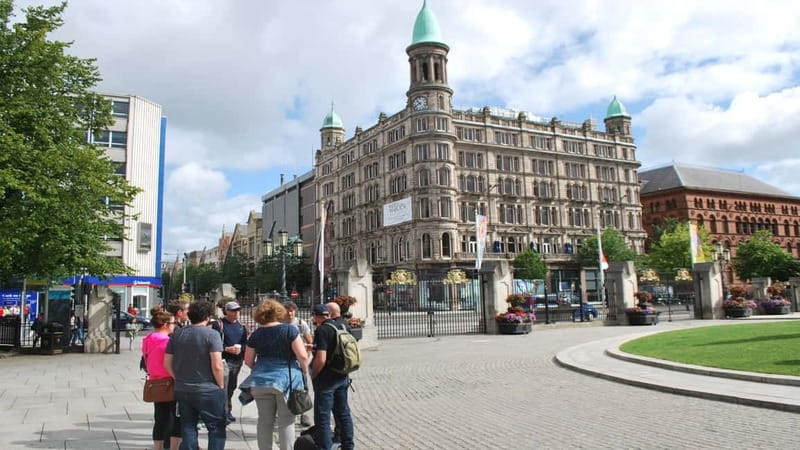
- Cathedral Quarter + historic Entries: tight laneways and old city corridors most visitors miss.
- Street art and public art: modern Belfast seen as a continuation, not an afterthought.
- Irish trad music and punk history: you’ll learn what shaped Belfast’s sound and identity.
- Architecture from Victorian to modern: you’ll read the city like a timeline in stone and glass.
- River Lagan and the Waterfront: industry and reinvention through riverside views.
- Expert local storytelling: guides like Mylie, Colin, Mark, James, and Steve bring names and connections to life.
Belfast City Hall to the Cathedral Quarter: the route that gives you bearings fast
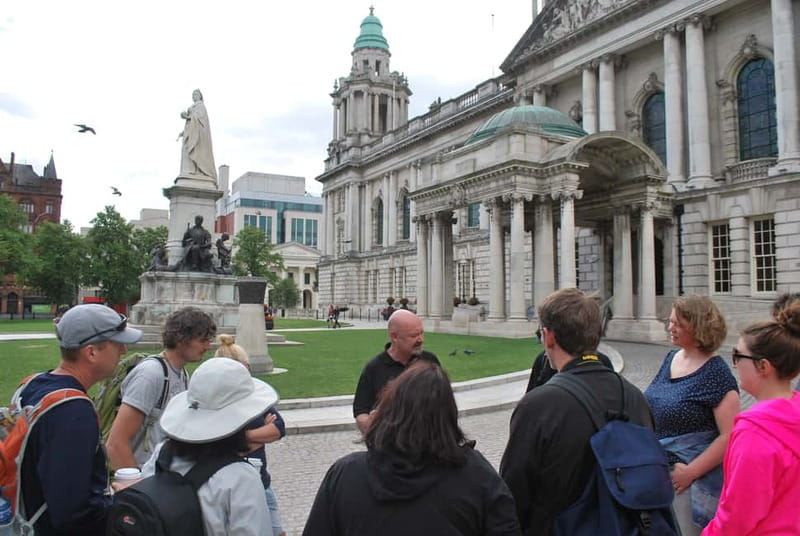
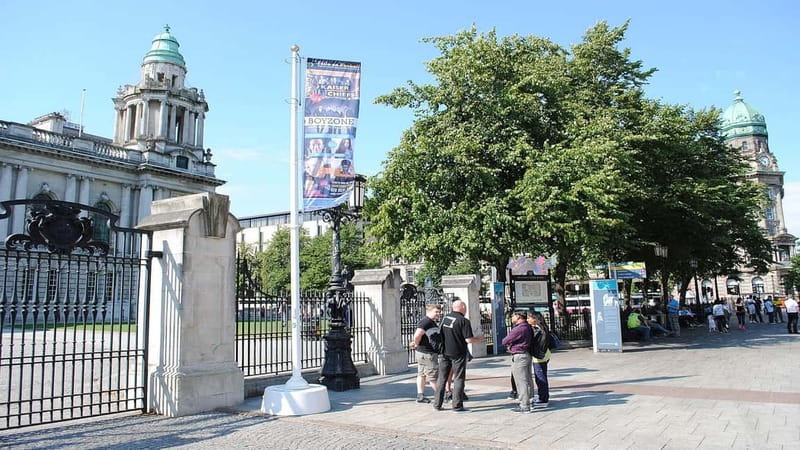
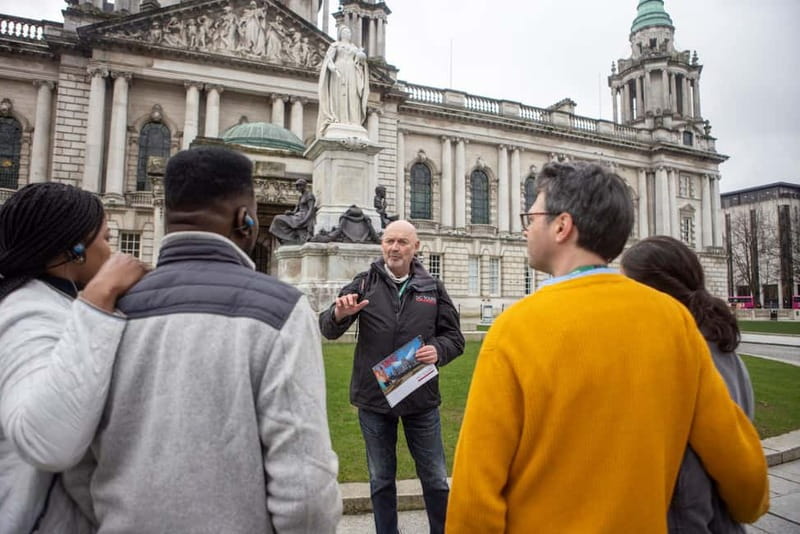
You meet at the front gates of Belfast City Hall on Donegall Square North, with your guide wearing a black DC Tours top. The best part of starting here is that the tour launches from a clear, central landmark, so you don’t have to hunt around to figure out where you are.
Once you’re moving, you’ll understand why Belfast’s identity is split into visible sections you can walk between. The early stretch sets up the city as a place shaped by movement: river settlement turning into trade, trade building industries, and those industries feeding culture. Guides like Colin and Mark are known for keeping the pace lively and the explanations clear enough that you don’t feel buried in context.
If you like facts, you’ll still get them—but with meaning. You’re not just told that Belfast grew; you get how growth happened through networks like linen trade and the civic buildings that followed. That framing makes later stops much easier to read.
You can also read our reviews of more walking tours in Belfast

Cathedral Quarter and the Entries: where old Belfast still breathes
This tour spends real time in the Cathedral Quarter. That matters, because this area is where Belfast’s character shows up in layers: traditional religious architecture sitting beside creative spaces and street-level art. You get to see how a neighborhood can be both historic and actively used, not just preserved for photos.
Then come the historic Entries—the narrow laneways and cut-through streets that many people glide past without noticing. Walking these tight stretches helps you feel what “small distances, big history” looks like in a city where everyday life was often lived close together. Expect stories that connect the lanes to trade, community identity, and social change.
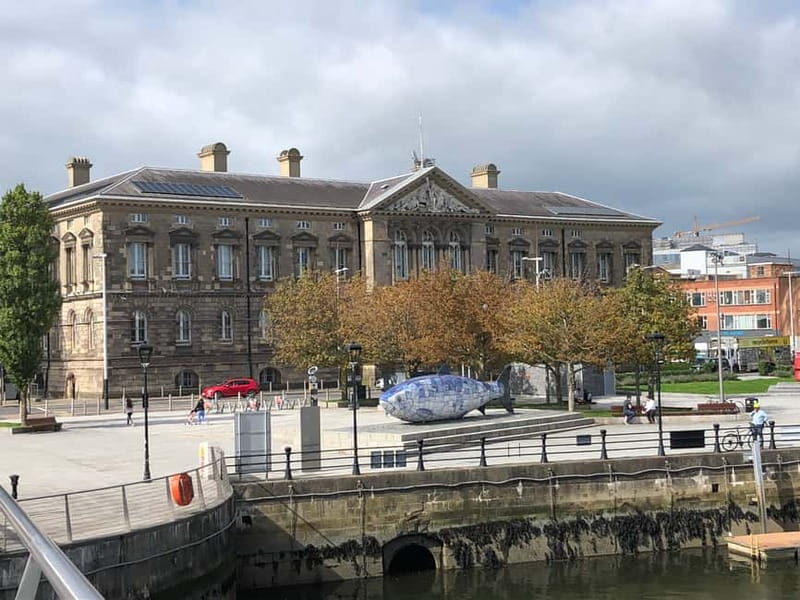
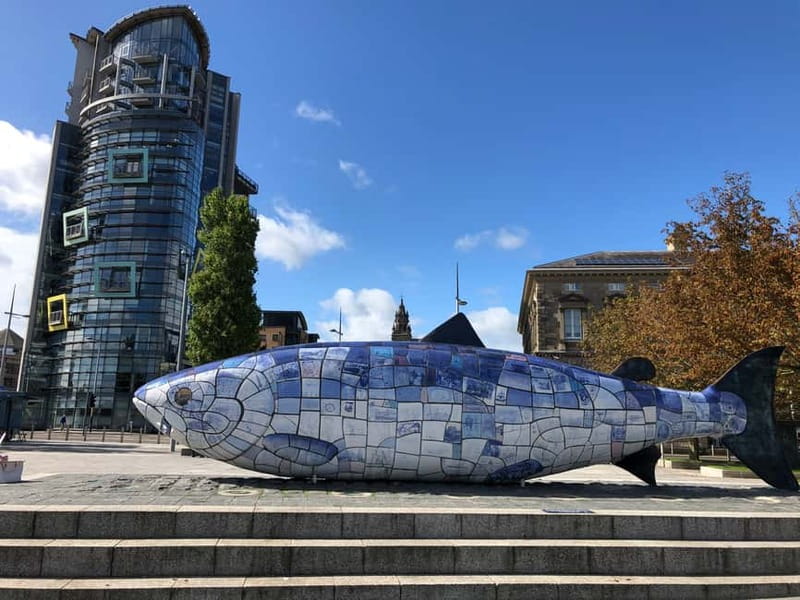
A standout thread here is legend and local folklore, including the Salmon of Knowledge. You’ll hear what that legend represents and why it keeps showing up in Belfast’s storytelling culture. Even if you’re not a myth person, this is the kind of local detail that turns the city from a backdrop into a character.
River Lagan and the Waterfront: industry, reinvention, and why the city turns
Moving from the Cathedral Quarter toward the river, the tour naturally shifts from buildings and lanes to movement and economy. The River Lagan and the Waterfront bring a different kind of history into view: the city’s relationship with trade, shipping, and industry. It’s a change of scenery, but also a change of theme—from where people lived to what they built their lives around.
This is where Belfast’s growth becomes tangible. You’ll connect the dots between earlier settlement patterns and the Victorian-era industrial boom that helped make Belfast a global industrial city. The architecture you saw earlier starts to make more sense too, because you’re now seeing what those buildings were designed to support.
If you care about how places reinvent themselves, this part works well. Belfast’s recent cultural revival doesn’t feel random when you’ve just walked through the settings that explain why the city had to adapt again and again.
From Victorian grandeur to modern masterpieces: reading Belfast’s buildings like a timeline
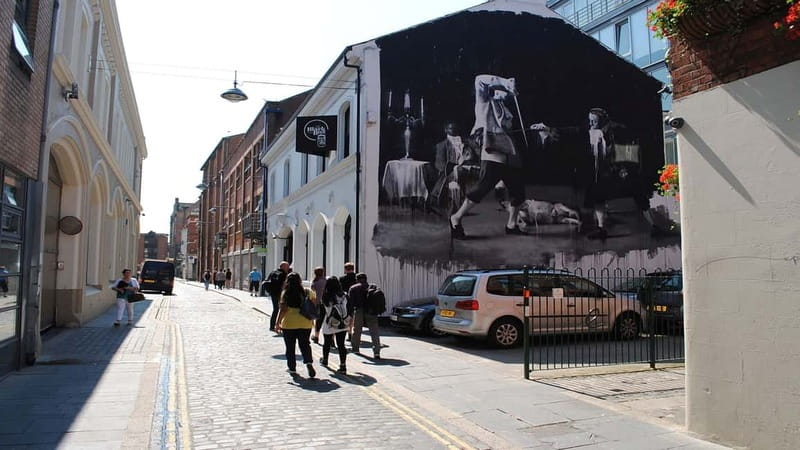
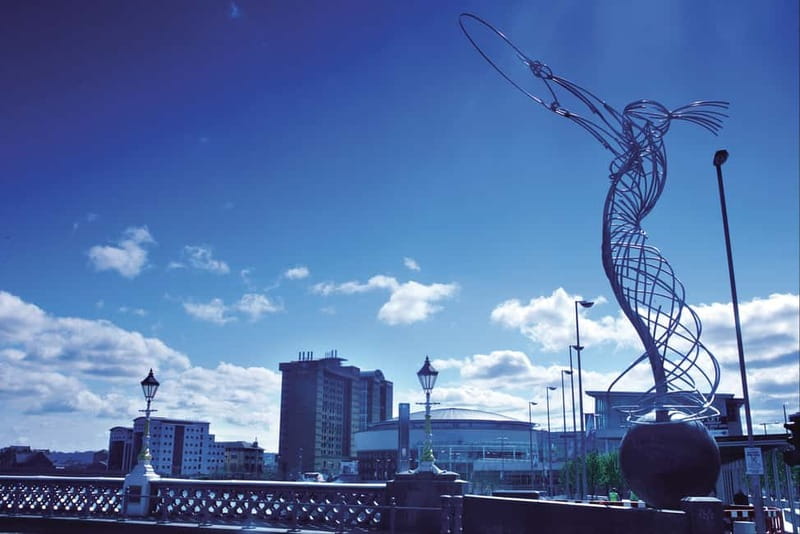
Architecture is a major focus, and the tour uses it as a timeline. You’ll see Victorian architecture with its sense of scale and civic pride, then you’ll shift toward modern architecture and public art that reflects what Belfast became later. The point isn’t to memorize styles—it’s to understand how power, money, and identity changed over time.
The guide also points out “small” details you’d likely miss on your own: features that explain what was valued when the building was raised, and how public art communicates current ideas back to the street. More than once, you’ll get the sense that Belfast writes its story in layers you can spot if someone knows what to look for.
Guides like Steve and James are praised for connecting architecture to people, not just describing facades. That’s the difference between a tour that teaches you what something is and one that teaches you what it meant.
Music lore, Irish trad, and punk: how Belfast’s sound shaped its identity
One of the more distinctive parts of this tour is the cultural angle on music. You’ll learn where to hear the best Irish trad music and why that scene matters in Belfast. Then you’ll get a second thread: the importance of punk to Belfast’s story—how youth culture, defiance, and creativity became part of the city’s public language.
This isn’t treated like a trivia segment. The tour uses music as evidence of social life: people expressing identity in real time, in venues you can picture because you’ve just been walking the streets those stories grew out of. It’s a reminder that cultural change in Belfast wasn’t limited to politics and industry.
If you enjoy travel where you leave with ideas for your next night out, you’re in luck. The tour often ends up pointing you toward places where the city’s culture feels alive, not staged.

Troubles and Titanic context: framing heavy moments without letting them take over
The tour does touch on major topics like Titanic and the Troubles, but the goal is balance. Instead of letting those themes become the whole trip, the guide uses them as context—big moments that help explain why Belfast became what it is today.
What I’d watch for (in a good way) is how the tour keeps the lens wide: trade and social structures alongside religious and political conflict. That approach shows up in how guides are praised for being neutral and for building a guarded sense that the city can move forward together.
You’ll get enough context to understand why certain streets and buildings carry weight, without turning the walk into a lecture. And because the route is physically paced—14 stops on less than 2 miles—you’re not stuck in one emotional zone the entire time.
Stops, pace, and what you’ll actually do during the 3 hours
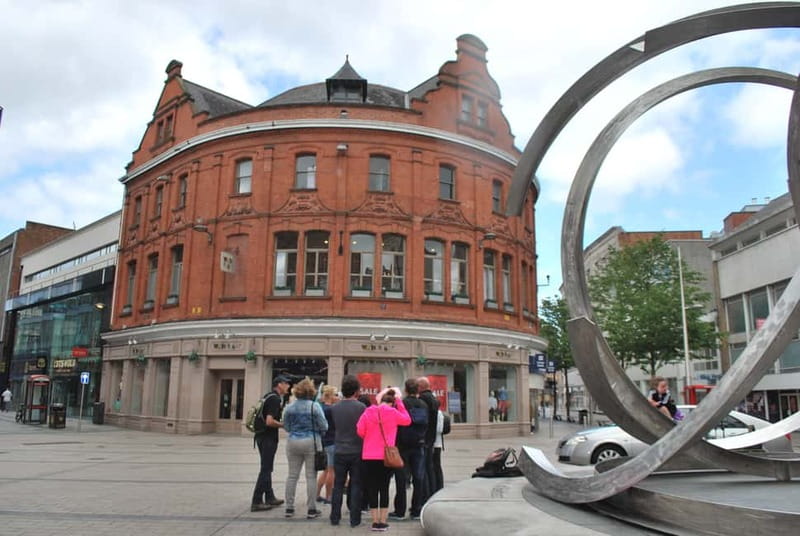
This is a 3-hour walking tour with 14 stops on a route that’s less than 2 miles. That short-distance detail matters: you can keep your attention on the stories instead of thinking about endurance. It’s a practical length for first-time visitors who want orientation and context, not a half-day grind.
There’s also typically a short pause for comfort—several guides are noted for adding a coffee or drink stop around the middle of the tour (often described near the theatre area). You’ll appreciate this break more than you think, especially if the weather turns.
Most people will find the pace friendly. Guides are also described as staying open to questions, with a warm and personable style—so if something connects to your own interests, you can likely steer the conversation for a minute or two.
Practical value: why $35 feels fair for what you get
At $35 per person for three hours, the value is the mix: expert local guide + headsets + a route that covers key areas you’d otherwise bounce between on your own. Headsets aren’t glamorous, but they’re the difference between hearing the story and missing half of it while you’re watching the street.
The small details also matter. In the best moments, guides remember names and check in with the group, which makes the tour feel less mechanical and more like you’re being shown your way around by someone who cares. Guides such as Mylie, Colin, Mark, and Eddie are specifically noted for storytelling skill, humour, and clarity.
If you’re doing Belfast on a tight schedule, this is one of the more efficient ways to buy yourself understanding. You don’t just get sights; you get a framework that makes the rest of your city time more enjoyable.
Who should book this tour (and who might want something else)
This tour is a strong match if you:
- want a first, solid orientation to Belfast in a short window
- like stories connected to buildings, not just a monument checklist
- care about culture—street art, music lore, and how people live—not only political history
- want a guide who can handle sensitive topics with balance
You might choose another option if you want a deeper dive into one specific theme, like Titanic only or one side of the Troubles only. This walk spreads its attention across history, people, music, and architecture, so it’s built for breadth.
Should you book the Belfast History, Culture & Art Walking Tour?
Yes—if you want Belfast to click. This tour is priced for what you get, runs to a realistic length, and uses headsets and storytelling to turn a compact route into a whole-city understanding. Starting at Belfast City Hall and working through Cathedral Quarter, the Entries, and the river gives you a map you can think with for the rest of your trip.
Book it on an early day in Belfast if you can. You’ll come back to streets and buildings later with new meaning—and that’s when Belfast really starts to feel like your kind of place.
FAQ
How long is the Belfast history, culture & art walking tour?
It lasts 3 hours and includes 14 stops.
Where does the tour start?
You meet at the front gates of Belfast City Hall in Donegall Square North. The guide wears a black jacket or t-shirt with the DC Tours logo.
Is the tour wheelchair accessible?
Yes, the tour is listed as wheelchair accessible.
Will I be able to hear the guide clearly?
Yes. Headsets are included so you can hear the live English guide clearly.
Does the tour run in bad weather?
It runs rain or shine, so plan for weather-appropriate clothing.
What should I bring?
Bring comfortable shoes and clothing suited to the weather.
How much does it cost?
The tour price is $35 per person.