REVIEW · BELFAST
Belfast Troubles Murals Street Art and Peace Wall Walking Tour
Book on Viator →Operated by belfastology walking tours · Bookable on Viator
Murals tell Belfast’s story in real time. This Belfastology walking tour connects Troubles-era murals, the Peace Wall, and the most photographed Bobby Sands mural with a guided, stop-and-look pace—plus time to absorb street art, not just snap photos. I especially like how the route balances community projects with the harder political murals, and how your guide (Marti) uses art as the map for what people endured and what they’re building now.
One thing to plan for: this is an adult-only activity and it’s a brisk walk, so comfortable shoes matter, and you’ll want to be ready for a lot of history in a short stretch, especially if questions and pacing aren’t your thing.
In This Review
- Key highlights worth planning for
- A 3-hour Belfast Troubles murals walk, guided by Marti
- Where you start, where you end, and how the route feels on foot
- Cathedral Quarter: modern international street art meets political murals
- Shankill Road: loyalist murals and street art on a sensitive street
- Divis Street International Mural Wall: global causes with local meaning
- Peace Wall: what you’ll see, and the one missing ticket
- Bobby Sands mural: the most photographed image in Republican West Belfast
- More murals on the way back: finishing in the city centre
- Price and value: what $36.11 buys you in Belfast
- Who this tour suits best (and who should skip it)
- Should you book this Belfast Troubles Murals and Peace Wall tour?
- FAQ
- How long is the Belfast Troubles Murals and Peace Wall walking tour?
- Where do I meet and where does the tour end?
- How much does it cost?
- Is this tour good for kids or teens?
- What’s included in the tour price?
- Is the Peace Wall ticket included?
- Is there a mobile ticket?
- What language is the tour offered in?
- How big is the group?
- What should I wear or expect weather-wise?
Key highlights worth planning for
- Small group of up to 8 people for a more focused, respectful walk
- Cathedral Quarter to West Belfast with both modern and political street art
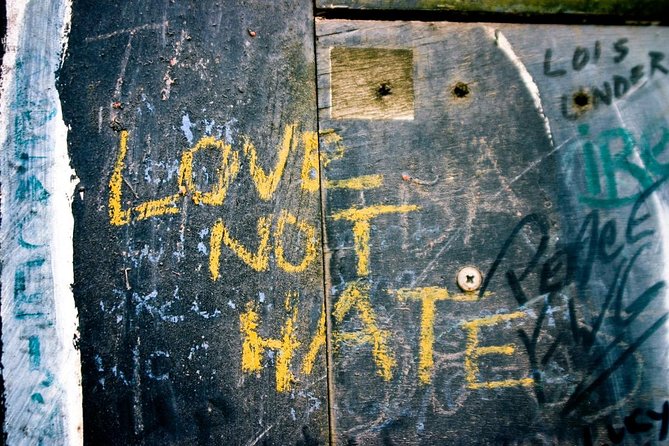
- Re-imaging-style community mural efforts that locals actually choose
- Peace Wall viewpoint (separate admission) and a direct look at what divides neighborhoods
- Bobby Sands mural stop for one of the most photographed images in Republican West Belfast
- Shopping and restaurant discounts included with the tour package
A 3-hour Belfast Troubles murals walk, guided by Marti
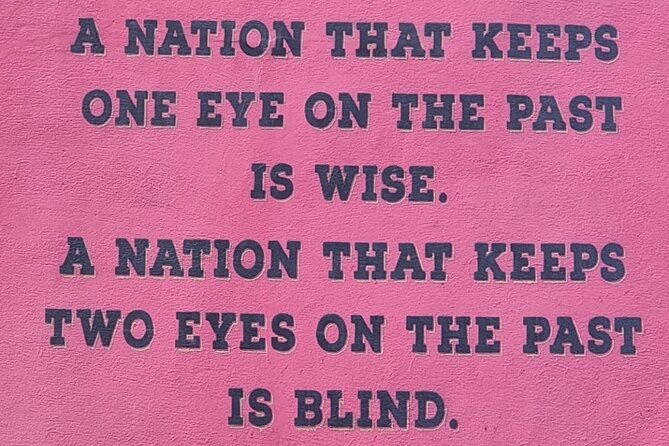
This tour is built around a simple idea: in Belfast, murals aren’t just decoration. They’re public memory, community messaging, and sometimes a response to grief. You spend roughly 2.5 to 3 hours on foot learning how art reflects both the conflict and the work of healing.
The biggest reason I think this works for most first-timers is that you don’t just hear a timeline. You see the neighborhoods those stories come from, then you connect the images to what life looked like on the ground. The format keeps moving, but the stops are made for looking—so you can actually read what the walls are saying.
You can also read our reviews of more walking tours in Belfast
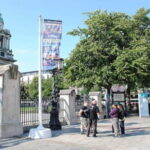
Where you start, where you end, and how the route feels on foot
You meet at Exchange Street West (Exchange St W, Belfast BT1, UK) and finish near 32 Bank St (Belfast BT1 1DA, UK). From there, the tour wraps back in the city centre—either with a finish around Kellys Cellers or a short walk toward City Hall (2 Royal Avenue) in a local community setting.
The walk is designed for people with moderate physical fitness, and it can be a brisk pace. One detail I’d treat like a real planning tip: this guide typically doesn’t use a microphone, so you’ll need to keep close and stay attentive. In practice, that means you’re best off wearing shoes you can handle on damp pavement and moving at walking speed, not vacation stroll speed.
Cathedral Quarter: modern international street art meets political murals
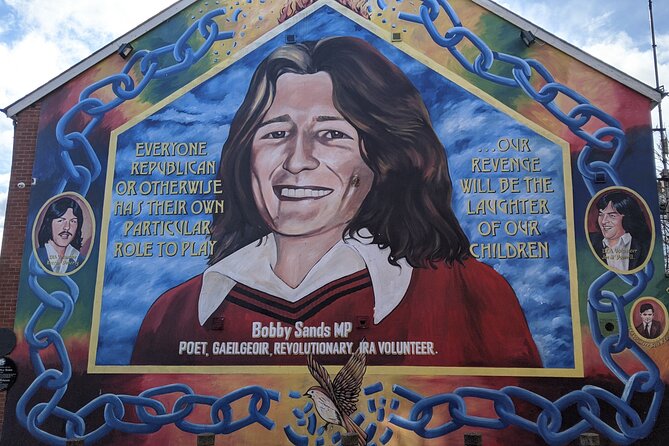
Your first leg starts in the Cathedral Quarter, where you’ll focus on the modern street art scene. This is where Belfast’s mural culture has shifted beyond local walls and started pulling in international street artists too. It’s a smart opening because it gives you a visual “now” before the tour pushes into the harder “then.”
You’ll also head west to areas with more controversial political murals, and the guide frames them as part of Northern Ireland’s effort to create peace with local involvement. A specific theme here is a project called re-imaging, aimed at putting up street art or murals that local communities want to share with everyone passing by. That detail matters because it reframes street art from outside commentary into local voice.
Practical note: this is your first chunk, so you’ll be working out the rhythm of the tour. If you want time to ask questions, early stops are often when you’ll get the best chances—though the walk keeps its own tempo.
Shankill Road: loyalist murals and street art on a sensitive street
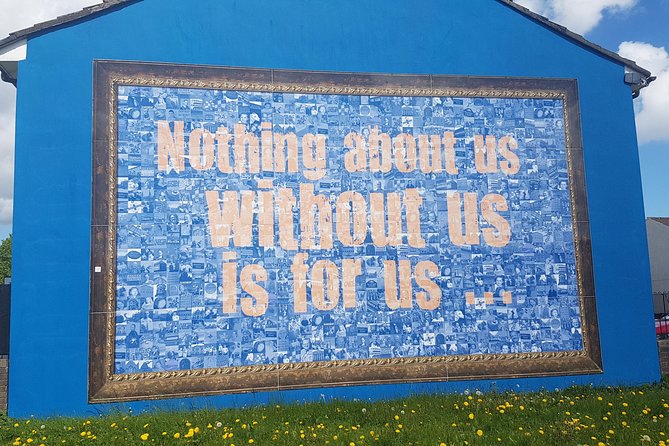
Next up is Shankill Road, with a focus on Loyalist murals and local street art. This is where the tour leans into what many people come to Belfast for: the visible language of identity on walls. Even if you’ve read or watched documentaries, seeing it in the street changes how you process it. The scale and placement feel different when you’re standing near the homes and businesses tied to the story.
What makes this stop valuable is balance. The tour is designed to show you multiple sides without turning the walk into a shouting match. You’re not just chasing shocking images—you’re learning how different communities understand the conflict and how they talk to the future using public art.
Possible drawback to keep in mind: some people find the content emotionally heavy and the guidance style very direct. If you need a slower pace, or you want lots of back-and-forth, you may want to set expectations before you start.
Divis Street International Mural Wall: global causes with local meaning
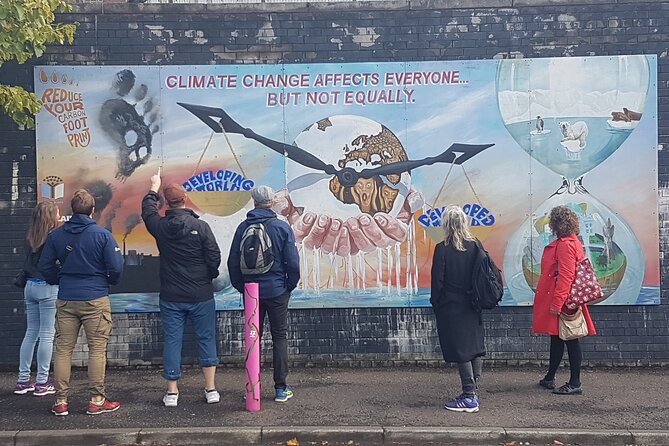
At International Mural Wall on Divis Street, you’ll see murals for causes from around the world. That stop feels like a breather, but it isn’t a break from the theme—it’s a reminder that Belfast’s walls aren’t isolated. People here use art to connect local history to larger ideas: human rights, solidarity, remembrance, and community voices.
The timing is short (around 15 minutes), so you’ll want to slow down on your own feet and really look. Walls like this can be dense with symbols, so treat the time as reading time, not photo time. If you’re the type who likes to zoom in with your eyes before your camera, this is a good place to do that.
A few more Belfast tours and experiences worth a look

Peace Wall: what you’ll see, and the one missing ticket
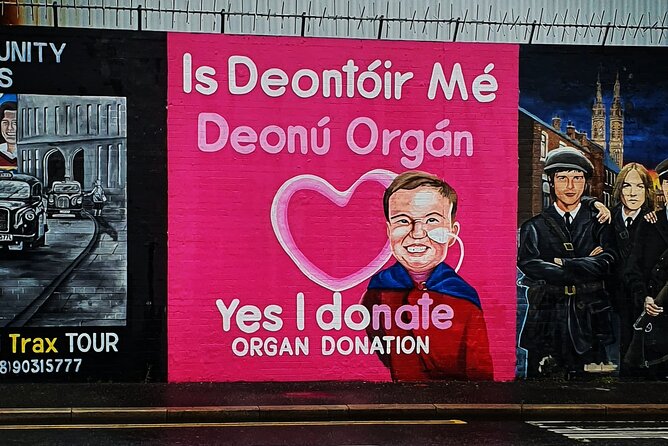
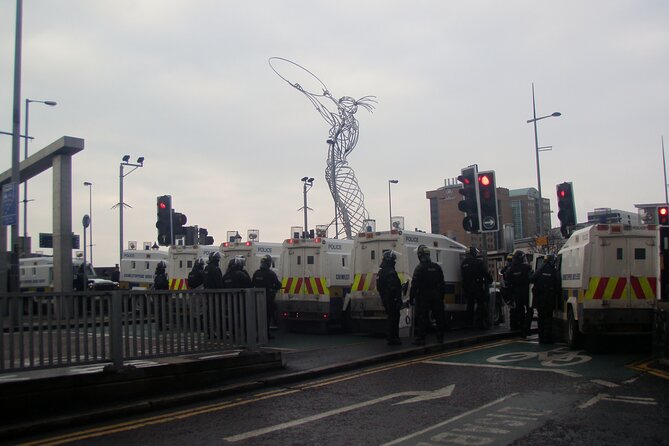
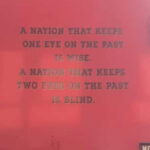
The tour’s most famous visual arrives at the Peace Wall, which separates communities. You’ll spend about 10 minutes here. This is not the sort of stop where you’ll get long explanations while standing still; instead, you’ll get the meaning of what the wall represents—then the walk keeps going.
Important planning detail: the Peace Wall admission ticket is not included. So budget for it separately if your route requires entry or viewing from a part of the site where payment is needed. The tour doesn’t include that cost, so check the payment expectation early so you don’t get surprised at the wall.
Bobby Sands mural: the most photographed image in Republican West Belfast
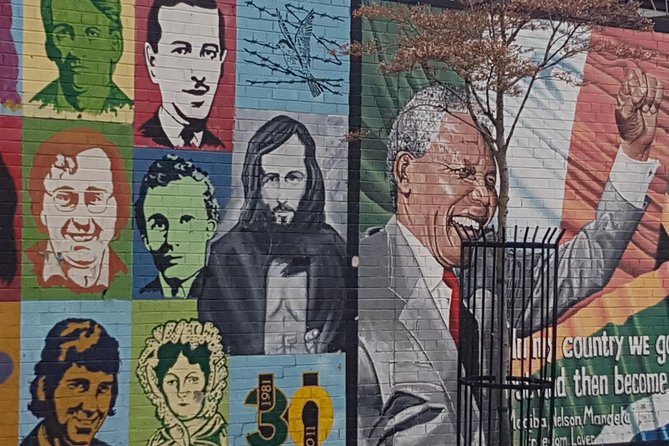
In Republican West Belfast, you’ll reach the Bobby Sands mural, described as the most photographed mural in that area. This stop is brief (about 5 minutes), but it often hits hard because it’s so recognizable and so tied to lived experience.
Here’s why this matters for your understanding: the mural isn’t presented as a stand-alone icon. It’s part of the larger story the guide connects through the murals you’ve already seen—how communities remember, how they express belief, and how healing happens across generations.
If you want photos, take them—but don’t rush the meaning. A quick look is fine, but give yourself 30 seconds longer than you think you need. The value of this stop is what you notice when you’re not sprinting.
More murals on the way back: finishing in the city centre
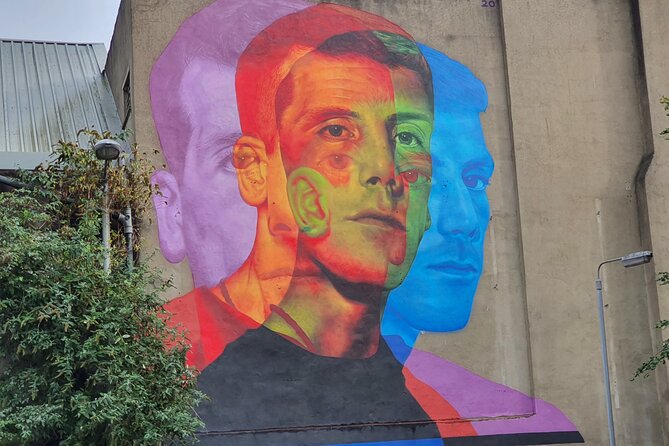
After the main stops, the tour ends back near the city centre, passing more street art and political murals along the way. That extra bit of walking time is useful because it helps you keep the murals in context. You start seeing patterns—where messages cluster, how styles shift by neighborhood, and how public art changes as you move across Belfast.
This is also the stage where you’re likely to get practical advice about where to go next for food, browsing, or other sights. The tour package includes shopping and restaurant discounts, so it can pay to ask your guide where those are most useful.
Price and value: what $36.11 buys you in Belfast
At $36.11 per person, this tour sits in a reasonable range for a paid, guided walking experience with a focused theme. The value isn’t just the price tag—it’s what’s bundled into it.
You’re paying for:
- a local guide (Marti) who tells the story through the neighborhoods you walk through
- a small group cap of 8 people, which helps you hear and move without chaos
- time at multiple key mural sites rather than a drive-by “see it and go” schedule
- shopping and restaurant discounts that may reduce your overall Belfast spending
Also, most of the stops you’ll be timed at are listed with free admission (with the exception of the Peace Wall). That means your costs are less likely to balloon into a long list of extra entry fees.
If you’re comparing options, think of this as a way to understand Belfast’s public art language faster than trying to piece it together on your own.
Who this tour suits best (and who should skip it)
This is best for adults who want a serious, grounded introduction to Belfast’s murals, including the political side, and the current peace-building message that runs through the walk. If you like walking tours, enjoy street art, and you can handle a quick pace, you’ll likely feel like you got your money’s worth.
It may not suit you if:
- you’re sensitive to historical conflict topics presented in a direct way
- you prefer a slow, museum-style pace with lots of time to pause
- you want an interactive, question-friendly format rather than a guide-led story flow
- you’re under 18, since this is adults only
If you do book it, you’ll set yourself up for an easier experience by dressing for rain and cooler weather, wearing comfortable shoes, and planning for strong sunlight at times.
Should you book this Belfast Troubles Murals and Peace Wall tour?
Yes—if you want Belfast’s street art to make sense fast, and you’re comfortable with a guided walk that treats murals like real-world history. I like that this doesn’t stay in the past; the tour builds toward peace efforts and community-chosen mural projects like re-imaging.
Book with extra confidence if you value small groups, you don’t mind a brisk walk, and you’re ready to look closely at what people put on walls when they’re trying to be heard.
If you’re worried about pace or sensitive topics, read the room before you go. This tour is not about light sightseeing—it’s about understanding Belfast through the art that locals live with every day.
FAQ
How long is the Belfast Troubles Murals and Peace Wall walking tour?
It’s about 3 hours (approximately), with a walk time described as roughly 2.5 to 3 hours.
Where do I meet and where does the tour end?
You start at Exchange Street West (Exchange St W, Belfast BT1, UK). The tour ends near 32 Bank St, Belfast BT1 1DA, UK, with options to finish around Kellys Cellers or walk a short distance toward City Hall at 2 Royal Avenue.
How much does it cost?
The price is $36.11 per person.
Is this tour good for kids or teens?
No. It’s listed as adults only and not suitable for under 18s.
What’s included in the tour price?
The tour includes a local guide. You’ll also receive shopping and restaurant discounts.
Is the Peace Wall ticket included?
No. The Peace Wall admission ticket is not included.
Is there a mobile ticket?
Yes. The tour features a mobile ticket.
What language is the tour offered in?
It’s offered in English.
How big is the group?
The tour has a maximum of 8 travelers.
What should I wear or expect weather-wise?
Plan for rain and colder-than-you-might-expect weather. It can also be sunny, so sunglasses and sun cream in summer are useful. Dress appropriately and wear comfortable walking shoes.