REVIEW · DOHA
Doha: Combo Heritage & Art Tour of North and West Qatar
Book on GetYourGuide →Operated by Falcon Tours Qatar · Bookable on GetYourGuide
Steel and desert art? Qatar does it well. I like the way this North and West combo braids together big-name modern art in the sand with hands-on stops in Qatari heritage. I also enjoy the guide-led storytelling, especially when you get someone like Junaid (warm, ambassador-level explanations) or Javid (spot-on photography help and smooth organization).
The main drawback is simple: the day is only 7 hours and most stops are timed tight, so you’ll want to move efficiently and accept that you can’t linger everywhere like you would on a private, slower itinerary.
In This Review
- Key moments that make this tour worth your time
- North and West Qatar: why this tour feels like two countries
- Doha pickup, 7 hours, and the “keep it moving” rhythm
- Al Ruwais: a quick coastal breather with fishing-town character
- Al Jumail abandoned village: history you can walk through
- Olafur Eliasson’s desert installation: modern art under real sky
- Purple Island and north-coast viewpoints: where the guide’s talk matters
- Al Zubarah Fort (UNESCO): the trading history behind the stones
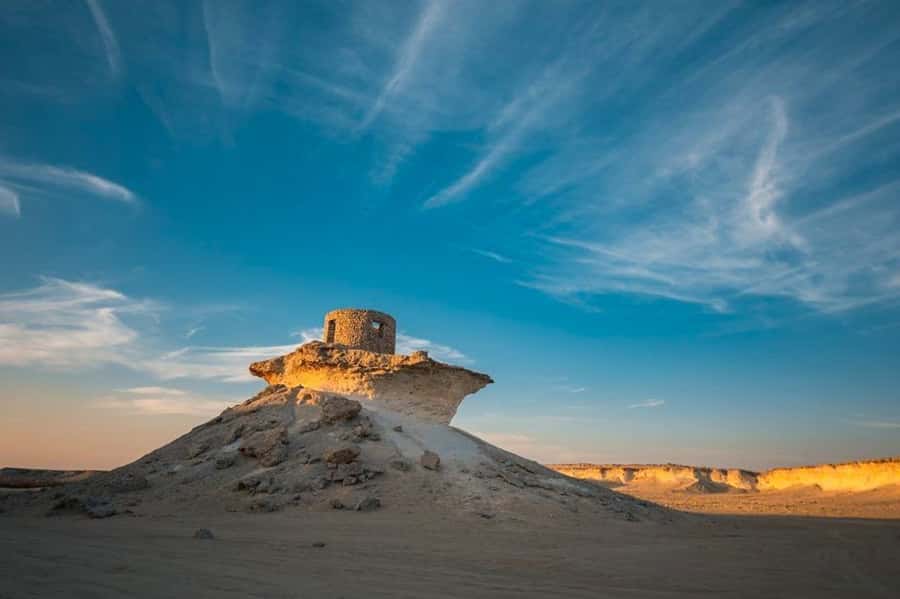
- Zekreet: cliffs, big views, and quick guide commentary
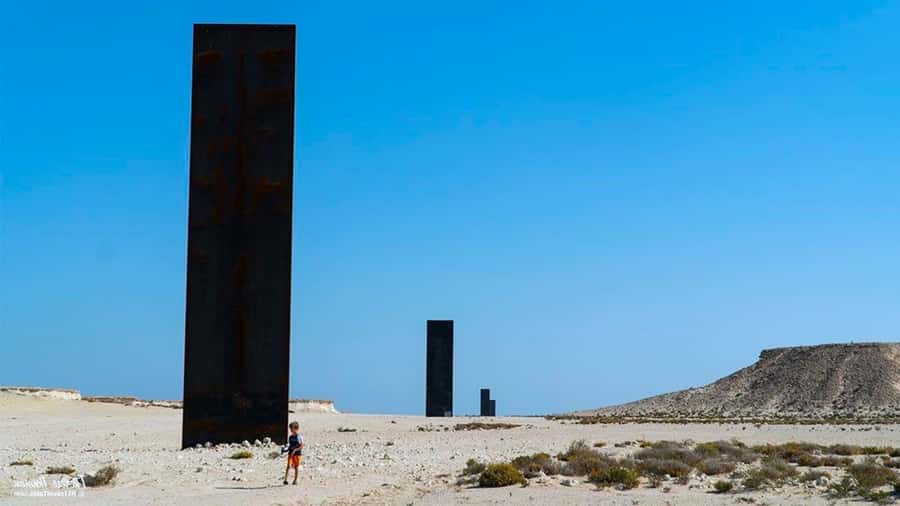
- Richard Serra’s East-West/West-East: steel monuments in the desert
- What’s included (and what you’ll need to plan for)
- Who should book this North & West Qatar combo?
- Quick practical notes before you go
- Should you book this Doha tour?
- FAQ
- How long is the Doha: North and West Qatar heritage and art tour?
- Where does pickup happen?
- What language is the guide?
- Which major sites are included?
- Is Al Zubarah Fort part of the tour?
- Are meals included in the price?
- What refreshments are included during the tour?
- What do I need to bring?
- Is there free cancellation?
- Can I book with reserve and pay later?
Key moments that make this tour worth your time
- Desert art you can’t see in a museum: Olafur Eliasson’s desert installation plus Richard Serra’s East-West/West-East in open air
- UNESCO fortress energy at Al Zubarah: a preserved stronghold tied to trade and archaeological significance
- Al Jumail’s abandoned pearl-diving town feel: you walk through remnants of a historic settlement
- Zekreet viewpoints for big skies: a short stop that’s great for photos and guide commentary
- Comfort-first transfers from Doha: air-conditioned vehicle, pickup and drop-off, and water/tea/soft drinks
- Guides who talk like storytellers: explanations with context, not just dates and names
North and West Qatar: why this tour feels like two countries
Doha is modern, yes. But Qatar’s north and west are where you start to feel the country’s older rhythms: fishing traditions near the coast, pearl-diving history on the Gulf, and forts that sit like punctuation marks on the horizon.
This tour works because it doesn’t treat art and history like separate boxes. You’ll see UNESCO-listed Al Zubarah Fort, then you’ll switch gears to modern sculpture in open desert. The contrast is the point. One moment you’re thinking about trade routes and settlements; the next you’re looking at steel forms against sand and light.
And because the group is guided in English, you’re not just looking. You’re also understanding what you’re seeing—the kind of context that turns a photo stop into a real memory.
You can also read our reviews of more tours and experiences in Doha.
Doha pickup, 7 hours, and the “keep it moving” rhythm
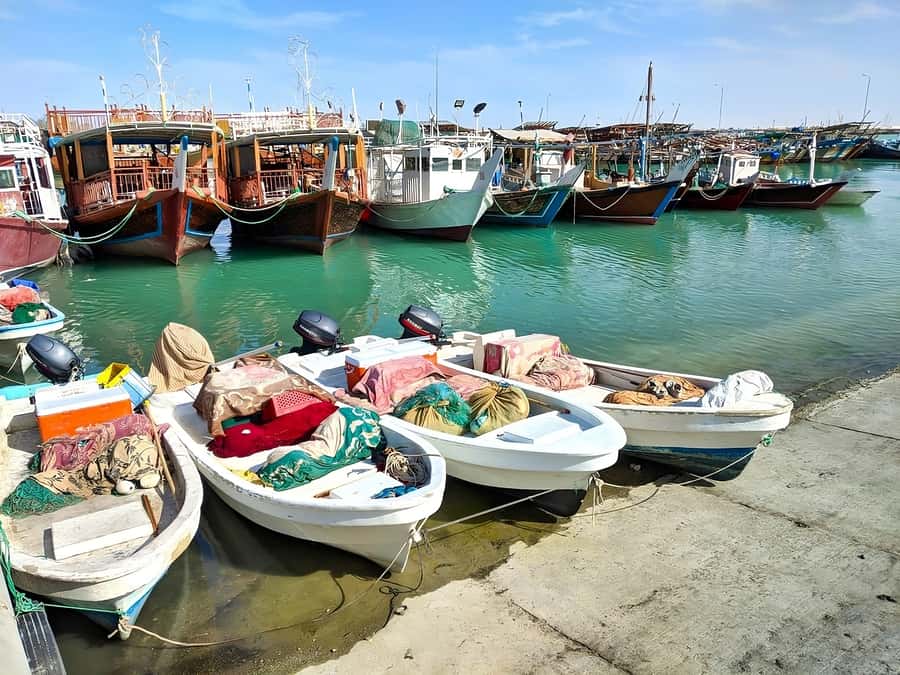
You’re picked up in Doha by air-conditioned vehicle, and you return at the end of the day. The pacing is designed for a half-day-style loop, which matters because the stops are not meant to be all-day hangouts. Expect short visits: places like Al Ruwais and Al Jumail Village are about 30 minutes each, while the forts and sculpture sites get closer to 40 minutes.
What I like about this rhythm is that it keeps decision-making easy. You don’t have to plan drivers, ticketing, or routing across multiple far-flung sites. You just show up, get in the car, and follow the guide from one setting to the next.
Small practical bonus: you get water, tea, and soft drinks included. That doesn’t replace good planning for heat, but it reduces the “where do we buy something now?” stress during a busy day.
Al Ruwais: a quick coastal breather with fishing-town character
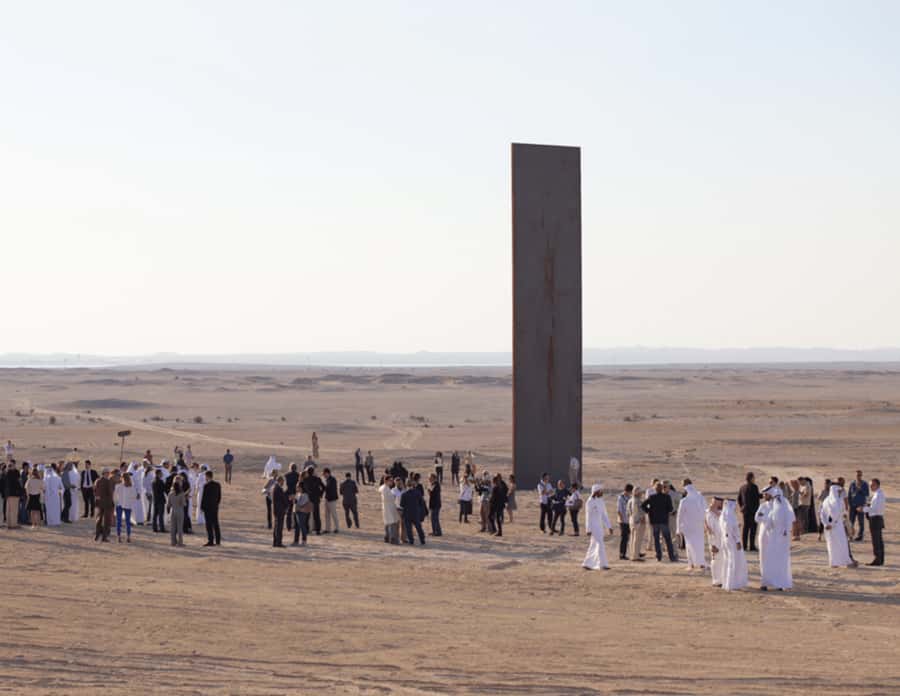
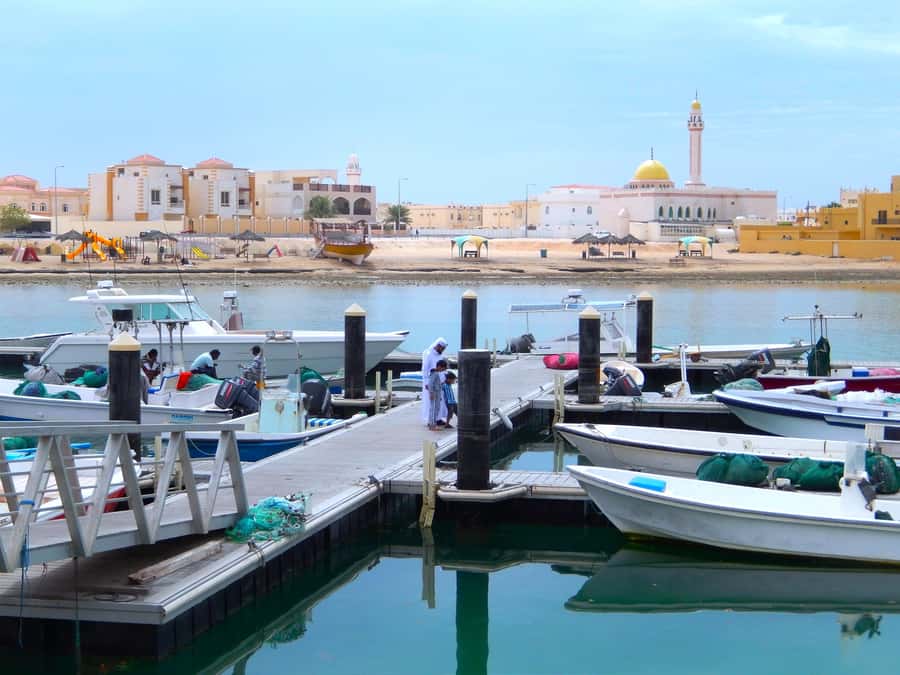
The tour starts with a stop at Al Ruwais, a coastal town known for traditional fishing culture and sea views. With only about 30 minutes here, you’re not going to “tour the town.” Instead, you’re getting a viewpoint-style introduction: a sense of where people live and work along Qatar’s northern coast.
I think this stop is a good setup for the rest of the day. It grounds the tour in real places before you go hunting for history and art. You’ll likely take your first photos of sky and shoreline, and you’ll get the guide’s framing for what comes next—especially the Gulf heritage that shows up later around Al Jumail and Al Zubarah.
Tip for your timing: if you care about photos, treat this as a “arrive, look, shoot” moment. With limited time, moving promptly helps you catch better angles and avoids the slow drift that can eat minutes.
Al Jumail abandoned village: history you can walk through
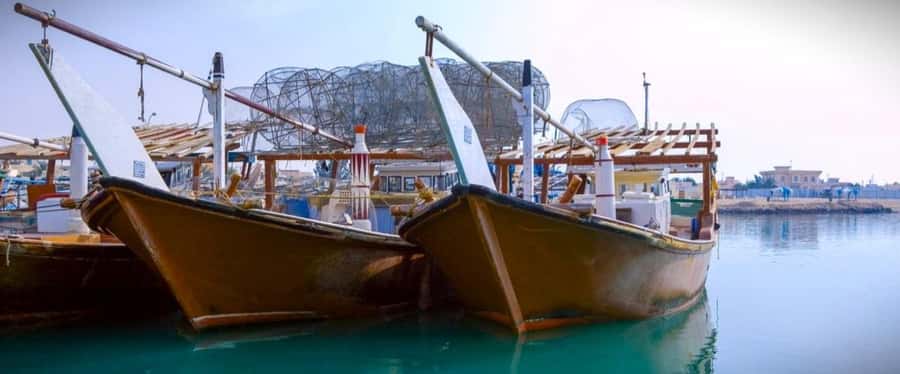
Next is the Jumail / Al Jumail abandoned village, visited for about 30 minutes. This is described as a former pearl-diving settlement, and the best way to experience it is to slow down for a few minutes and just look at how the place sits in the desert and coastal world around it.
The value here isn’t a formal museum layout. It’s the atmosphere of abandonment and the sense of layers—how settlements were built, used, and eventually left behind. A guided explanation makes a big difference because you’ll understand what pearl diving meant economically and socially, not just that it happened.
This is also where good footwear helps. You’ll be walking in an environment that can be uneven and sandy, so you’ll want shoes that feel secure. And since you’ll be taking photos, keep an eye on dust and glare—simple positioning can make a huge difference.
Olafur Eliasson’s desert installation: modern art under real sky
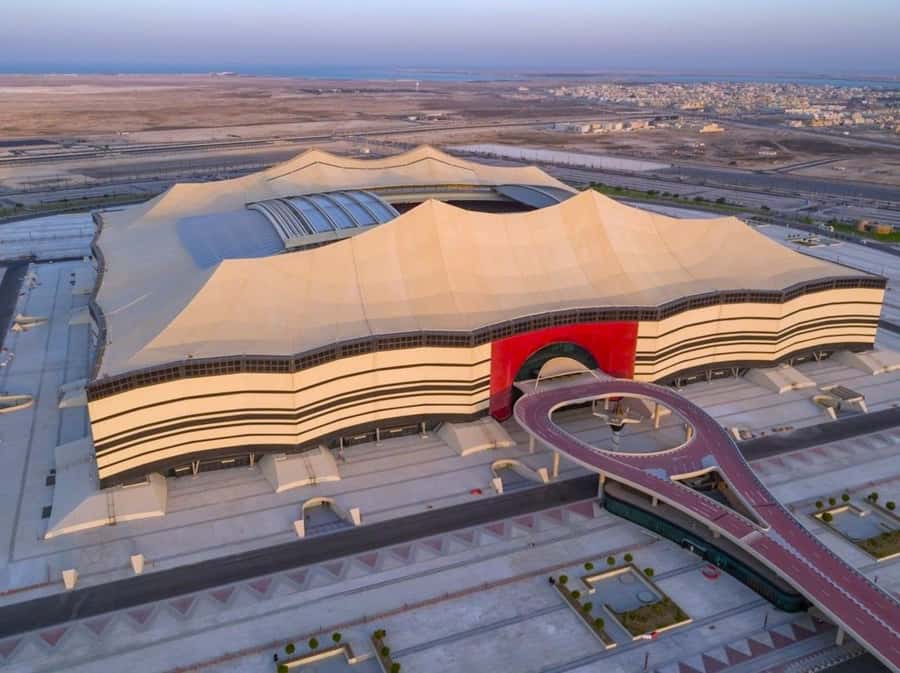
Then the tour shifts into pure visual contrast with Olafur Eliasson’s desert installation, another timed stop of about 30 minutes. This is modern art designed to work with the land, so the desert isn’t the backdrop. It’s part of the artwork’s “language.”
I like this stop because it’s memorable without needing technical knowledge. If you enjoy art that responds to light, space, and scale, you’ll immediately get it here. The steel and glass-heavy world you might associate with modern art becomes something more elemental when it’s placed in sand and open sun.
A practical thought: because the visit is short, think about what kind of photo you want before you start shooting. A few wide shots to capture the whole installation, then closer framing if the guide points out details. The guide’s commentary can also steer you toward angles you might miss on your own.
Purple Island and north-coast viewpoints: where the guide’s talk matters
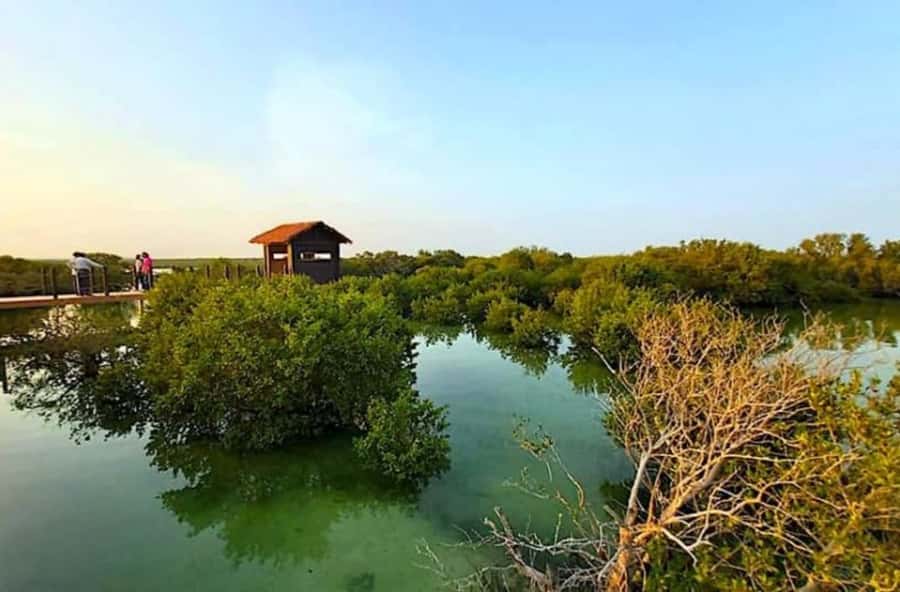
The tour includes a stop connected to Purple Island (listed as part of the overall experience). Time here is about 30 minutes in the flow of the day, so treat it as a viewpoint-style experience rather than a long exploration.
This is the part of the itinerary where the guide’s ability to read the terrain can really upgrade your day. In feedback tied to this tour, guides like Junaid are praised for pointing out geological formations and adding context about the environment. That’s exactly what you want during short roadside stops: a quick story that turns a photo spot into a “now I understand” moment.
If you’re the type who likes nature details—how rock looks, how coastlines form, how vegetation is adapted—you’ll probably enjoy this section. Even if you’re not, it’s still a good breather between heavier stops like the fort and sculpture.
Al Zubarah Fort (UNESCO): the trading history behind the stones
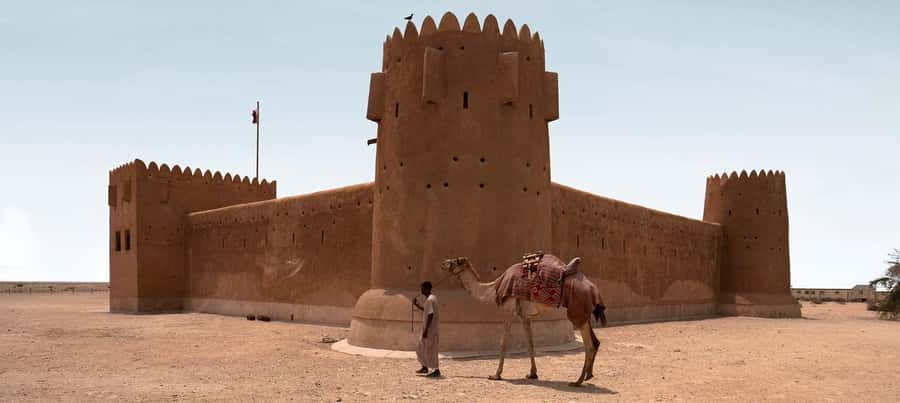
The day’s heritage heavyweight is Al Zubarah Fort, a UNESCO-listed site visited for about 40 minutes. This is where Qatar’s story becomes physical—fortifications, defensive thinking, and settlement patterns tied to trade.
This visit matters because it gives you a framework. You’ve already seen pearl-diving history at Al Jumail. Now you see how coastal life connected to larger commercial networks. The fort is described as remarkably preserved, and that preservation is what makes the explanations stick. When walls and layouts are still readable, it’s easier to imagine how people moved and protected themselves.
If you’re hoping to understand Qatar beyond headlines, this is one of the best places in the region to do it in a single guided stop. Go in ready to look at structure, not just scenery. The guide will likely point out what made the fortress significant—trading history and archaeological relevance are part of what’s emphasized for this site.
Zekreet: cliffs, big views, and quick guide commentary
After Al Zubarah, the tour heads to Zekreet for about 30 minutes. Zekreet is known for dramatic natural forms, and in the tour feedback you can see why this stop works: guides often use places like Zekreet to connect the scenery to geology and local environment.
This is your “stretch and shoot” moment. The sculpture and fort visits can keep your mind in history mode, and Zekreet helps reset your eyes with wide-open surroundings. It’s also where a good guide can help you spot patterns—rock shapes, formations, and how the area changes across short distances.
Because time is limited, don’t plan to do deep exploring. Think of it as a viewing stop where you make the most of what’s in front of you. If you like photography, this is one of the spots where you can take a few strong frames quickly.
Richard Serra’s East-West/West-East: steel monuments in the desert
The final stop is Richard Serra’s East-West/West-East monumental sculpture installation, visited for about 40 minutes. This is the kind of art that makes you feel small in the best way—towering steel forms placed so they interact with your movement, not just your gaze.
I like ending on this because it flips your perspective one last time. You spent time on preserved architecture and abandoned village remnants. Now you’re in a world of large-scale contemporary structure that seems to belong to the desert just as much as the desert belongs to it.
This is also a photography playground. Your best bet is to plan for variety: a couple of long shots to show scale, plus shots that capture how the steel edges slice the light. The guide’s help can matter here too, especially for positioning and timing during the day’s changing brightness.
With time capped at about 40 minutes, you’ll want to stay aware of the group pace so you don’t get left behind while chasing “just one more” angle.
What’s included (and what you’ll need to plan for)
Included in the experience:
- Air-conditioned pickup and drop-off from Doha
- English-speaking tour guide
- Water, tea, and soft drinks
- Entry/entrance included for the major sites, including Al Zubarah Fort, Al Jumail Village, Olafur Eliasson desert installation, and Zekreet East-West/West-East monumental sculpture entrance
Not included:
- Meals, unless you select an add-on option
So the value question becomes: does this combo reduce your hassle enough to be worth it? For most people, the answer is yes. You’re bundling multiple far-reaching stops—coastal intro, abandoned village heritage, a UNESCO fort, and two major art installations—plus comfortable transport. That’s hard to replicate smoothly on your own without coordinating a driver and timing across remote areas.
Who should book this North & West Qatar combo?
This tour is a strong fit if you’re:
- An art lover who likes outdoor installations that respond to the environment
- A history enthusiast who wants Qatari heritage explained with context
- A curious traveler who prefers a guide-led plan over multiple half-baked DIY attempts
- Someone who values comfortable round-trip transfers and doesn’t want to fight logistics
It’s also a good match if you like photography but want help from someone who knows how to guide you to good angles. In the feedback, Javid is singled out for being a strong photographer assistant, and Junaid is praised for storytelling and navigation around the north and west coast environments.
If you want long stays, multiple walks, or lots of free time at each stop, you might find the timing a touch tight. This is a “great highlights” style day.
Quick practical notes before you go
- Bring your passport or ID card (a copy is accepted).
- The tour runs in English and offers a private group available option.
- Dress comfortably for desert conditions and wear shoes you trust for walking around historic and outdoor installations.
One more smart idea: if you’re picky about photos, decide in advance which two stops you care about most. That way you don’t spread your attention too thin across every stop.
Should you book this Doha tour?
Yes, if you want a single guided day that mixes UNESCO heritage with major desert art and keeps transport simple. This is especially appealing if you like the idea of being guided by someone who can turn short stops into meaningful context, like the storytelling style praised for Junaid, or the photo-focused help described for Javid.
I’d think twice if your priority is unhurried exploration or if you need meals included by default. The day moves, and meals aren’t included unless you choose an add-on.
If you’re flexible, it’s a very efficient way to see how Qatar’s north and west feel—through forts, abandoned settlements, and two of the most striking desert art experiences in the country.
FAQ
How long is the Doha: North and West Qatar heritage and art tour?
The tour duration is listed as 7 hours.
Where does pickup happen?
Pickup is included from Doha, and the guide contacts you on the same day to arrange pickup via call or WhatsApp.
What language is the guide?
The tour includes an English-speaking live tour guide.
Which major sites are included?
The tour includes Al Zubarah Fort, Al Jumail Village, Olafur Eliasson desert art installation, Zekreet East-West/West-East monumental sculpture, plus stops in Al Ruwais and Zekreet, with Purple Island included as part of the overall experience.
Is Al Zubarah Fort part of the tour?
Yes. Al Zubarah Fort is included and it is described as UNESCO-listed.
Are meals included in the price?
Meals are not included unless you select an add-on.
What refreshments are included during the tour?
You get water, tea, and soft drinks included.
What do I need to bring?
You should bring your passport or ID card. A copy is accepted.
Is there free cancellation?
Yes. You can cancel up to 24 hours in advance for a full refund.
Can I book with reserve and pay later?
Yes. The experience offers a reserve now & pay later option.