REVIEW · FLORENCE
Florence: Private Accademia Gallery Tour
Book on GetYourGuide →Operated by Florence Tours by Made of Tuscany · Bookable on GetYourGuide
David in Florence feels different up close. This private tour gets you into the Accademia Gallery with a local guide who can explain what you’re actually seeing, starting with Michelangelo’s David and moving through other key works. I also like how the pacing keeps you from getting lost in the crowd energy.
Second highlight for me: the visit doesn’t stop at sculpture. You get time with the plaster models area tied to Lorenzo Bartolini, and you’ll also see the Music Instruments Collection with famous Stradivari violins, which turns the museum into something more than a one-artist checklist.
One consideration: even on a skip-the-line experience, you may still wait briefly at the metal detector security point, and there’s no cloakroom in the gallery—so travel light.
In This Review
- Key tour takeaways
- Meeting at Via Ricasoli: the first 10 minutes set the tone
- Michelangelo’s David in the Tribuna: what 30 minutes really buys you
- David’s neighbors: Pietà, Slaves, and the rest of Michelangelo’s punch
- Renaissance rooms: Medici collecting power made visible
- The Plaster Models Room: where artists learned by studying form
- Music Instruments Collection: Stradivari violins and a first piano
- Timing, tickets, and what to bring so it stays stress-free
- Price and value: when $229 per person makes sense
- Languages and guide style: what helps you get more out of every room
- Who should book this tour (and who might skip it)
- FAQ
- Where does the tour meet?
- How long is the tour?
- What stops are included?
- Is there a skip-the-line option?
- What does the tour include?
- What isn’t included?
- How do I know if I need to bring ID?
- What languages are available?
- Is it wheelchair accessible?
- Is there a cloakroom available?
- On my travel dates, can I expect free entry on the first Sunday?
- Should you book Florence: Private Accademia Gallery Tour?
Key tour takeaways
- David first, then the museum: a guided 30-minute focus on the Tribuna before you move into the wider collection
- Guides who explain the why: pay attention to your guide’s connections between Renaissance art, patrons, and technique
- Plaster models by Lorenzo Bartolini: see 18th-century casts that show how artists studied form
- Music Instruments Collection moments: Stradivari violins (and even the first piano mentioned in this collection)
- Michelangelo beyond David: you’ll encounter the Slaves and other major sculpture highlights like the Pietà
- Private group, multiple languages: live guidance in Spanish, English, French, German, Italian, Portuguese, Russian
Meeting at Via Ricasoli: the first 10 minutes set the tone
This experience starts in the Via Ricasoli area, with the meeting point listed as Galleria Accademia, Via Ricasoli 68, Firenze. You’ll be near the museum already, which helps if you’re trying to keep your Florence day efficient and not just “wander until you find it.”
I like that the tour is set up as a private group with a professional local guide. That matters here because the Accademia can be overwhelming fast: you see people snapping photos, hearing snippets of audio guides, and then you’re expected to understand centuries of art in one room. A guide acts like a filter, helping you get your bearings fast and notice details you might otherwise miss.
Quick practical note: the tour includes entrance tickets with reservation and the chance to skip the ticket line, but you can still hit a short pause at security due to the metal detectors. Think of it as part of the rhythm of visiting a high-demand museum in a busy city.
You can also read our reviews of more private tours in Florence
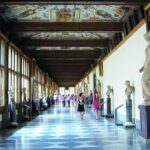
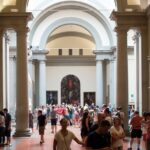
Michelangelo’s David in the Tribuna: what 30 minutes really buys you
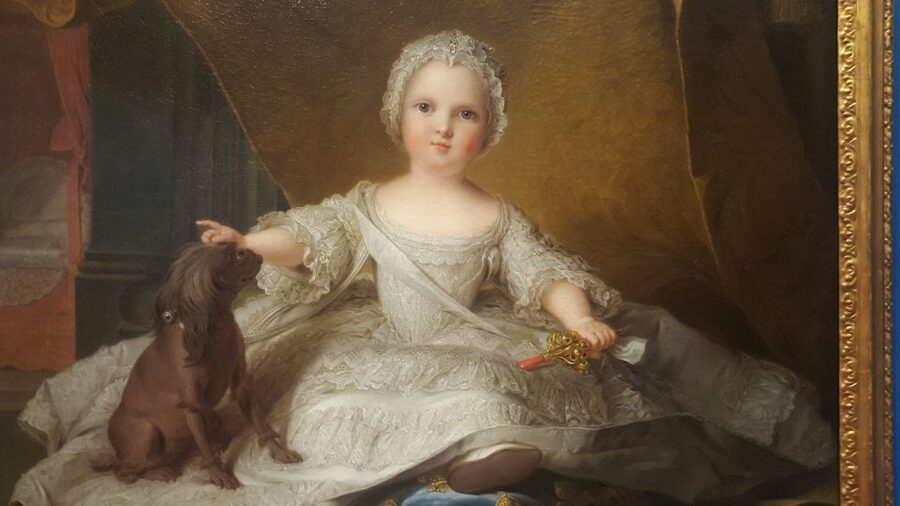
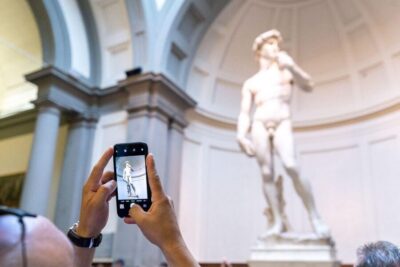
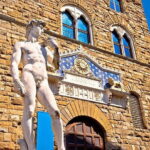
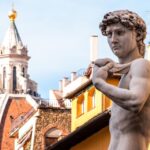
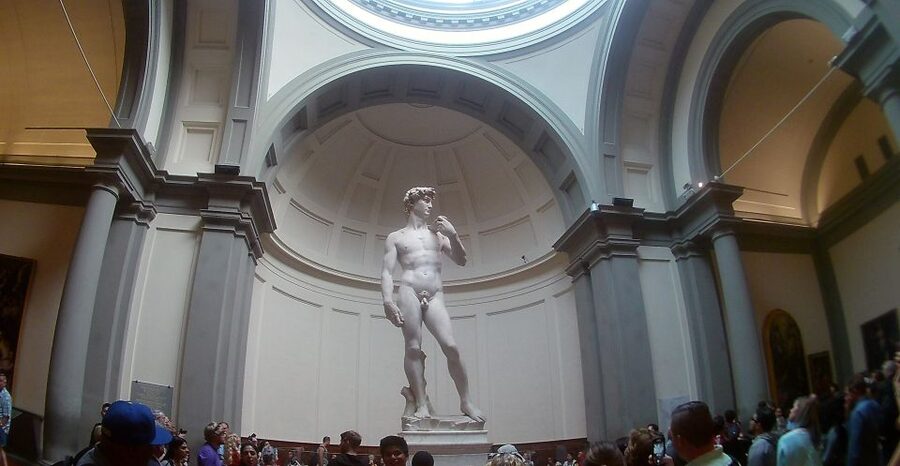
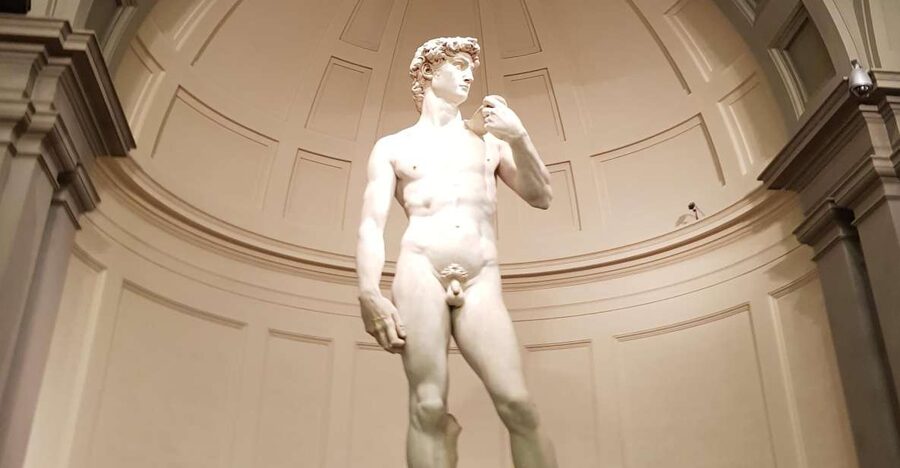
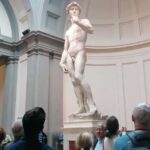
Your tour begins with Michelangelo’s David, with a guided visit focused for about 30 minutes. If you only see David from the front at a distance, you’ll get the idea—but you won’t get the craftsmanship.
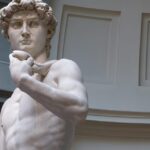
Here’s why the guided focus matters. David is famous, yes, but the statue is also a masterclass in anatomy, surface finish, and expressive tension. With a guide, you’re more likely to notice how Michelangelo makes the pose feel alive: the way the body holds tension, how the gaze is directed, and how the stone reads as almost muscular flesh.
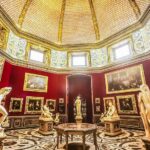
Also, the Tribuna setup encourages a kind of “turn your head and look again” approach. A private guide can steer your attention so you don’t spend the whole time re-locating the statue in your photos. You’re there long enough to understand why David was such a sensation when it appeared—and why it still stops people cold.
A small reality check: you may be standing near other visitors, since the museum draws big crowds. But your guide can help you time your viewing and keep your attention on the sculpture instead of on logistics.
David’s neighbors: Pietà, Slaves, and the rest of Michelangelo’s punch
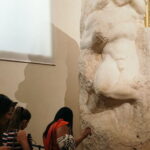
Once you’ve absorbed David, the experience continues through the Accademia’s Michelangelo highlights. The tour’s key moments are designed around the works most tied to Michelangelo’s reputation, including the Slaves and the Pietà, with additional sculpture references like San Matteo also mentioned as part of what you’ll encounter.
This is where I think the tour becomes more than a “must-see stop.” David can dominate your memory, but it’s the comparison that makes the museum click. The Slaves, for example, are all about movement and the feeling of forms emerging from the block—an idea you can understand better when someone points out the visual logic of Michelangelo’s carving approach.
Same with the Pietà. Even if you know the title, you’ll likely gain something new by being walked through what you should look for and what themes the sculptor was working with. Your guide’s job is basically to teach your eyes a quick new vocabulary: proportion, gesture, and how the sculpture directs your attention.
If you’re short on Florence time and want the museum to feel coherent, this structure is smart: one major attraction first, then you build momentum by seeing how the artist’s ideas repeat and transform across works.
Renaissance rooms: Medici collecting power made visible
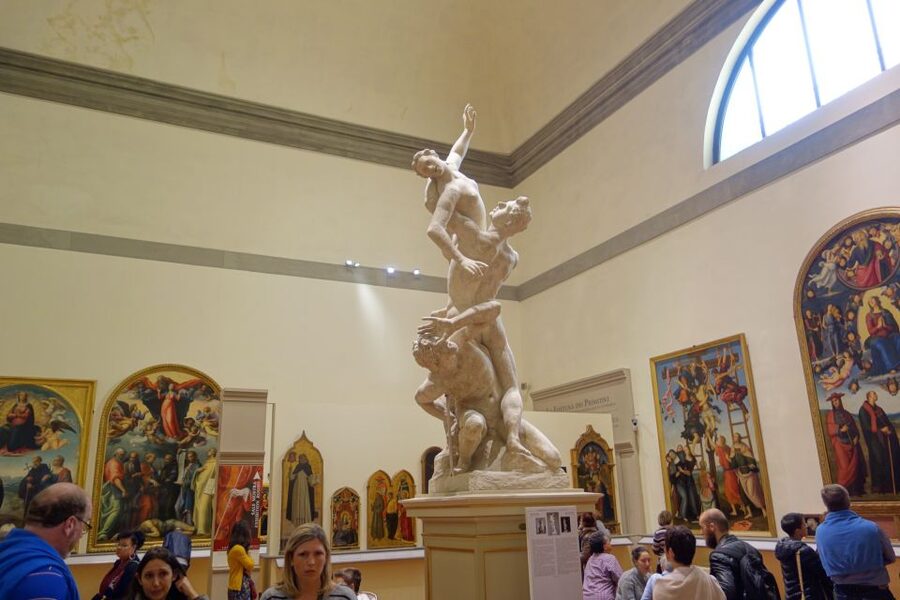
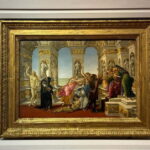
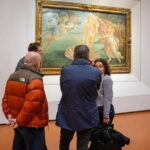
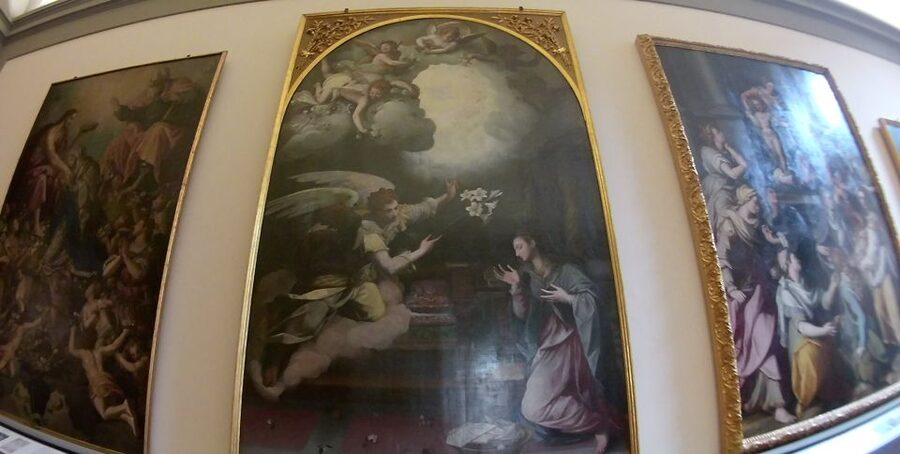
After the Michelangelo core, you’ll move through the Accademia’s broader art offerings, including paintings and sculpture by Italian masters. Names you should expect to hear in the tour’s flow include Botticelli, Domenico Ghirlandaio, Pontormo, Andrea del Sarto, and Giambologna.
The practical value here is that you’ll understand why these artists show up together. Many works were commissioned by and belonged to the collection of the powerful Medici family. That matters because the Accademia isn’t only an art gallery; it’s also a snapshot of how Florence’s elite shaped what survived, what got displayed, and what became iconic.
When your guide ties the works to the Medici context, you can start seeing patterns: subject choices, stylistic preferences, and why certain artists became part of the city’s status story. You won’t just be “looking at paintings.” You’ll be reading a system that funded and elevated art.
If you’re the type who usually moves too fast through museums, a guided route helps. You’ll likely find that the 75-minute museum block feels like enough when someone is pointing out the right works in the right order.
The Plaster Models Room: where artists learned by studying form
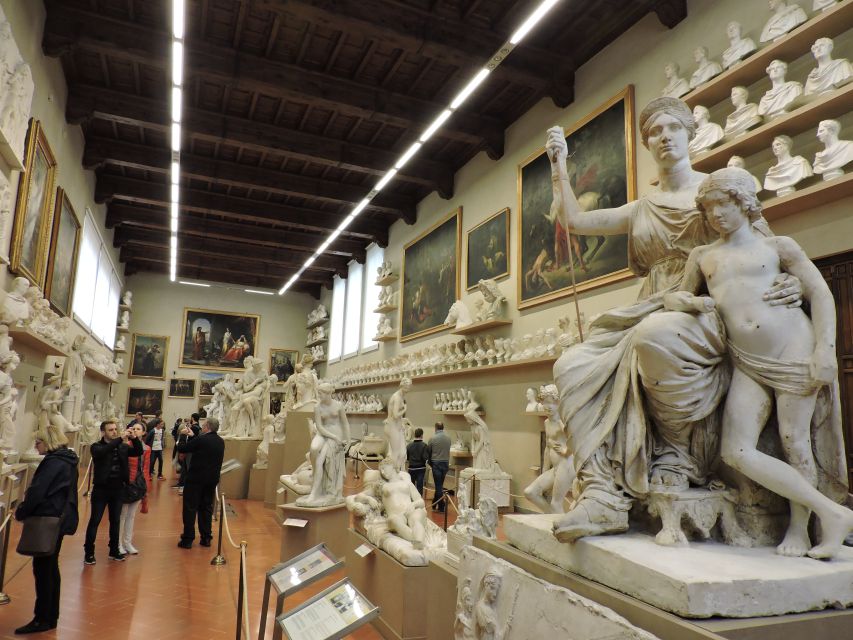
One of the most interesting parts of the tour is the plaster models area. You’ll see casts connected to the 18th century, created by Lorenzo Bartolini. This room is described as the former workshop of Bartolini, and it’s an easy place to slow down because the materials help you understand the process behind the art.
Plaster models are not just museum props. They show you how form can be studied in layers: light on a surface, how angles change the reading of a body, and how sculptors think in 3D even before a final marble finish. When a guide explains this, it changes how you look at sculpture elsewhere in the museum.
I also like this stop because it offers variety. After walking through major marble sculpture and famous names, the plaster room gives you a different kind of learning. It’s more about method than fame.
If you’re traveling with someone who usually gets impatient with paintings, the models room can be a helpful middle ground: still art, but more hands-on visually.
You can also read our reviews of more museum experiences in Florence

Music Instruments Collection: Stradivari violins and a first piano
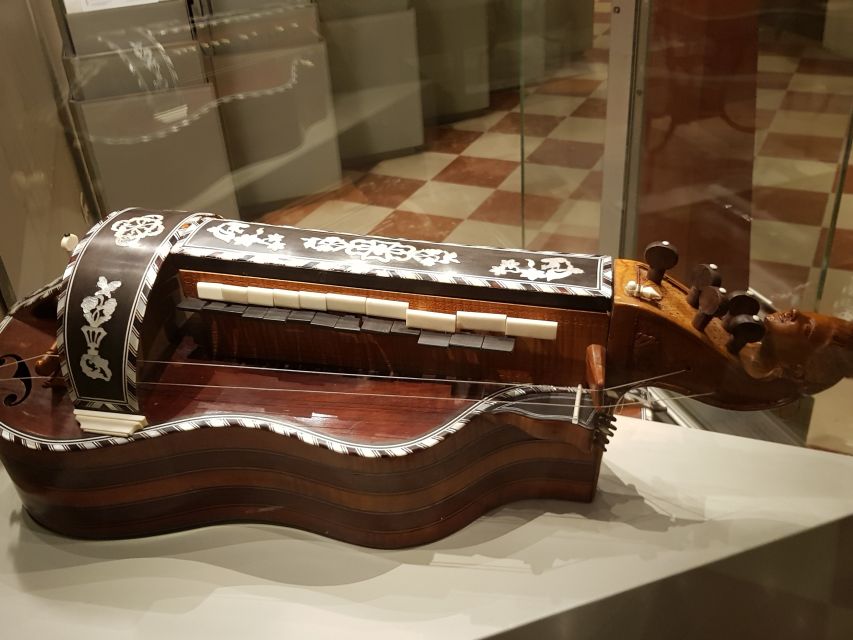
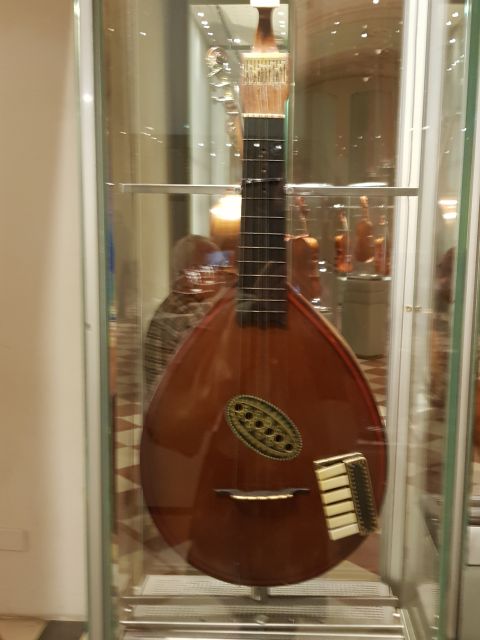
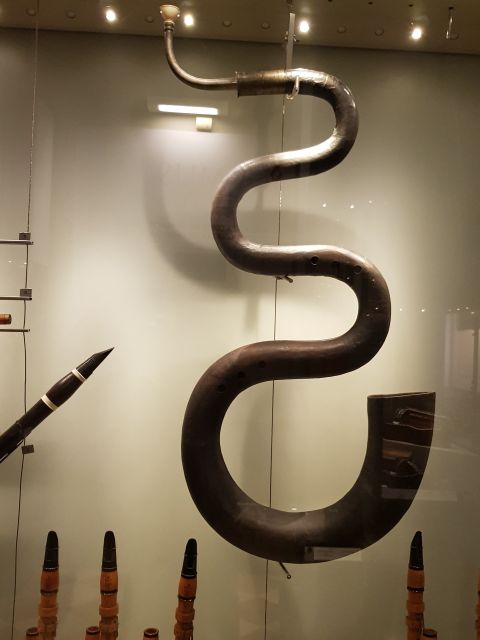
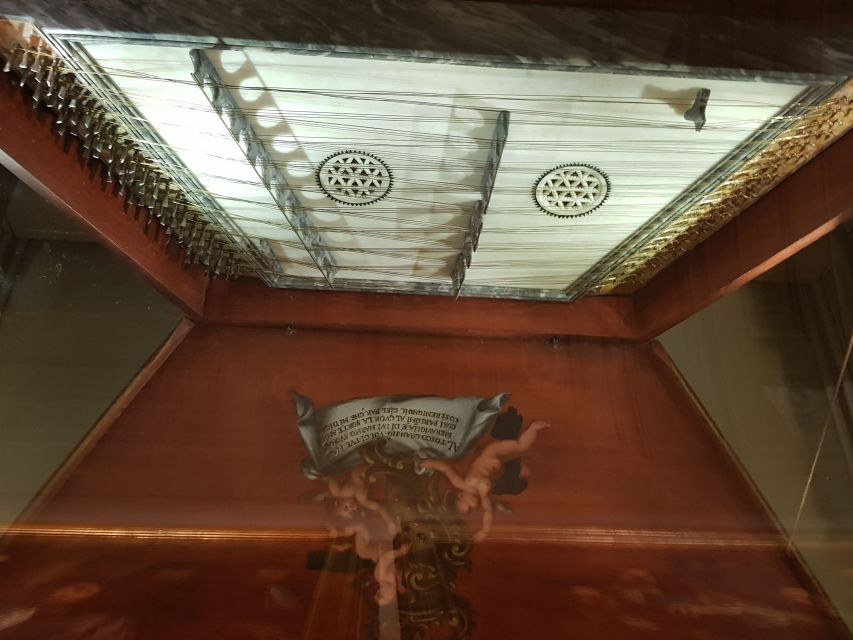
Yes, it’s a surprise inside an art museum—but it’s also one of the best ways to make the Accademia feel like a living slice of culture. The tour includes the Music Instruments Collection, with Stradivari violins called out, plus three rare violins and the first piano mentioned as part of this collection.
This is genuinely useful because it breaks the usual “all art is painting or sculpture” expectation. It reminds you that Renaissance and post-Renaissance Florence wasn’t only producing visual masterpieces; it was also tied to craftsmanship, design, and the technology of sound.
The Stradivari violins deserve their own attention. Even if you don’t play, you can appreciate the engineering vibe: the precision, the materials, the careful finishing. With a guide, you’ll spend less time trying to guess what’s special and more time learning why these instruments are singled out.
And the mention of the first piano adds another layer. You’re not only moving through the museum chronologically; you’re moving through the idea of invention and artistic culture.
Timing, tickets, and what to bring so it stays stress-free
The total duration is 2 hours, and the visit is designed so you cover David plus a guided walkthrough of the gallery highlights. The tour includes entrance tickets with reservation and skip-the-ticket-line service, but keep in mind that security still involves metal detector controls, so you may experience a short wait.
Bring a passport or ID card. That’s specifically noted, and it’s one of those details that can turn a smooth morning into an avoidable scramble.
There’s also no cloakroom in the gallery, so I recommend traveling with a small bag. If you’re carrying bulky items, you’ll need to manage them yourself. Think: comfortable shoes, water if you want it, and a lightweight layer.
For pacing: because it’s a private group, you’ll be less stuck in the rhythm of the biggest tour waves. Your guide can adjust how fast you move, especially if you’re the kind of person who wants to linger over one sculpture.
Price and value: when $229 per person makes sense
At $229 per person for a 2-hour private tour, you’re paying for three things: a professional local guide, reserved entry, and a focused route that hits the Accademia’s biggest highlights without wasting time.
If you’re someone who enjoys museums but struggles with self-guided choices, the value is real. Without guidance, it’s easy to spend your visit in “famous artwork fatigue,” where everything looks important but nothing feels connected. A good guide helps you prioritize and understand.
If you’re traveling as two people and want the best chance of actually noticing details like the differences between Michelangelo works, a private format can be worth it. It can also be efficient: you spend your limited time in Florence seeing the right things, in the right order, instead of spending that time trying to figure it out on the fly.
That said, $229 is a premium. If you’re budget-first, you might consider whether you prefer self-guided exploration. But if you want the museum to feel organized and meaningful—and you like having someone translate what you’re looking at—this pricing is in the range where the guide’s contribution becomes the product.
Languages and guide style: what helps you get more out of every room
The tour offers a live guide in Spanish, English, French, German, Italian, Portuguese, and Russian. That matters because art interpretation is easier when you can ask questions naturally and follow explanations without mental translation.
Based on the guide names associated with this experience, people like Eleonora, Eleanor, and Sonia are described in a consistent way: friendly, patient, and willing to take time to explain details. That’s exactly the kind of approach that pays off in the Accademia, where so much is famous that you might otherwise rush.
If your goal is to learn the stories behind the works—why they were made, how Florence patronage shaped what survived, and what to look for in sculpture—this kind of guide support is the difference between a quick glance and a real understanding.
Who should book this tour (and who might skip it)
This tour fits best if you want:
- Michelangelo’s David plus the biggest related sculpture highlights in one structured visit
- an art experience that includes both famous sculpture and the plaster models learning element
- music-collection variety like Stradivari violins and the first piano mention
You might skip it if:
- you mainly want to wander and photograph with zero interpretation
- you’re traveling with very little patience for crowded museum timing and security waits
- you need a cloakroom for bags (since none is available)
If you’re on a tight Florence schedule, the 2-hour format is also a big plus. You get a lot of the Accademia’s identity without turning the day into a museum marathon.
FAQ
Where does the tour meet?
The meeting point is listed as Galleria Accademia, Via Ricasoli 68, Firenze.
How long is the tour?
The duration is 2 hours.
What stops are included?
You’ll visit Michelangelo’s David, then the Accademia Gallery, and you’ll see highlights including the plaster model hall and the music instruments collection.
Is there a skip-the-line option?
Yes. It includes skip the ticket line, though you can still experience some waiting at security due to metal detector controls.
What does the tour include?
Included: a professional local guide and entrance tickets with reservation.
What isn’t included?
Pick-up from your hotel is not included.
How do I know if I need to bring ID?
You should bring a passport or ID card.
What languages are available?
Live tour guide languages include Spanish, English, French, German, Italian, Portuguese, Russian.
Is it wheelchair accessible?
Yes, the tour is wheelchair accessible.
Is there a cloakroom available?
No, there are no cloakrooms available in the gallery.
On my travel dates, can I expect free entry on the first Sunday?
Entrance is free of charge on the first Sunday of each month, but tickets can’t be reserved ahead of time, so entry is not guaranteed.
Should you book Florence: Private Accademia Gallery Tour?
If you want Florence’s most famous sculpture experience to come with clarity—not just crowds—this is a strong pick. The guide-led structure gives you enough time to really look at Michelangelo’s David, then extend that momentum into the Slaves, Pietà, plaster models, and even the music instruments collection.
Book it if you value interpretation and want your visit to feel organized in just 2 hours. Skip it if you’re comfortable self-navigating and you don’t care about having someone translate what you’re seeing. In short: if you want the Accademia to make sense fast, this tour is built for you.