REVIEW · FLORENCE
Florence: Uffizi Gallery admission tickets
Book on GetYourGuide →Operated by italypasstours srl · Bookable on GetYourGuide
Florence’s art hits fast when you walk in. These Uffizi Gallery admission tickets are built for an easy start: digital entry tickets sent to your phone, and optional audio in multiple languages. I especially like the skip-the-line approach (you don’t waste time at a ticket counter) and the chance to move at your pace with an optional audio guide.
The one real thing to consider is that you still have to go through a security check once you arrive. During peak hours, expect about a 15–30 minute wait just for screening, so plan your timing accordingly (don’t schedule your whole day down to the minute).
In This Review
- Key Things I’d Plan Around
- Why Uffizi Skip-the-Line Tickets Are a Big Deal in Real Life
- Digital Tickets and Entry Gate #1: Getting In Without Drama
- Security Screening: The Part You Can’t Skip (and How to Time It)
- What You’ll See at the Uffizi: Start With the Big Icons
- Medici Family Stories: Why This Museum Feels Like Florence’s Inner Circle
- The Optional Audio Guide: Use It Like a Tool, Not a Crutch
- A Realistic 4-Hour Visit Plan (So You Don’t Feel Rushed)
- Rules Inside: Food, Photos, and What to Bring
- Price and Value: What You’re Actually Paying For
- Who This Works Best For (and Who Might Want a Different Setup)
- Should You Book This Uffizi Ticket Service?
- FAQ
- How do I receive my Uffizi Gallery tickets?
- Where do I go on arrival at the Uffizi?
- Do I need to exchange a voucher or pick up a ticket?
- Is an audio guide included, and what languages are available?
- Are food and drinks allowed inside?
- Is the experience wheelchair accessible?
Key Things I’d Plan Around
- Mobile tickets delivered by WhatsApp, email, or iMessage (no voucher exchange)
- Go straight to Entry Gate #1 with your digital ticket and ID/passport
- Skip the ticket line, but security screening can still take 15–30 minutes in peak times
- Iconic Renaissance artworks you’ll want to see head-on: Botticelli, Leonardo, Michelangelo, Raphael
- Medici family context through included informational highlights and an optional audio guide
- Practical museum rules: no food or flash photography
Why Uffizi Skip-the-Line Tickets Are a Big Deal in Real Life
The Uffizi is one of those places where your day can evaporate in lines if you’re not careful. With these admission tickets, you’re set up to spend time where it matters: in the galleries, looking closely at the masterpieces everyone travels for.
What makes this feel like good value is not some flashy promise. It’s the basics done right. You get entry tickets straight to your phone, and you go directly to the museum’s entry gate instead of lining up for a counter exchange. That matters in Florence, where time is tight and lines can be unpredictable.
Also, you’re not boxed into a group pace with a guide telling you where to look every ten minutes. Instead, the experience is centered on your visit—pairing the ticket access with an audio option that you can use when and how you want.
A few more Florence tours and experiences worth a look


Digital Tickets and Entry Gate #1: Getting In Without Drama
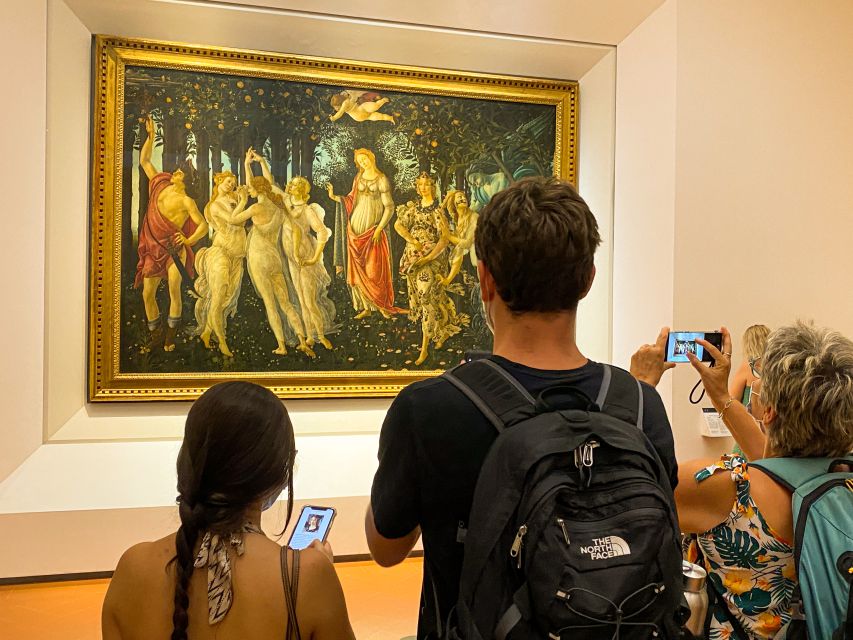
This is a “meet-the-museum, not a person” kind of setup. There’s no meeting point. You receive your entry ticket and your audio guide electronically (email, WhatsApp, or iMessage). Then you just show up and go.
Here’s how you should think about it:
- You’ll receive tickets with a set entry time, and it might shift by up to 15 minutes later than you picked.
- At the Uffizi, you proceed directly to Museum Entry Gate #1.
- You show your digital tickets plus a valid ID or passport for immediate entry.
No voucher exchange. No printed tickets required. The museum’s staff sees your ticket details on your phone and moves you through.
One small practical note: keep your phone charged. If your ticket is on a screen you can’t access, you’re suddenly doing “Italian administrative workout class” instead of enjoying art.
If you need ground help, you can meet staff at their store on Via de’ Pucci 37/39R (Italy Pass Tours). That’s a helpful backup if your ticket link doesn’t load or your phone is acting weird.
Security Screening: The Part You Can’t Skip (and How to Time It)
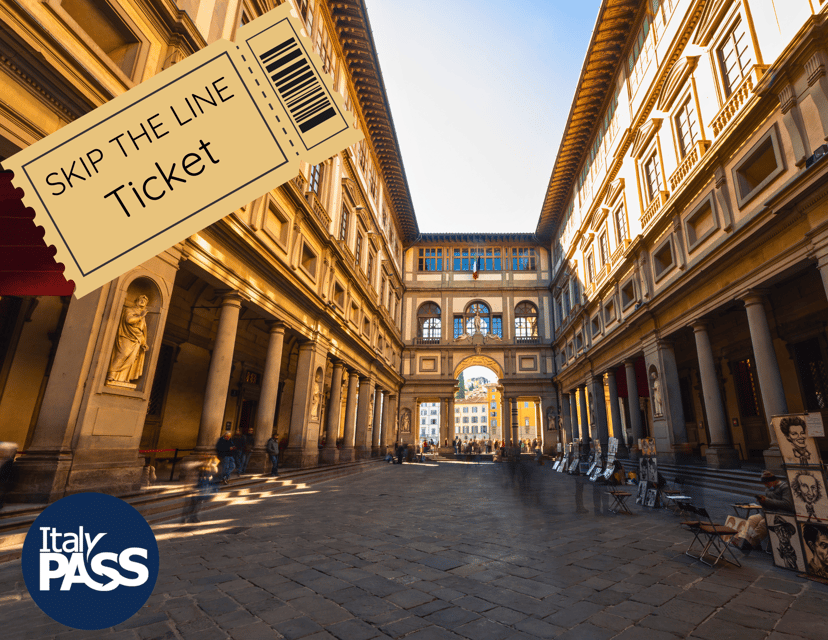
Even with skip-the-line ticket handling, you still go through the museum’s security process. During peak hours, the wait for screening is around 15–30 minutes.
So how do you handle that like a calm adult?
- Arrive a bit earlier than your entry time.
- Don’t make your next plan too tight—especially if you’re trying to connect this visit with lunch or another major sight.
- Expect that the “skip the ticket line” benefit removes one bottleneck, but security is its own bottleneck.
This is also why a 4-hour visit can be ideal. Even if screening takes longer, you still have enough time to see the highlights without feeling like you’re sprinting the whole time.
What You’ll See at the Uffizi: Start With the Big Icons
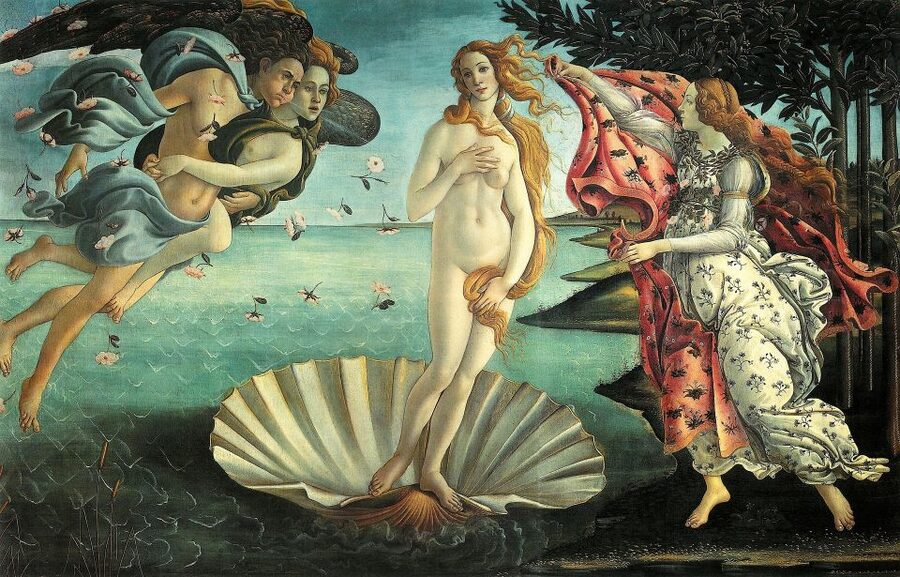
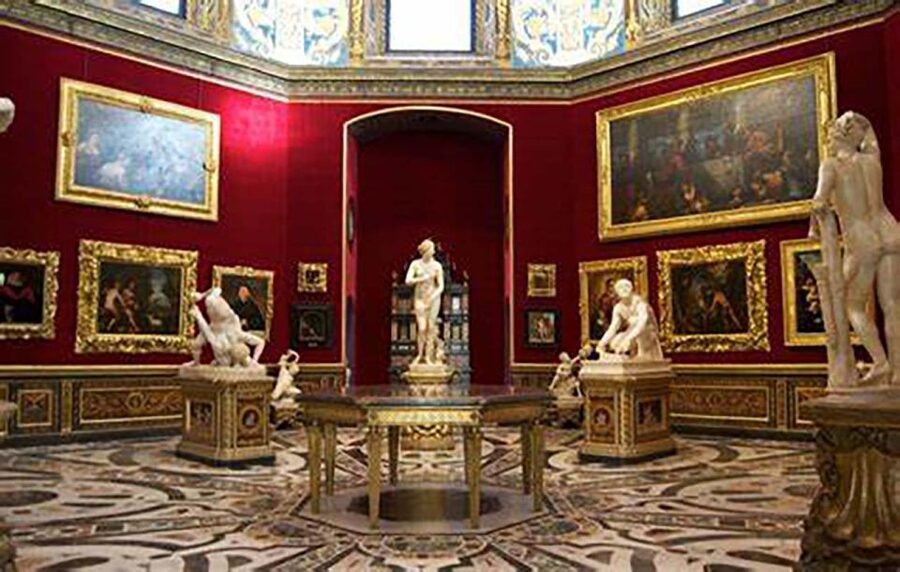
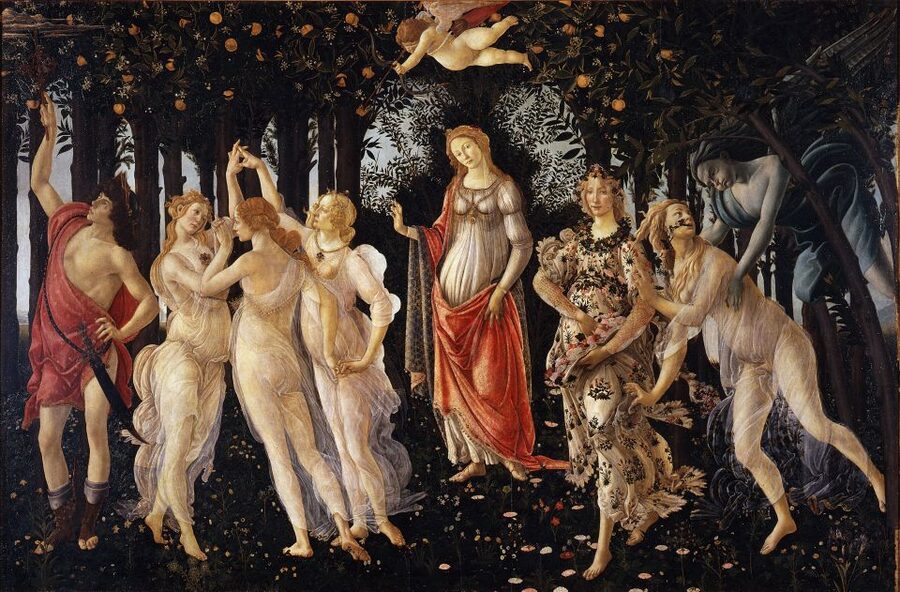
The Uffizi is famous for a reason. If you only have one shot, you want a plan for what to notice first. These tickets get you access to the museum’s full collection of Renaissance masterpieces, including iconic names like Botticelli, Leonardo da Vinci, Michelangelo, and Raphael.
And yes—there are specific works to look for, so you know what to aim at:
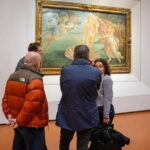
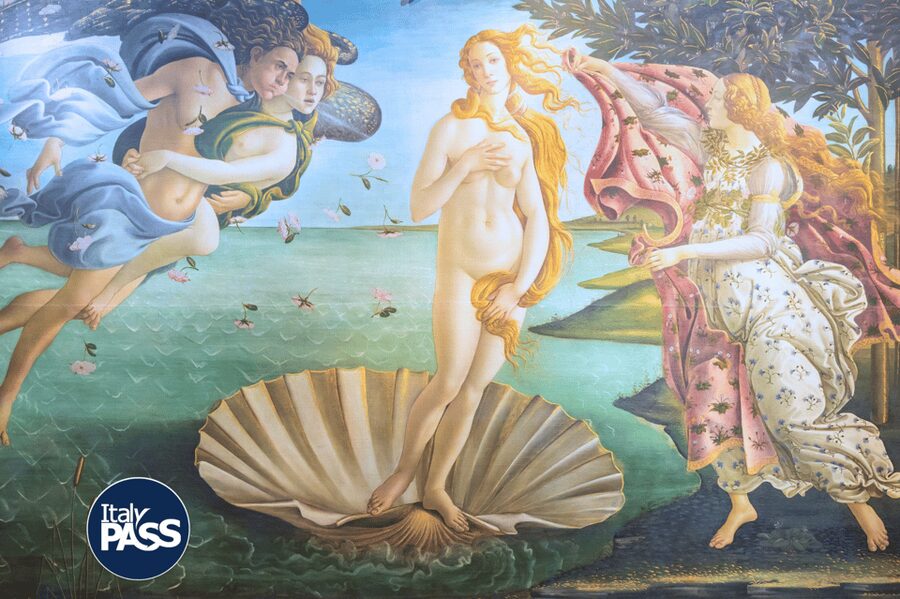
- Botticelli’s The Birth of Venus
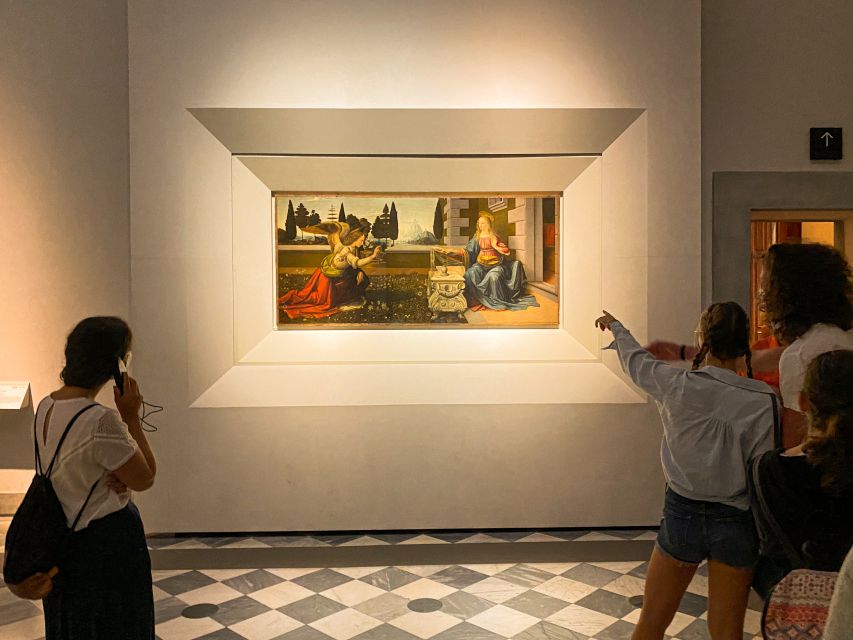
- Leonardo’s Annunciation
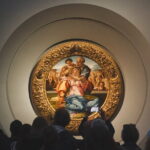
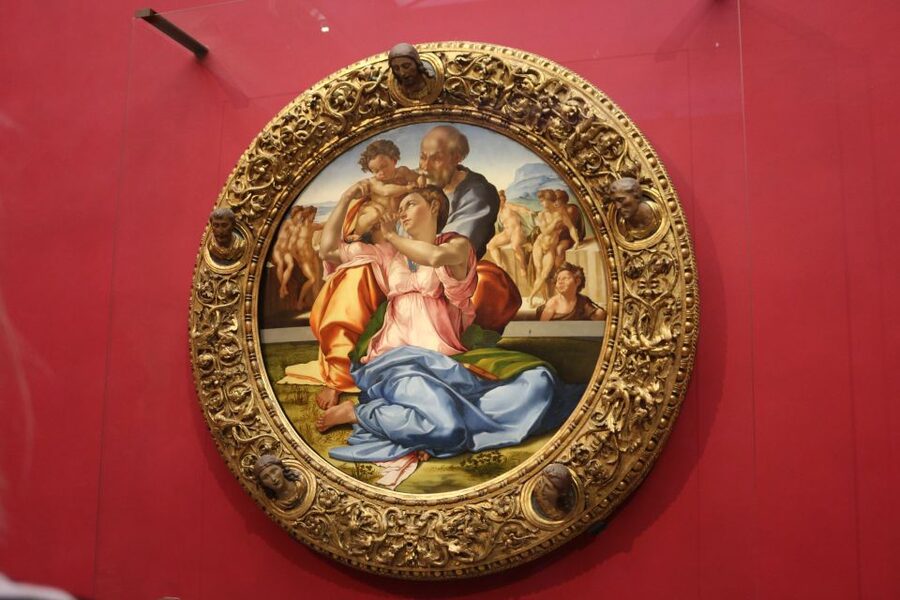
- Michelangelo’s Tondo Doni
When you walk into the galleries, the trick is not to “see everything.” It’s to see a few works well. Stand close enough to catch the details, then step back for the overall composition. If a painting pulls you in, give it extra minutes. If it doesn’t, move on—your time is limited and the museum keeps rewarding momentum.
One more thing I appreciate: you’re not just staring at art in a vacuum. The Uffizi is presented with context—stories about Florence and the Medici family—so the works land with more meaning than plain admiration.
Medici Family Stories: Why This Museum Feels Like Florence’s Inner Circle
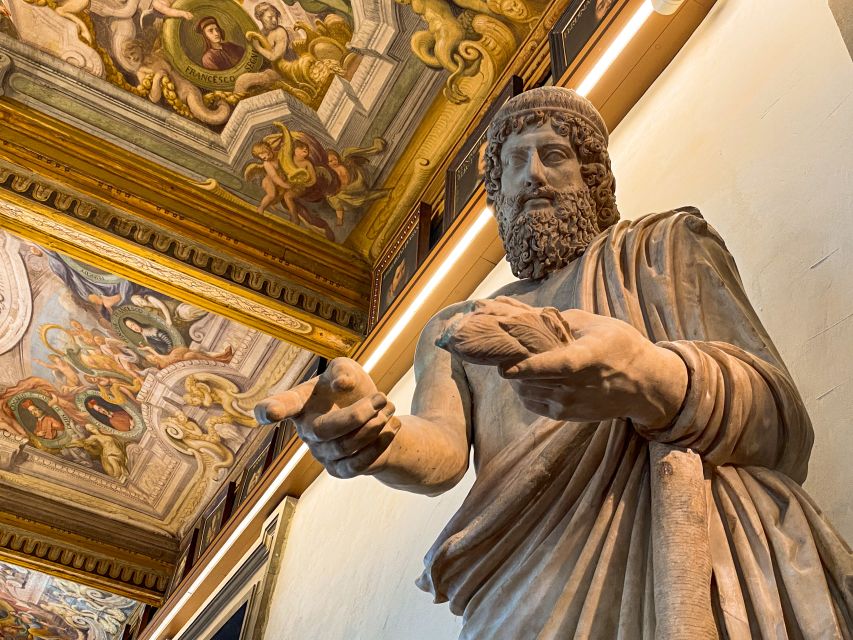
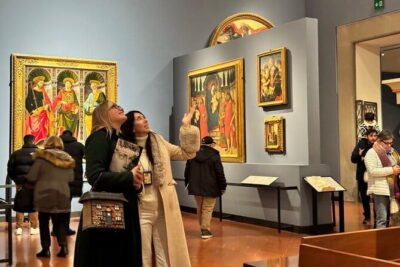
The Uffizi isn’t only a building of masterpieces. It’s also a window into the people who funded and shaped the Renaissance. As you move through the grand corridors—statues, portraits, and ornate ceilings—you start noticing that the museum’s story is tied to power, patronage, and taste.
These tickets include informational highlights about the gallery’s history and the Medici family, whose vision and patronage helped shape the Renaissance. Practically speaking, that means you won’t just read labels and move on. You’ll have a framework for why certain works and themes show up the way they do.
If you like “why this exists” history (not just facts), you’ll probably enjoy this part most. The Medici connection is the thread that helps you understand Florence as a living engine of art—artists weren’t working in isolation. They were working for people with influence, expectations, and big plans.
You can also read our reviews of more museum experiences in Florence





The Optional Audio Guide: Use It Like a Tool, Not a Crutch
You’ll receive an optional audio guide electronically along with your tickets. It’s available in English, Italian, Spanish, and French.
The best way to use an audio guide is to treat it as a shortcut to comprehension:
- Use it when you feel stuck wondering what you’re looking at.
- Turn it on when you’re moving between major works, so you’re not trying to read every label.
- Save time by listening to the explanations, then spend your eyes on the artwork instead of on text.
Also, since the experience doesn’t include a tour guide, the audio guide becomes your main structured layer. If you’re the kind of person who likes to connect scenes and symbols, it’s worth using.
And if you’re the kind of person who prefers silence with your thoughts? Totally fine. You can go at your own speed and only rely on the included informational highlights.
A Realistic 4-Hour Visit Plan (So You Don’t Feel Rushed)
The duration is listed as 4 hours (valid for 1 day), depending on availability and starting times. You’ll pick (or be assigned) a time window. Because your entry could shift slightly (up to 15 minutes), I’d plan your schedule with breathing room.
Here’s a simple approach that works well for an unhurried highlights visit:
- First stretch: anchor works
Aim for the headline paintings early—Botticelli’s Birth of Venus, Leonardo’s Annunciation, and Michelangelo’s Tondo Doni. Getting these done early removes the stress of “I might miss them.”
- Middle stretch: Medici context in your ears
Use the audio guide to connect themes and stories to what you’re seeing. This is where the museum stops being a list and starts being a narrative.
- Final stretch: go back to favorites
If one painting or room holds you longer, you’ll have time to return. Don’t force yourself to “finish.” Finishing art rarely works.
- Last 20–30 minutes: slow walk and settle
At the end, your brain needs time to absorb. Let the last rooms be a calm landing.
Keep in mind: security screening can add time on arrival. Still, 4 hours is enough for a meaningful visit if you choose focus over frantic checking.
Rules Inside: Food, Photos, and What to Bring
The museum rules are straightforward:
- No flash photography
- No food and drinks
One review notes that bringing a limited amount of water may be possible, and that the museum has spots where you can buy water and even have a cafe option. That’s useful information, but the safest way to interpret it is this: follow the official rule at security, and if you’re bringing water, keep it to what they allow.
What I’d bring, just to avoid headaches:
- A fully charged phone for your digital ticket
- A light layer (museum temperatures can vary)
- Comfortable shoes
- Your ID/passport ready for the gate
Also, because you’re skipping the ticket counter, you’re more likely to get into the museum and hit the galleries quickly. That’s great. But it also means you should be ready to show your ticket instantly.
Price and Value: What You’re Actually Paying For

Pricing is listed at $23 per person, and there’s also a euro breakdown provided:
- €29.00 paid to the museum
- €9.00 costs and taxes paid to OTAs for promoting the product
- €2.50 for delivering tickets, audio, and assistance on the ground
So the value question is not just “is it cheap?” It’s whether the convenience matches what you’ll get out of the day.
Here’s how I see it:
- You’re paying for fast entry handling (no ticket counter exchange) and for digital delivery of entry tickets plus audio.
- You’re not paying for a live tour guide, and food isn’t included.
- If you’d otherwise spend time dealing with lines or printing/collecting tickets, this setup is worth it.
For most people visiting the Uffizi as a top priority, the biggest value is the time you save before you even start appreciating what you came for.
Who This Works Best For (and Who Might Want a Different Setup)
This ticket setup is a strong fit if:
- You want to see the Uffizi’s major works and move at your own pace
- You like having context via an audio guide instead of a fixed-group schedule
- You’d rather spend money on access and convenience than on a live guide
It might be less ideal if:
- You want a real-time guide to answer questions as you go (these tickets do not include a tour guide)
- You’re going with a group that needs lots of hand-holding, because this is more self-directed once you’re inside
If you’re an independent visitor who enjoys labels, audio cues, and choosing your own pace, you’ll probably feel in control from the moment you receive the ticket.
Should You Book This Uffizi Ticket Service?
If your goal is to walk into one of Europe’s top art museums with less friction, I think this is a solid booking. The combination of mobile tickets, no voucher exchange, and an optional audio guide makes it an efficient way to protect your time for art.
I’d book it if you:
- Plan to focus on key works like The Birth of Venus, Annunciation, and the Tondo Doni
- Want flexibility to spend longer where you care, not where a group stops
- Don’t need a live guide to explain everything
I’d hesitate only if you need a guided, teacher-style experience or if you’re the kind of visitor who gets stressed by having to manage your own timing and entry steps.
Bottom line: for the practical-minded art lover, this ticket approach usually wins—because it gets you into the Uffizi so you can do what matters most: look closely, then look again.
FAQ
How do I receive my Uffizi Gallery tickets?
You receive them electronically by email, WhatsApp, or iMessage. The entry tickets and the audio guide are sent to your phone/email, so you can show them at the museum.
Where do I go on arrival at the Uffizi?
There is no meeting point. Go directly to Museum Entry Gate #1 and show your digital tickets plus a valid ID or passport.
Do I need to exchange a voucher or pick up a ticket?
No. There is no voucher exchange. You enter directly using the digital ticket you receive.
Is an audio guide included, and what languages are available?
An audio guide is optional and available in English, Italian, Spanish, and French. You receive it electronically along with your entry tickets.
Are food and drinks allowed inside?
Food and drinks are not allowed. If you plan to bring items like water, follow what security allows on the day.
Is the experience wheelchair accessible?
Yes, it is listed as wheelchair accessible.