REVIEW · FLORENCE
Florence: Uffizi Gallery Master Class Skip-the-Line Tour
Book on GetYourGuide →Operated by Keys of Italy · Bookable on GetYourGuide
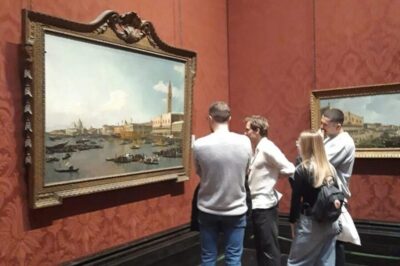
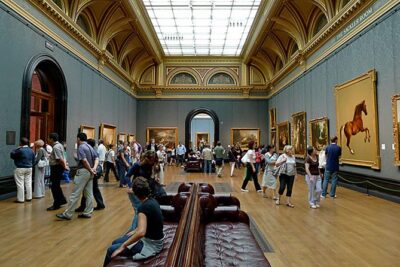
Art beats the clock in Florence. This tour pairs skip-the-line entry with a small group master class that makes the Uffizi feel understandable, not overwhelming, and the guide connects key works to the Medici story. One catch: on the first Sunday of each month, entry is free but tickets can’t be reserved ahead, so getting in isn’t guaranteed.
I like that the pace is built for meaning. The tour runs about 2.5 hours and starts at the Uffizi at Door 1, next to the Petrarca statue, then ends back at the same meeting spot—easy to find, no guessing games.
You’ll also be guided through some of the museum’s best-known highlights, including Botticelli’s The Birth of Venus, Leonardo da Vinci’s Adoration of the Magi, and Giotto’s Ognissanti Madonna. Since the tour is limited to a small group (up to nine people) with time for questions, it works well if you want expert context in plain language rather than just wandering.
In This Review
- Key things that make this Uffizi master class work
- Where the tour starts (and why it matters)
- A 2.5-hour Renaissance master class: how the time is used
- The guided highlights: Botticelli, Leonardo, and Giotto
- Botticelli’s The Birth of Venus
- Leonardo’s Adoration of the Magi
- Giotto’s Ognissanti Madonna
- Other works, plus the thread that connects them
- Florence’s Renaissance story and the Medici connection
- Small-group pacing: what you gain with a cap of nine
- Live English guide plus audio support
- Skip-the-line value: what you’re really paying for
- Practical tips for getting the most out of your Uffizi visit
- Who this tour suits best (and who might want something else)
- Should you book the Florence Uffizi master class skip-the-line tour?
- FAQ
- How long is the Uffizi Gallery master class skip-the-line tour?
- Is there skip-the-line entrance to the Uffizi Gallery?
- What language is the tour guide?
- What group size is this tour limited to?
- Is the tour wheelchair accessible?
- What happens on the first Sunday of each month?
Key things that make this Uffizi master class work
- Skip-the-line entrance saves you from the biggest bottleneck at the Uffizi
- Small-group size (up to 9) keeps the experience personal and Q&A-friendly
- Live English guide explains what you’re seeing, not just where to stand
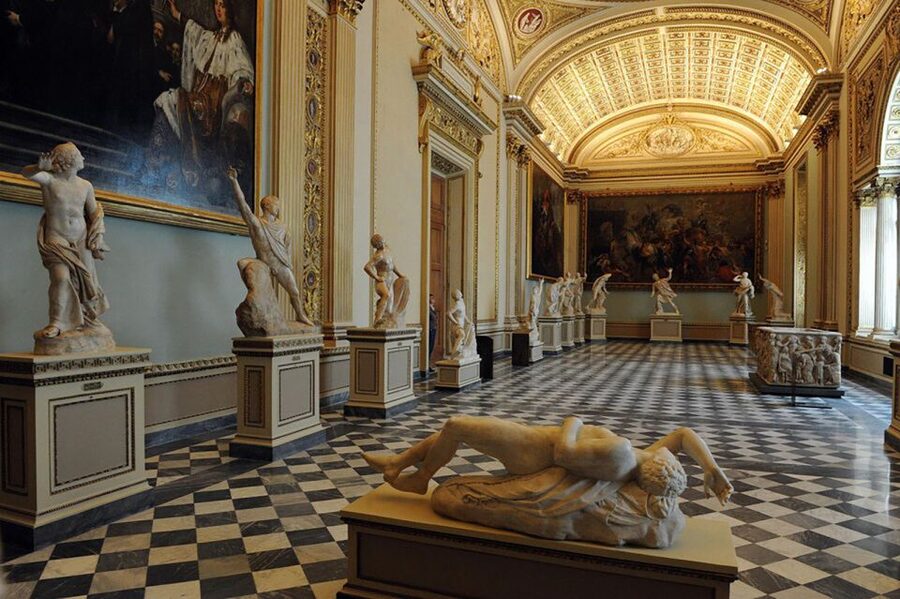
- Medici and Renaissance connections show how art, power, and taste overlap in Florence
- Major works covered like Botticelli, Leonardo, and Giotto anchor the whole tour
Where the tour starts (and why it matters)
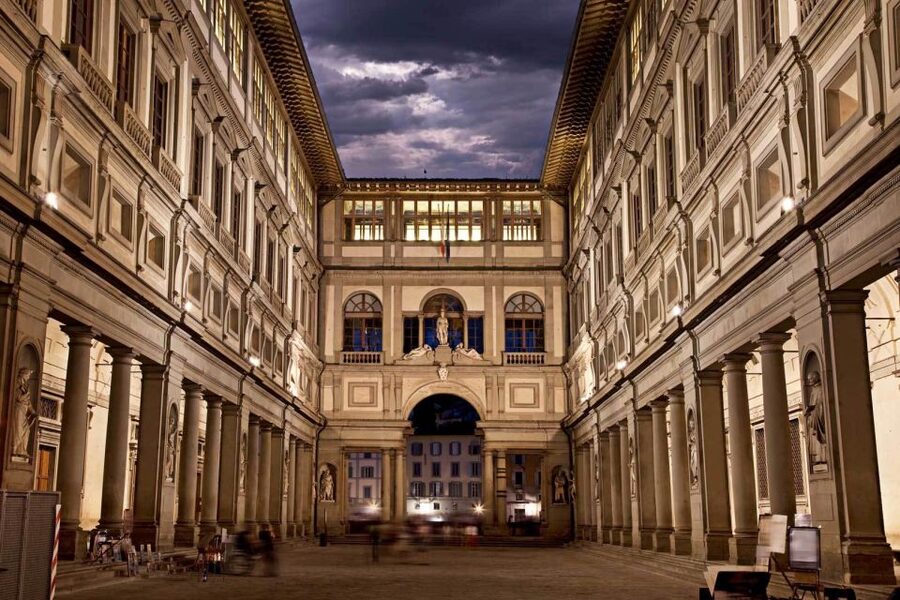
Your tour begins at the Uffizi Gallery, in front of Door 1, right next to the Petrarca statue. That specific meeting point is more than trivia. At the Uffizi, people drift, entrances change by crowd flow, and waiting around in the wrong spot can eat into your museum time.
Starting at Door 1 also makes the skip-the-line part feel real. It’s one thing to pay for priority entry; it’s another when the meeting point is clearly stated and the group can move in together. With this tour, you know exactly where to go, and you’re not stuck trying to match a guide’s description to a sea of visitors.
The tour ends back at the meeting point. That’s handy because it lets you plan the rest of your Florence day without guessing how far you’ll end from transport, restrooms, or a nearby café.
You can also read our reviews of more museum experiences in Florence

A 2.5-hour Renaissance master class: how the time is used
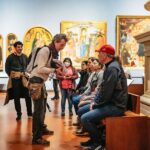
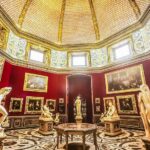
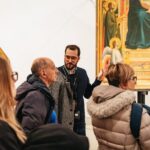
This is not a quick “see-the-best-works” tour. The format is an extended guided visit—designed like a master class—where an art expert connects Florence’s rise in the Renaissance to the Medici family’s deep relationship with the arts.
That structure matters because the Uffizi can feel like a test you didn’t study for. You can walk from room to room and still feel like you’re reading captions without decoding them. Here, the guide frames what you’re looking at: why these artists mattered, how patronage shaped what got made, and what themes show up again and again in Renaissance art.
The total time is 2.5 hours. That’s a sweet spot for a high-demand museum. You get real focus on key works and themes, but you’re not trapped in a full-day schedule that forces you to choose between art and your other Florence plans.
The guided highlights: Botticelli, Leonardo, and Giotto

The tour spotlights several famous works, using them as anchors for the bigger story of Florence and its artistic revolution.
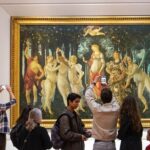
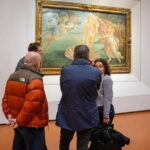
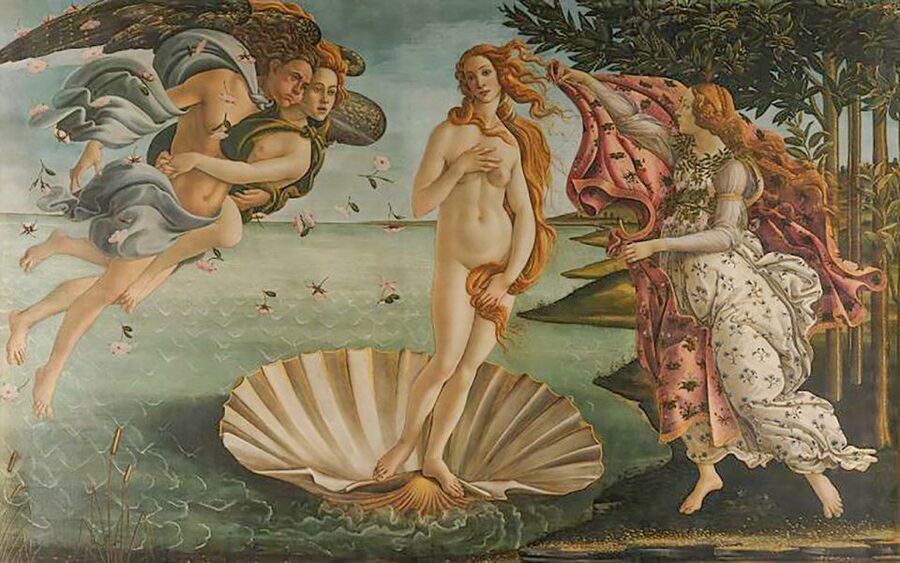
Botticelli’s The Birth of Venus
If you’re in Florence, this painting is basically the emotional headline of the Uffizi. On this tour, you don’t just learn what it is—you get a guided explanation of why it hit like a Renaissance thunderclap and how the cultural shift of the era shows up in the art.
What I like about having The Birth of Venus included in a master-class style tour is that it gives you a reference point. Even if you’re not an art expert, you can build a mental map of Renaissance ideas through one iconic work, then compare those ideas to what you see next.
Leonardo’s Adoration of the Magi
Leonardo da Vinci brings a different kind of attention to detail. This tour includes Adoration of the Magi, and it’s a great choice for understanding how Leonardo’s thinking shows up in composition and narrative.
Leonardo can be hard to appreciate if you only know the broad legend of the man. A guided stop helps you slow down and focus on what’s actually in front of you—so the painting reads less like a famous name and more like an artwork with choices behind it.
A few more Florence tours and experiences worth a look

Giotto’s Ognissanti Madonna
Giotto is a powerful reminder that the Renaissance didn’t appear out of nowhere. Ognissanti Madonna helps you see a transition—how earlier artistic developments feed into what later becomes the Renaissance style.
When a tour includes Giotto alongside Botticelli and Leonardo, you get more than three masterpieces. You get a sense of artistic evolution and the changing goals of painters over time.
Other works, plus the thread that connects them
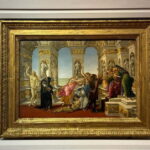
Beyond those featured highlights, the tour is described as covering multiple celebrated works. The practical value is the connecting thread. Instead of treating each painting like a separate fact, you’ll get guidance that helps you recognize patterns tied to Florence’s role in the Renaissance.
Florence’s Renaissance story and the Medici connection
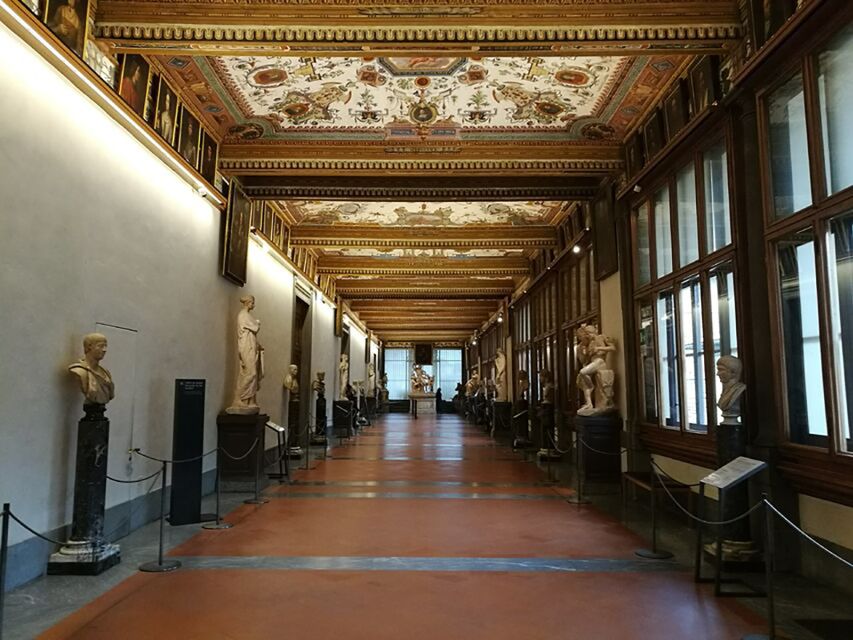
This is where the “master class” idea earns its keep. The tour specifically explains Florence’s role in the Renaissance and highlights the Medici family’s bond with the arts.
In practical terms, this helps you answer a question that most people feel but can’t always phrase: Why were so many great works created here, and why did the art look the way it did?
The Medici weren’t just rich patrons passing money around. They were shaping taste and legitimacy. A guided explanation of that relationship makes the gallery feel less like a storage room of famous objects and more like evidence in a human story—politics, prestige, belief systems, and education all interacting through art.
Small-group pacing: what you gain with a cap of nine
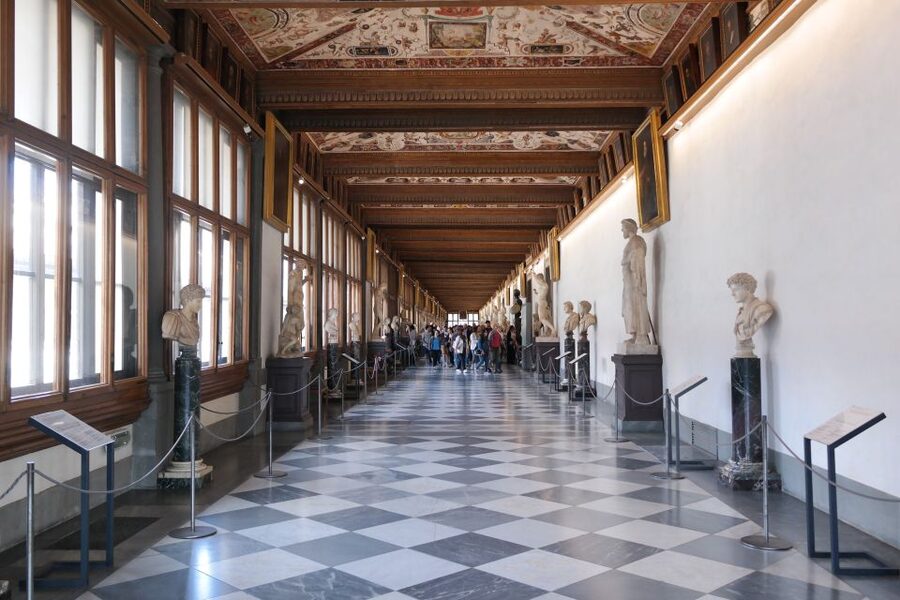
This tour limits the group size to a maximum of nine people. Some descriptions also emphasize a maximum of eight for a more intimate experience, but the key takeaway is the same: it’s set up to keep the guide’s attention close to you.
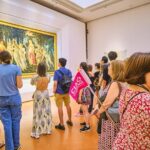
That means you can actually ask questions instead of whispering them into the void. The tour includes time for questions and discussion, which changes how much you retain during a fast museum visit.
I also like that the guide experience gets praised directly. In particular, guides named Gianna and Martina are described as putting serious care into the explanations, with kindness and insight that made the art feel memorable. When the guide quality is that high, you’re more likely to leave understanding why the paintings matter—not only that they’re famous.
Live English guide plus audio support
The tour includes a live professional tour guide in English. It also notes that for groups of more than six people, an audio guide is provided.
So what should you expect? In a small group context, you’ll still be hearing the live explanation, then using audio support if the group crosses that size threshold. Either way, the guiding goal stays the same: help you read the museum without drowning in labels.
If you prefer direct human narration—rather than purely self-guided listening—this setup works well. You get the structure of a guided tour but with extra support depending on group size.
Skip-the-line value: what you’re really paying for
The price is listed as $121.21 per person, lasting about 2.5 hours. That cost can feel steep until you translate what you’re buying.
You’re paying for three things that matter at the Uffizi:
- Time saved by skipping the ticket line
- Expert interpretation of major works (not just “this is by that artist”)
- Small-group attention, where your questions and understanding are part of the experience
That combination is usually better value than simply buying an entry ticket and hoping you can make sense of everything on your own. The Uffizi is popular and busy, and the bottleneck is real. Skipping the line is a concrete benefit, not a vague promise.
And if you’ve ever stood in front of a masterpiece feeling like you’re missing the “why,” a guide becomes part of the ticket value. The goal here is to help you understand nuances and history while you’re in front of the artwork, not after you’ve left the museum.
Practical tips for getting the most out of your Uffizi visit
A guided tour makes a huge difference at the Uffizi, but you’ll still get more if you set yourself up the right way.
- Arrive a few minutes early. The meeting is precise: Door 1 next to the Petrarca statue. You don’t want to start off chasing the group.
- Ask at least one question. The format includes time for questions, and this is where the tour becomes personal rather than just informative.
- Use the featured masterpieces as your anchors. If you remember only three paintings, make them Botticelli’s The Birth of Venus, Leonardo’s Adoration of the Magi, and Giotto’s Ognissanti Madonna. Everything else becomes easier to place.
- Expect a Renaissance-focused lens. This isn’t a general art-history walk. The guide connects Florence’s rise and Medici patronage to what you see in the galleries.
Who this tour suits best (and who might want something else)
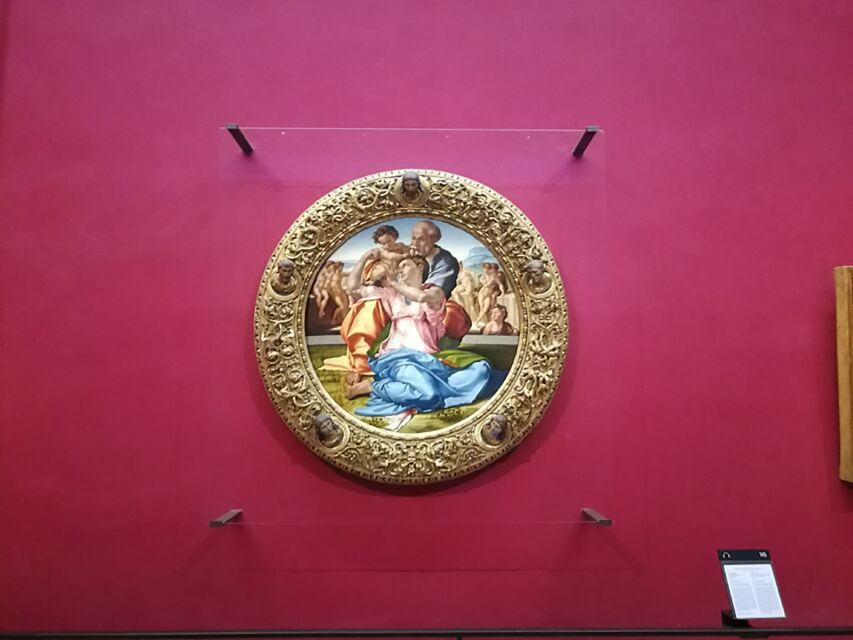
This tour is best for you if:
- You want a guided master class format rather than open-ended museum wandering
- You care about the Renaissance story behind famous paintings
- You like small groups where you can ask questions
- You’re visiting the Uffizi and want the experience to feel understandable and connected
It may be less ideal if:
- You strongly prefer self-paced time in every room and don’t want a structured plan
- You’re trying to cover the Uffizi in a “maximum number of rooms” approach, since the focus is on guided interpretation of key works and themes
Should you book the Florence Uffizi master class skip-the-line tour?
I’d book it if you want the Uffizi to feel like a coherent story instead of a checklist. The skip-the-line setup matters here, and the small-group size plus live English guidance adds up to practical value, especially in a museum that can overwhelm people fast.
One timing warning to take seriously: on the first Sunday of each month, entry is free, but tickets can’t be reserved ahead and entry is not guaranteed. If your dates fall on that first Sunday, I’d treat the tour as a great option, but don’t count on museum entry in the same way you would on other days.
If you’re aiming for the best balance of time, expertise, and access, this master class approach is exactly the kind of tour that turns a famous museum visit into real understanding.
FAQ
How long is the Uffizi Gallery master class skip-the-line tour?
The tour duration is listed as 2.5 hours.
Is there skip-the-line entrance to the Uffizi Gallery?
Yes, skip-the-line entrance is included.
What language is the tour guide?
The live tour guide is in English.
What group size is this tour limited to?
It’s a small group tour with a maximum of 9 participants.
Is the tour wheelchair accessible?
Yes, the activity is wheelchair accessible.
What happens on the first Sunday of each month?
On the first Sunday of each month, entrance is free of charge, but tickets can’t be reserved ahead of time, so entry is not guaranteed.