REVIEW · PARIS
Invader Hunt – Street Art Tour of le Marais
Book on Viator →Operated by Street Art Tour Paris · Bookable on Viator
Street art can feel like a scavenger hunt in Paris. This 2-hour 15-minute walk in Le Marais is built to help you spot Invader pieces and other street artists in real neighborhood streets, not just staged viewing.
I really like that it’s family-friendly without getting childish. It’s paced for kids and teenagers, and the guide style can keep adults engaged too, with Thom Thom specifically praised for connecting the dots as you hunt.
One thing to consider: it’s mostly on foot. If you’re expecting lots of indoor sightseeing time or long museum stays, this is more of a walking-and-looking tour than a sit-down one.
In This Review
- Key things I’d bank on
- Street Art Hunting in Le Marais: Why This Route Works
- Price and Value: What You Get for $47.93
- When and Where to Show Up: Rue Brisemiche and a Morning Start
- Stop 1: Fontaine Stravinsky and the Niki de Saint Phalle / Jean Tinguely Moment
- Centre Pompidou Walk-By: Architecture Clues and Hidden Street Art Scanning
- Passing the National Archives Gardens: A Breather on the Map
- The Jewish Neighborhood Street Walk: Context as Part of the Art
- Small Group, English Guide, and a Family-Friendly Pace
- What to Look For on Your Walk (So You Don’t Miss the Point)
- Who This Tour Fits Best
- Should You Book the Invader Hunt Street Art Tour of Le Marais?
- FAQ
- What is the duration of the Invader Hunt street art tour?
- How much does it cost?
- Where does the tour start?
- Does the tour include entry fees?
- Is the tour offered in English?
- How large is the group?
- Is there a mobile ticket?
- Is it suitable for families with kids and teens?
- Are service animals allowed?
- Can I get a refund if my plans change?
Key things I’d bank on
- Invader-focused street art hunt with an artist guide to point things out as you go
- Small group (max 15) for questions, backtracking, and a more personal feel
- Family-friendly pace that works for teens as well as younger kids
- Le Marais + big landmarks link street art with recognizable Paris settings
- Architecture spotting at Centre Pompidou while you scan for street art nearby
Street Art Hunting in Le Marais: Why This Route Works
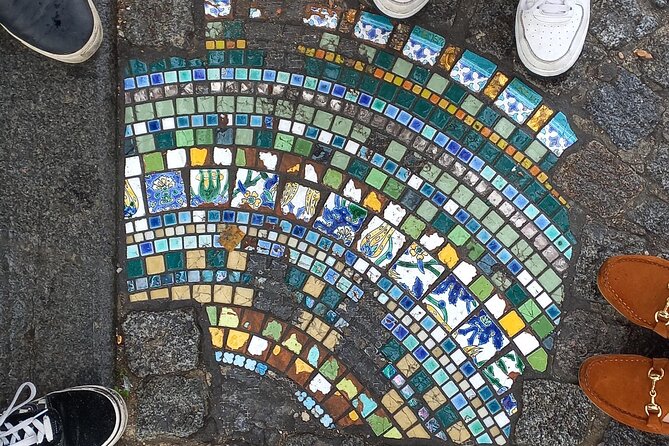
Le Marais is one of those Paris neighborhoods where the walls feel like part of the street. You can see layers of art without leaving the sidewalks. This tour uses that advantage on purpose, so you’re not just admiring one famous spot and calling it a day.
The tour’s main magic is the combination of a clear theme (finding Invader and other street artists) with a walk that keeps shifting scenery. You start by learning how to look at what’s right in front of you, then you move through areas where art pops up in surprising corners.
And because it’s an artist guide–led walk, you’re not relying on guessing. You’ll get practical help for how to notice the details you might otherwise miss, especially if this is your first street art hunt in Paris.
A few more Paris tours and experiences worth a look


Price and Value: What You Get for $47.93
At $47.93 per person, this isn’t a museum ticket or an all-day tour. What you’re paying for is time with a guide who can interpret what you’re seeing and keep the hunt moving.
The value gets stronger when you factor in a few things that matter in Paris:
- A short duration (about 2 hours 15 minutes) means you can fit it into a busy trip without losing a whole day.
- It’s small group (up to 15), which typically means more interaction than a big bus-style crowd.
- It includes an artist guide as the key service, and the tour is clearly built around guided looking, not just wandering.
Also, the stops listed include free admission for the areas you visit at Fontaine Stravinsky and the Centre Pompidou exterior areas. So you’re not stacking extra entry fees on top of the tour cost.
If your goal is to get street art context fast, this is a strong price-to-time match.
When and Where to Show Up: Rue Brisemiche and a Morning Start

The start point is 2 Rue Brisemiche, 75004 Paris. The tour starts at 10:00 am, and the organizer recommends arriving at least 5 minutes early. This matters because the group can move on on schedule, and arriving late can make it hard to catch up.
The end point is different from the start, which is common for walking tours in Le Marais. It’s not a deal-breaker, but I’d plan your next activity with a little buffer so you’re not sprinting across town right after you finish.
You’ll also get a mobile ticket, which is convenient in Paris. And it runs in English, which helps a lot if you want the art talk without translating in your head.
Stop 1: Fontaine Stravinsky and the Niki de Saint Phalle / Jean Tinguely Moment
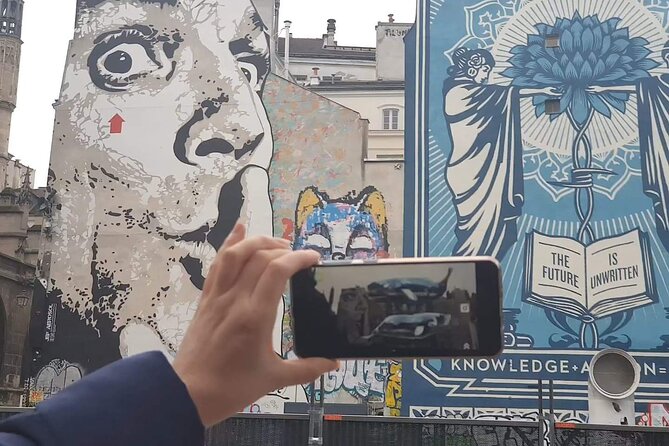
Your first stop is Fontaine Stravinsky, where you pause next to the fountain and look at works by Niki de Saint Phalle and Jean Tinguely. This is a smart opening because it sets a tone: street art isn’t separate from the art world in this neighborhood. It sits next to it.
The tour includes about 10 minutes here, and that short window is enough to get your eyes tuned. You’re not supposed to rush through the fountain. Instead, you’re meant to use the fountain as a reference point, then glance outward at the surrounding street art so you start training your attention.
One practical benefit of starting here: it gives you a safe, famous anchor before you move into lesser-known-looking corners. That helps especially if you’re bringing younger kids who get restless when the surroundings feel too abstract.
Potential drawback: because the time is short, you’ll need to stay with the guide’s pace. If you love fountains and want a long, slow linger, you may wish you had extra minutes on your own before or after.
Centre Pompidou Walk-By: Architecture Clues and Hidden Street Art Scanning
Next, you head toward Centre Pompidou. The route focuses on the exterior and the surrounding area while you look for hidden street art treasures. It’s only about 5 minutes of stop time listed here, so think of it as a quick hit to reset your attention rather than a full photo session.
The architecture angle is built in. You’ll walk around and learn about the high-tech design associated with Richard Rogers, Su Rogers, Renzo Piano, and Gianfranco Franchini. Even if you don’t care about architectural history, this helps you understand why the area feels modern and why street art can look especially striking against industrial-looking forms.
Then comes the key street-art task: scanning on the move. When the guide points out something specific to look for, you start noticing patterns—placement choices, how art interacts with surfaces, and what people tend to overlook.
Tip for your eyes: when you get to Pompidou, don’t only stare at the building. Sweep your gaze across nearby walls and edges. That’s where street art often hides, and that’s exactly what this stop is training you to do.





Passing the National Archives Gardens: A Breather on the Map
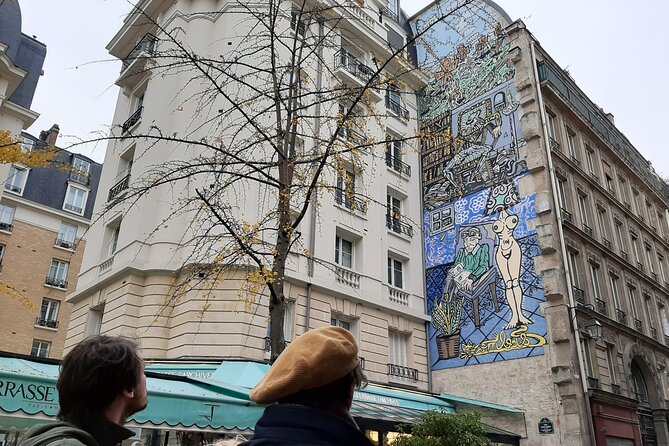
You’ll also pass next to the hidden Gardens of the National Archives. Even without a long stop, these in-between moments can make a walking tour feel less exhausting. They give your eyes a rest from the walls and keep the route varied.
What to expect here is more of a transition than a major attraction moment. You’re moving through Le Marais as the guide steers you toward the next viewing situation, which often means short, focused looks rather than long sightseeing breaks.
If you’re traveling with kids, these small pauses are helpful. They’re enough time to reset snacks, water sips, or simply stand still for a minute so everyone can keep walking comfortably.
The Jewish Neighborhood Street Walk: Context as Part of the Art
You finish with a walk on a street known as the Jewish neighborhood of Paris. This matters because the tour isn’t only about spotting art. It’s also about learning how street art fits into a living neighborhood, where people still work, shop, and live.
A good street art guide doesn’t treat art like a detached collection. The guide’s job is to connect what you see to where you are standing, and that’s where neighborhood context keeps the experience grounded.
Practical takeaway: expect the route to feel like a real walk through Le Marais, not a theme park. That’s part of the value if you want the authentic, everyday Paris feel.
Small Group, English Guide, and a Family-Friendly Pace
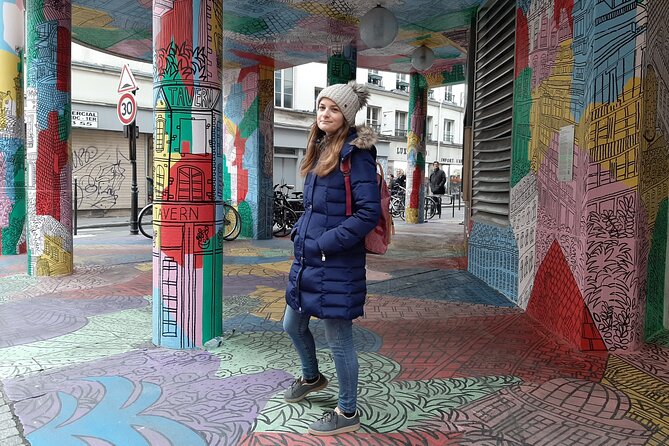
The tour caps at 15 travelers, and that small-group setup is more than a comfort detail. It affects the entire feel of the hunt.
In a larger group, you tend to become a passenger. In a smaller group, you’re more likely to:
- ask questions without waiting for the guide to repeat,
- see what the guide sees quickly,
- and keep momentum when a stop requires attention.
It’s also explicitly designed for families with kids and teenagers. That doesn’t mean it skips art talk; it means the pace and choices aim to keep multiple age levels engaged. The praised family-friendly feedback is a clue that the guide knows how to explain without overcomplicating.
One name you’ll see attached to standout guiding is Thom Thom. That’s a good sign if you’re hoping for a guide who can connect artists, places, and the hunt itself in a way that lands for both younger minds and adults.
What to Look For on Your Walk (So You Don’t Miss the Point)
The biggest mistake on street art tours is only looking at what you already noticed. This kind of hunt works better when you treat it like a game: your job is to train your eyes.
Here are smart ways to do that during the walk:
- Keep your pace with the group so you catch the quick clues the guide points out.
- When you see a surface you’d normally ignore, pause for two seconds. That’s often where street art catches you off guard.
- Look for contrast: art tends to pop where textures, colors, or architectural edges change.
Since the tour is in English, you’ll be able to follow the explanations easily. Still, you’ll get the most out of it if you stay present—street art can be easy to overlook when your mind is elsewhere.
Who This Tour Fits Best
This is ideal if you:
- want a street art tour that doesn’t feel like a lecture,
- like the idea of hunting for Invader and other artists in neighborhood streets,
- are traveling with kids or teenagers and need something they won’t hate by the halfway mark,
- and prefer a structured walk over a totally free-form self-guided hunt.
It’s also a good “warm-up” activity if you’re spending time in the Marais anyway. You get guided context early, then later you can keep spotting pieces on your own.
Should You Book the Invader Hunt Street Art Tour of Le Marais?
I’d book it if you want a short, guided, family-friendly street art experience in one of Paris’ best neighborhoods for this kind of wandering. The small group size and the artist guide make it feel interactive, not random.
I would skip it or look for a different style of tour if you’re primarily after long indoor sightseeing. This is a walking-and-looking experience, with quick stop windows like around Fontaine Stravinsky and the Centre Pompidou exterior area.
If you’re the kind of traveler who likes turning corners to see what’s there, and you want a guide to teach you how to notice the details, this one is a strong match.
FAQ
What is the duration of the Invader Hunt street art tour?
The tour lasts about 2 hours 15 minutes.
How much does it cost?
It costs $47.93 per person.
Where does the tour start?
It starts at 2 Rue Brisemiche, 75004 Paris, France.
Does the tour include entry fees?
For the listed stops, the admission ticket is free at both Fontaine Stravinsky and the Centre Pompidou area mentioned.
Is the tour offered in English?
Yes, it is offered in English.
How large is the group?
The maximum group size is 15 travelers.
Is there a mobile ticket?
Yes, the tour offers a mobile ticket.
Is it suitable for families with kids and teens?
Yes. It’s described as ideal for families with kids and teenagers.
Are service animals allowed?
Yes, service animals are allowed.
Can I get a refund if my plans change?
Free cancellation is available up to 24 hours in advance for a full refund. If you cancel less than 24 hours before the start time, the amount you paid is not refunded.