REVIEW · PARIS
Private Street Art Tour in Paris with Local Expert
Book on Viator →Operated by Friendly Local Guides · Bookable on Viator
One street at a time, Paris turns into a gallery. This is a private 3-hour walking tour with a local guide, built for street art lovers who want context, not just pictures. You can also shape parts of the route with flexible start times, so you spend your time where the walls are most interesting to you.
I especially like the full attention of your guide on a one-group tour, which makes it easier to ask questions and slow down for details. I also like the way the route moves through real neighborhoods—Rue Oberkampf, Belleville, and ending in Montmartre—so you get street art plus a sense of how Parisians actually live around it.
One consideration: you will walk a decent amount on mostly city streets, and the tour calls for moderate physical fitness. If weather is rough or a specific area feels crowded that day, the vibe can change.
In This Review
- Key takeaways
- Private Street Art in Paris: The Value of One-On-One Streets
- How the Walk Flows From Belleville to Montmartre
- Rue Oberkampf and Belleville: Open-Air Museum Energy
- Rue Saint-Maur: A Small Wall With Big Updates
- Crossroads Art at Rue de l’Elysée Ménilmontant and Rue Julien Lacroix
- Rue Laurence Savart: Narrow Alleys and a Growing Collection
- Boulevard de la Villette and Lazoo’s Home Turf
- Rue des Cascades and Rue de l’Ourcq: Art Stretching Past the City Feel
- Rue Riquet: The 500-Meter Rosa Parks Tribute
- Montmartre’s Street Art Finale: A Quieter Take on a Famous Area
- What to Bring and How to Get the Best Photos
- Price, Pickup, and Who This Tour Is For
- Should You Book This Private Street Art Tour?
- FAQ
- How long is the private street art tour?
- What does the tour cost?
- Is the tour private?
- Do I need to arrange pickup or confirm by phone?
- Is the tour available in English?
- Where does the tour start?
- Are there entrance fees during the tour?
- What kind of walking fitness level is needed?
- Can I cancel for a full refund?
- Are start times flexible?
Key takeaways
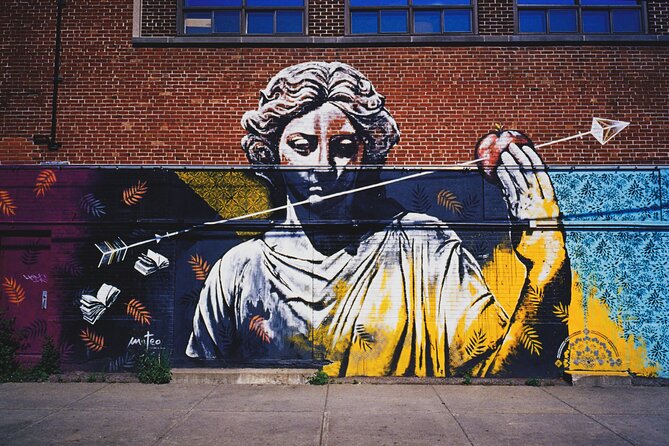
- Private, local-guided walking with hotel lobby meeting and the full focus of your guide
- Street art basics with artist context, including styles and mediums (guides may bring materials like artist info binders)
- A route built for photos, including photo-friendly walls in Oberkampf, along the canals, and in Montmartre
- Frequent street art updates at some stops, so you see new work rather than frozen museum pieces
- Artist-name landmarks, like Lazoo’s presence around Boulevard de la Villette
- A flexible itinerary, with multiple start times and room to tailor what you care about most
Private Street Art in Paris: The Value of One-On-One Streets
Paris street art isn’t just decoration. It’s a running conversation—about identity, politics, pop culture, technique, and neighborhood pride. A private tour matters because you’re not stuck with a loud herd trying to keep up. You can pause when a mural’s details reward closer looking, and you can ask why a certain artist uses a certain style.
At $139 per person for about 3 hours, the math works best if you actually care about art enough to want context. You’re paying for (1) a local guide who knows what to look for and (2) a route that connects multiple famous and off-the-beaten-wall spots efficiently. And because it’s private, you’re not losing time to waiting for others to catch up or to negotiating through a crowded group.
This tour also fits the “Paris timing” reality. There are multiple start times, and you meet the guide at your hotel lobby, which makes it easier to start clean and avoid extra transit stress. It’s designed for people who want something different from the standard museum circuit—especially if you’re the type who notices walls already and wants to know what you’re seeing.
You can also read our reviews of more private tours in Paris

How the Walk Flows From Belleville to Montmartre
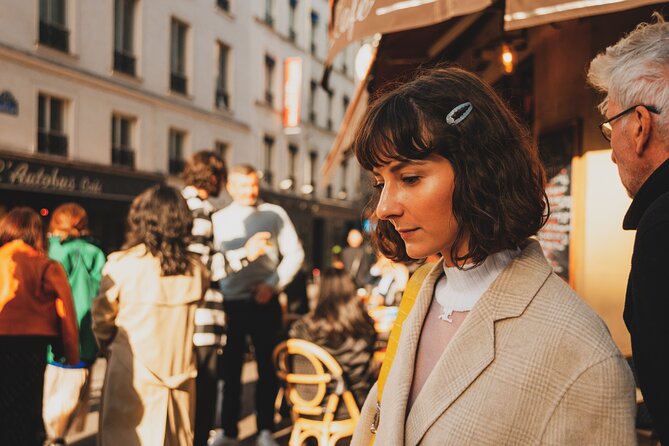
Your route is a street-by-street sampler across the east side and then a finish in Montmartre. The overall plan is built around concentrations of large walls and smaller alley works—so you get variety without random wandering.
You’ll also see an important theme: street art changes. Some walls look permanently fixed, but others get repainted, updated, or swapped out on a schedule. That’s why a guide’s knowledge helps. You’re not just hunting images; you’re learning how the same wall can become a new statement over time.
The length of each stop is usually short—often around 10 to 15 minutes—so you’ll move at a lively walking pace. The final stretch in Montmartre is longer at about 45 minutes, which is your chance to slow down and absorb the area.
Rue Oberkampf and Belleville: Open-Air Museum Energy
Rue Oberkampf is one of those streets where you feel like you’re walking through an outdoor gallery. You start there with your guide and get the kind of background that makes a mural snap into focus. You’re not only spotting color and style; you’re learning the “why” behind the work—who created it, what it’s referencing, and how the neighborhood shaped it.
A specific address is included for this area: 107 Rue Oberkampf. Expect walls that read like modern art on concrete, plus a sense that the street art here is always alive. One of the charms is the possibility of seeing fresh updates—locals know that walls can change, and the guide may share what’s going on when new pieces appear.
If you’re a camera person, Oberkampf is a strong opener. The street layout makes it easy to get photos without sprinting every few seconds, and your guide can help you pick angles that show the artwork plus the surrounding street texture.
Rue Saint-Maur: A Small Wall With Big Updates
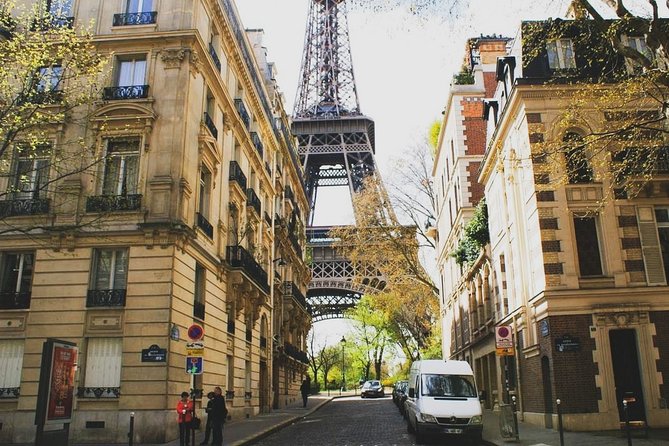
Rue Saint-Maur is more “gallery-like” than you might expect. The tour points out a compact exhibition space of about 24 sq.m. that shows new artwork every fortnight. That detail is practical: it means you’re not guaranteed the same thing you might have seen online a while back.
What you’ll like here is the variety of styles. The tour description highlights work that can range from abstract to extremely realistic, plus pieces inspired by pop culture. Your guide’s job is to connect each look to an artist approach, so the wall becomes a lesson rather than just a pretty backdrop.
A tip from how guides have worked on this tour: if your guide uses tools like artist information handouts or a binder, lean into it. That kind of structure helps you notice mediums and techniques faster, even if you’re not a lifelong street art nerd.
Crossroads Art at Rue de l’Elysée Ménilmontant and Rue Julien Lacroix
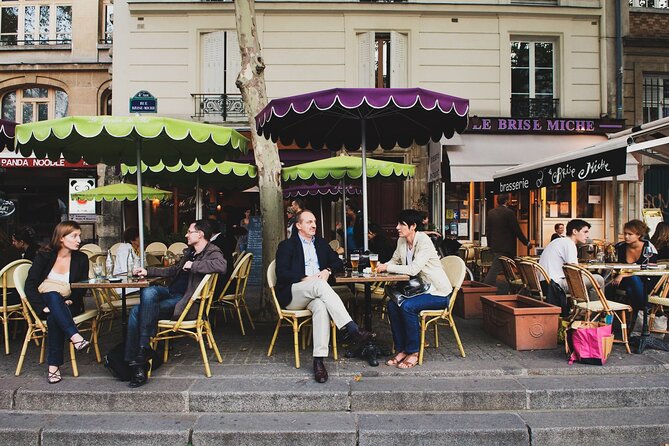
At the crossroads of Rue de l’Elysée Ménilmontant and Rue Julien Lacroix, you’ll see large, complex collections of artwork clustered in a way that rewards careful looking. Corner spots often work like natural galleries because multiple directions frame the same wall segment.
The tour emphasizes expressive frescos and small details. That matters because street art often hides its best storytelling in the fine print: faces, symbols, layered typography, and texture. On a private tour, you can step closer and take your time. You’re not forced to view from far away just to keep the group moving.
For practical planning, this is a great stop to bring your phone or camera settings ready. If your photos come out blurry elsewhere, this is where you’ll want a stable stance and steady shooting.
A few more Paris tours and experiences worth a look
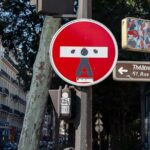

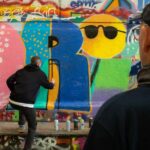
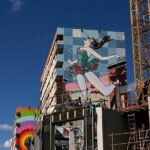
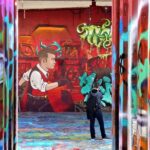
Rue Laurence Savart: Narrow Alleys and a Growing Collection
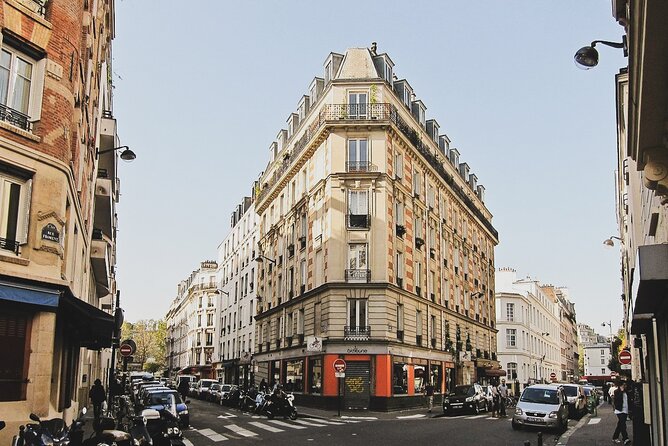
Next comes Rue Laurence Savart, described as having hidden corners and narrow alleys filled with contemporary pieces. This is the kind of street art area that can feel easy to miss on your own, because the best works aren’t always on the biggest, most obvious facades.
The emphasis here is on a constantly growing collection. So you’re seeing not just one mural but a neighborhood feel—different layers of street art history stacked over time. Your guide’s value is in pointing out what’s new, what’s influenced by local artists, and what details you might otherwise ignore.
If you like street art that feels more underground—less tourist-brochure and more “you found it”—this is likely one of your favorite stops.
Boulevard de la Villette and Lazoo’s Home Turf
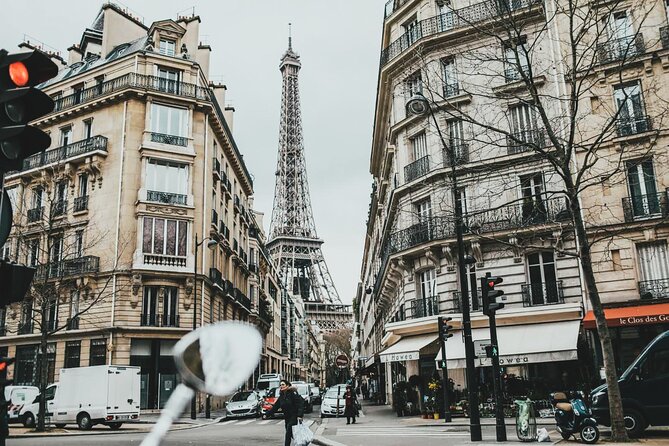
Boulevard de la Villette is another key street art concentration on this route, with a massive modern fresco overlooking a community garden. The Lazoo connection is explicit: the artist was born here, and you’ll see his name around the area.
This matters because it turns a wall into a place. Instead of treating art like a random wall decoration, you’re learning how an artist’s personal geography affects what appears where. Your guide should help you connect that: why this area feels strongly tied to Lazoo, and why some works feel more recognizable once you know the background.
Photo-wise, you’ll have a chance to capture large-scale work with enough surrounding context to show the scale. And because it’s private, you can wait for a clearer moment if pedestrians clutter the foreground.
Rue des Cascades and Rue de l’Ourcq: Art Stretching Past the City Feel
Two streets keep the route visually interesting: Rue des Cascades and Rue de l’Ourcq.
On Rue des Cascades, the tour description stresses a picturesque mix of urban charm and romantic tone, with endless rows of artworks. You’ll likely find that your best photos come from slow walking and pausing to shoot from different heights. Street art on a continuous run often creates a rhythm; you don’t want to treat it like one mural. Think sequence, not single image.
Then comes Rue de l’Ourcq, where the tour points you toward canal-linked street art. You’ll see Canal de l’Ourcq and Canal Saint Martin described like one long exhibition that stretches beyond city limits. The detail you should hold onto here is the range of surfaces: purpose-built walls, abandoned industrial buildings, iron bridges, and other areas that act like galleries.
This part of the tour is great if you want your street art to feel connected to infrastructure and daily routes. It’s not “art in a vacuum.” It’s art living on the path people actually move through.
Rue Riquet: The 500-Meter Rosa Parks Tribute
Rue Riquet is one of the standout pieces of public memory in the tour description. It’s known for a 500-meter-long wall that was covered with graffiti in 2015 in honor of Rosa Parks. That length detail changes how you experience it: you can’t take it in with one glance.
The tour also includes international artists here, including multiple acknowledged women invited to contribute. If you care about representation in street art, this stop is worth giving extra attention to the mix of styles and voices.
Practical advice: plan for a bit of walking along the wall lines so you don’t rush the best sections. Because it’s a long run, your guide can help you pace the “viewing,” not just the “photo taking.”
Montmartre’s Street Art Finale: A Quieter Take on a Famous Area
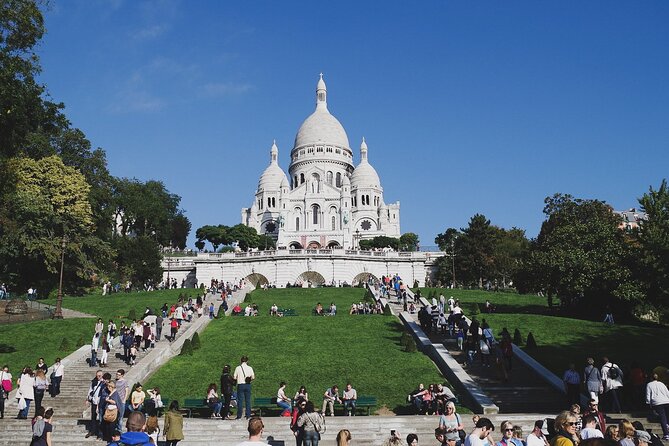
You finish in Montmartre, but the approach is different. Instead of treating it as purely postcard sights, this section focuses on street art and on understanding why the popularity of street art exploded in recent years.
The tour description also flags a key benefit: you can avoid crowded tourist areas and experience a quieter, colorful version of Montmartre. That’s exactly what makes a guided approach valuable here, because Montmartre’s visibility can turn into noise if you’re trying to explore without a plan.
Expect wall-heavy viewing and guide storytelling about what you’re looking at—how styles spread, why certain artists become symbols, and why certain walls attract attention. It’s also the longest stop on the route, about 45 minutes, so you have room to slow down and linger.
From a comfort angle, this is where your guide can adjust the pace for your group. One guide on this tour was specifically praised for being attentive to a guest walking with a cane, which tells me the better guides adapt to walkers, not just calendars.
What to Bring and How to Get the Best Photos
You won’t have museum stairs and ticket lines to manage, but you still need to be street-smart.
Bring:
- Comfortable shoes for city walking
- A camera or phone with enough storage (you’ll likely take more photos than you expect)
- A light layer if weather changes fast, because you’re outside the whole time
How to shoot:
- Don’t chase one perfect shot immediately. Start with one wider frame, then move in for details.
- Save close-ups for walls your guide flags as especially layered or detail-heavy.
- If you see updates or newer layers, focus on edges and overlaps—those usually tell the story of how a wall evolved.
If you’re the kind of person who starts noticing street art everywhere after a tour, you’ll feel that effect strongly here. The guide’s artist context tends to train your eyes for shapes, lettering styles, and recurring themes.
Price, Pickup, and Who This Tour Is For
For $139 per person, you’re paying for a private guide, hotel lobby meeting, and a customized route with multiple start times. Since the stops are described as free in terms of admission tickets, the budget impact mainly comes from your time and guide service, not add-on fees.
This is best for you if:
- You love street art and want the artist context, not just the mural photos
- You prefer a one-group pace where you can ask questions and slow down
- You want a route that connects several distinct street art zones without spending time figuring it out alone
- You enjoy learning how specific artists connect to places, like Lazoo in and around Boulevard de la Villette
It may be less ideal if:
- You want a purely relaxed stroll with no schedule at all (this route has multiple short stops)
- You dislike walking neighborhoods with changing foot traffic
- You’re very sensitive to crowd levels in Montmartre, since that area can feel busy depending on the day
Should You Book This Private Street Art Tour?
I’d book it if you want Paris street art with real context and a route that hits multiple high-interest zones in one go. The private format makes the experience feel personal, and guides on this tour have been praised for being attentive, using helpful materials like artist info binders, and sharing clear explanations about styles and artists.
Skip it only if you’re after a low-effort, mostly visual photo walk. This tour is built to help you see patterns and meaning, so you’ll get more out of it if you’re ready to look closely and ask questions as you walk.
FAQ
How long is the private street art tour?
It runs for about 3 hours.
What does the tour cost?
The price is $139 per person.
Is the tour private?
Yes. Only your group participates.
Do I need to arrange pickup or confirm by phone?
You meet your guide at the lobby of your hotel. You do not need to call to confirm, since the supplier contacts you by email.
Is the tour available in English?
Yes, the tour is offered in English.
Where does the tour start?
You’ll meet your guide at your hotel lobby (the exact name and address of your hotel are needed).
Are there entrance fees during the tour?
Admission tickets are listed as free at the stops, and entrance fees are not included if any would depend on your preferences.
What kind of walking fitness level is needed?
The tour notes a moderate physical fitness level.
Can I cancel for a full refund?
Yes. You can cancel up to 24 hours in advance for a full refund.
Are start times flexible?
Yes. Multiple start times are available.